An experienced reconnaissance Marine officer, Bruce Meyers paints a colorful and accurate picture of the special recon landings that preceded every major amphibious operation in the Pacific War.
Saying that no generation of Americans has produced a finer array of combat commanders than that of World War II, a thirty-year army veteran examines combat leadership throughout the war at every level of command in the U.
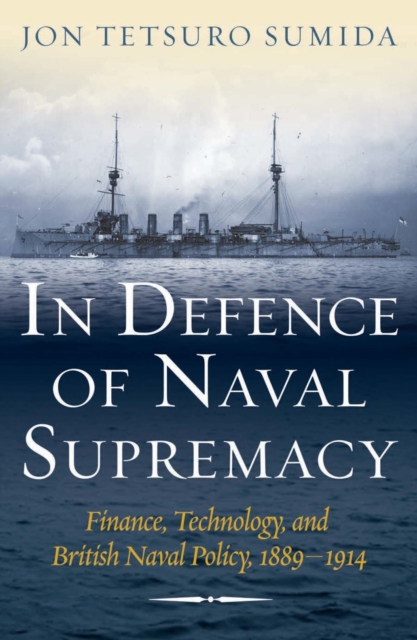
In his groundbreaking work, In Defence of Naval Supremacy, Sumida presents a provocative and authoritative revisionist history of the origins, nature and consequences of the "e;Dreadnought Revolution"e; of 1906.
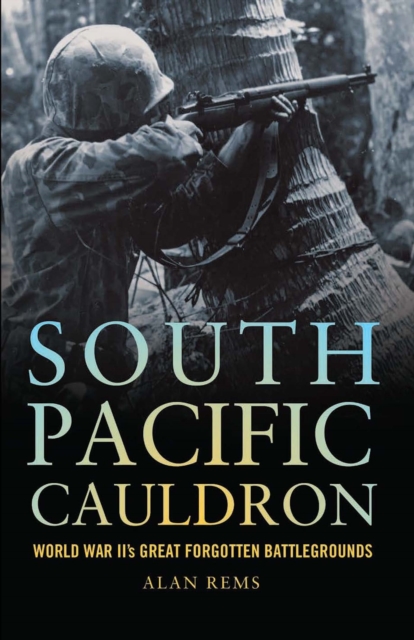
"e;Award-winning author Alan Rems brilliantly tells of the campaigns in the South Pacific, a region long overlooked, offering both the big picture and the foxhole view"e; - Military Officer "e;A fitting tribute to the men who fought and died in an often overlooked theater of World War II.
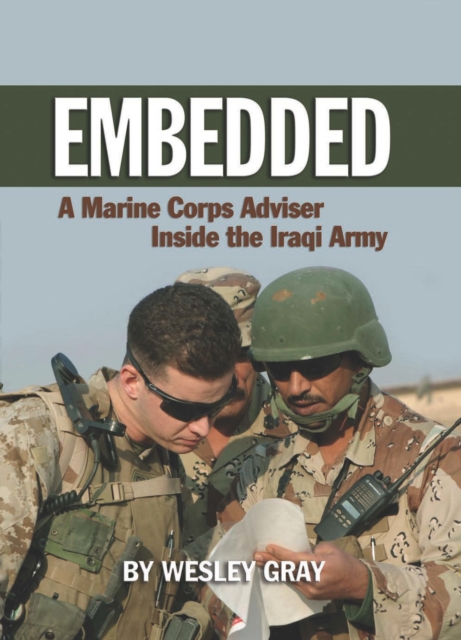
Over time the impression has grown that the 2003 invasion of Iraq met with little resistance and that, with few exceptions, the Iraqi army simply melted away.
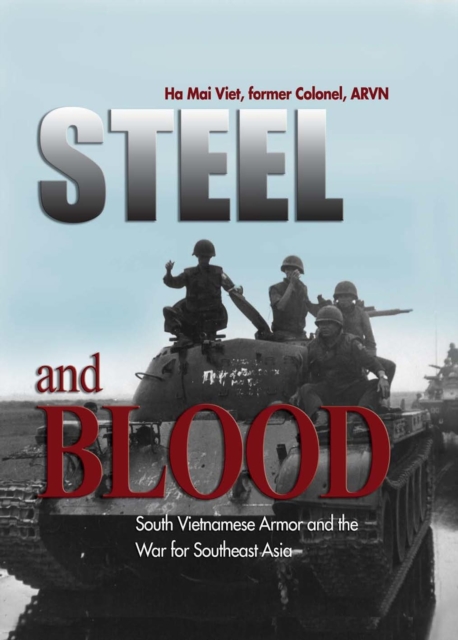
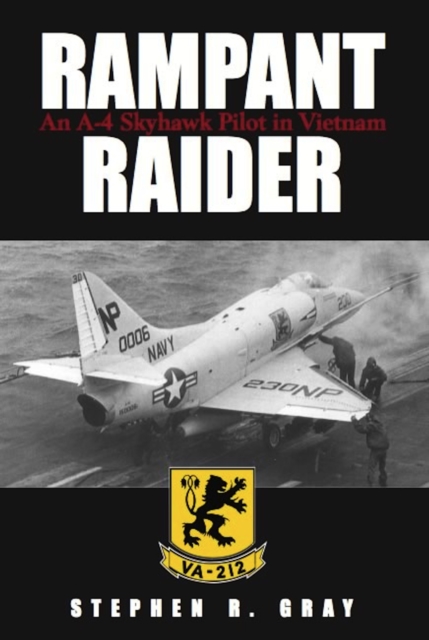
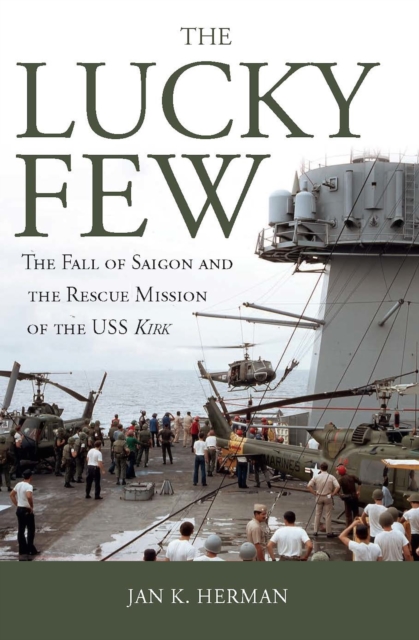
When South Vietnam was abandoned by its American allies and consequently defeated by the North Vietnamese in 1975, all its military records were lost to the enemy.
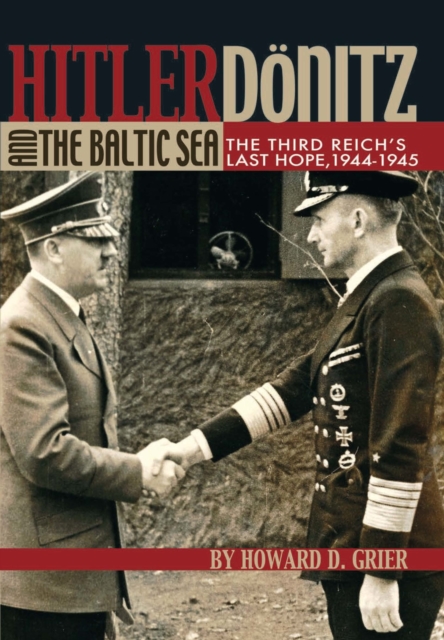
The popular conception of Hitler in the final years of World War II is that of a deranged Fuhrer stubbornly demanding the defense of every foot of ground on all fronts and ordering hopeless attacks with nonexistent divisions.
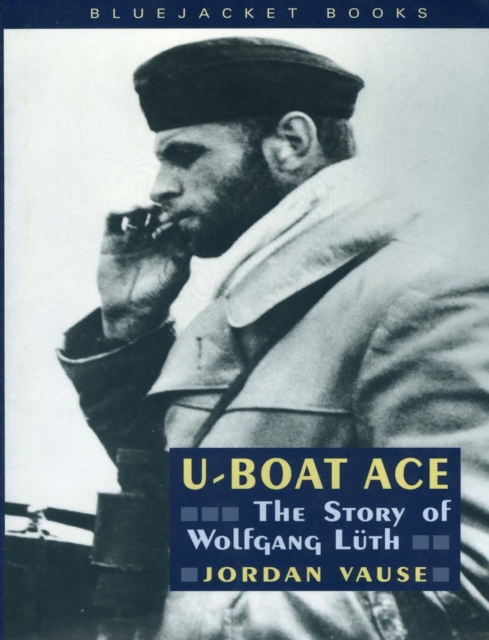
An exceptional figure in the history of the German Navy, Wolfgang Luth was one of only seven men in the Wehrmacht to win Germany's highest combat decoration, the Knight's Cross with Oak Leaves, Swords, and Diamonds.
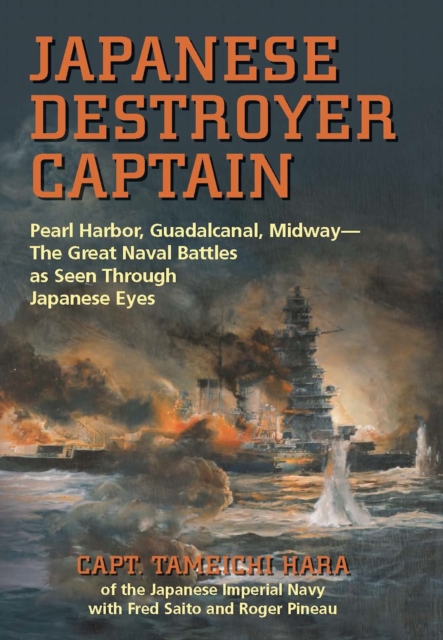
This highly regarded war memoir was a best seller in both Japan and the United States during the 1960s and has long been treasured by historians for its insights into the Japanese side of the surface war in the Pacific.
With a sharp eye and wry wit, Roger Hall recounts his experiences as an American Army officer assigned to the Office of Strategic Services (OSS) during World War II.
Hastily built at the onset of World War II to stop German U-boats from taking their toll on Allied shipping, the 110-foot wooden subchasers were the smallest commissioned warships in the U.
The attack on Pearl Harbor is a topic of perennial interest to the American public, and a long line of popular books and movies have focused on the attack or events leading up to it.
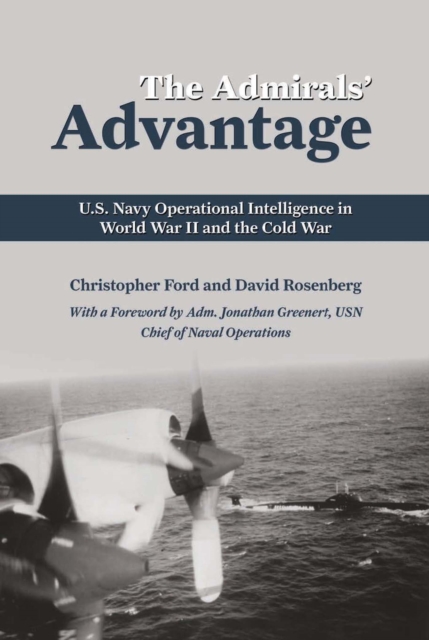
This analytic and historical study provides a revealing look at naval operational intelligence by embracing the fundamental question of what OPINTEL is and how it answers the fundamental question "e;Where is the enemy, in what strength, and disposition, and what is he doing right now?
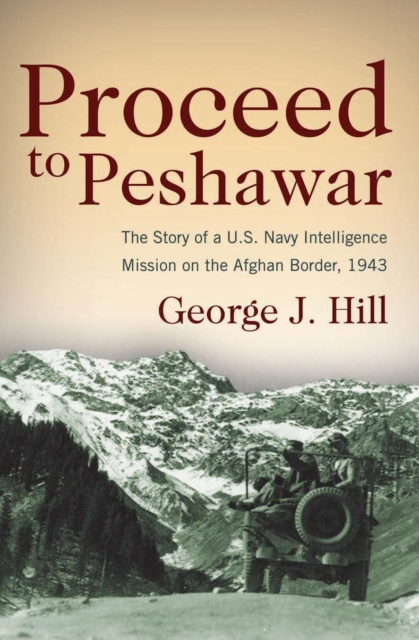
This is a story of adventure in the Hindu Kush Mountains, and of a previously untold Military and Naval Intelligence Mission along about 800 miles of the Durand Line in World War II.
Air Force navigators and bombardiers have long labored under the shadow of pilots--their contributions undervalued, misunderstood, or simply unknown to the general public.
A classic account of the 40-year Naval career of Benjamin Franklin Isherwood, whose contributions to Naval engineering helped usher in the development of the modern American Navy.
Welcomed as the first book about American submarines in World War II to be written by a man who actually fought them, this compelling personal account of the war beneath the sea firmly established Edward L.
A World War II adventure story of epic proportions, this book tells the heroic tale of a dedicated band of men who refused to let their crippled ship sink to the bottom of the Pacific in late 1944.
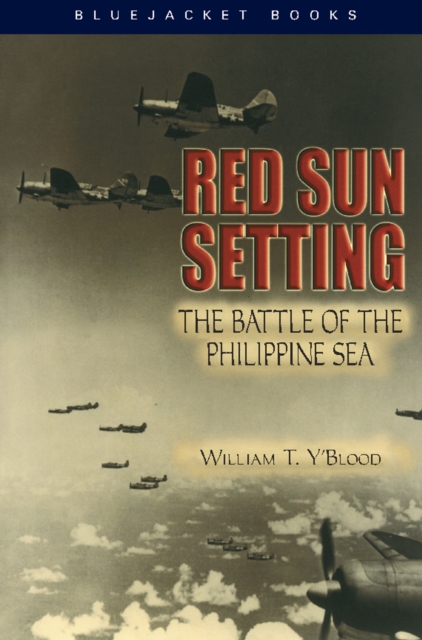
Many regard this work as the definitive account of a controversial conflict of the war in the Pacific, the June 1944 battle known as the "e;Great Marianas Turkey Shoot.