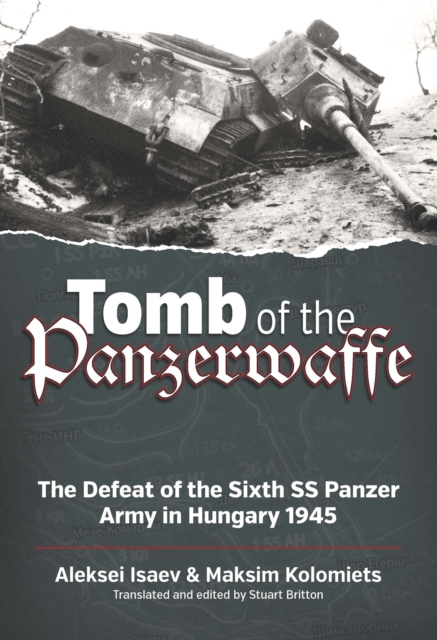
In March 1945 the German Wehrmacht undertook its final attempt to change the course of the war by launching a counteroffensive in the area of Lake Balaton, Hungary.
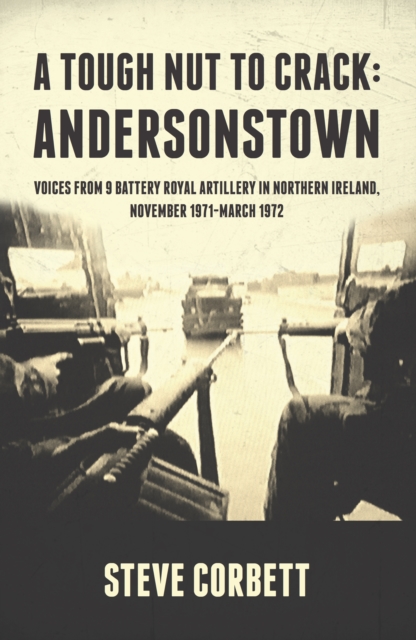
On the outskirts of west Belfast in Northern Ireland, and in the shadow of the Black Mountain, is situated the predominantly Catholic community of Andersonstown.
Made up of members of the Coldstream and Scots Guards, British Yeomanry cavalry regiments, New Zealanders, South Africans, and Indian Army men, the Long Range Desert Group was perhaps the most effective of all the "special forces" established by the Allies during the Second World War.
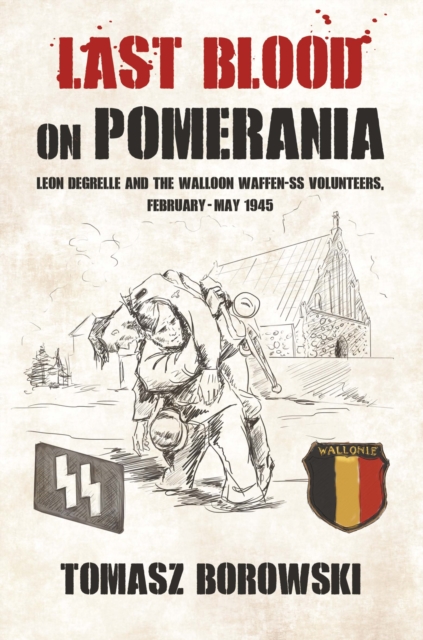
The 28th SS Volunteer Grenadier Division ‘Wallonien’, which mostly consisted of French-speaking citizens of the Kingdom of Belgium – first as part of the Wehrmacht, and later in the ranks of the Waffen SS – fought as one of the national legions against the Red Army on the Eastern Front in February 1942.
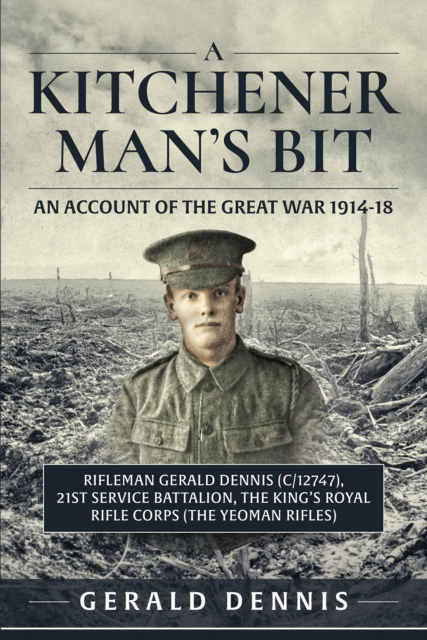
Long out of print, this new edition memoir by an intelligent and articulate “other rank", provides fascinating insights into the Great War infantryman's experience.
Kangzhan: Guide to Chinese Ground Forces 1937–45 is the first ready reference to the organization and armament of Chinese ground forces during the Sino-Japanese War of 1937–45.
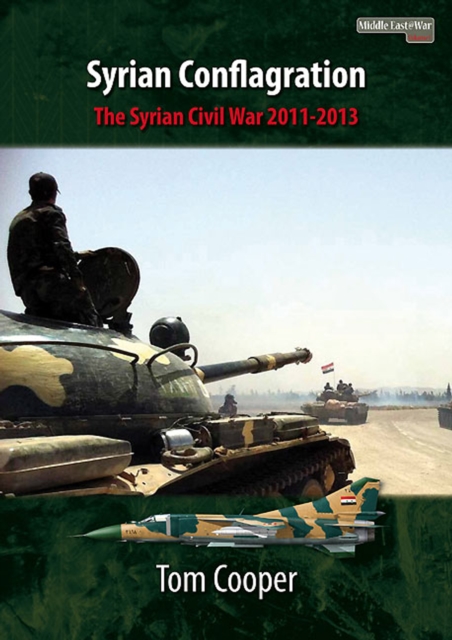
The Syrian Civil War, (the colloquial name of the ongoing conflict in Syria), has experienced an entirely unexpected transformation during its first two years.
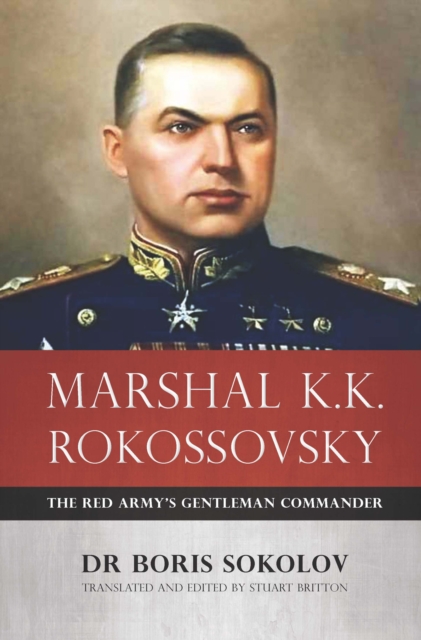
The author Boris Sokolov offers this first objective and intriguing biography of Marshal Konstantin Konstantinovich Rokossovsky, who is widely considered one of the Red Army's top commanders in the Second World War.
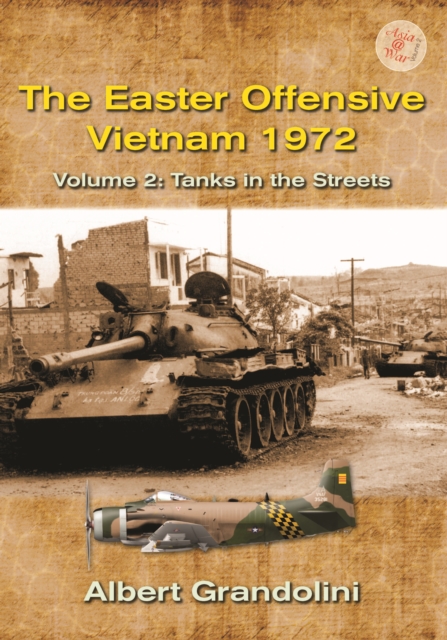
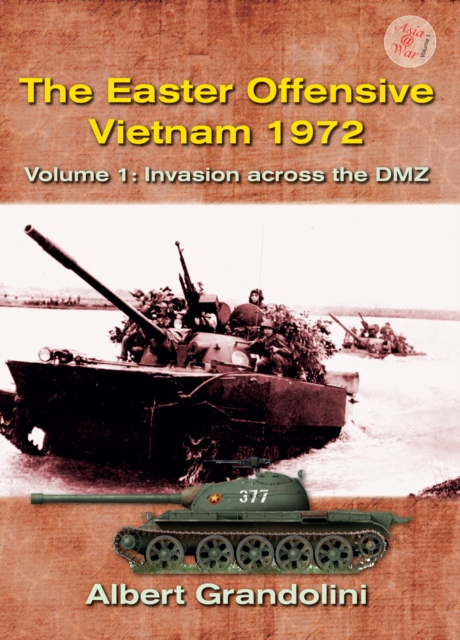
On 30 March 1972, while peace negotiations had been dragging on for four years in Paris, the North Vietnamese launched a wide scale offensive in order to break the stalemate.
On 30 March 1972 the South Vietnamese positions along the Demilitarized Zone (DMZ) that separated the North from South Vietnam were suddenly shelled by hundreds of heavy guns and multiple rocket launchers.
Using a combination of new perspectives and new evidence, this book presents a reinterpretation of how 21st Army Group produced a successful combined arms doctrine by late 1944 and implemented this in early 1945.
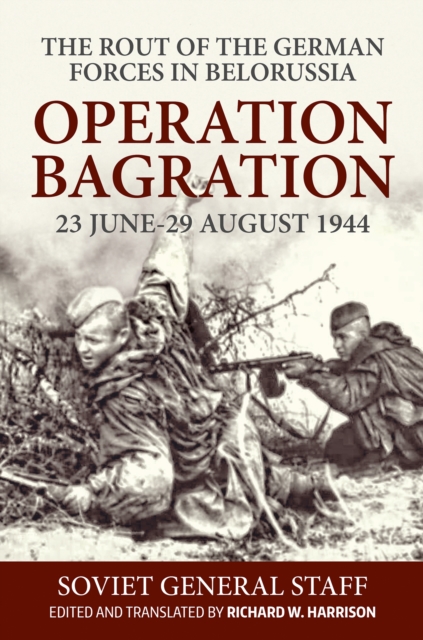
The Rout of the German-Fascist Troops in Belorussia in 1944 covers the Red Army's Belorussian strategic operation: the linchpin of the 10 major Soviet offensive efforts launched that year to clear the country of the invader.
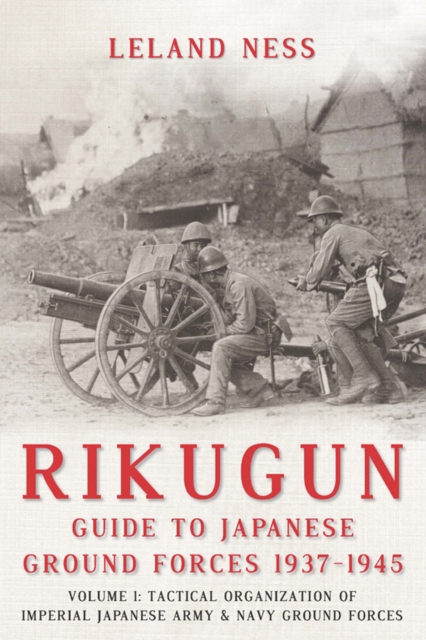
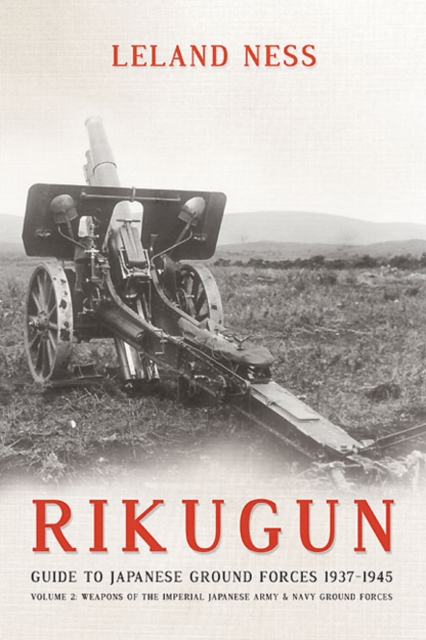
Rikugun: Guide to Japanese Ground Forces 1937-1945 is the first nuts-and-bolts handbook to utilize both the voluminous raw allied intelligence documents and postwar Japanese documentation as primary sources.
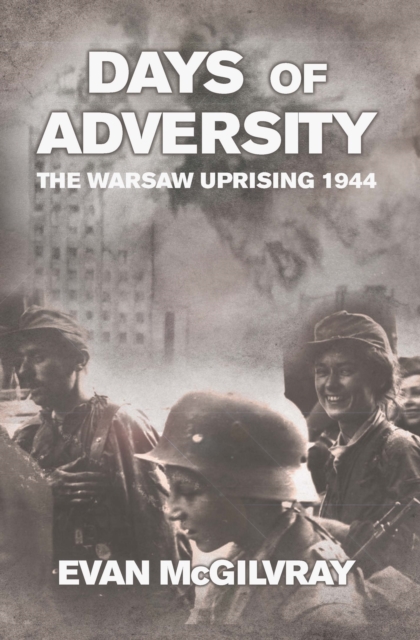
This work is a reexamination of the decisions regarding the 1944 Warsaw Uprising made by the leadership of the underground Polish Army (AK), as well as the questionable attitudes of senior Polish commanders in exile in London.
"e;Comprehensive scholarship and convincing reasoning, enhanced by an excellent translation, place this work on a level with the best of David Glantz"e; (Dennis Showalter, award-winning author of Patton and Rommel).
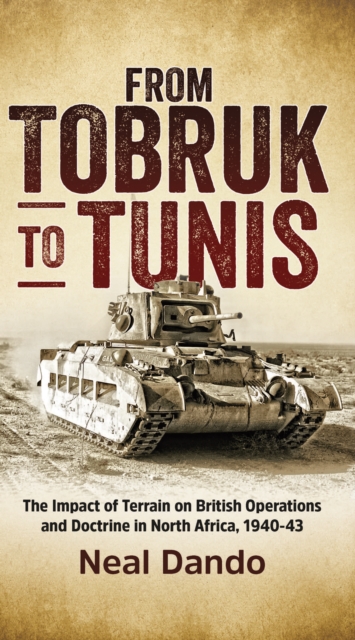
This book focuses on the extent to which the physical terrain features across Egypt, Libya and Tunisia affected British operations throughout the campaign in North Africa during the Second World War.
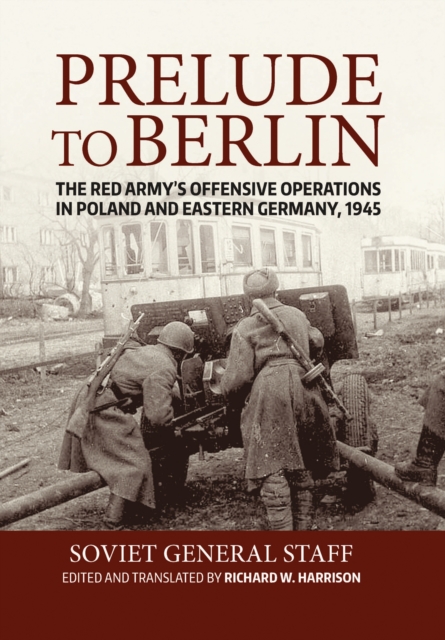
Prelude to Berlin: The Red Army’s Offensive Operations in Poland and Eastern Germany, 1945, offers a panoramic view of the Soviet strategic offensives north of the Carpathians in the winter of 1945.
"Rikugun: Guide to Japanese Ground Forces 1937-1945" is the first nuts-and-bolts handbook to utilize both the voluminous raw allied intelligence documents and postwar Japanese documentation as primary sources.
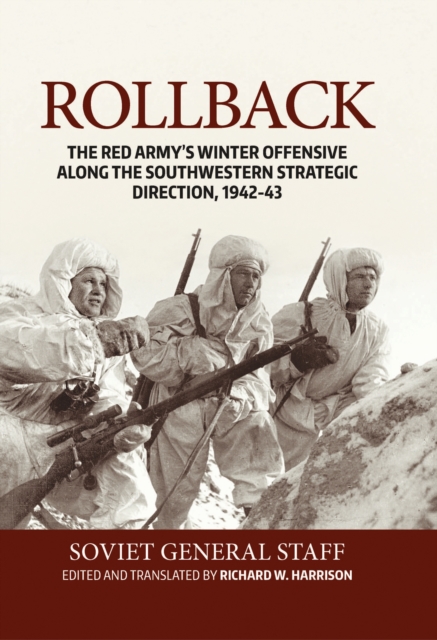
Rollback: The Red Army’s Winter Offensive along the Southwestern Strategic Direction, 1942–43 covers the period from mid-December 1942 to mid-February 1943, one of the most critical periods of the war on the Eastern Front.
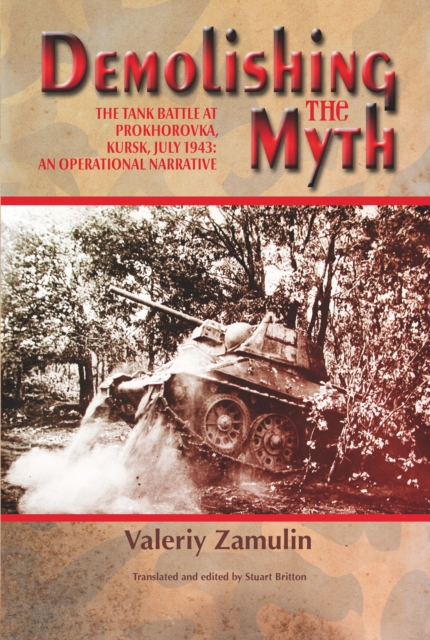
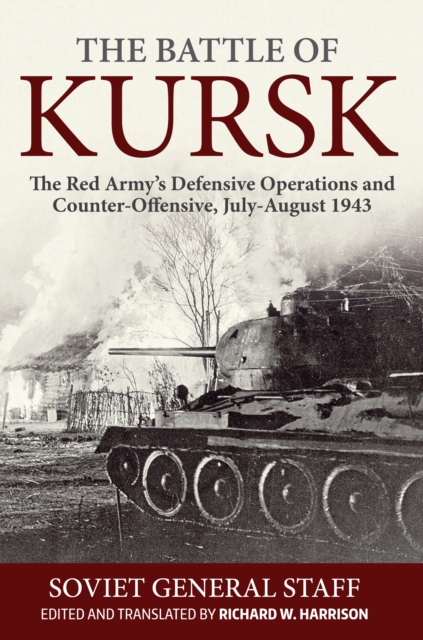
The Battle of Kursk: The Red Army’s Defensive Operations and Counter- Offensive, July - August 1943, offers a peculiarly Soviet view of one of the Second World War’s most critical events.
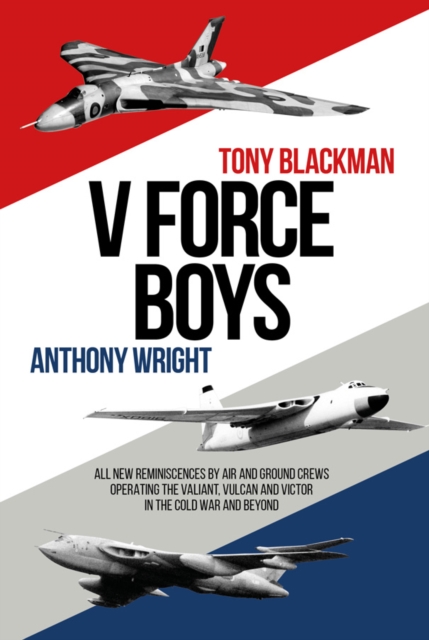
The V Force consisted of three four-jet bombers, the Valiant, the Vulcan and the Victor, all required as part of the nuclear deterrent in the Cold War following the end of the Second World War.
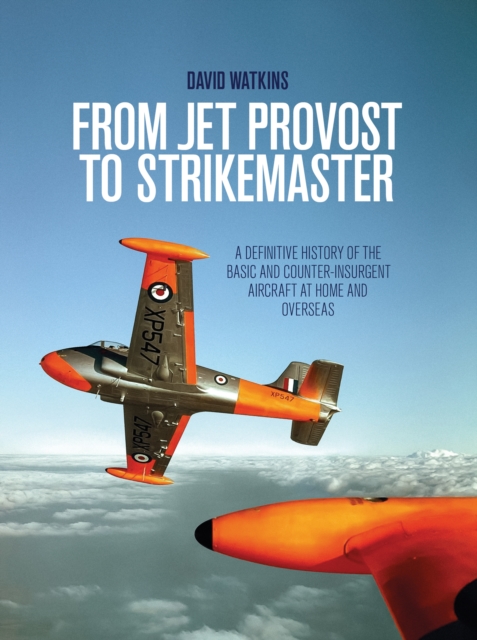
This book covers the complete and long overdue history of the Hunting/BAC Jet Provost and Strikemaster, which for thirty-eight years trained generations of pilots and pioneered the RAF’s all-through flying training program.
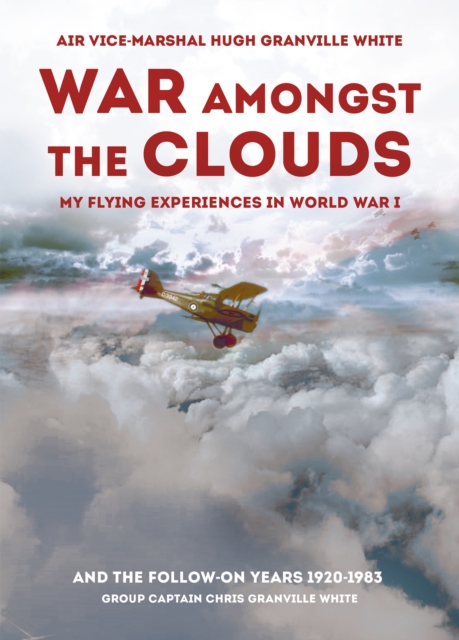
This is a story written by a young man who trained as a pilot, and then flew with the Royal Flying Corps in France during the First World War, eventually to become an ace.
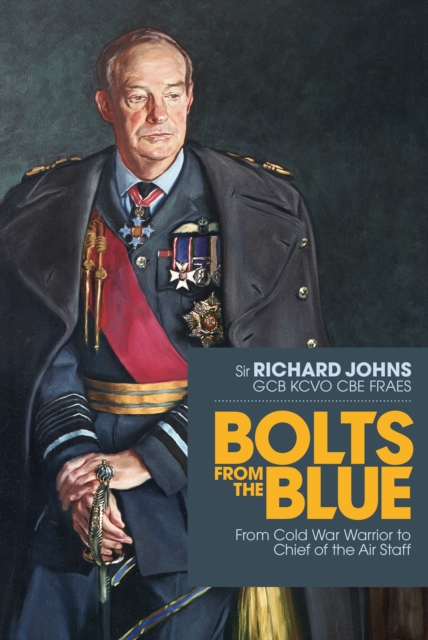
Air Chief Marshal Sir Richard Johns was commissioned at the RAF College Cranwell in 1959 after completing flying training on Piston Provost and Meteor aircraft.
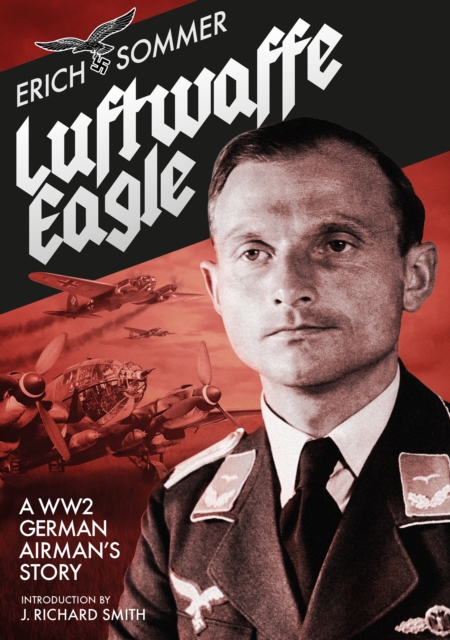
In this compelling memoir, Erich Sommer recalls his life in pre-war Germany and the adventures he had flying for the Luftwaffe during the Second World War.
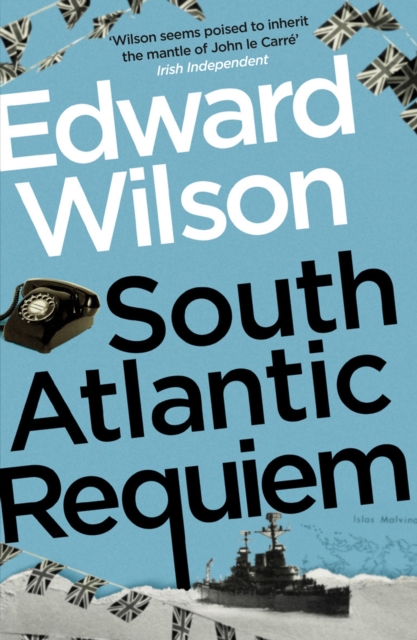
A brilliant, eye-opening espionage thriller by a former special forces officer 'now at the forefront of spy writing'The thinking person's John le Carr ' Tribune 'Edward Wilson seems poised to inherit the mantle of John le Carr ' Irish Independent'More George Smiley than James Bond, Catesby will delight those readers looking for less blood and more intelligence in their spy thrillers' Publishers WeeklyIt is 1982 and the British prime minister and the Argentine president are both clinging to power.
This is the story of an ordinary young man, unworldly, untried and patriotic, who enlisted at 18 in 1942 and became an infantryman specialising as a machine gunner with the Middlesex Regiment and later with the Cheshire Regiment.
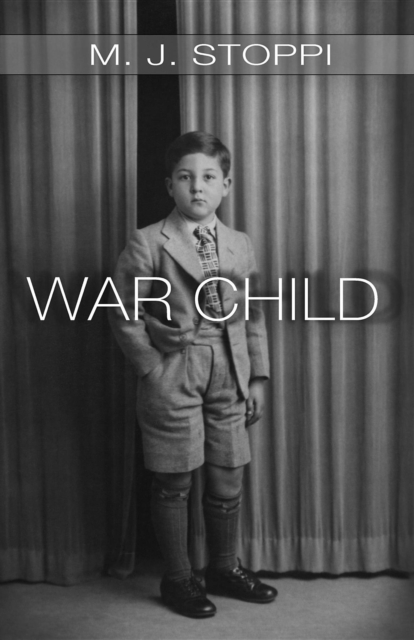
Perhaps tens of thousands of orphans of all nations, created as a result of World War Two, survived because of the kindness of others or by state intervention.
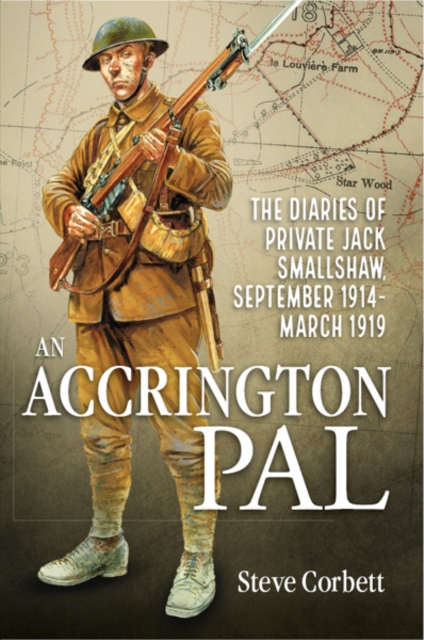
September 1914, and the whole of Europe was at war following the assassination of Archduke Franz Ferdinand and his beloved wife Sophie by Gavrilo Princip in Sarajevo on 28th June 1914.
Since 20 December 2001 - the date which marked the authorization of the International Security Assistance Force (ISAF) to assist the Afghan Government - hundreds of thousands of coalition soldiers from around 50 different states have physically been and served in Afghanistan.
As she lay in dry dock, devastatingly damaged by one of Hitler’s newly deployed magnetic mines after barely two months in service, few could have predicted the illustrious career that lay ahead for the cruiser HMS Belfast.
"Some twenty-five years after its conclusion, yet with its echoes resonating once more in contemporary East-West relations, the rigors and detail of many aspects of the Cold War are becoming increasingly of interest.
"Some twenty-five years after its conclusion, yet with its echoes resonating once more in contemporary East-West relations, the rigors and detail of many aspects of the Cold War are becoming increasingly of interest.
As she lay in dry dock, devastatingly damaged by one of Hitler’s newly deployed magnetic mines after barely two months in service, few could have predicted the illustrious career that lay ahead for the cruiser HMS Belfast.