First raised by his maternal grandmother and her four youngest sisters in the harbour city of Le Havre, in the English Channel, a boy, Jean, will discover later in tragic circumstances the love of his mother.
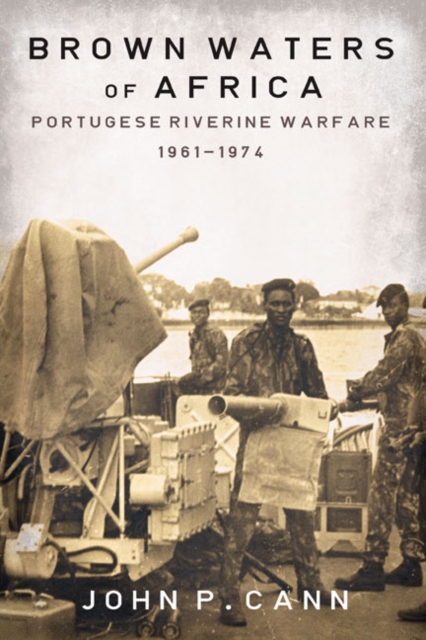
Following the 1952 reorganization of the Portuguese Air Force from the army and naval air arms, Portugal now had an entity dedicated solely to aviation that would bring it into line with its new NATO commitment.
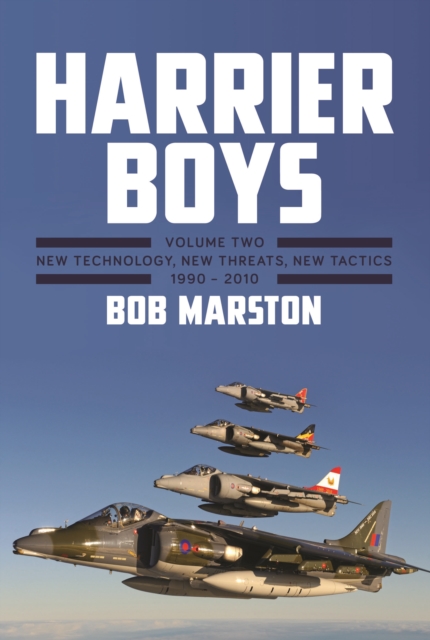
In the second volume of Harrier Boys, as with the first, the history of this remarkable aircraft in service with UK armed forces is illustrated through personal reminiscences of the people who worked with it.
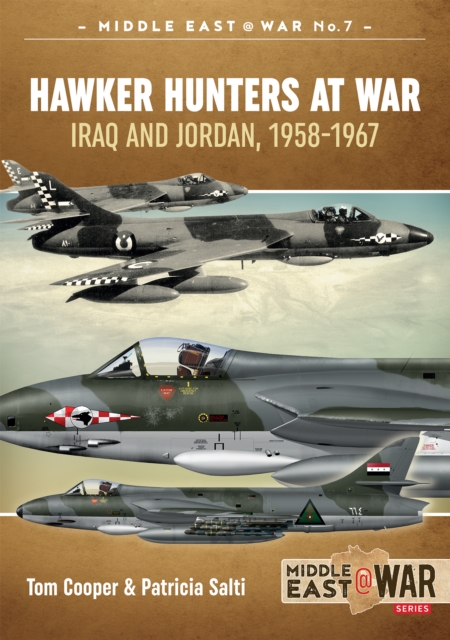
Designed by Sydney Camm as a swept wing, daytime interceptor with excellent maneuverability, the Hunter became the first jet aircraft manufactured by Hawker for the Royal Air Force.
Waffen-SS Armour in Normandy presents the combat history of SS-Panzer Regiment 12 and SS-Panzerjäger Abteilung 12 in the Battle for France from June to the end of August 1944 based on transcriptions of their original unit war diaries from the Military History Archives in Prague.
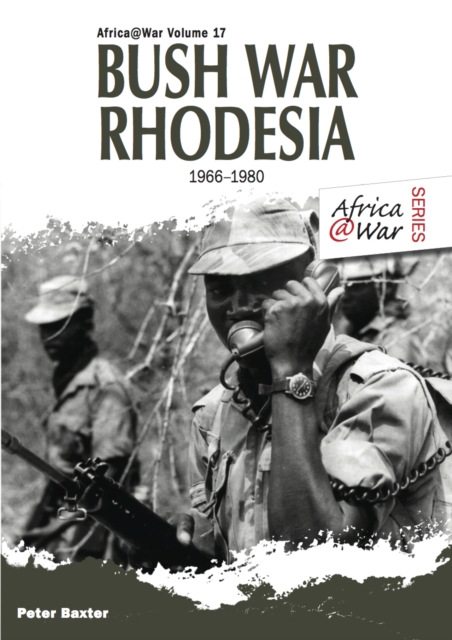
It has been over three decades since the Union Jack was lowered on the colony of Rhodesia, but the bitter and divisive civil war that preceded it has continued to endure as a textbook counterinsurgency campaign fought between a mobile, motivated and highly trained Rhodesian security establishment and two constituted liberations movements motivated, resourced and inspired by the ideals of communist revolution in the third world.
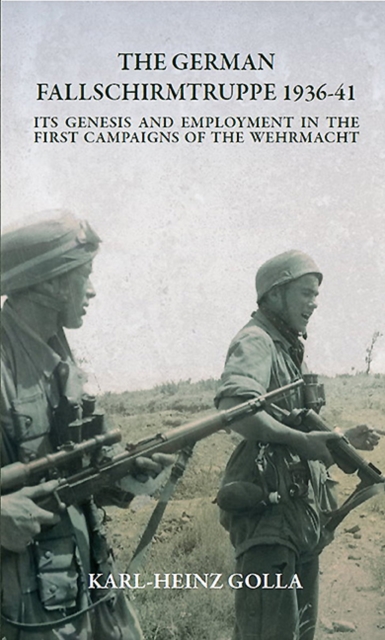
The Fallschirmtruppe of the Wehrmacht won recognition for their valor and endurance not only from their fellow German soldiers, but from their former enemies as well.
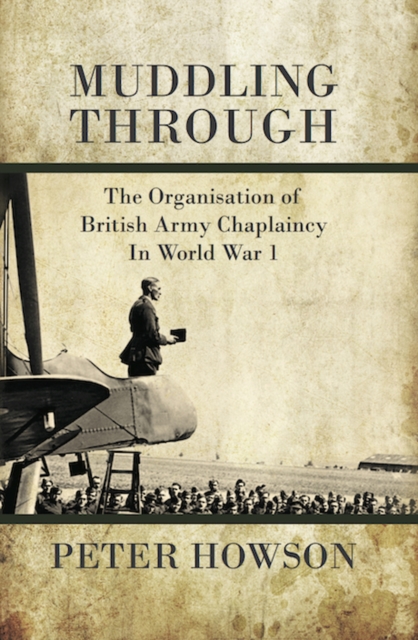
As with many other aspects of the British army the outbreak of World War One started a process of change that was to result in a radically different provision of chaplaincy care once the war was over.
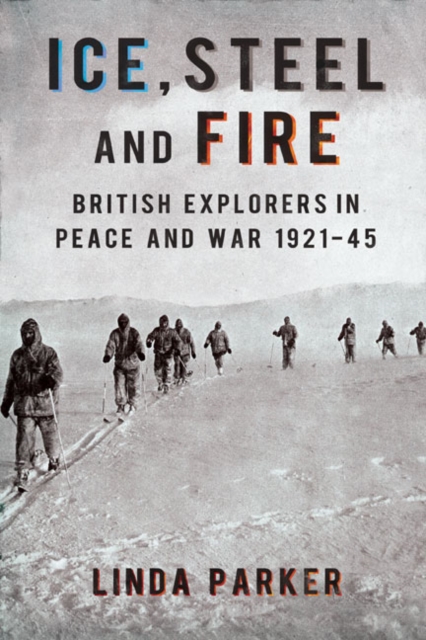
The generation that reached maturity in the inter war years had grown up in the shadow of the heroic age of Polar exploration and the sacrifices of a generation in the Great War.
It has been over three decades since the Union Jack was lowered on the colony of Rhodesia, but the bitter and divisive civil war that preceded it has continued to endure as a textbook counterinsurgency campaign fought between a mobile, motivated and highly trained Rhodesian security establishment and two constituted liberations movements motivated, resourced and inspired by the ideals of communist revolution in the third world.
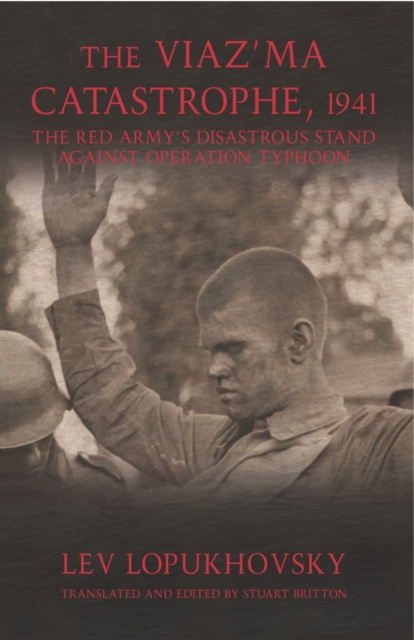
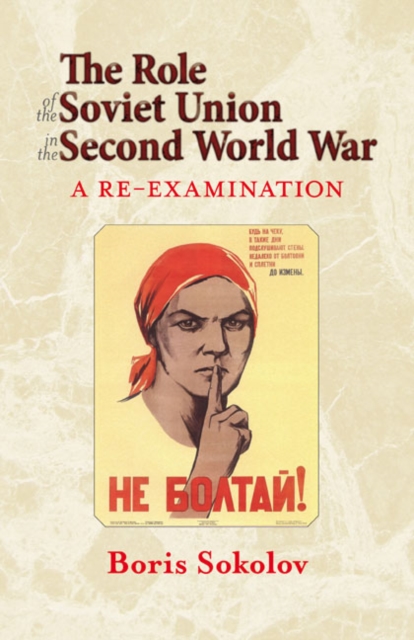
This book investigates several controversial issues regarding the role of the Soviet Union and the performance of the Soviet government and Red Army, to which the author provides some provocative answers.
In his monumental work Bloody Shambles, Volume Two, Christopher Shores described in detail the British retreat out of Burma, culminating at the end of May 1942.
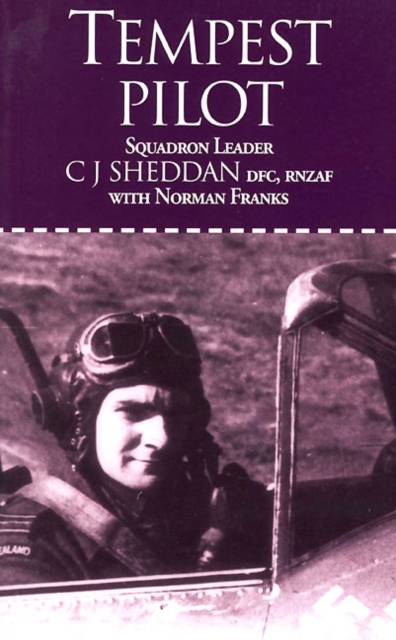
Jimmy Sheddan was one of the many New Zealanders who joined the RNZAF, then left his native land to come to England to fight the enemies of Great Britain and her Empire during World War Two.
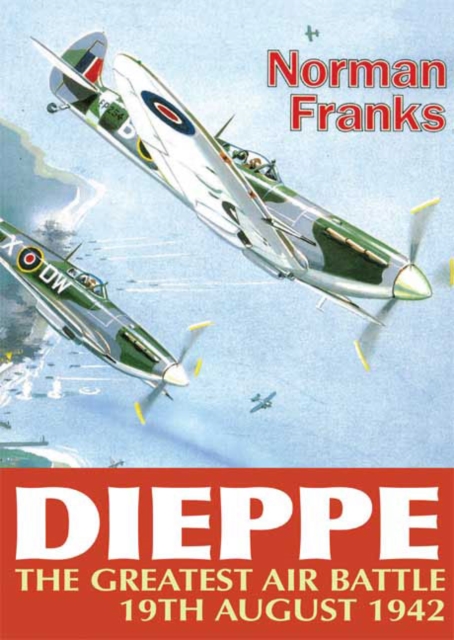
When Canadian troops and British Commandos made their now famous ‘reconnaissance in force’ against the harbor town of Dieppe on 19th August 1942, they were supported and protected by the largest array of Royal Air Force aircraft ever seen in WWII until that time.
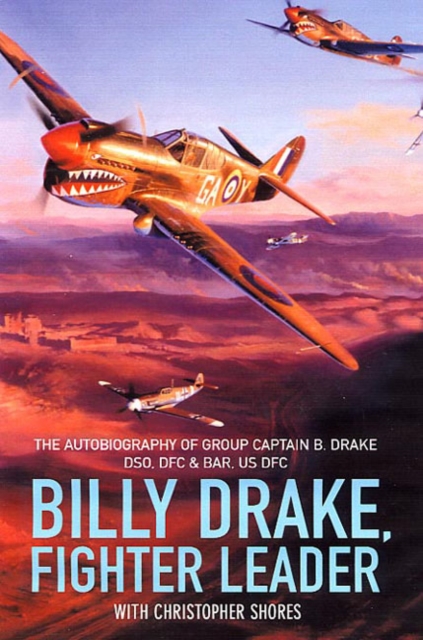
Born in London of an English father and Australian mother and educated in Switzerland, Billy Drake was to become one of the most illustrious RAF fighter pilots of World War II, indeed of all time.
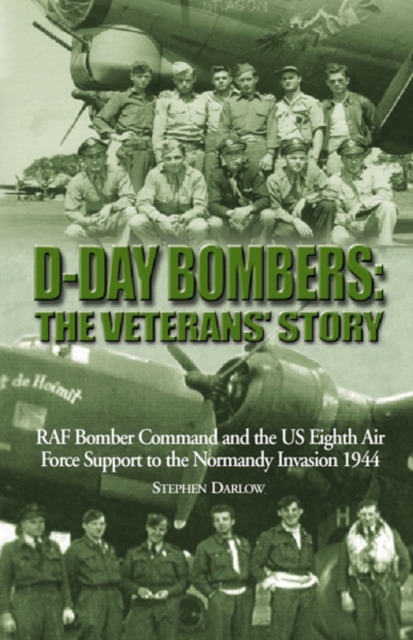
This book is largely an eye-witness account of the heavy bomber contribution to the success of the D-Day landings and therefore to the winning of the war in Europe.
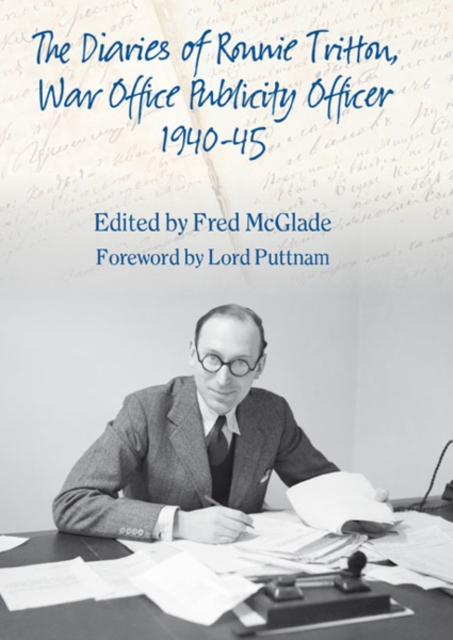
The diary kept by Ronald Edward Tritton is a revealing and often frank record of the internal conflicts at the Public Relations Department of the War Office and the Ministry of Information during the Second World War.
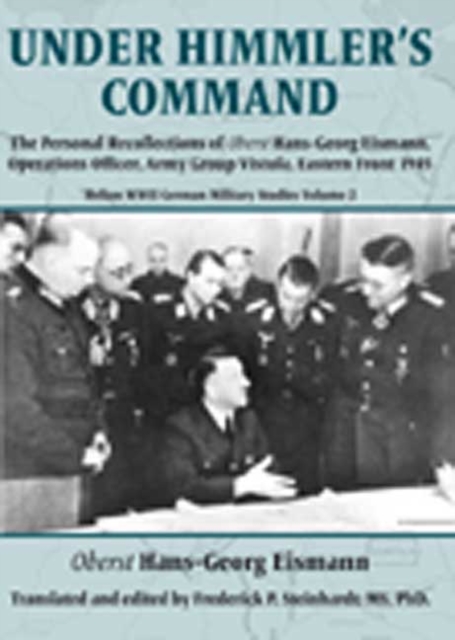
Under Himmler's Command addresses two areas of World War II hitherto neglected - Heinrich Himmler as a military commander, and the German staff officer corps during the last months of the war on the Eastern Front.
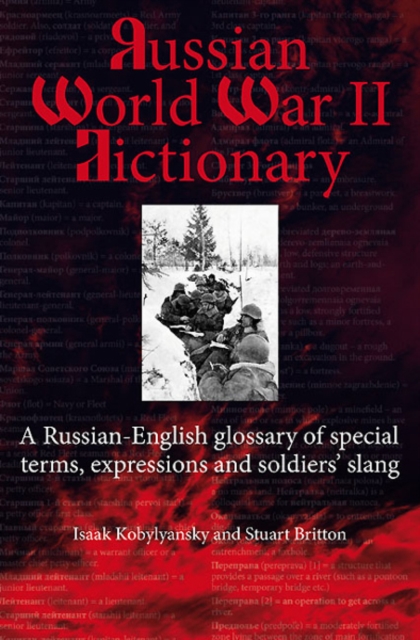
The Great Patriotic War (GPW) of the Soviet people against Nazi Germany, known in the West as the Eastern Front of WWII, continues to attract a number of military historians from different countries around the world.
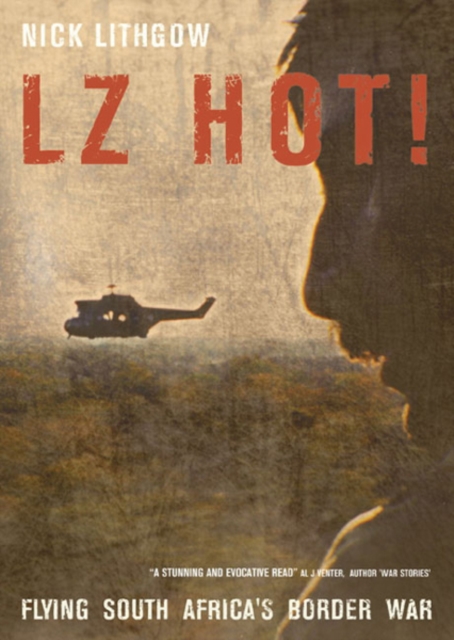
This book captures the experience of the South African Air Force helicopter pilot as never before; from 'rookie' to seasoned combat aviator in one of history's most intense counterinsurgency conflicts - the South African Border War.
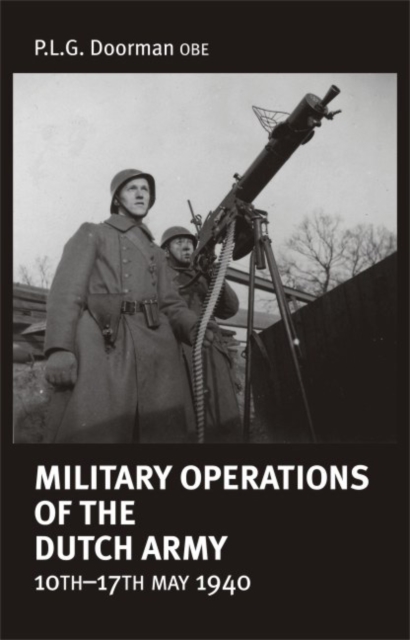
Most studies of the 1940 Western Campaign have tended to focus on a narrow range of topics, principally those relating the German forces or the epic of Dunkirk.
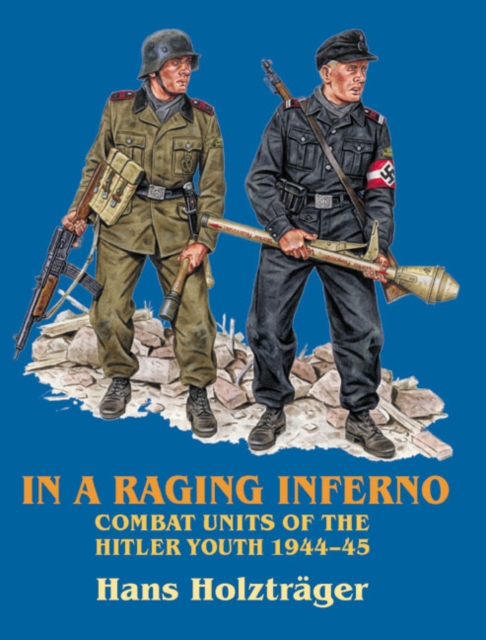
Translated from German, In a Raging Inferno is the first English-language book ever to recount the story of the Hitler Youth and its combat role at the end of World War II.
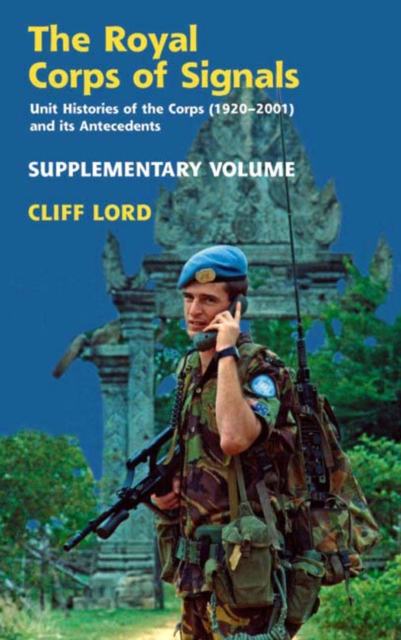
With the interest shown in "The Royal Corps of Signals: Unit History (1920-2001) and their Antecedents", it was decided to extend the work to include some of the principal Commonwealth Signal Corps, and to provide supplemental data regarding British Signals that has come to light since the original volume was published.