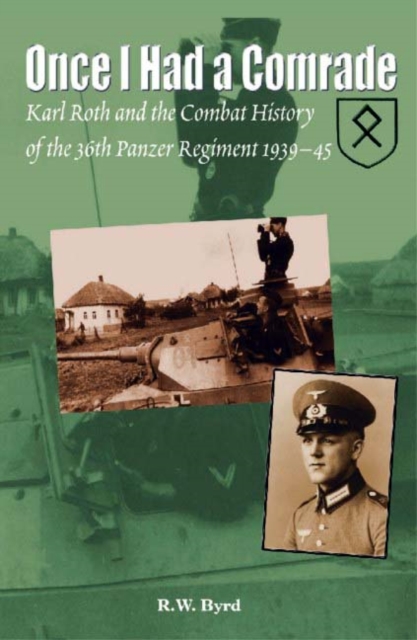
Once I Had a Comrade is the story of the author's German father-in-law, Karl Roth, who grew up during the tumultuous 1930s in the Franconian town of Schweinfurt, located in northern Bavaria, and of his regiment, 36th Panzer Regiment.
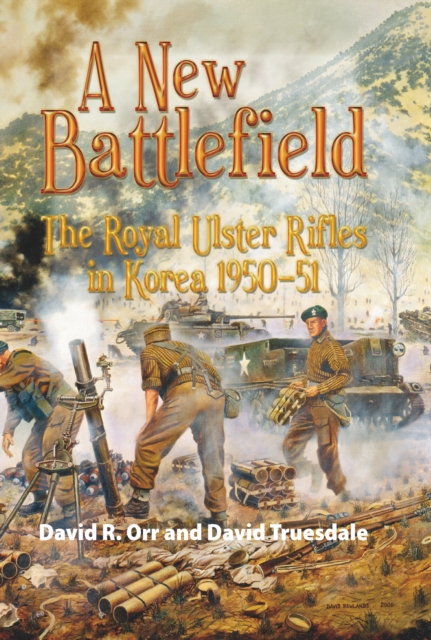
Since the publication of The Rifles Are There in 2005, which dealt with the 1st and 2nd Battalions Royal Ulster Rifles in the Second World War, it was felt by many that a follow up volume dealing with the Korean conflict was overdue.
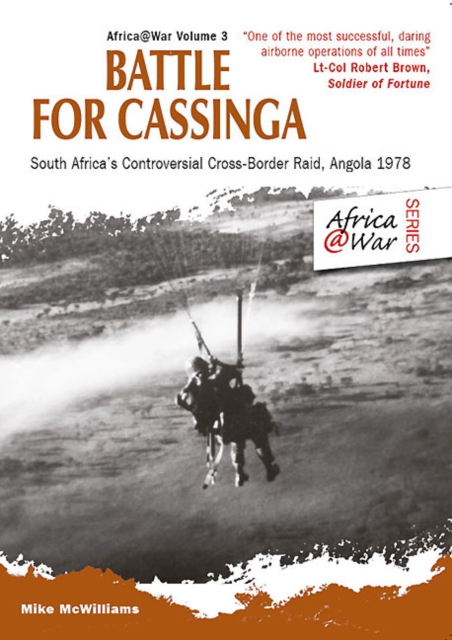
Battle for Cassinga is written as a firsthand account by an ordinary South African paratrooper who was at the 1978 assault on the Angolan headquarters of PLAN, the armed wing of SWAPO.
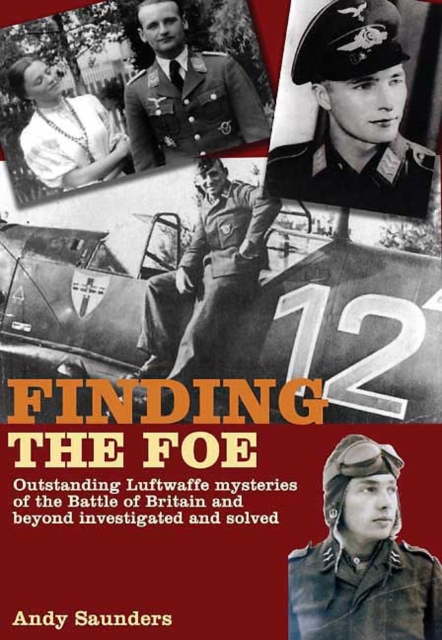
A follow-up to Finding the Few, this companion volume deals with the postwar discovery and recovery of wartime Luftwaffe aircrew who were downed and lost over the UK, most of them during 1940s.
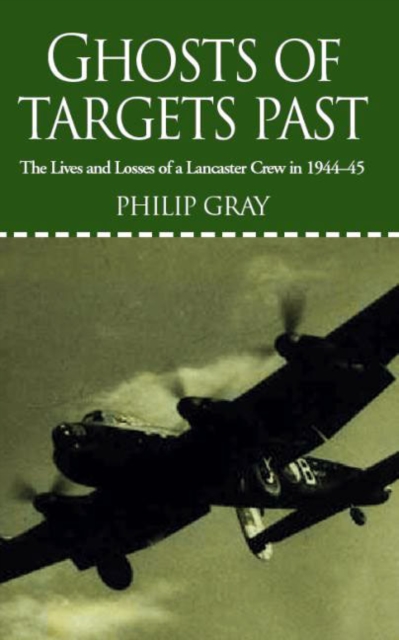
In the later years of the Second World War Germany was subjected to a tremendous onslaught by the bomber commands of both the RAF and USAAF, as well as being assaulted by land.
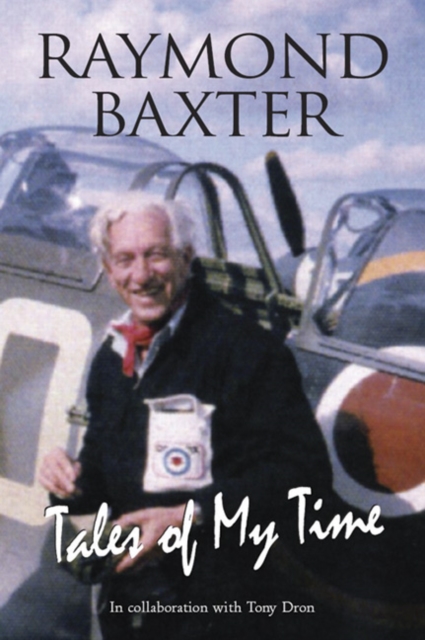
Raymond Baxter, WW2 fighter pilot, postwar radio and TV commentator at major events from motor races to great State occasions, was later the famous presenter of television’s Tomorrow’s World.
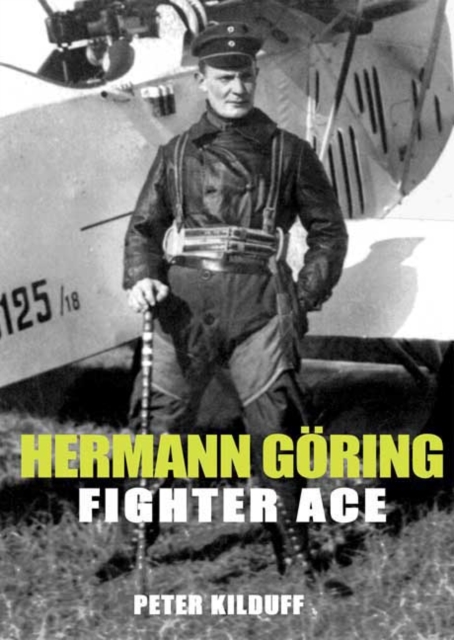
Over the last 70 years, in countless books and essays, Hermann Göring has been defined by his crimes and excess during the Third Reich and the Second World War.
The real Top Gun - the dramatic account of the US Navy's fighter pilots and how they took back the skies over VietnamIn the darkest days of the Vietnam War, the US Navy's kill ratio had fallen to 2:1 - a deadly decline in pilot combat effectiveness.
Whether or not Henry Sinclair Horne was the ‘silent’ General he might certainly, if he were still alive, lay claim to being the ‘forgotten’ General of the Western Front.
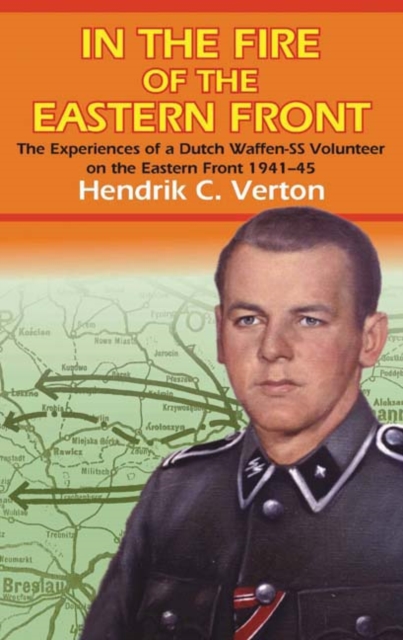
Dutch SS accounts are very rare, particularly ones such as this, covering recruitment, training, and frontline service first with 5th SS Panzer Division 'Wiking', then later with SS Regiment Besslein.
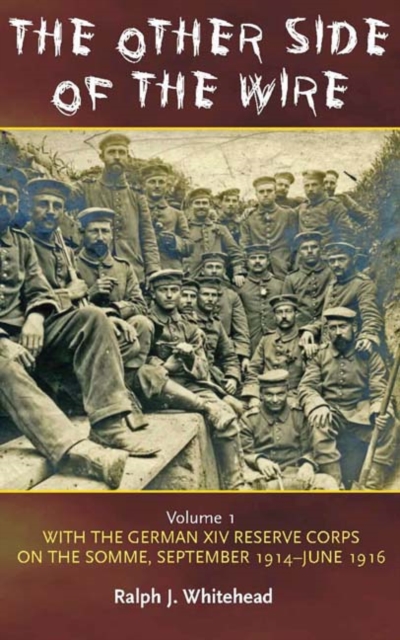
The first volume in the new Helion Library of the Great War, a series designed to bring into print rare books long out-of-print, as well as producing translations of important and overlooked material that will contribute to our knowledge of this conflict.
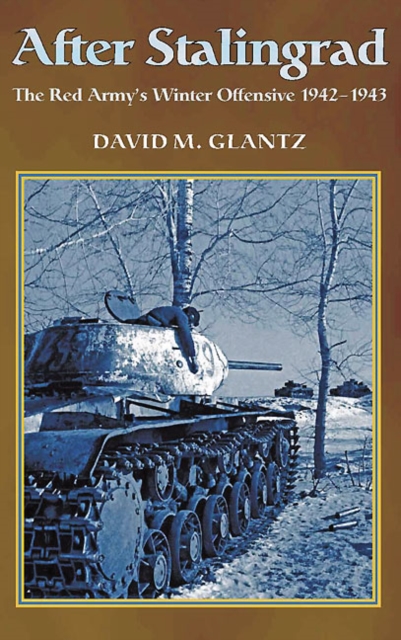
In the wake of the Red Army's signal victory at Stalingrad, which began when its surprise counteroffensive encircled German Sixth Army in Stalingrad region in mid-November 1942 and ended when its forces liquidated beleaguered Sixth Army in early February 1943, the Soviet High Command (Stavka) expanded its counteroffensive into a full-fledged winter offensive which nearly collapsed German defenses in southern Russia.
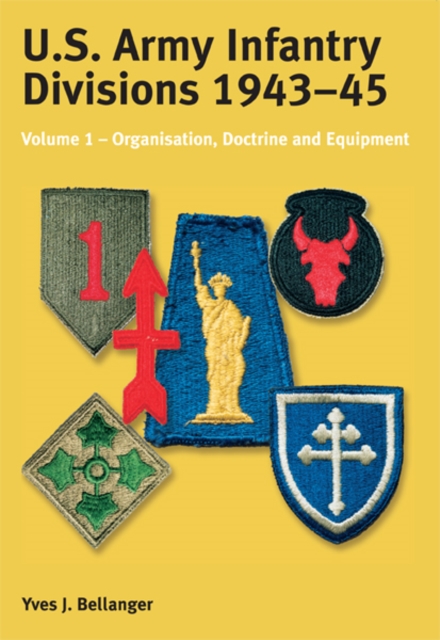
In the first of a two-volume study, the author presents an extremely detailed record of the Organisation, doctrine and equipment of US Army infantry divisions during the latter part of World War II.
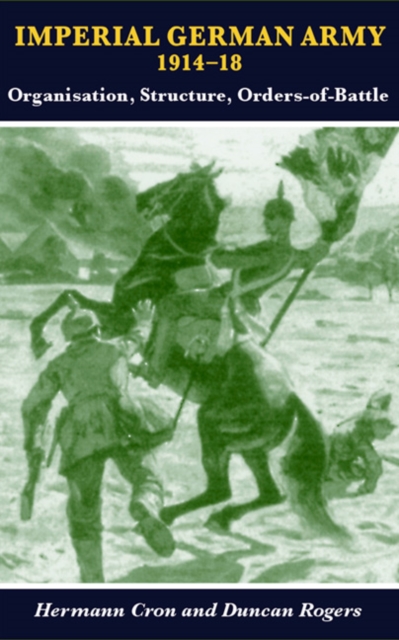
A detailed account of the composition, structure and Organisation of the First World War German Army has long been needed by English-language readers - this work will fill this gap admirably.
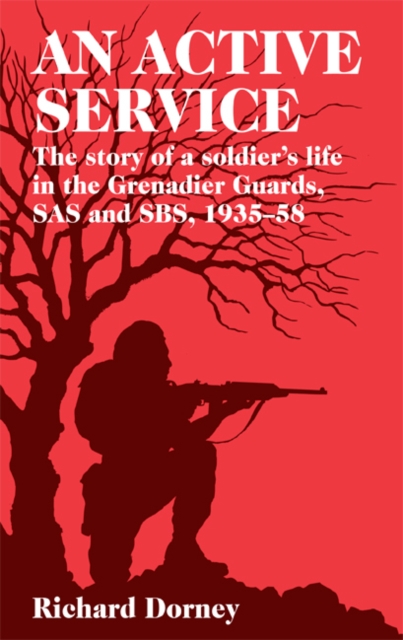
An Active Service' traces a young Sid Dowland from civilian life into the tough environment of the Guards Depot in the 1930's and then on to a Guards service Battalion in London and prewar Egypt.
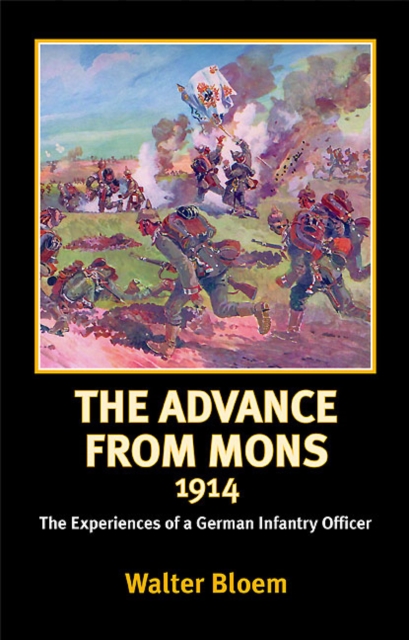
Here is an outstanding personal memoir penned by a German infantry officer recalling his experiences during the initial days and weeks of the war in the West, July-September 1914.
The year of 1914 had been a difficult one for the British Expeditionary Force, the war that had started in August had not been over by the expected time of Christmas.
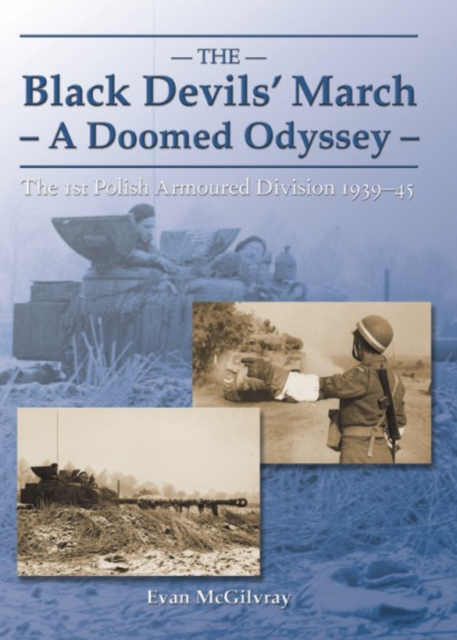
The Black Devils March is an account of how the 1st (and only) Polish Armoured Division in the West under the leadership of General Stanislaw Maczek, arose out of the ashes of defeat and while attempting to avoid the internal politics of the Polish Government in Exile, was able to return to Europe in August 1944 on the side of the Western Allies.
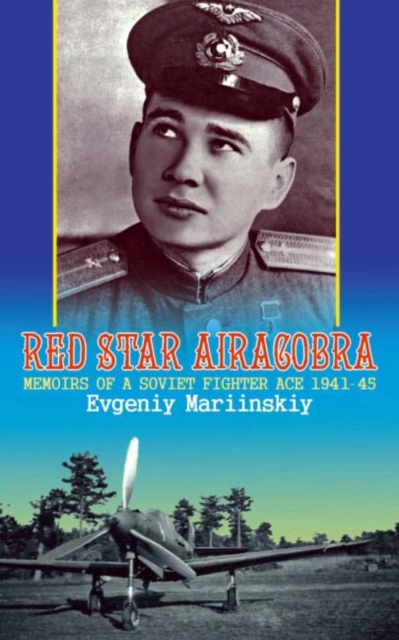
Evgeniy Mariinskiy, a Soviet fighter ace and Hero of the Soviet Union, shot down 20 enemy planes in aerial combat over the Eastern Front between 1943 and 1945.
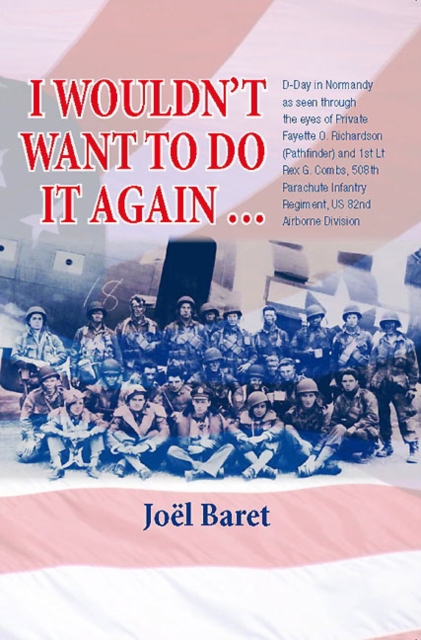
Based on the written testimonies and personal archives of two veterans of the 508th Parachute Infantry Regiment attached to the famous US 82nd Airborne Division, this book tells the story of two young Americans who unwittingly became actors in one of the greatest crusades against tyranny the world has ever known.
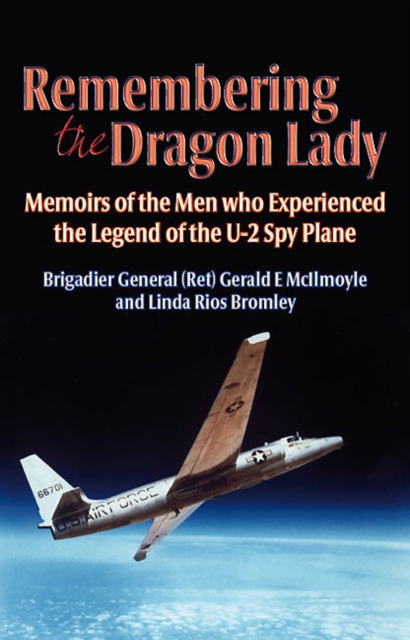
With heightened tensions mounting in the Cold War, President Dwight Eisenhower's request for more accurate intelligence information on the Soviet Union was the spark that ignited the U-2 project.
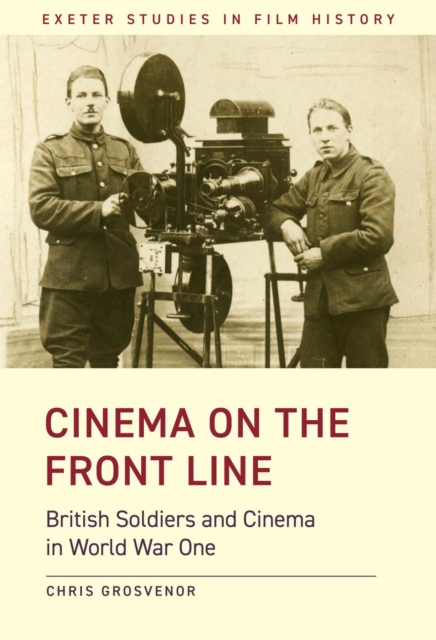
At the beginning of the Second World War the Nazi hierarchy at an early stage, had fully recognized the importance of controlling the depiction of military conflict in order to ensure the continued morale of their combat troops by providing a bridge between the soldiers and their families.
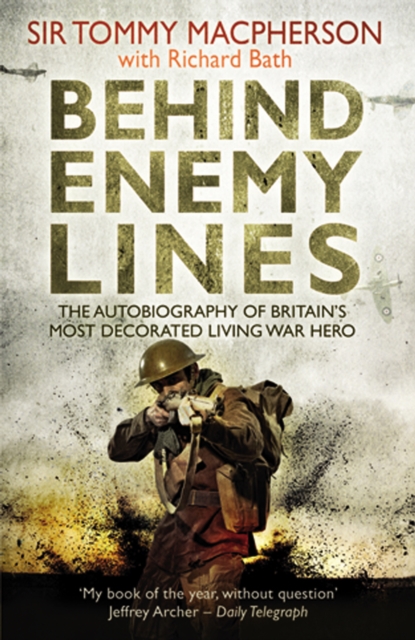
With three Military Crosses, three Croix de guerre, a L gion d'honneur and a papal knighthood for his heroics during the Second World War, Sir Tommy Macpherson is the most decorated living soldier of the British Army.
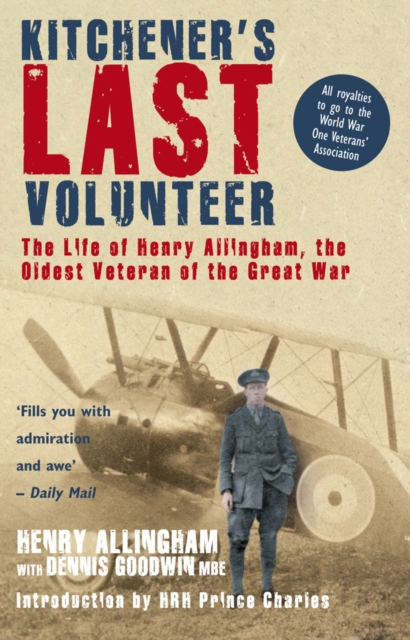
Henry Allingham is the last British serviceman alive to have volunteered for active duty in the First World War and is one of very few people who can directly recall the horror of that conflict.
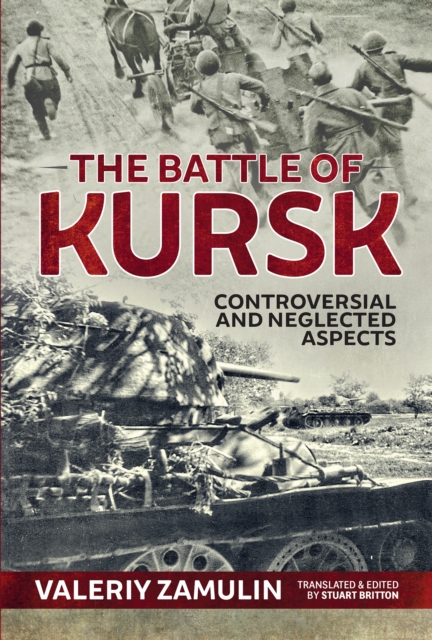
In this book, noted historian of the Battle of Kursk Valeriy Zamulin, the author of multiple Russian-language books on the Battle of Kursk and Destroying the Myth: The Tank Battle at Prokhorovka, Kursk, July 1943: An Operational Narrative takes a fresh look at several controversial and neglected topics regarding the battle and its run-up.
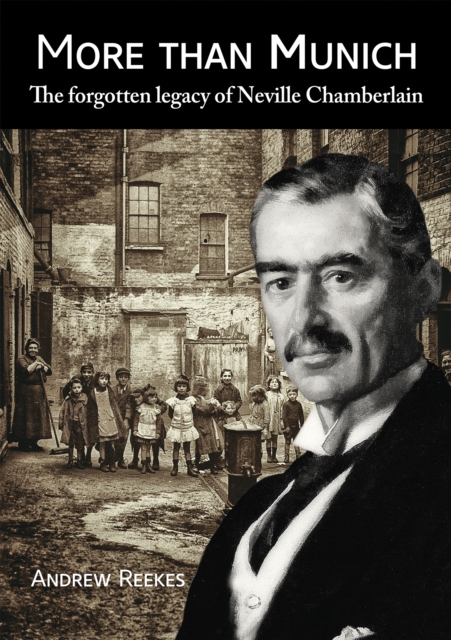
In 1938 rapturous crowds greeted Prime Minister Neville Chamberlain when he proclaimed “Peace for our time” on his return from meeting Adolf Hitler in Munich.
In 1938 rapturous crowds greeted Prime Minister Neville Chamberlain when he proclaimed “Peace for our time” on his return from meeting Adolf Hitler in Munich.
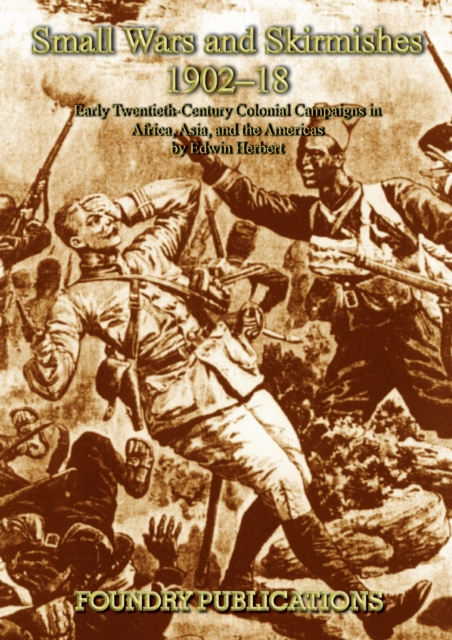
This is the first of a two volume series covering early twentieth century colonial campaigns in Africa, Asia and the Americas, ranging from Mexico and the Philippines to Africa and the North West Frontier.
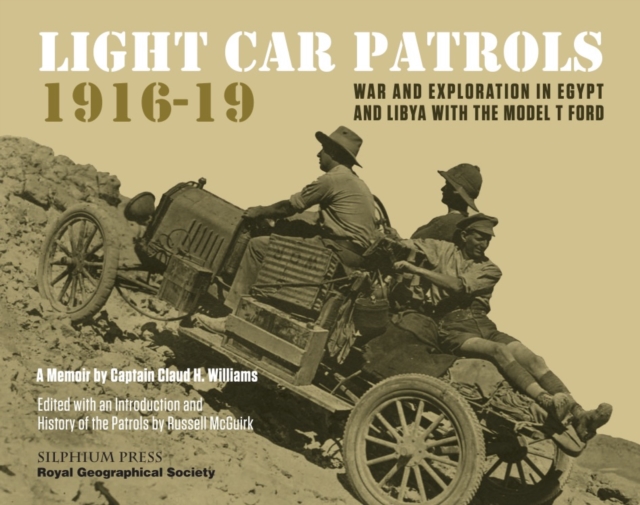
Captain Claud Williams’ memoir tells, firsthand, what it was like to be a Light Car Patrol commander during the First World War, while Russell McGuirk’s commentary provides the historical background to the formation of the Patrols and follows their activities from the British raid on Siwa Oasis to desert exploration and survey work and the Kufra Reconnaissance Scheme.
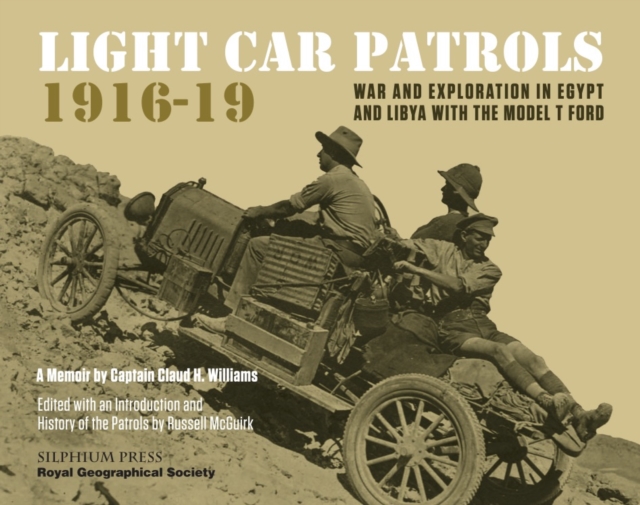
Captain Claud Williams’ memoir tells, firsthand, what it was like to be a Light Car Patrol commander during the First World War, while Russell McGuirk’s commentary provides the historical background to the formation of the Patrols and follows their activities from the British raid on Siwa Oasis to desert exploration and survey work and the Kufra Reconnaissance Scheme.
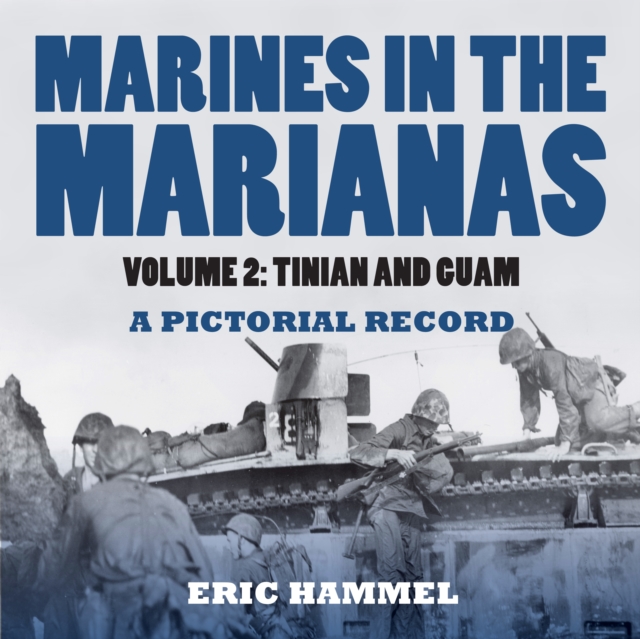
The American mid-1944 campaign in the Mariana Islands was an important strategic step that placed Tokyo and the rest of Japan’s industrial heartland within range of the new U.
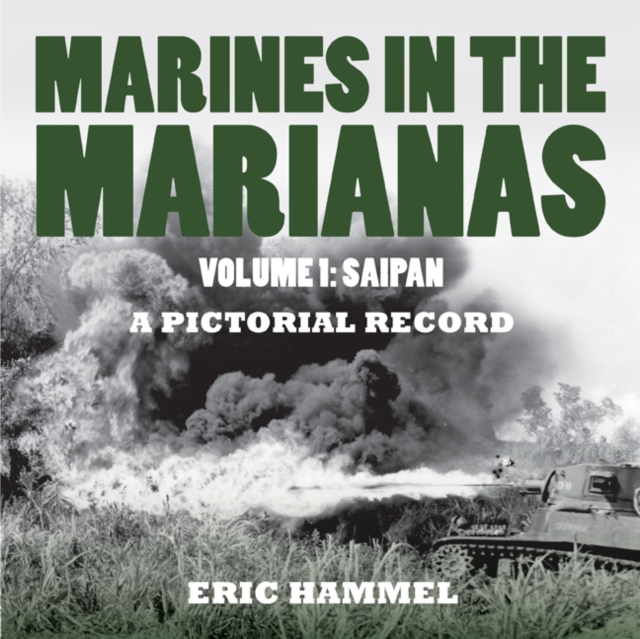
The American mid-1944 campaign in the Mariana Islands was an important strategic step that placed Tokyo and the rest of Japan’s industrial heartland within range of the new U.
Conceived as a visual record rather than a definitive history, The Steel Wedge is a substantial photographic archive—246 photos, many never before published—focused on the coming of age of U.
Even in as bloody and bluntly violent a war as Americans encountered in the Pacific, Iwo Jima, the ultimate expression of death and mayhem, stands out.