The story of a group of idealistic British volunteers who achieved the first victory against Fascism the greatest unknown turning point of the 20th century.
From the mid-1960s until the end of the Cold War, the United States Air Force acquired and flew Russian-made MiG jets, eventually creating a secret squadron dedicated to exposing American fighter pilots to enemy MiGs.
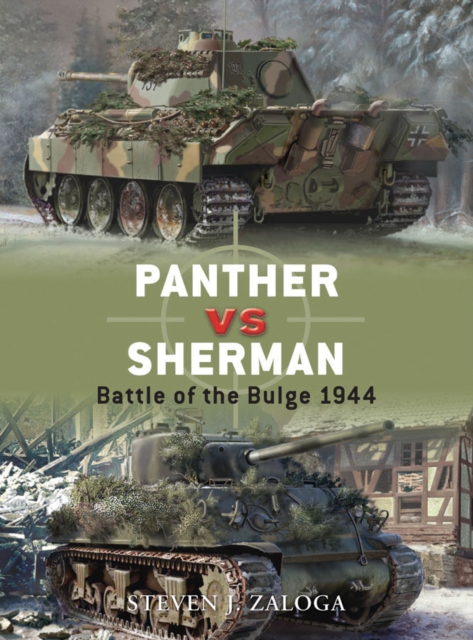
Steven J Zaloga offers a fascinating comparison between the two most important tanks involved in the crucial fighting of 1944, the American Sherman and the German Panther.
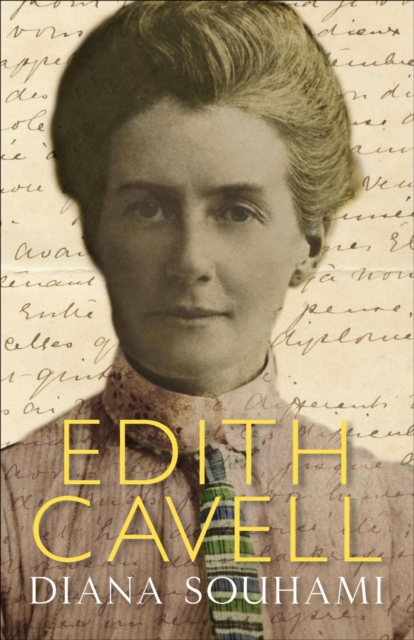
Edith Cavell was born in 1865, daughter of a Norfolk vicar, and shot in Brussels on 12 October 1915 by the Germans for sheltering British and French soldiers and helping them escape over the Belgian border.
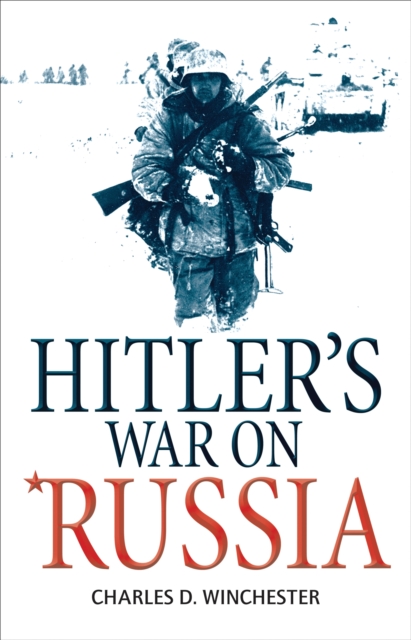
An examination of the German campaign on the Eastern Front, from their first significant defeat at the gates of Moscow in 1941 to the defeat at Stalingrad and the Russian capture of Berlin marking the end of the war in Europe.
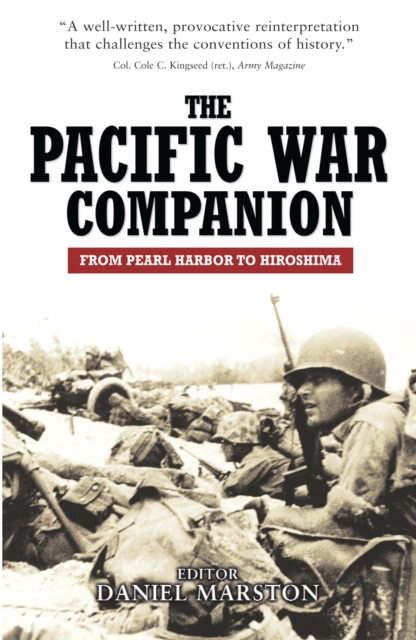
A remarkable series of over 200 eye-witness accounts taken from diaries, letters, speeches, interviews and memoirs of those who were there: pilots, sailors, generals, infantrymen, war correspondents and leaders.
THE TRUE STORY OF THE 41,000 BRITISH SOLDIERS WHO WERE LEFT BEHIND AFTER THE EVACUATION OF DUNKIRK, MAY 1940'Meticulously researched, very well written and deeply moving' Andrew Roberts'Few readers will be unmoved by Sean Longden's account' Dominic SandbrookAt 2am on the morning of the 3rd of June 1940, General Harold Alexander searched along the quayside, holding onto his megaphone and called "e;Is anyone there?
THE FIRST NOVEL IN 'ONE OF THE MOST DISTINGUISHED LITERARY SERIES IN RECENT TIMES' (SUNDAY TELEGRAPH)'His masterpiece'Sunday Times'Outstandingly good'Scotsman'A great achievement'ObserverWhen Sam Richardson returns in 1946 from the 'Forgotten War' in Burma to Wigton in Cumbria, he finds the town little changed.
In this joint volume of Caucausian fiction, two friends from opposing sides of the unresolved Georgian-Abkhaz conflict join forces to craft a poignant anti-war narrative that spans borders and transcends political divides.
An action-packed biography of "e;one of the legitimate storybook heroes of World War II"e; and the special forces regiment he founded (The New York Times).
This magnificent Pulitzer Prize-winning history, told primarily from the Japanese viewpoint, traces the dramatic fortunes of the Empire of the Sun from the invasion of Manchuria to the dropping of the atomic bombs, demolishing many myths surrounding this catastrophic conflict.
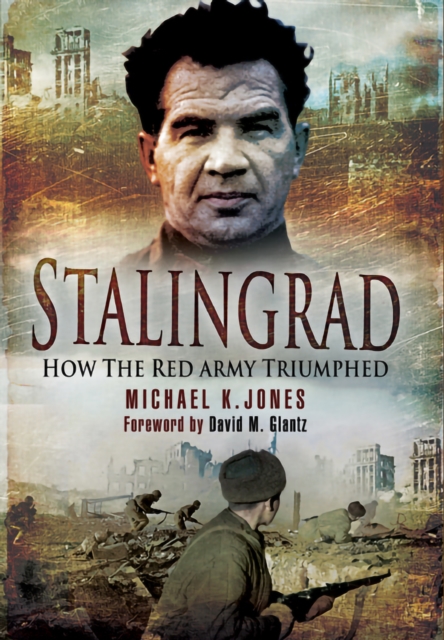
The acclaimed historian offers a radical reinterpretation of the WWII Battle of Stalingrad using eyewitness accounts and newly uncovered archival material.
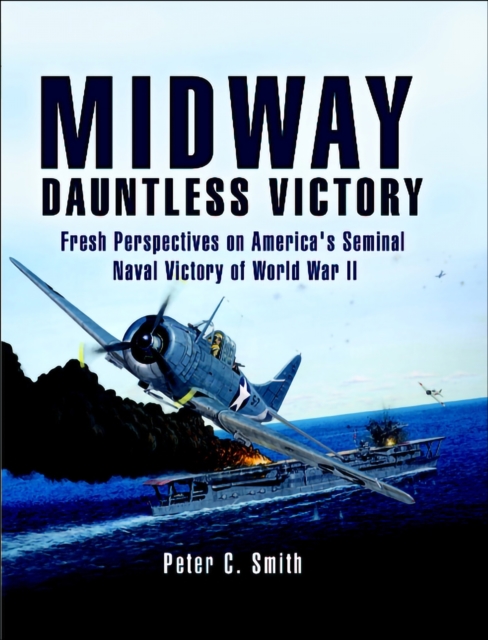
This is an in-depth study of the battle of Midway that reviews the many previous accounts and compares their accuracy and veracity with fresh documentation that has been released recently, including new material on the post-war analysis made by a US select committee.
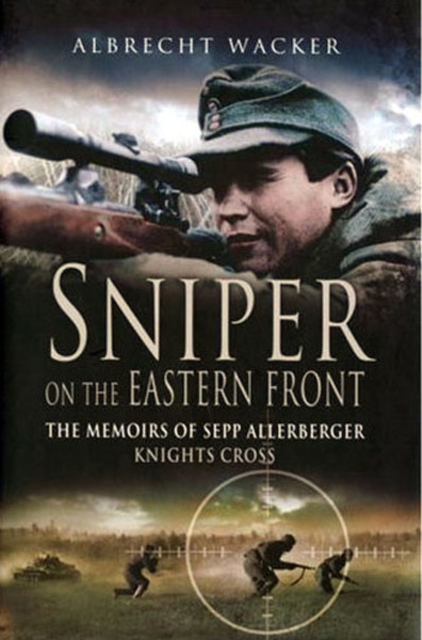
A biography of the second most successful sniper of the German Wehrmacht and one of the few private soldiers to be honored with the Knights Cross award.
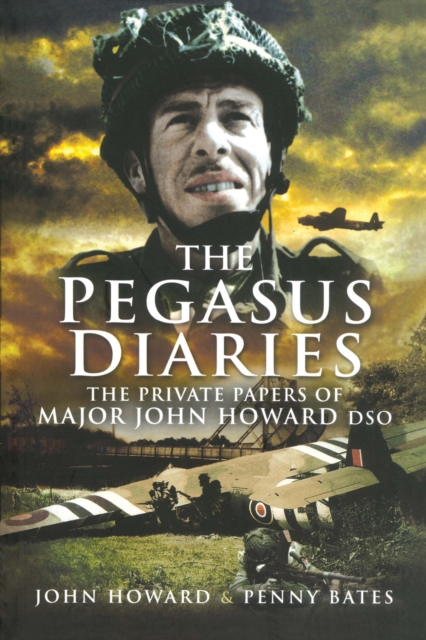
John Howard’s name will forever be linked to the highly successful Pegasus Bridge assault by his glider-born company of the Oxfordshire and Buckinghamshire Light Infantry.