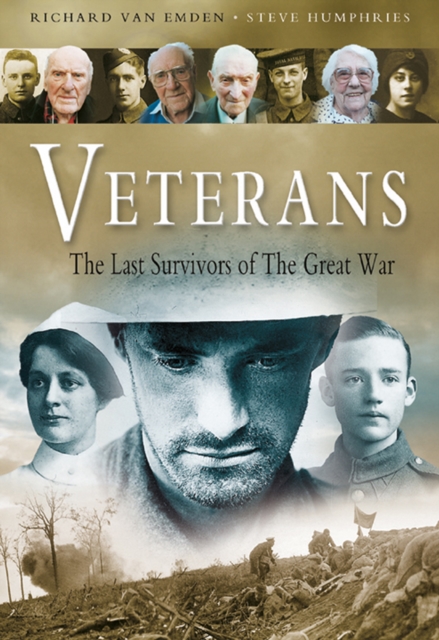
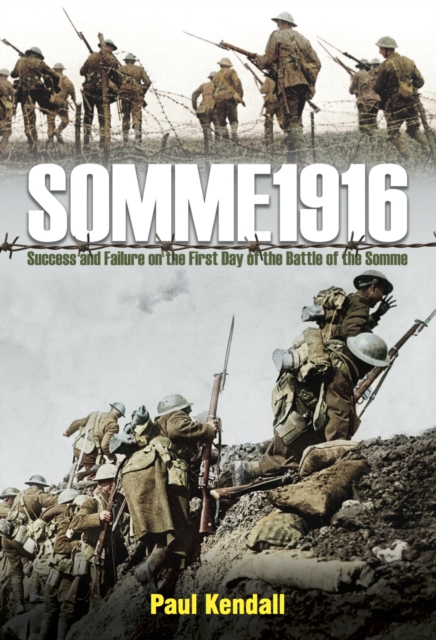
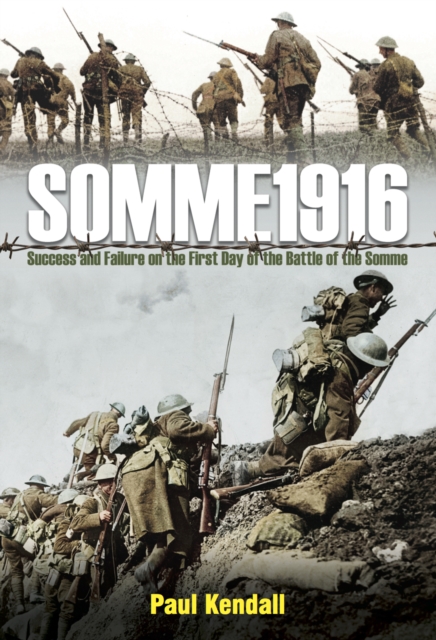
Using the veterans own words and photographs, the book brings to life a mixture of their excitement of embarkation for France, their unbound optimism and courage, the agony of the trenches, and numbing fear of going over the top.
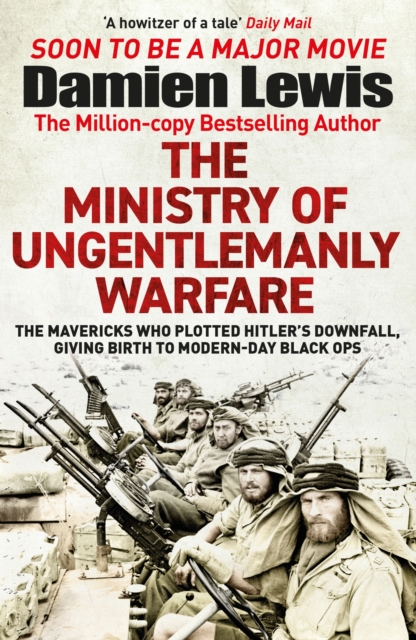
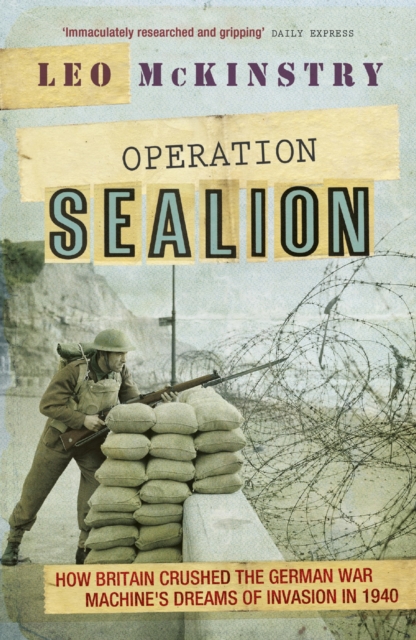
One of the most remarkable stories in the history of Special Forces' operations - Daily ExpressIn the bleak moments after defeat on mainland Europe in winter 1939, wartime leader Winston Churchill knew that Britain had to strike back hard.
Few people alive today had direct experience of the First World War, and yet it seems embedded in the collective consciousness of the combatant nations as a warning to future generations of the futility of military conflict.
The early battles of the First World War during the autumn and winter of 1914 were open, mobile affairs of the kind long familiar to professional soldiers.
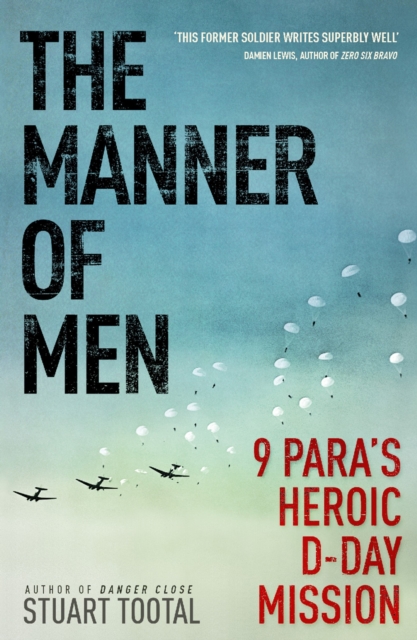
In June 1944, an elite unit of British paratroopers was sent on a daring and highly risky behind-the-lines mission, which was deemed vital to the success of D-Day.
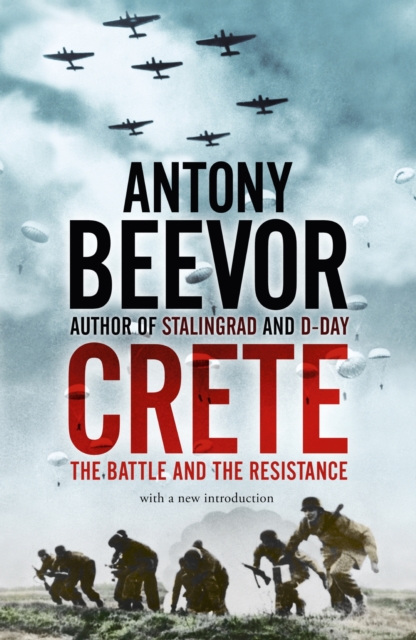
Acclaimed historian and best-selling author Antony Beevor vividly brings to life the epic struggles that took place in Second World War Crete - reissued with a new introduction.
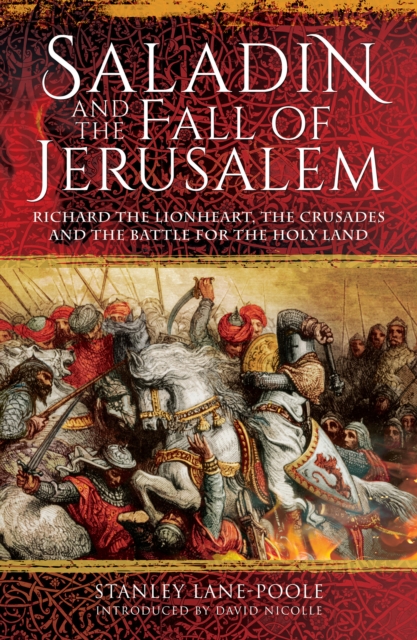
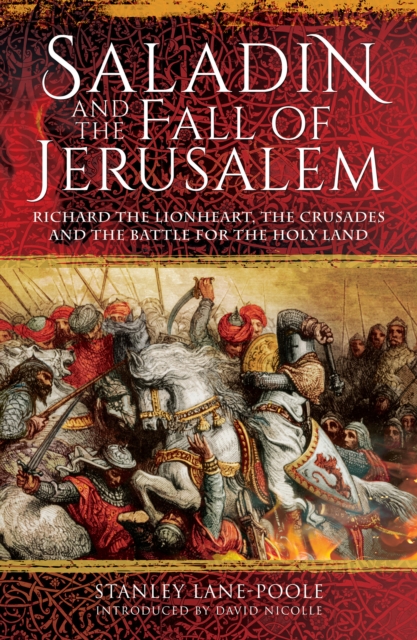
In HOLY WAR, the final book of the Saladin Trilogy, telling the story of the legendary war leader who united Arabia, Saladin recaptures Jerusalem from the Crusaders, and prepares for his ultimate battle against Richard the Lionheart.
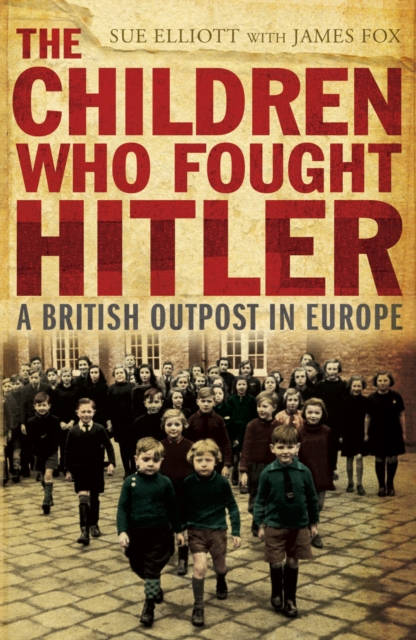
Few people know that Ypres, centre of First World War remembrance, was once home to a thriving British community that played a heroic role in the Second World War.
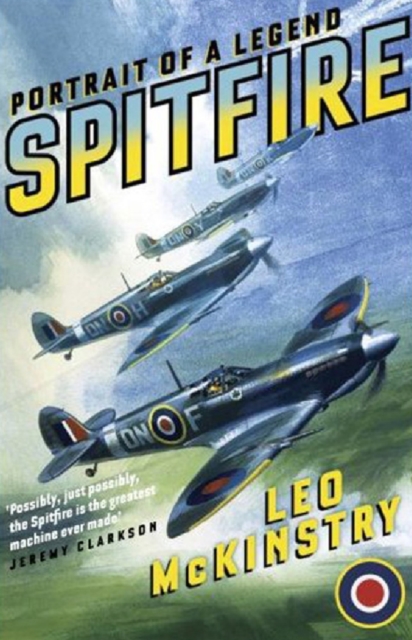
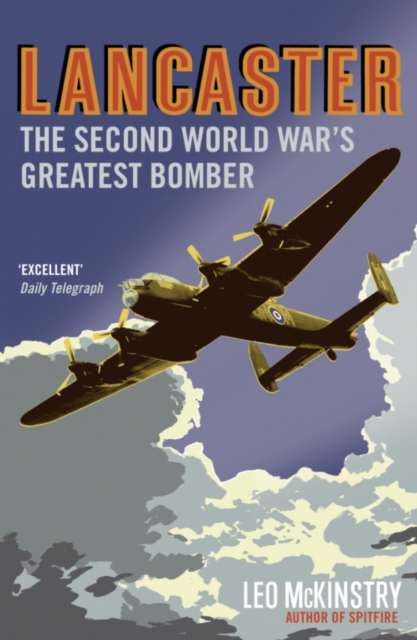
The Spitfire and the Lancaster were the two RAF weapons of victory in the Second World War, but the glamour of the fighter has tended to overshadow the performance of the heavy bomber.
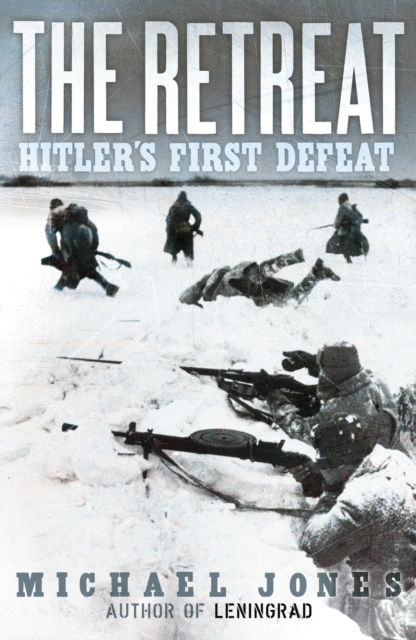
At the moment of crisis in 1941 on the Eastern front, with the forces of Hitler massing on the outskirts of Moscow, the miraculous occurred: Moscow was saved.
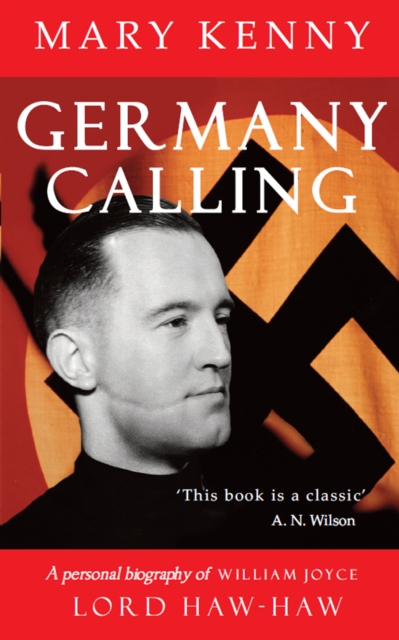
Mary Kenny’s stunning biography of the notorious Lord Haw-Haw is the most intimate, revealing and dramatic account yet of one of the twentieth century’s most infamous lives.
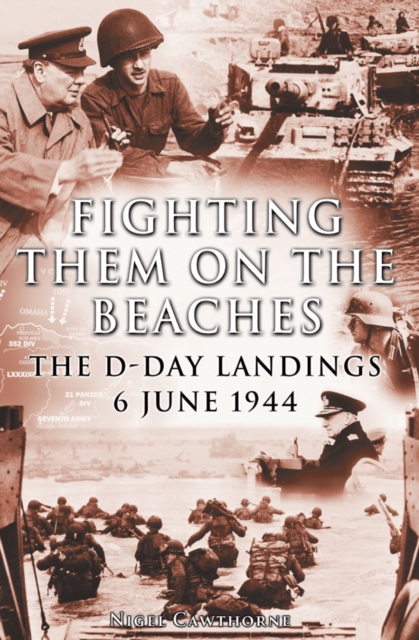
In Dawn of D-Day David Howarth weaves together the testimony of hundreds of eye-witnesses and has produced a breath-taking and atmospheric account of the greatest amphibious landing ever attempted.
In Dawn of D-Day David Howarth weaves together the testimony of hundreds of eye-witnesses and has produced a breath-taking and atmospheric account of the greatest amphibious landing ever attempted.
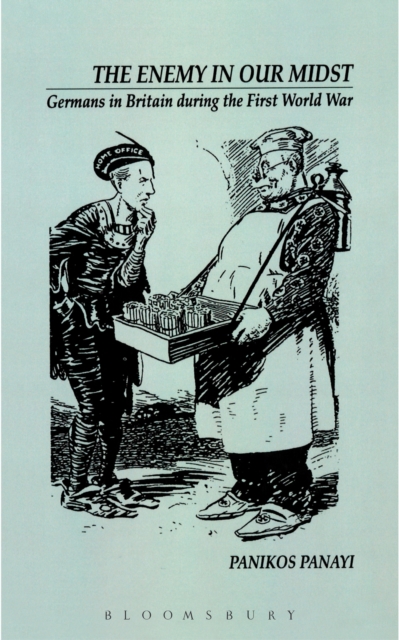
With the approach of the First World War, the German community in Britain began to be assailed by a combination of government measures and popular hostility which resulted in attacks against individuals with German connections and confiscation of their property.