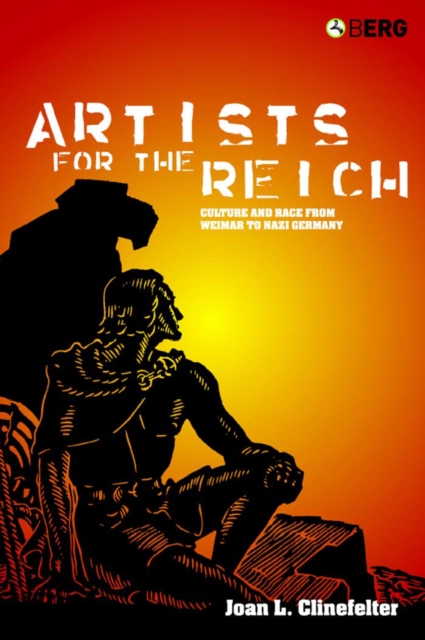
While we often think about talented artists fleeing the clutches of the Nazi regime - forced out or sickened by the strictures placed upon them - we rarely consider those artists who willingly stayed behind.
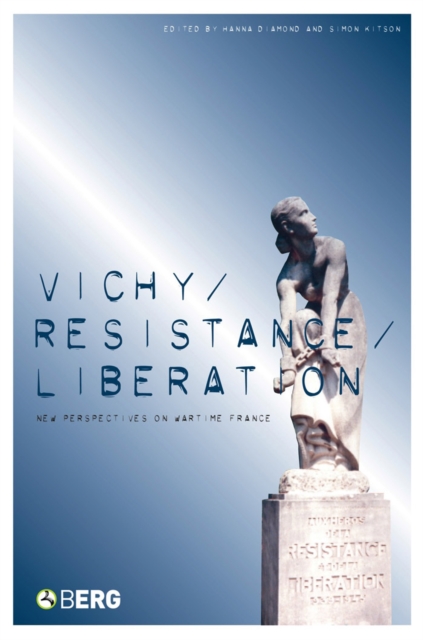
Bringing together key international scholars, Vichy, Resistance, Liberation: New Perspectives on Wartime France offers original insight into this critical period of modern France.
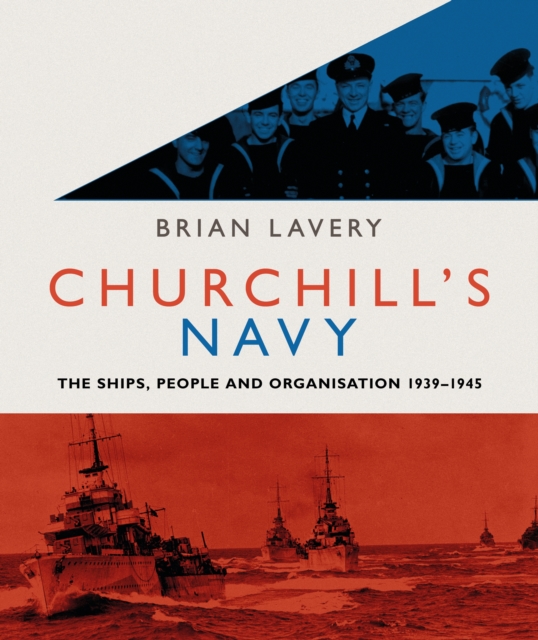
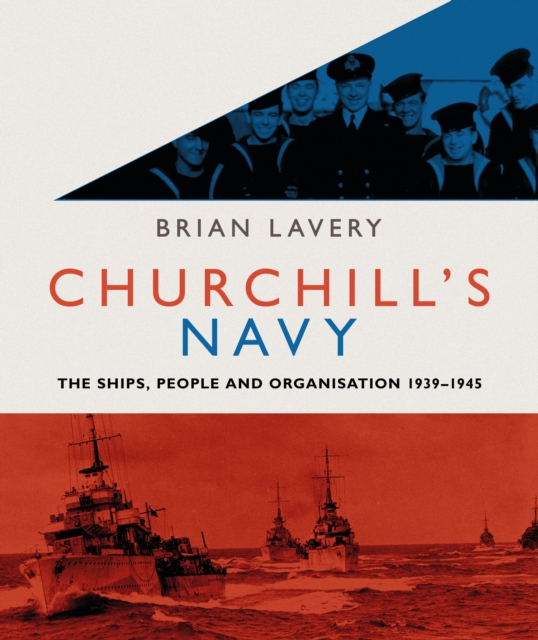
In this remarkable book, now reissued in paperback, Brian Lavery examines every aspect of the Royal Navy, both ashore and at sea, during the Second World War, and casts a lucid eye over the strengths and weaknesses of an organisation that was put under acute strain during the period, yet rose to the challenge with initiative and determination.
In this remarkable book, now reissued in paperback, Brian Lavery examines every aspect of the Royal Navy, both ashore and at sea, during the Second World War, and casts a lucid eye over the strengths and weaknesses of an organisation that was put under acute strain during the period, yet rose to the challenge with initiative and determination.
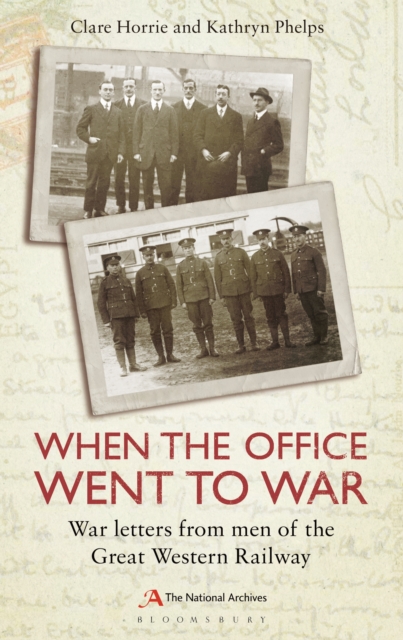
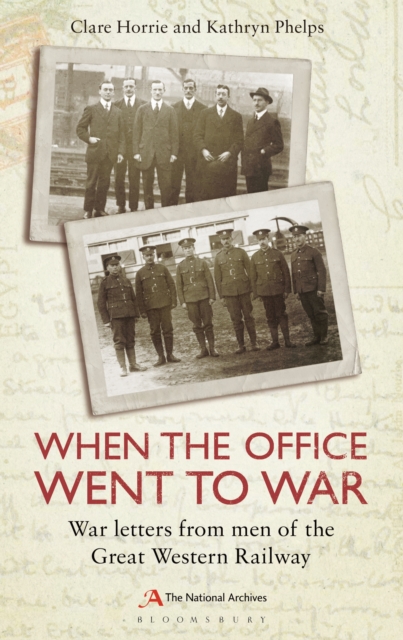
During the course of the First World War, staff of the Great Western Railway's Audit Office sent letters and photographs back to their employer in Paddington, which were in turn collated into monthly “newsletters” by those who stayed at home to keep Britain moving.
During the course of the First World War, staff of the Great Western Railway's Audit Office sent letters and photographs back to their employer in Paddington, which were in turn collated into monthly “newsletters” by those who stayed at home to keep Britain moving.
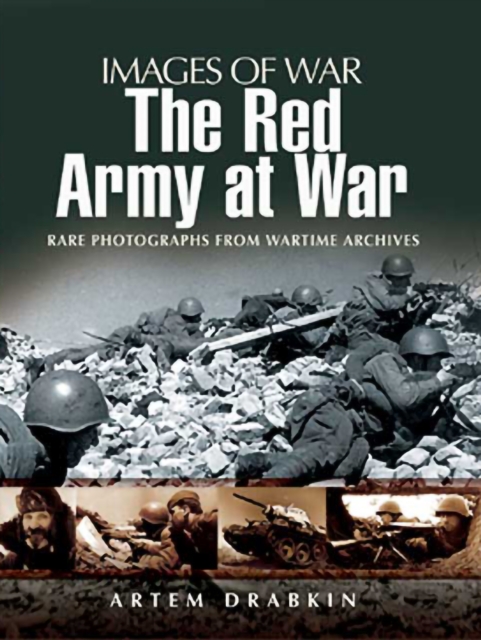
What was life in the Red Army like for the ordinary soldier during the Great Patriotic War, the fight between the Soviet Union and Germany on the Eastern Front?
Winston Churchill was an extraordinary person - a politician, a statesman, a man of letters and a soldier but it was for his wartime leadership during the Second World War that he is chiefly remembered.
The 900-day siege of the Soviet city of Leningrad by the combined forces of the Germans and the Finns is one of the most remarkable, and terrible, events of the Second World War, yet until recently it has not received the attention it deserves it has been overshadowed by other massive confrontations on the Eastern Front, at Stalingrad and Kursk.
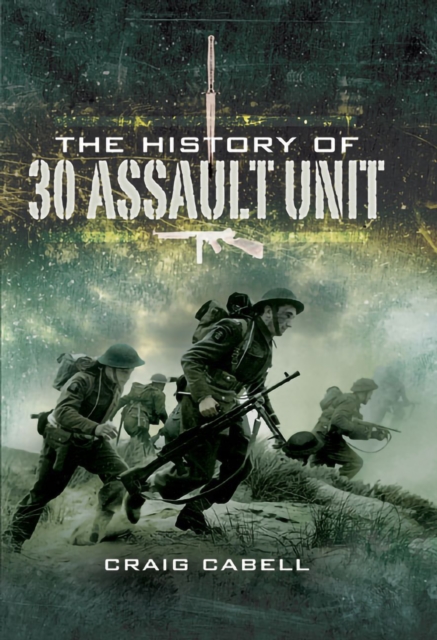
The Second World War spawned a plethora of crack special forces units (Long Range Desert Group, SAS, SBS, Phantom and Commandos) but 30 Assault Unit remains, even today, far more secretive and exclusive than the others.
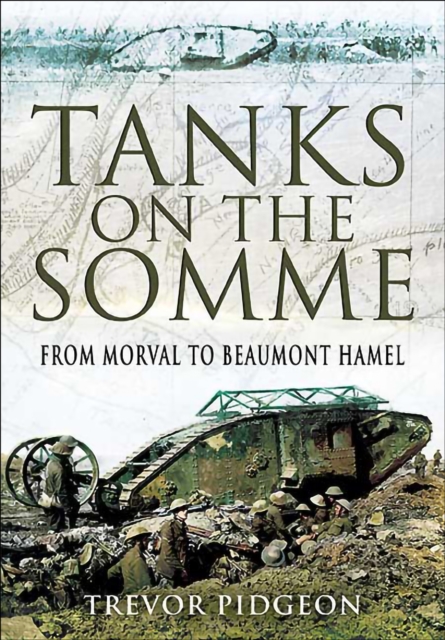
On 15 September 1916 during the Battle of the Somme, tanks - one of the decisive weapons of twentieth-century warfare - were sent into action for the first time.
The great retreat of the British Expeditionary Force from Mons in August 1914 is one of the most famous in military history, and it is justly celebrated.
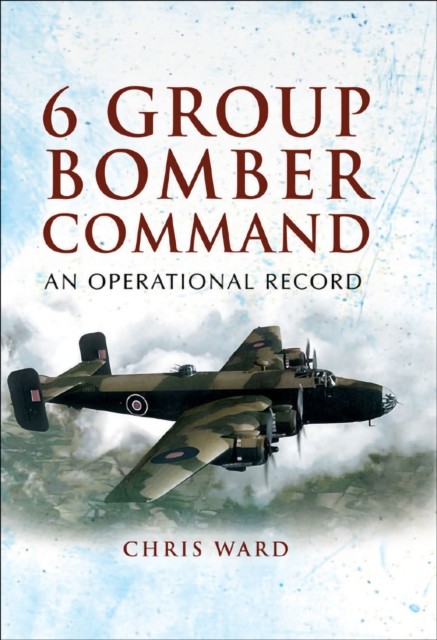
6 Group was born out of the British Commonwealth Air Training Plan (BCATP), which, among other things called for the formation of 25 Canadian Squadrons in Britain.