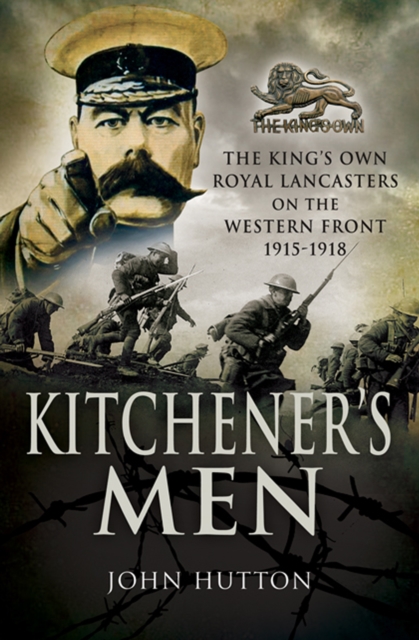
In Kitchener's Men John Hutton provides a absorbing account of the raising, training and fighting experiences of the Service and Territorial battalions of the Kings Own Royal Lancasters in France during the Great War.
Peter Liddle was a pioneer in the recording of memories of personal experience in the First World War and in the social background of those who lived through those years.
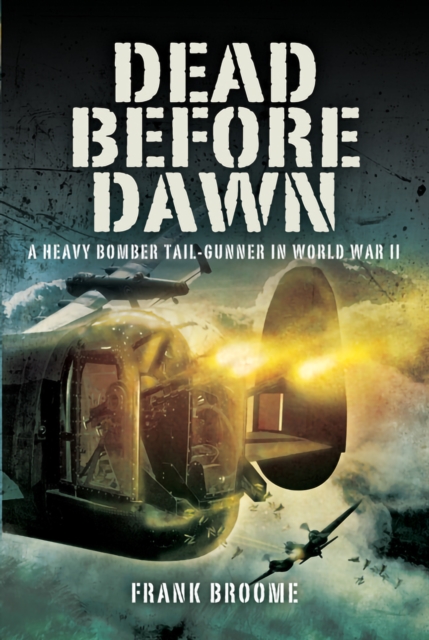
Frank Broome was a 15 year old schoolboy when he experienced the three major blitzes in his home city of Coventry and at the age of 17 volunteered for the Royal Air Force Volunteer Reserve in 1942 for pilot training.
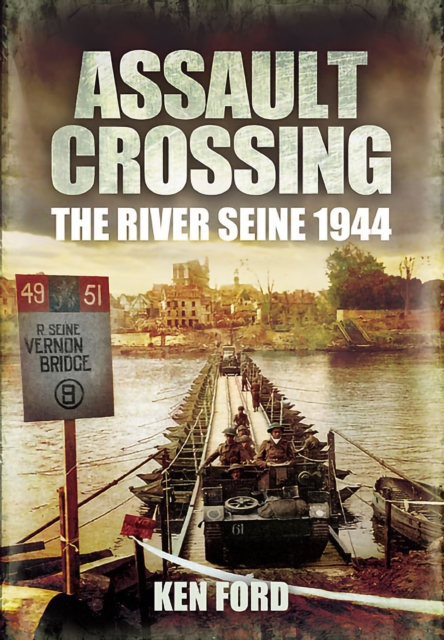
The assault crossing of the River Seine by the British 43rd (Wessex) Division in August 1944 remains one of the most important operations of the closing stages of the Second World War.
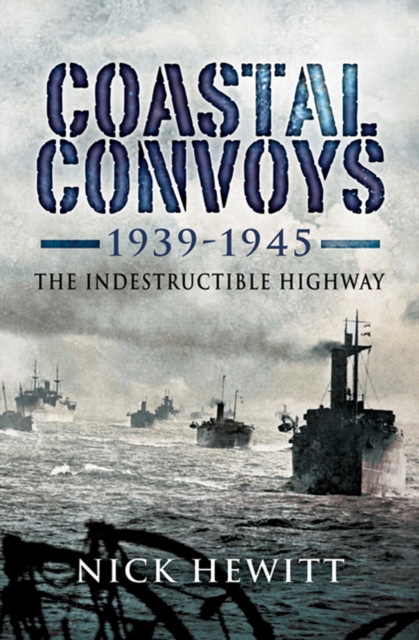
Using official records from the National Archives personal accounts from the Imperial War Museum and other sources, Coastal Convoys 1939 1945: The Indestructible Highway describes Britains dependence on coastal shipping and the introduction of the convoy system in coastal waters at the outset of the war.
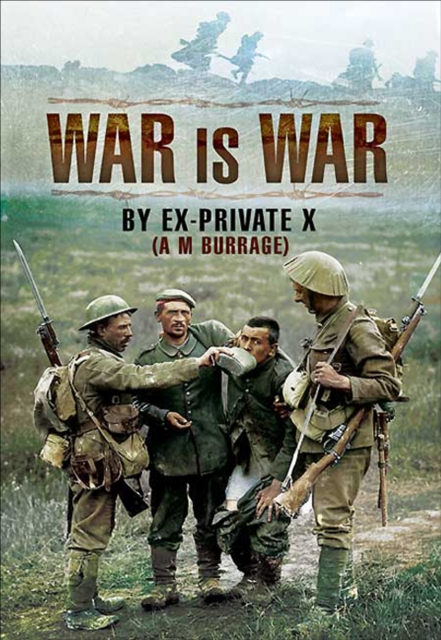
Alfred Burrages War is War is his sincere and successful attempt to record his experiences as a private soldier in France during the First World War, his reactions to abnormal conditions and his observations.
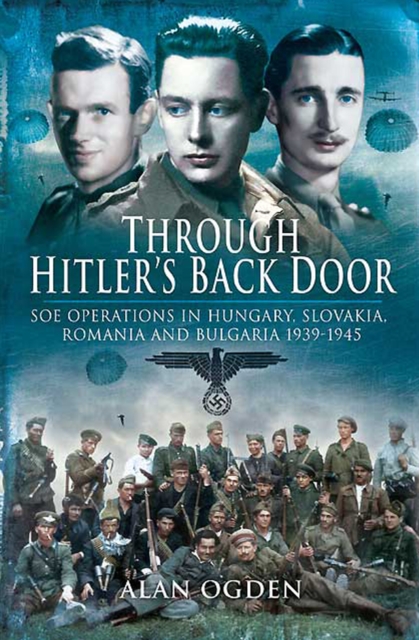
Romania, Bulgaria, Hungary and Slovakia were all German allies in the Second World War, unlike the other countries of Europe which had either been forcibly occupied by the Nazis or remained neutral.
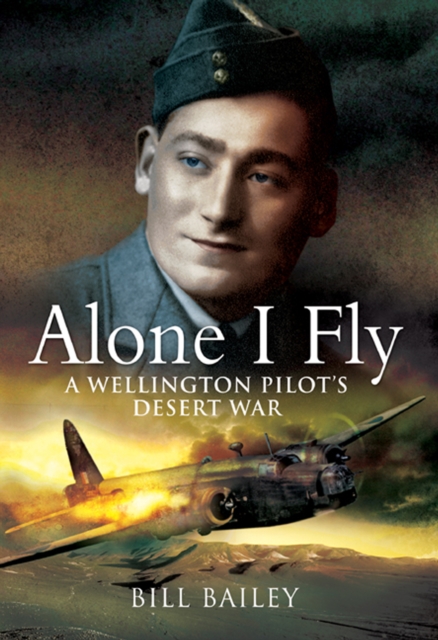
The riveting firsthand account of an RAF pilot's adventures in World War II-from life-and-death situations to unusual posts that test his usual good humor.
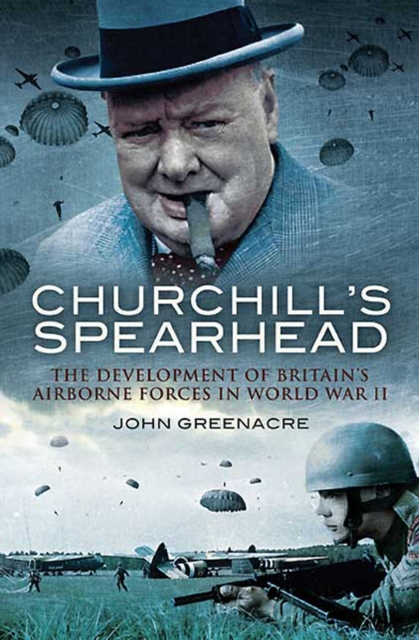
This book covers the inception, growth and employment of Britains airborne forces (parachute and glider-borne formations) between June 1940 and March 1945.
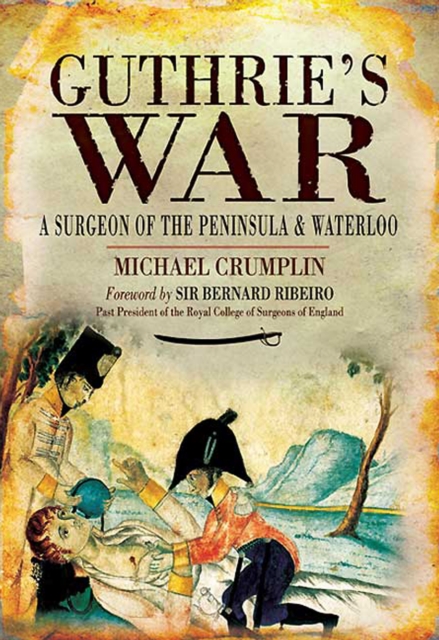
The precepts laid down are the result of the experience acquired in the war in the Peninsula, from the first battle of Rolia in 1808, to the last in Belgium, of Waterloo in 1815They have been the means of saving the lives, and of relieving, if not even of preventing, the miseries of thousands of our fellow-creatures throughout the civilized world.
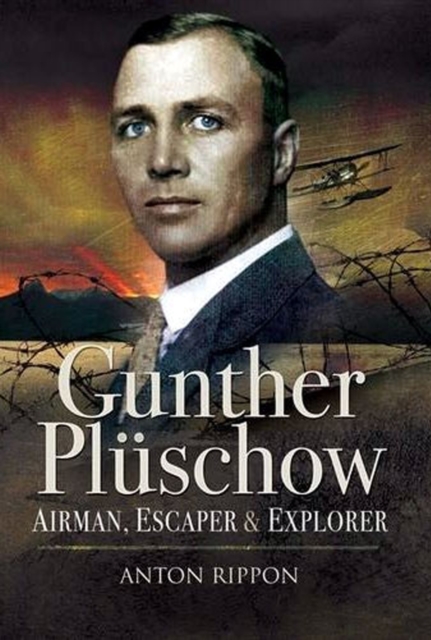
Gunther Plschow of the German Imperial Navy holds a unique place in history-during the First World War he was the only German prisoner of war ever to escape from the British mainland and make it all the way back to the Fatherland.
The first French invasion of Portugal in 1807 - which was commanded by Junot, one of Napoleon's most experienced generals - was a key event in the long, brutal Peninsular War.
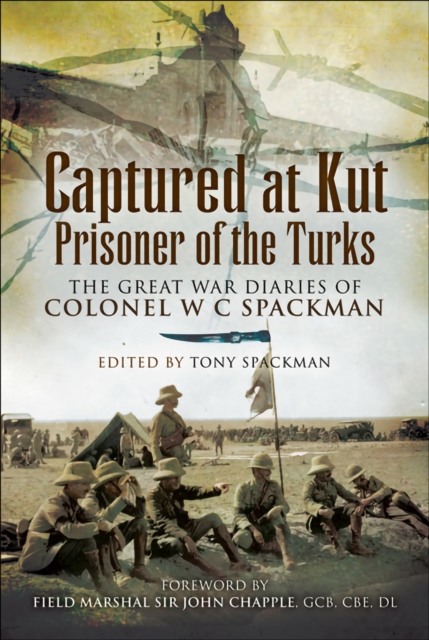
This edited diary is Colonel Bill Spackmans extraordinary personal record of his experiences as the Medical Officer of an Indian Infantry battalion during the Mesopotamian Campaign 1914 1916.
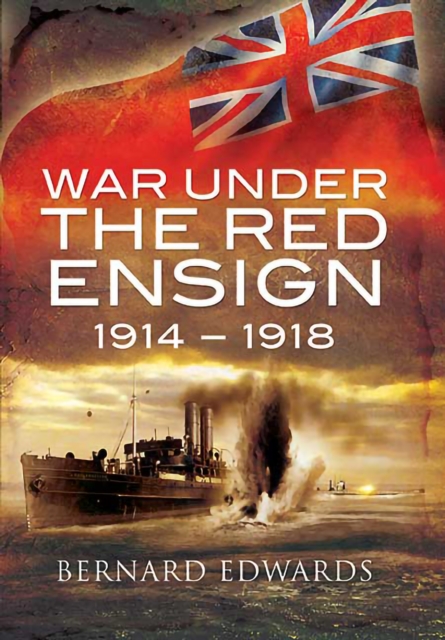
he Kaisers determination to starve Britain into surrender and the development of his Navy and the U-boats in particular meant that Britains merchant navy was in the front line throughout the Great War.
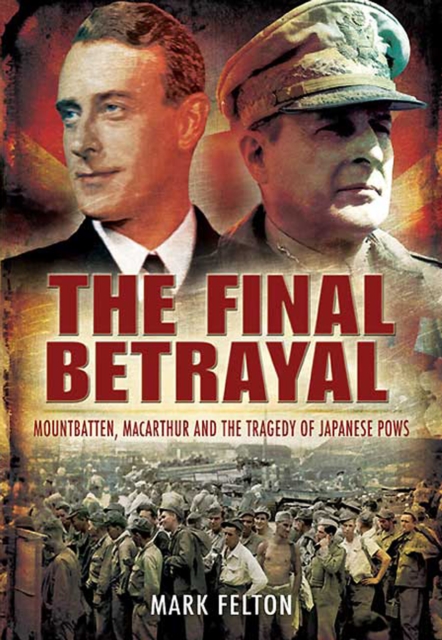
This book examines the period between the unconditional surrender of Japan on 14 August 1945, and the arrival of Allied liberation forces in Japanese-occupied territories after 2 September 1945.
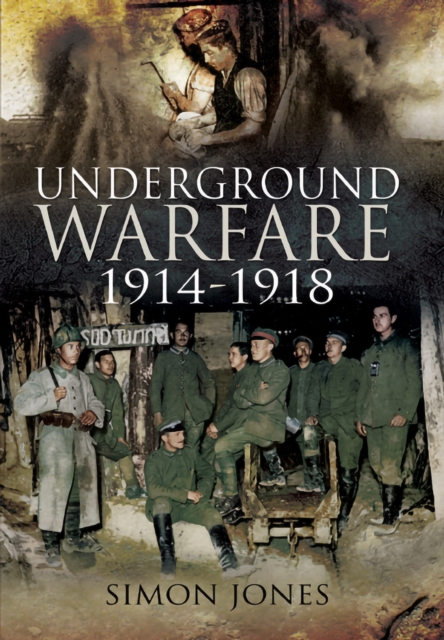
Simon Joness graphic history of underground warfare during the Great War uses personal reminiscences to convey the danger and suspense of this unconventional form of conflict.
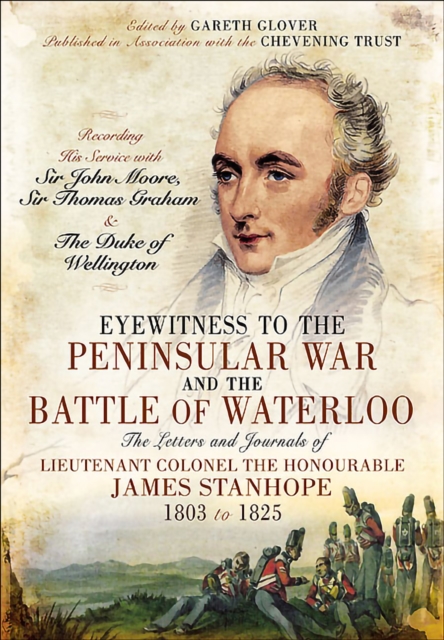
The journals of the Honourable James Stanhope are among the most remarkable eyewitness accounts of the Peninsular War and the Battle of Waterloo, and yet they have never been published before.
Written by an authority on Adolf Hitler, this book charts new ground and shows how the writings of a deluded ex-monk, Lanz von Liebenfels and the pseudo-science of Liebenfels and other writers, convinced Hitler that Germanys destiny was to save the world from a Jewish-Bolshevik conspiracy.
Scottish Lion on Patrol was first published in 1950, the record of the 15th Scottish Reconnaissance Regiments formation, training and service in the campaign that took them from Normandy to the Baltic.
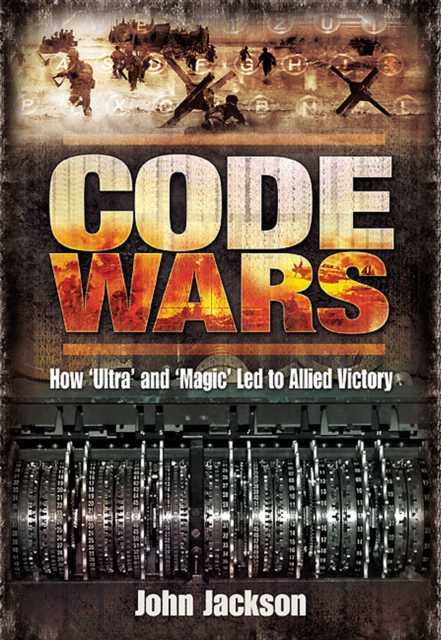
When the top secret code breaking activities at Bletchley Park were revealed in the 1970s, much of the history of the Second World War had to be rewritten.
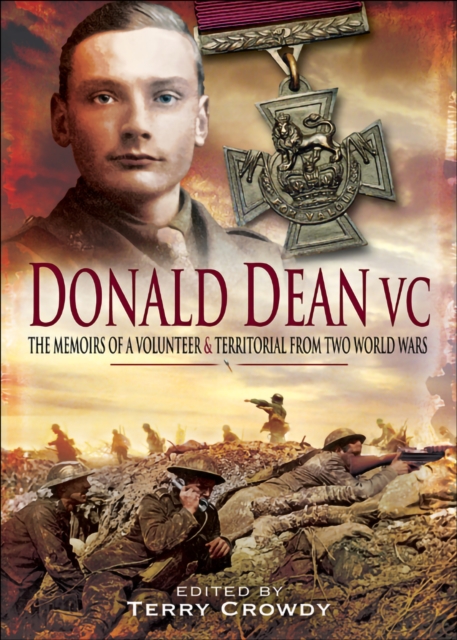
Donald Dean lied about his age to enlist in the Queen's Own Royal West Kent Regiment and serve on the Western Front, where he worked his way up from Private to acting Captain.
The heroic life of the pilot who became an ace with one of the most successful fighter squadrons in the RAF and a captive in a notorious Nazi POW camp.
Thanks to the perseverance and editorial effort of his son Allan, Jim Hunter's splendid war memoirs of flying and captivity can now be enjoyed by a wider audience.
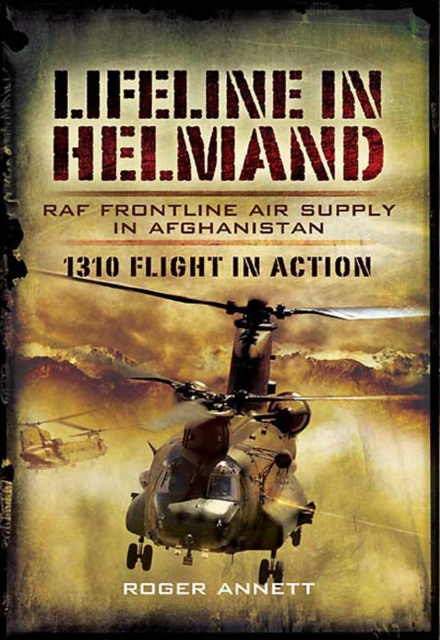
Afghanistan is the theater where 1310 Flights role is to provide the heavy-lift support helicopter element within the British Forces Joint Helicopter Command.