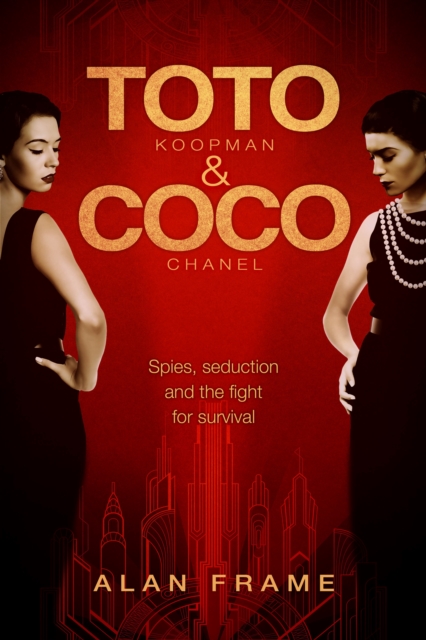
Toto Koopman, beautiful, mixed-race, bisexual Vogue cover girl in 1930s Paris and lover of the all-powerful press baron and wartime cabinet minister Lord Beaverbrook.
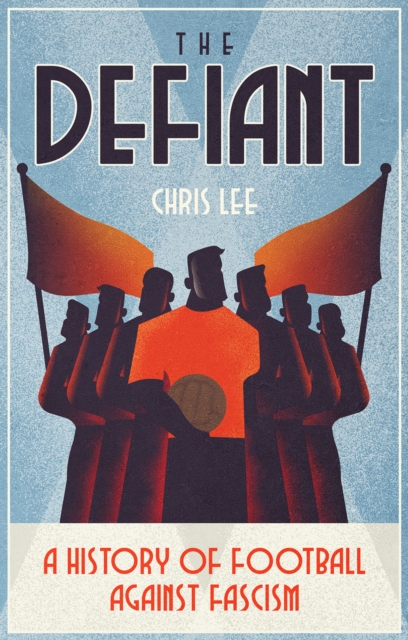
The Defiant: A History of Football Against Fascism uncovers the role that footballers and fans have played in the fight against fascism and the far right.
Die Erinnerung an den Ersten Weltkrieg wird bis heute maßgeblich durch die langwierigen Stellungskämpfe und Materialschlachten in Frankreich und Belgien bestimmt.
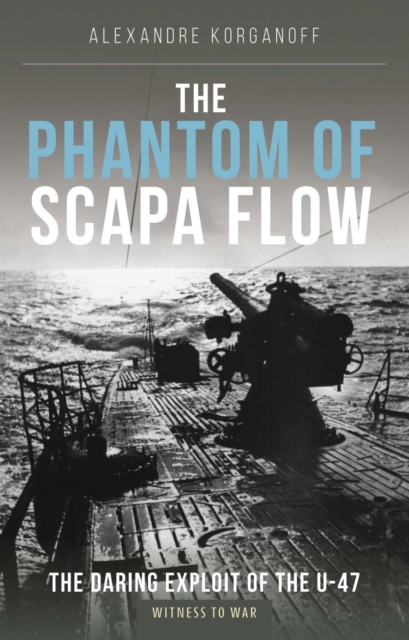
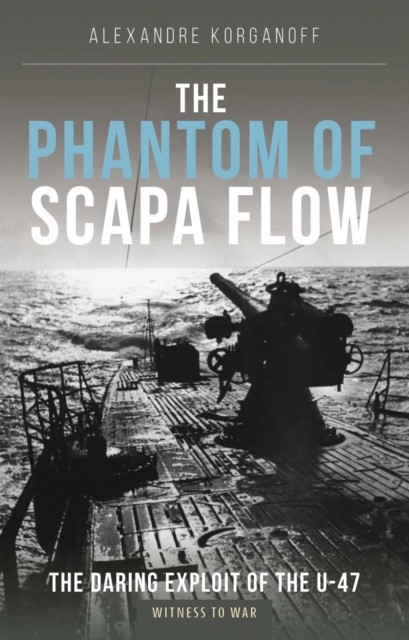
On the night of 13/14 October 1939, the German commander of U-boat U-47, Günther Prien, steered past the sunken block ships and chains which inadequately protected the British naval base at Scapa Flow in the Orkney Islands.
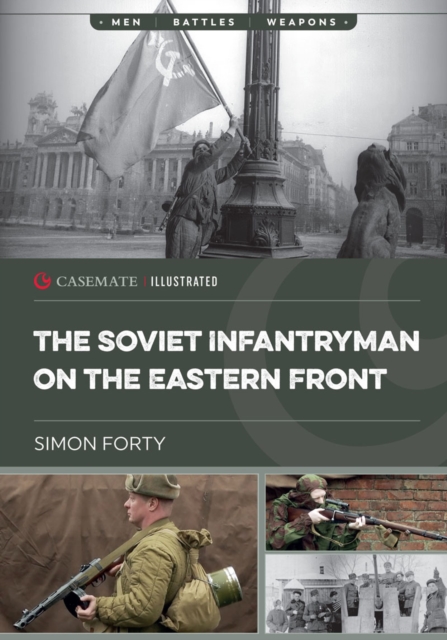
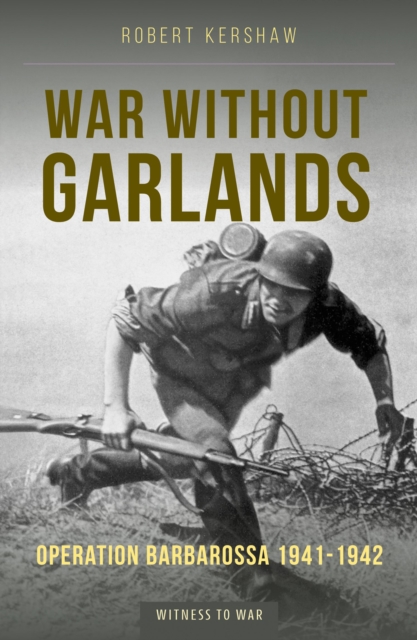
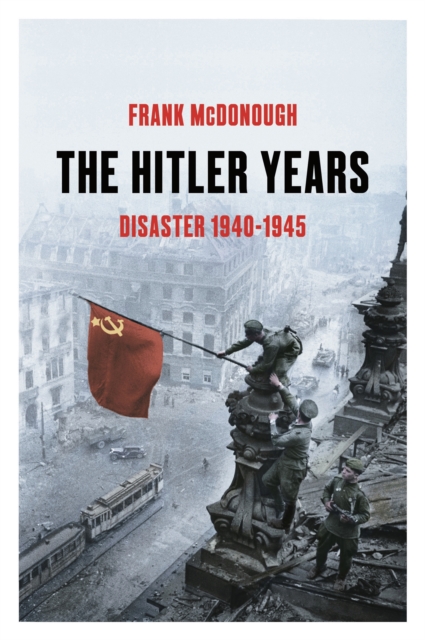
In the spring of 1941, having abandoned his plans to invade Great Britain, Hitler turned the might of his military forces on to Stalin's Soviet Russia.
On the night of 13/14 October 1939, the German commander of U-boat U-47, Günther Prien, steered past the sunken block ships and chains which inadequately protected the British naval base at Scapa Flow in the Orkney Islands.
In the spring of 1941, having abandoned his plans to invade Great Britain, Hitler turned the might of his military forces on to Stalin's Soviet Russia.
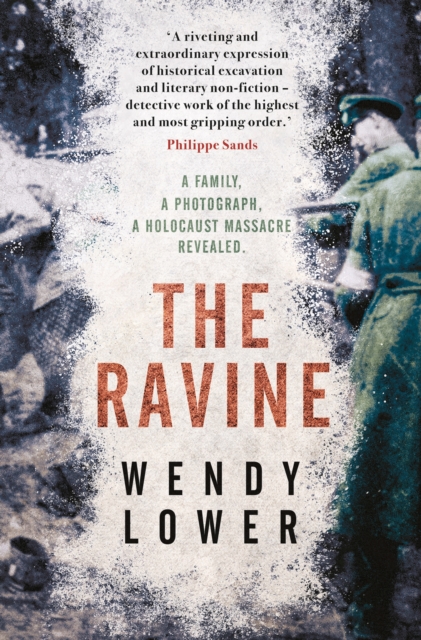
A strikingly original book about a terrible photograph an exceptionally rare image documenting the horrific final moment of the murder of a family in Ukraine.
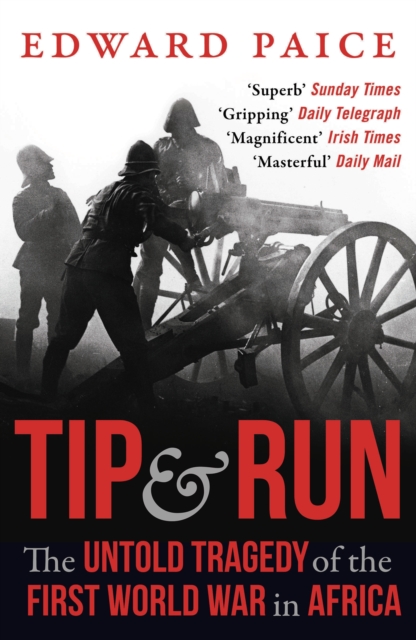
The story of the First World War in Africa, an almost forgotten conflict that devastated an area five times the size of Germany and killed more than two million people.
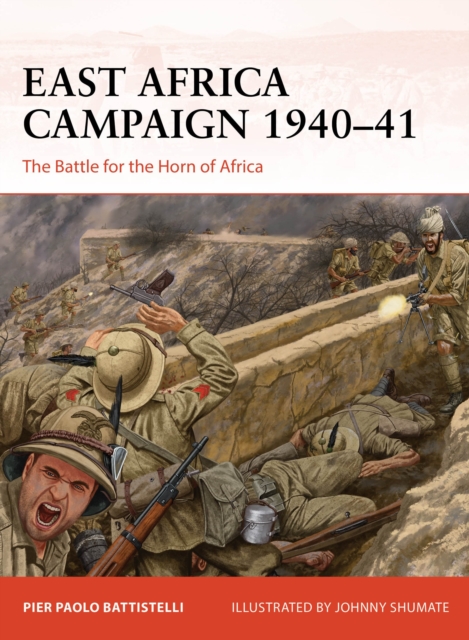
A fascinating study of one of the often overlooked World War II campaigns as British/Commonwealth, Indigenous and Italian forces battled for control of the Horn of Africa.
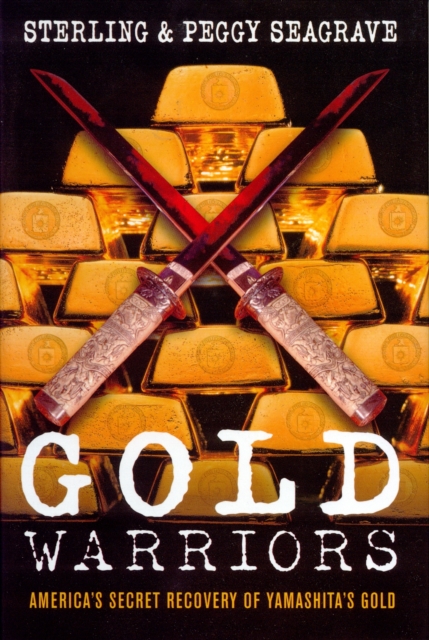
In 1945, US intelligence officers in Manila discovered that the Japanese had hidden large quantities of gold bullion and other looted treasure in the Philippines.
Arthwyr ap Meurig, der wahre König Arthur, im Schatten der Normannen & Franken, ist meine deutsche Übersetzung der historischen Bücher von Wilson & Blackett.
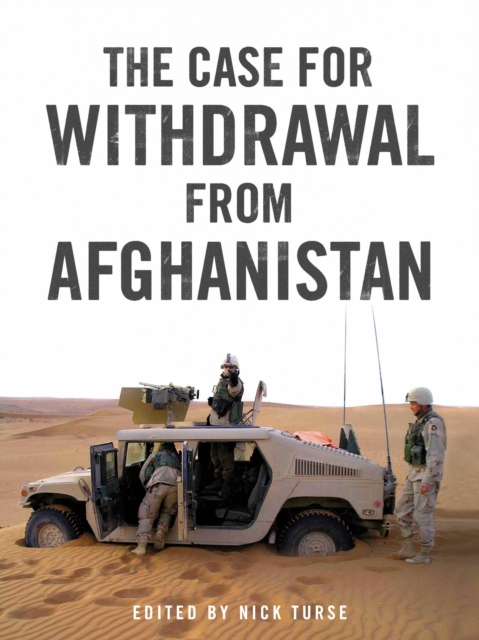
Known as the graveyard of empires, Afghanistan has now been singled out as Obama's "e;just war,"e; the destination for an additional thirty thousand US troops in an effort to shore up an increasingly desperate occupation.
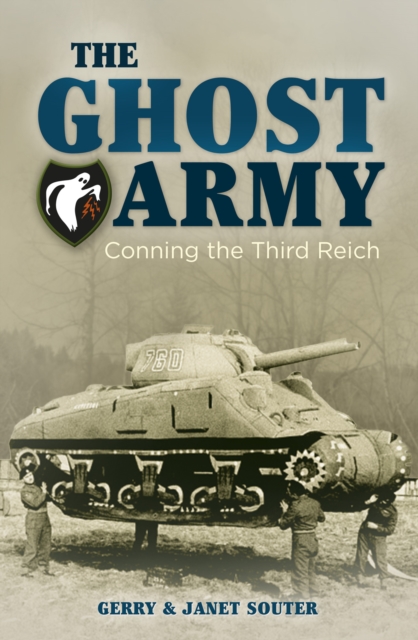
Our story is about the genesis and evolution of these phantoms and men-who-never-were, these artists and magicians at the front line who operated in stealth and secrecy.
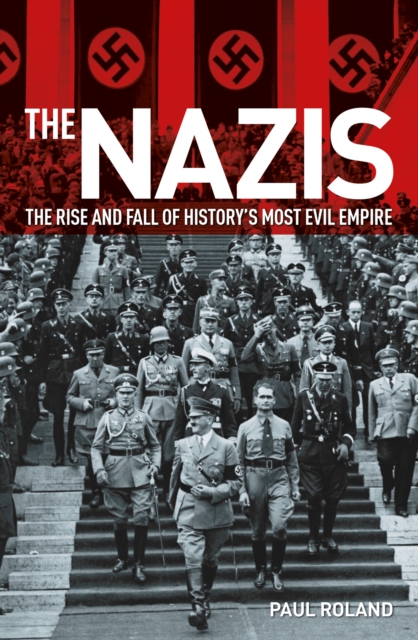
This book traces the history of the Third Reich, from the Nazi movement's beginnings in the beer halls of 1920s Germany to the outcome of the Nuremberg trials, which took place in the aftermath of the Second World War.
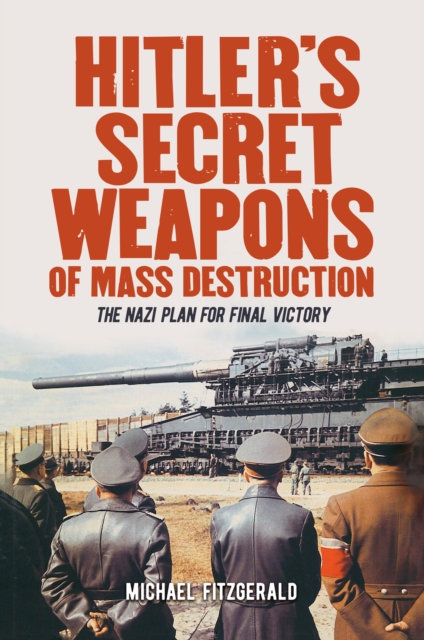
As the Nazi advance across Europe stalled, Adolf Hitler repeatedly told his military advisers and inner circle that Germany possessed Wunderwaffen - miracle weapons - that would turn the tide and bring the Germans ultimate victory.
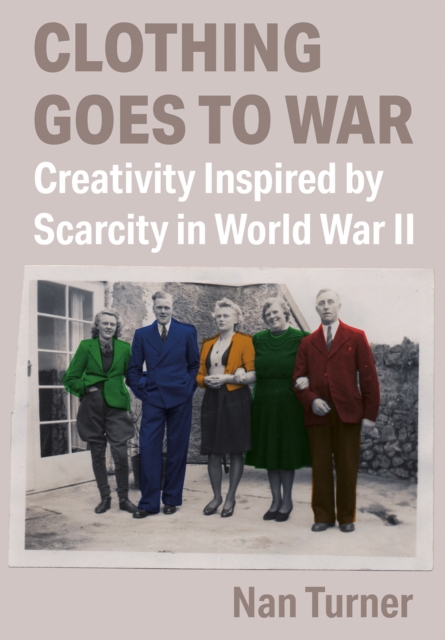
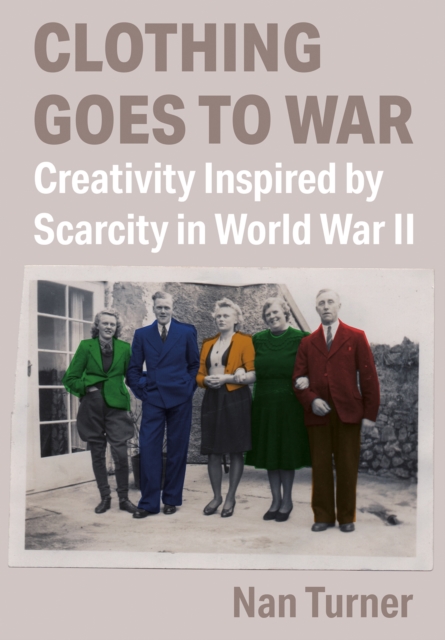
Clothing Goes to War: Creativity Inspired by Scarcity in World War II is the story of clothing use when manufacturing for civilians nearly stopped and raw materials and workers across the globe were shifted to war work.
Clothing Goes to War: Creativity Inspired by Scarcity in World War II is the story of clothing use when manufacturing for civilians nearly stopped and raw materials and workers across the globe were shifted to war work.