In Cosmopolitics of the Camera, the leading experts in the field present Les Archives de la Planete (The Archives of the Planet) - Albert Kahn's stunning collection of early colour photography and documentary film - and discuss the extraordinary intellectual context from which it grew.
In Cosmopolitics of the Camera, the leading experts in the field present Les Archives de la Planete (The Archives of the Planet) - Albert Kahn's stunning collection of early colour photography and documentary film - and discuss the extraordinary intellectual context from which it grew.
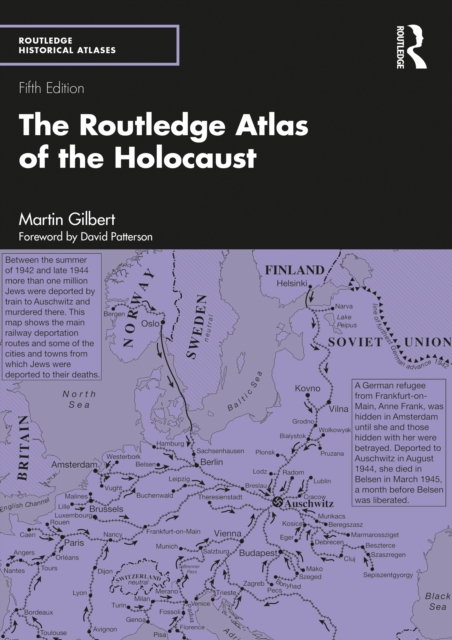
A shocking account of Nazi genocide and the inhuman conditions in Auschwitz, but equally shocking is the initial disbelief with which the revelations were met.
The collapse of the Habsburg Monarchy at the end of World War I ushered in a period of radical change for East-Central European political structures and national identities.
During the First World War, the Jewish population of Central Europe was politically, socially, and experientially diverse, to an extent that resists containment within a simple historical narrative.
In historical writing on World War I, Czech-speaking soldiers serving in the Austro-Hungarian military are typically studied as Czechs, rarely as soldiers, and never as men.
Work played a central role in Nazi ideology and propaganda, and even today there remain some who still emphasize the supposedly positive aspects of the regime s labor policies, ignoring the horrific and inhumane conditions they produced.
From 1942 to 1950, nearly twenty thousand Poles found refuge from the horrors of war-torn Europe in camps within Britain s African colonies, including Uganda, Tanganyika, Kenya and Northern and Southern Rhodesia.
A multifaceted look at historian Raul Hilberg, tracing the evolution of Holocaust research from a marginal subdiscipline into a vital intellectual project.
Prior to Hitler s occupation, nearly 120,000 Jews inhabited the areas that would become the Protectorate of Bohemia and Moravia; by 1945, all but a handful had either escaped or been deported and murdered by the Nazis.
Taking as its point of departure Omer Bartov s acclaimed Anatomy of a Genocide, this volume brings together previously unknown accounts by three individuals from Buczacz.
The story of the achievements of the Empire pioneers has been obscured in recent years by the attention given to continual changes in emergent countries.
This book explores the military events and diplomatic games in the later years of the Second World War through which Josip Broz Tito's Yugoslav Partisans resistance movement gained the support of the Allies and, eventually, control over Yugoslavia itself.
A shocking account of Nazi genocide and the inhuman conditions in Auschwitz, but equally shocking is the initial disbelief with which the revelations were met.
The Israeli army, officially named the Israel Defence Forces (IDF), was established in 1948 by David Ben-Gurion, Israel's first prime minister, who believed that 'the whole nation is the army'.
Co-author of the groundbreaking Empire and Multitude, Michael Hardt examines The Declaration of Independence and other texts by Thomas Jefferson, arguing that his powerful concept of democracy provides a biting critique of the current American administration.
The extent and irreversibility of US decline is becoming ever more obvious as America loses war after war and as one industry after another loses its technological edge.
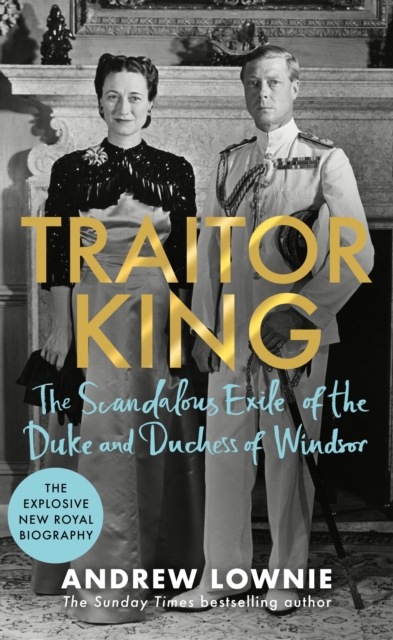
FROM THE BESTSELLING AUTHOR OF ENTITLED, 'THE MOST DEVASTATING ROYAL BIOGRAPHY EVER WRITTEN', DAILY MAILTHE SUNDAY TIMES BESTSELLERA Daily Mail Royal Book of the Year, 2021'Darkly compelling.
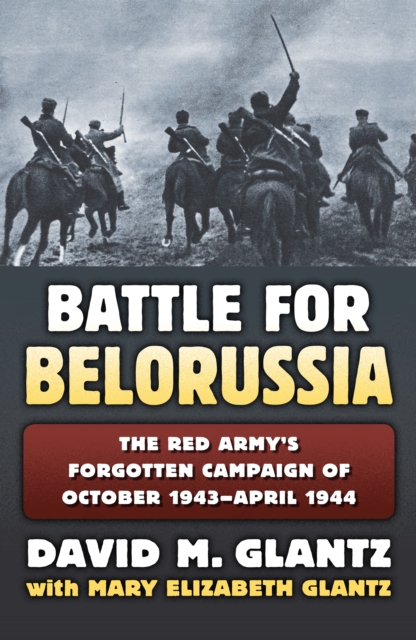
Stone & Stone World War II Books Editors ChoiceContinuing his magisterial account of the Eastern Front campaigns, the writer cited by The Atlantic as “indisputably the Wests foremost expert on the subject” focuses here on the Red Armys operations from the fall of 1943 through the April 1944.
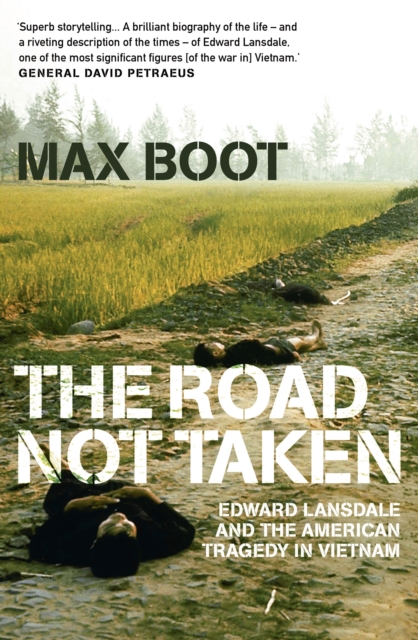
'Judicious and absorbing' New York Times Book ReviewIn this biography of Edward Lansdale (1908-1987), the man said to be the model for Greene's The Quiet American, Max Boot demonstrates how Lansdale pioneered a 'hearts and minds' diplomacy, first in the Philippines, then in Vietnam.