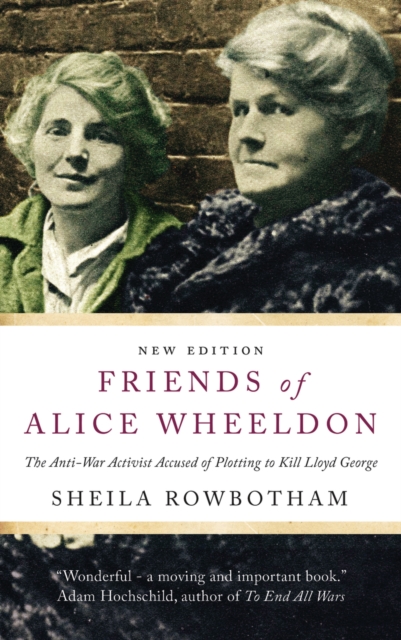
This play re-enacts the 1917 trial and imprisonment of Alice Wheeldon, the renowned suffragist, for her alleged role in plotting to assassinate the Prime Minister Lloyd George.
The Spanish Civil War left a legacy of destruction, resentment and deep ideological divisions in a country that was attempting to recover from economic stagnation and social inequality.
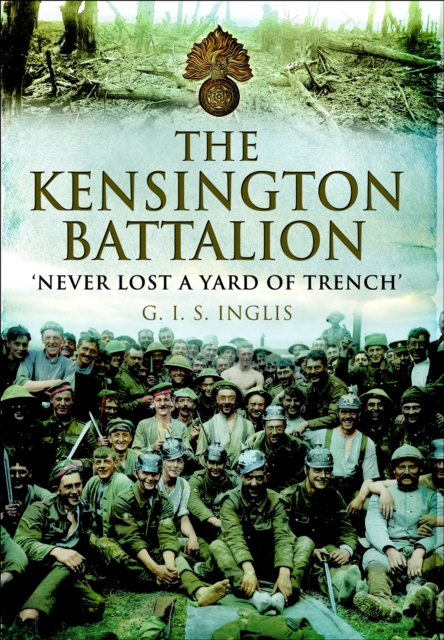
Raised by the Mayor of Kensington, the 22nd Royal Fusiliers (the Kensington Battalion) were a strange mixture of social classes (bankers and stevedores, writers and laborers) with a strong sprinkling of irreverent colonials thrown in.
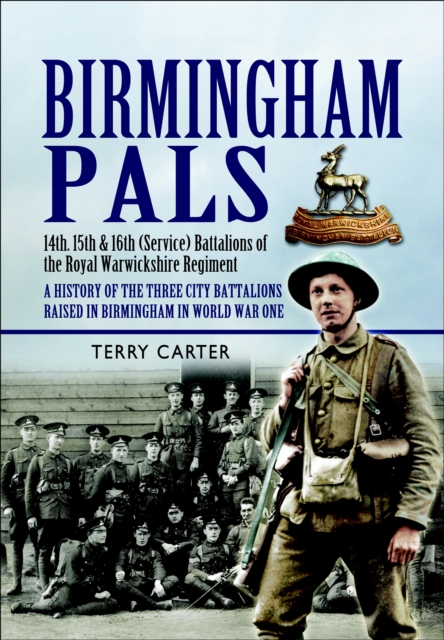
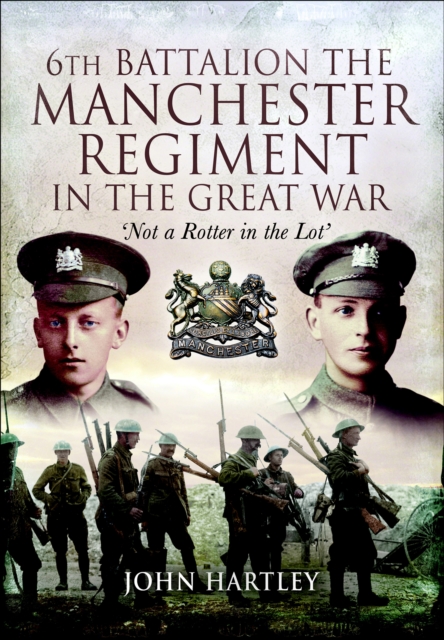
In the summer of 1914, our finest young men flocked to the colors in Northern towns and cities to answer Lord Kitcheners Call to Arms in a spontaneous burst of enthusiasm and patriotism.
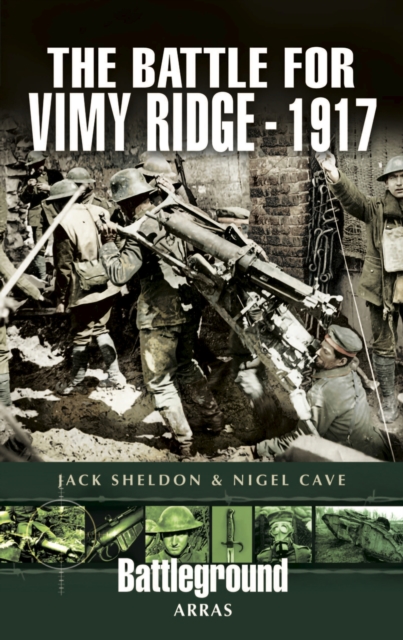
In a new departure in the Battleground Europe series, this book is a guide to both sides of a major battle in this case to the Canadian Corps operations against 1st Bavarian Reserve Corps at Vimy from 9 12 April 1917, which formed part of the opening of the British offensive, known as the Battle of Arras.
The battles fought at Estaires and Givenchy, just south of Ypres, in April 1918 were critical episodes in the larger Battle of Lys which determined the outcome of the ultimate German offensive on the Western Front.
Through a series of five walks this book discovers the sights, sounds and experience of the capital at war; it details the remaining tangible evidence of the dark days via air raid shelter signs, bomb damage on buildings and memorials detailing heroic and often tragic events.
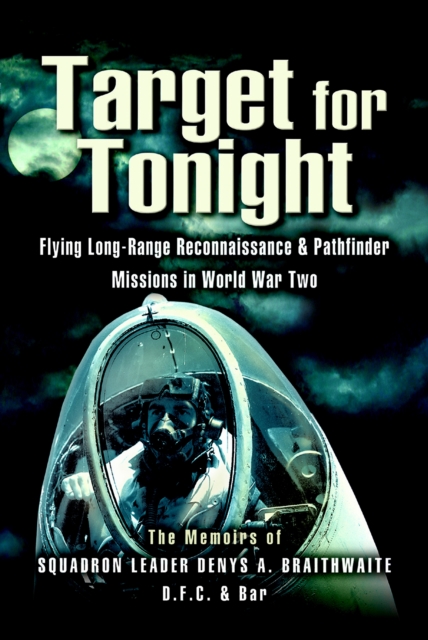
The posthumous memoirs of a World War II Pathfinder pilot and Distinguished Flying Cross recipient who flew target-marking missions in enemy territory.
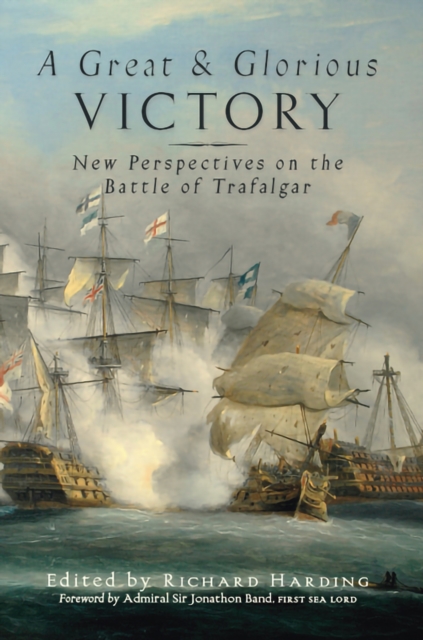
In October 2005 an international naval conference was held at Portsmouth and well-known historians and naval officers from around the world, including Colin White, Brian Lavery, Contre Amiral Remi Monaque and Admiral Sir Jonathan Band, now First Sea Lord, gave a series of papers on aspects of the battle of Trafalgar.
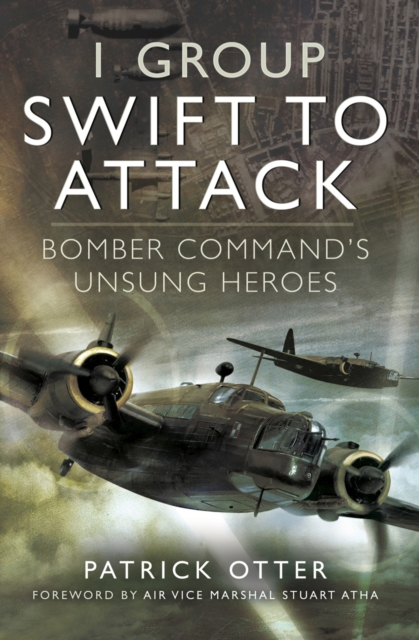
Following the recent unveiling of the monument to Bomber Command in London's Green Park, the publication of this lovingly crafted account of the exploits of oft-overlooked 1 Group is set to be a timely one.
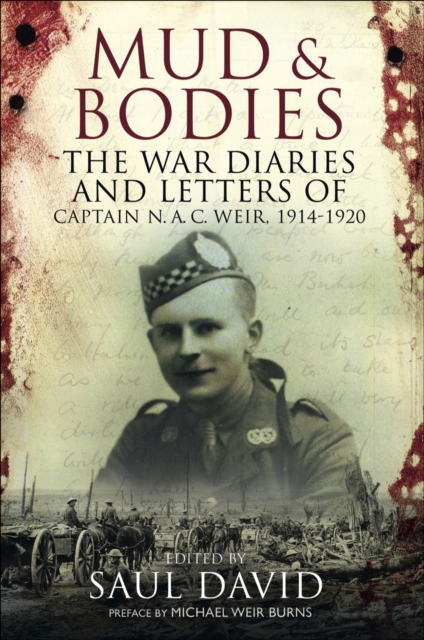
Neil Weir died in 1967, but it was not until 2009 that his grandson, Mike Burns, discovered his diary among some boxes he had been left, and learnt that his grandfather had served as an officer in the 10th Battalion Argyll and Sutherland Highlander throughout the First World War, seeing action at Loos, the Somme and Vimy Ridge, as well as in staff and training posts.
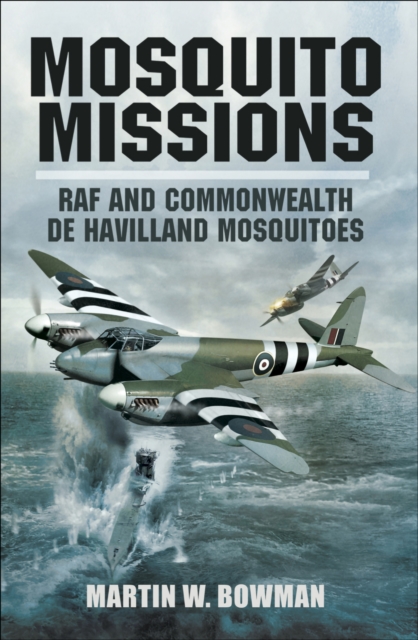
The Wooden Wonder was probably the most versatile combat aircraft that operated on all fronts in World War Two and was still giving valuable service in first-line service after 1945 when it enjoyed a limited renaissance both at home, in Germany and abroad until the advent of jet aircraft.
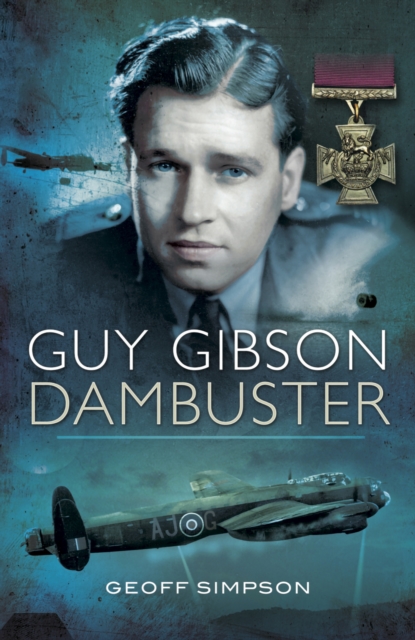
A new assessment of the life of one of the most famous and controversial airmen of the Second World War, this book covers Guy Gibson's sometimes troubled upbringing and the impact on him of his time at St Edward's School, Oxford.
The battles fought at Estaires and Givenchy, just south of Ypres, in April 1918 were critical episodes in the larger Battle of Lys which determined the outcome of the ultimate German offensive on the Western Front.
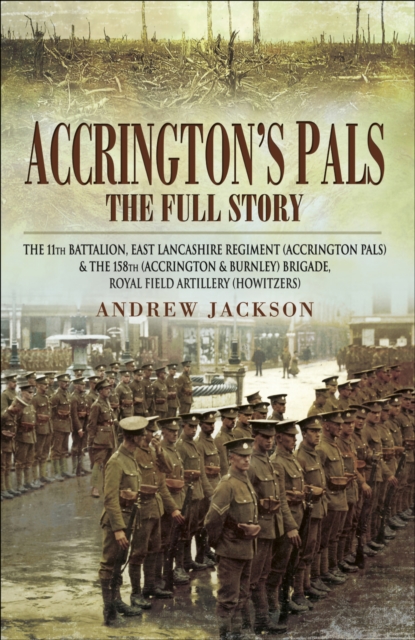
Andrew Jackson's new history tells the story of the Great War as it was experienced by the men of the 11th Battalion, East Lancashire Regiment (Accrington Pals), the 158th (Accrington and Burnley) Brigade, Royal Field Artillery (Howitzers) and their families.
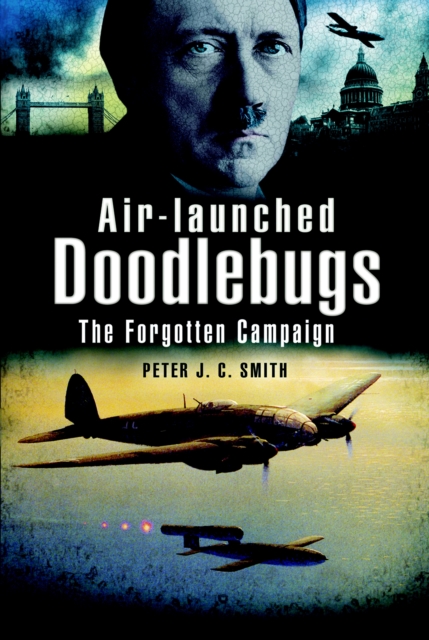
The V 1, or Doodlebug or Flying-bomb came into use in June 1944 and, together with the V 2 Rocket, was Hitlers final hope in face of the advancing Allied forces sweeping across Europe towards Germany.
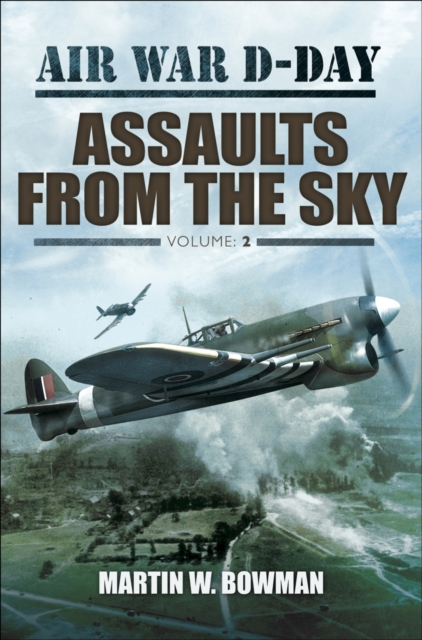
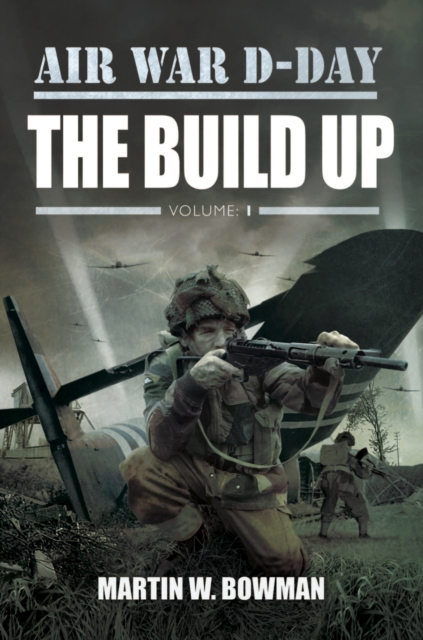
This is the second volume of a comprehensive five part work on D-Day that includes a multitude of personal military accounts from both Allied and German Aviation personnel who were there.