This is the first volume of a most impressive tribute and accurate four part work that uniquely presents a complete account of the air operations throughout Market-Garden in September 1944 when British, US and Polish airborne troops made a gallant attempt to seize and hold bridges across the Lower Rhine in Holland as a springboard for crossing into Germany.
This WWII battlefield guide offers a detailed history of the Allied Liberation of Nijmegen during Operation Market Garden-with maps and photos throughout.
This latest volume in Anthony Tucker-Joness series of photographic histories of armored warfare records in graphic detail the role played by tanks, infantry fighting vehicles and self-propelled artillery during the decisive campaign in northwest Europe in 1944-5.
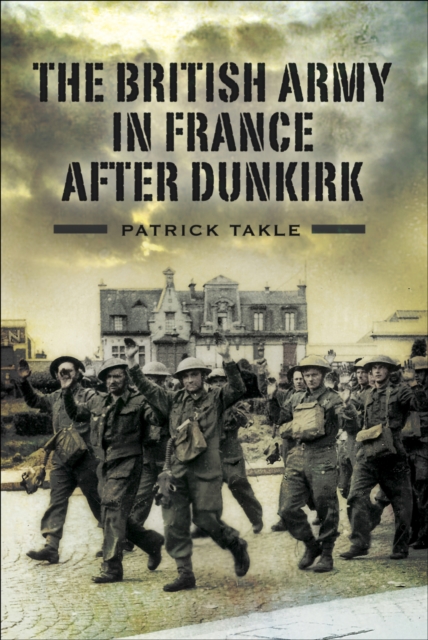
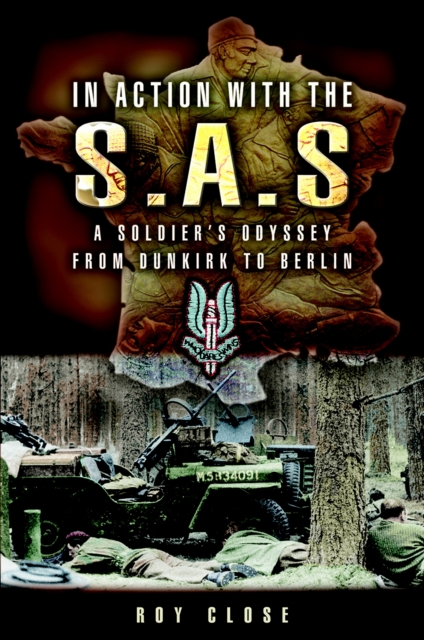
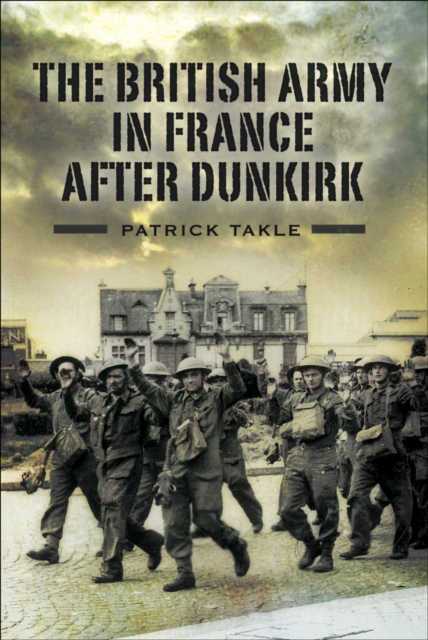
Although over 330,000 British and French soldiers were evacuated from the Dunkirk beaches between 26 May and 4 June, many thousands remained in France, most under French command.
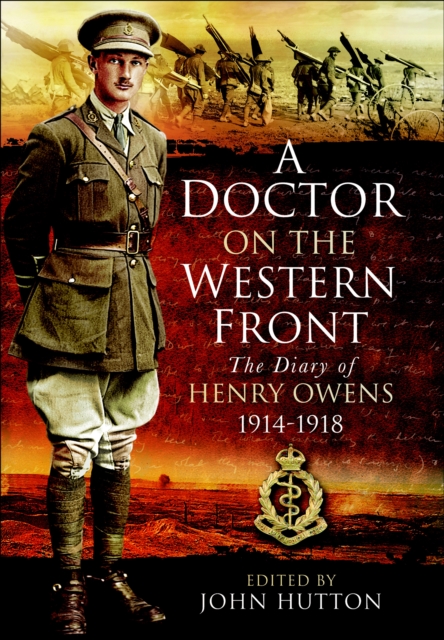
Henry Owens Great War diary provides a vivid and complete narrative, seen from the perspective of an army doctor, of what it was like to live and fight in the trenches of the Western Front.
There has been bookshelf after bookshelf of books compiled, written and published about British aircraft, the Royal Air Force and the activities of its pilots during World War Two.
Detailed reports by German commanders: "e;Powerful testimony to the Germans' lack of preparation for the harsh climatic conditions of the Russian winter.
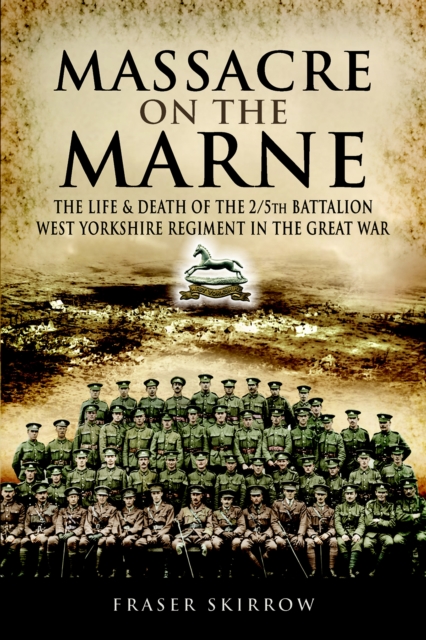
Massacre on the Marne is a graphic reconstruction of the experiences of a small closely knit group of fighting men - the 2/5th Battalion of the West Yorkshire Regiment - in the Great War.
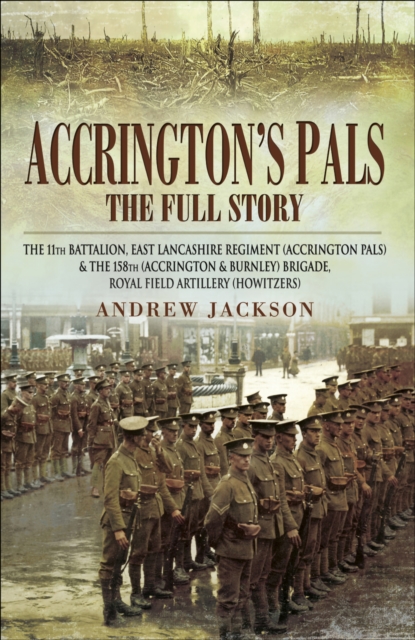
Andrew Jackson's new history tells the story of the Great War as it was experienced by the men of the 11th Battalion, East Lancashire Regiment (Accrington Pals), the 158th (Accrington and Burnley) Brigade, Royal Field Artillery (Howitzers) and their families.
Henry Owens Great War diary provides a vivid and complete narrative, seen from the perspective of an army doctor, of what it was like to live and fight in the trenches of the Western Front.
Although over 330,000 British and French soldiers were evacuated from the Dunkirk beaches between 26 May and 4 June, many thousands remained in France, most under French command.
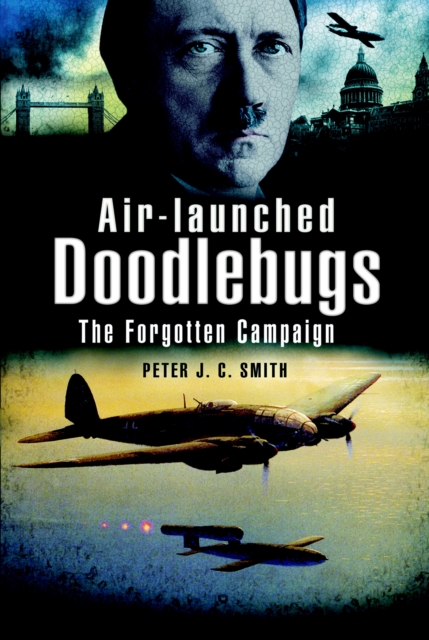
The V 1, or Doodlebug or Flying-bomb came into use in June 1944 and, together with the V 2 Rocket, was Hitlers final hope in face of the advancing Allied forces sweeping across Europe towards Germany.
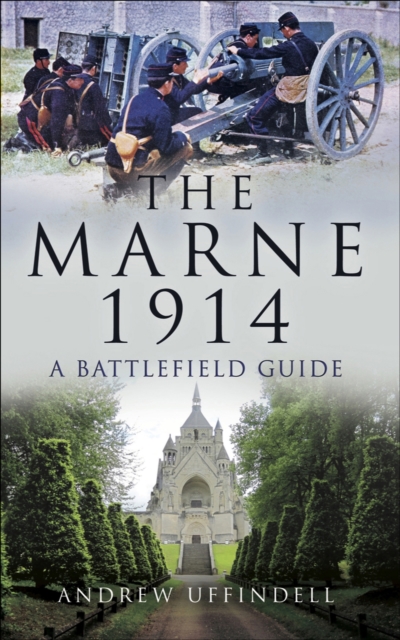
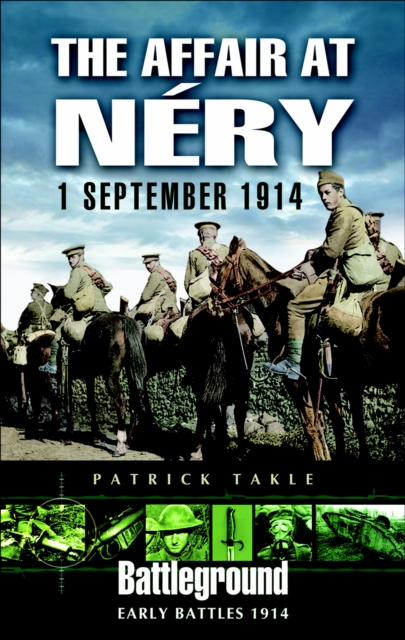
This fully illustrated WWI battlefield guide provides essential historical context and visitor information for exploring this site on the Western Front.
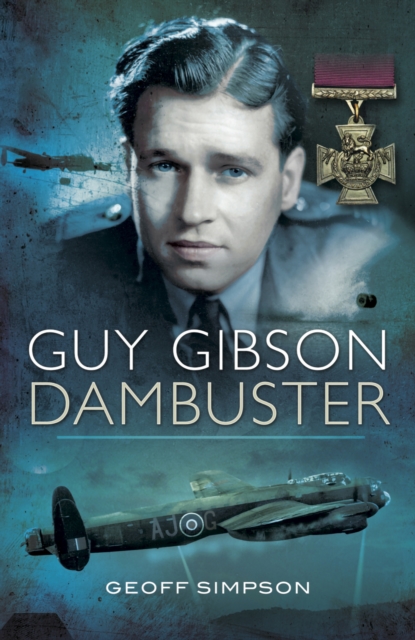
A new assessment of the life of one of the most famous and controversial airmen of the Second World War, this book covers Guy Gibson's sometimes troubled upbringing and the impact on him of his time at St Edward's School, Oxford.
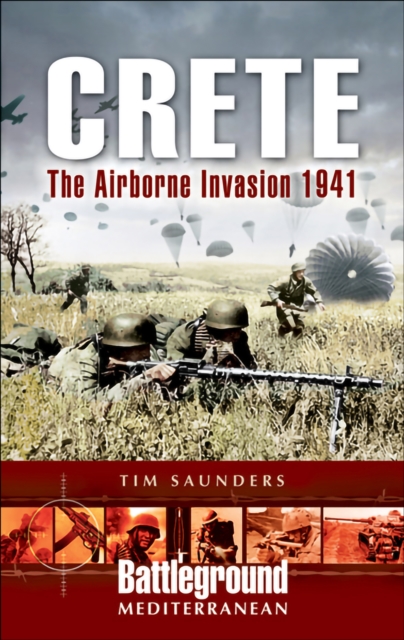
An in-depth account of the invasion of Crete by Nazi Germany during World War II, the courageous civilian resistance, and the Allies' devastating defeat.
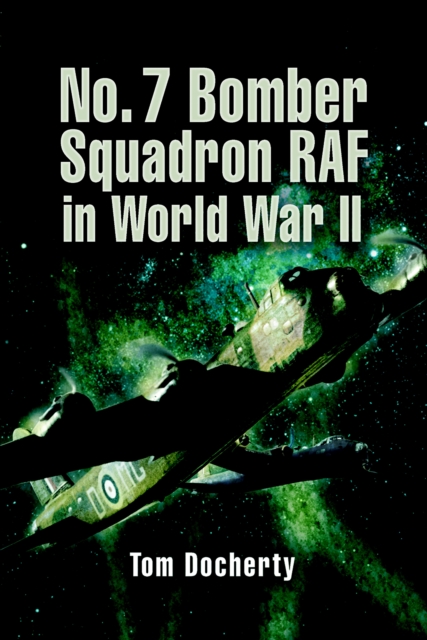
This is the story of one of the RAF's oldest and most distinguished heavy bomber squadrons in WW2, although an outline history of the unit since it was formed in WW1 and its post-war history are included.
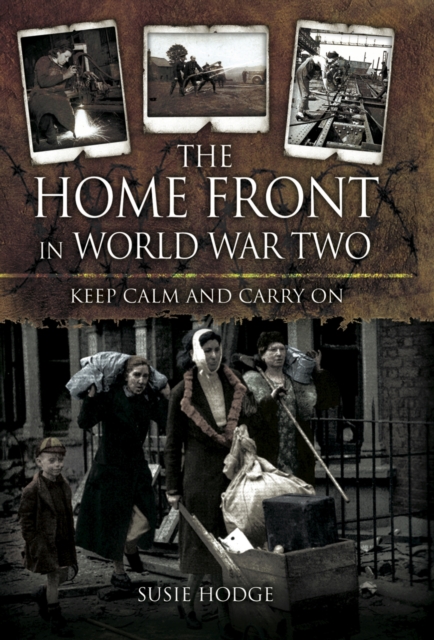
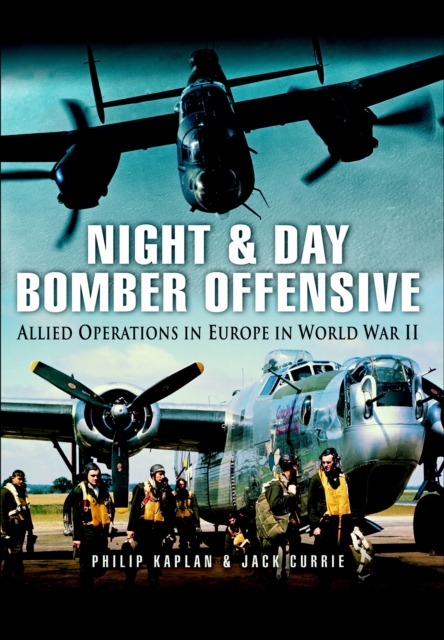
For much of World War II England provided the only western European base from which the British and American air forces could take the war into Nazi-occupied Europe and Germany itself.