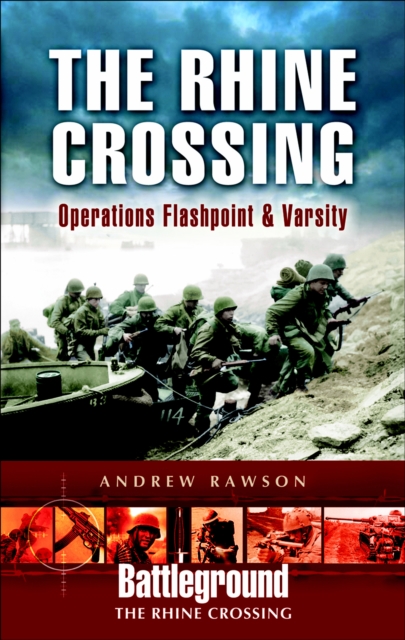
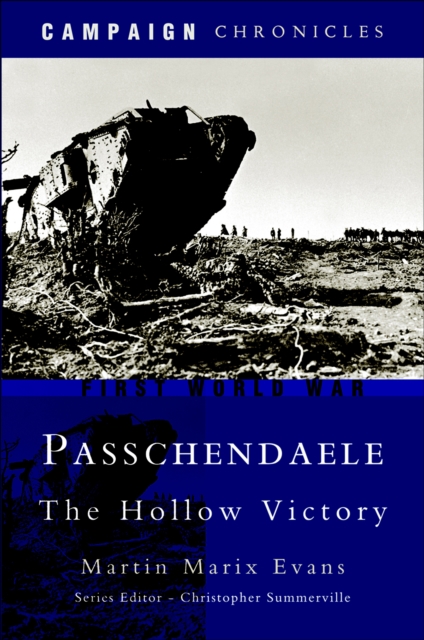
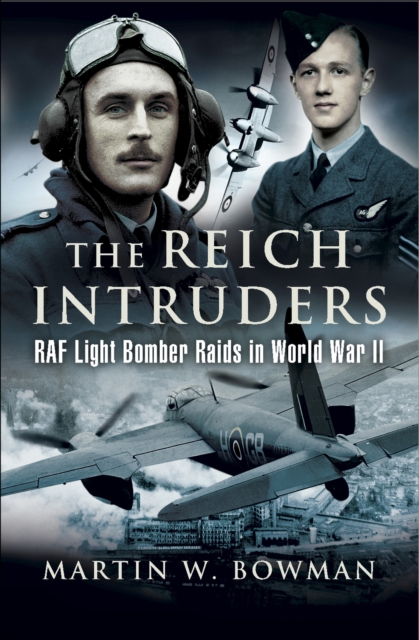
While best known as being the scene of the most terrible carnage in the WW1 the French department of the Somme has seen many other battles from Roman times to 1944.
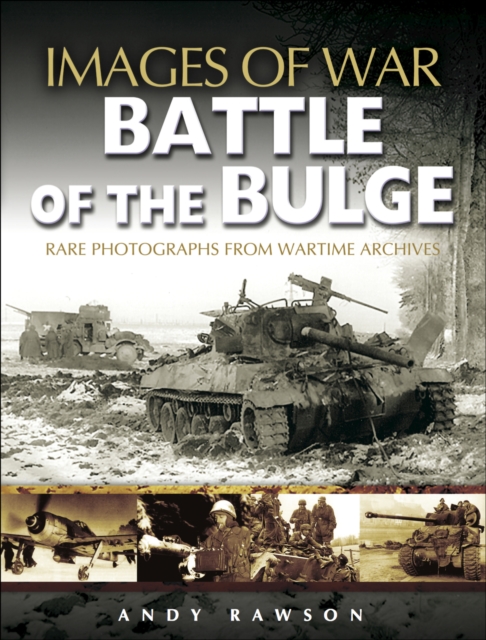
Dramatic photographs of Nazi Germany's shocking Ardennes Offensive that nearly turned the tide of World War II-from the author of In Pursuit of Hitler.
In an overdue attempt to portray the real effect of the war on life at home, David Bilton examines all the major events of the period and charts their effect on everyday life for those trying to live a normal existence.
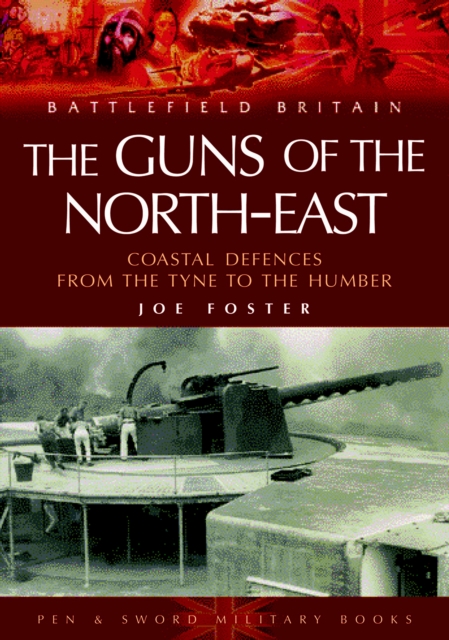
A graphic account of the defence of Hartlepool, Whitby and Scarborough against German seaborne raiders in 1914 and a detailed history the coastal defences that confronted the German navy.
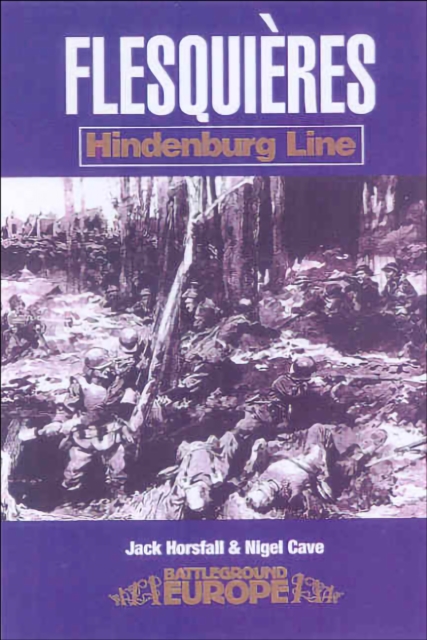
The third in a trilogy of books, the others being Cambrai -The Right Hook and Bourlon Wood by the same authors covering the battle for Cambrai in November 1917.
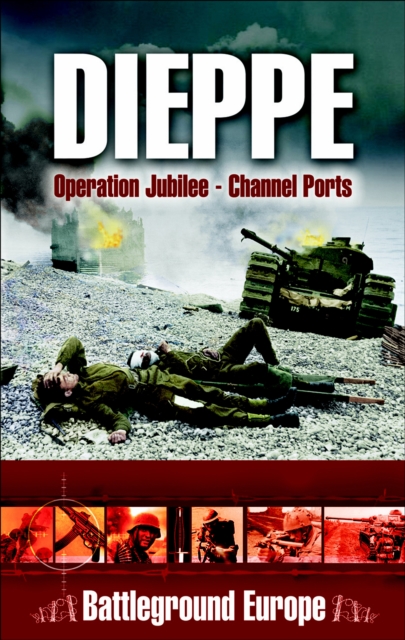
The Battleground Europe series has helped create a new audience for the story of the desperate battles of World War I, But up to now the series has largely been concerned with the ground war.
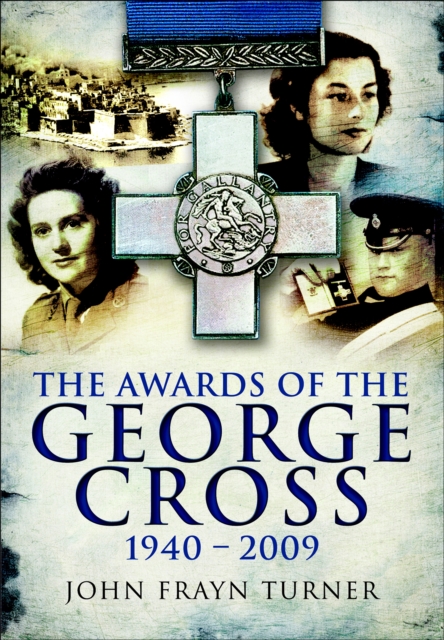
Early in WW2, King George VI was deeply impressed by the heroic deeds of servicemen out of the front line and civilian non-combatants in acts connected with the war such as bomb disposal and rescues after air raids.
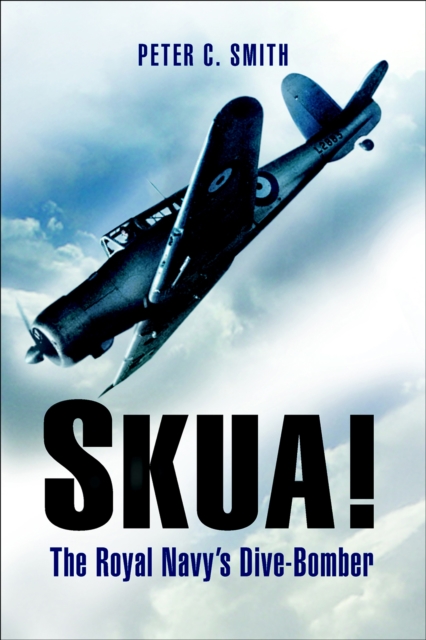
The inter-war years between 1918 and 1939 saw the newly created Royal Air Force fighting for its very existence politically, being dispatched to the remotest corners of the British Empire and its Protectorates in various policing roles and then finally engaged in a headlong rush to modernize in the face of the new German Fascist regime that was threatening British and European freedom.
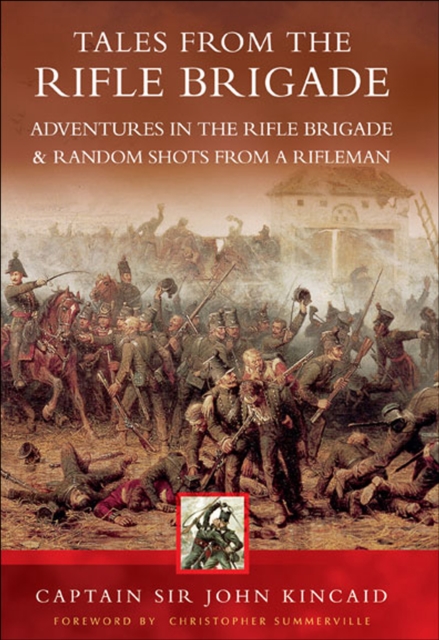
To Napoleon's troops, the sharp shooters of the 95th (Rifle) Regiment were 'the rascals in green', famed throughout Europe for their bravery, skill, and dash.
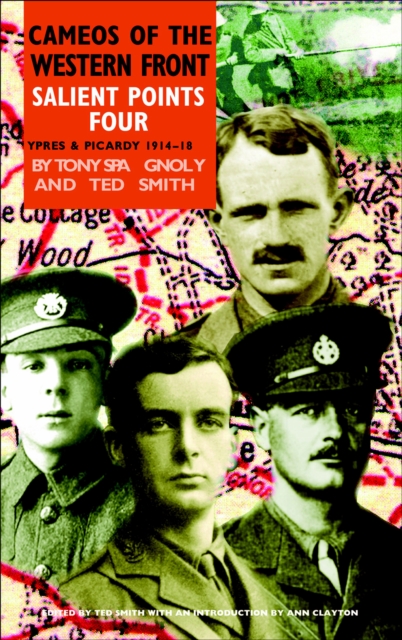
Concentrating on the Ploegsteert and Neuve Eglise sectors in Belgium, this book features stories on such well known figures as sculptor Charles Sargent Jagger, ARA ; R Poulton Palmer and 'Tanky' Turner, great friends and rugby football captains of England and Scotland respectively; as well the discovery and eventual burial of a Lancashire Fuslier who was killed in action in 1914; the research leading to the erection in 2002 of a 'Believed to be buried' headstone in the Strand cemetery of an Australian killed in action at Messines in 1917; the action in 1914 that initiated the birth of the infamous 'Birdcage' on the western edge of Ploegsteert Wood and other stories of interest to enthusiasts of the Great War.
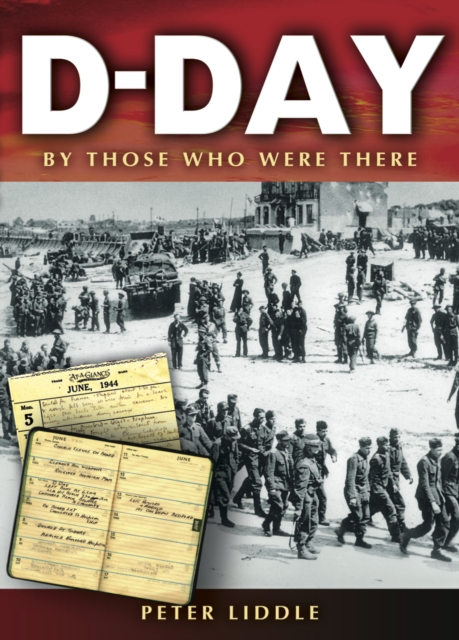
Drawing upon a new international archive of the Second World War, the support of veterans world-wide and from archives overseas, the author uses previously unpublished letters, diaries, photographs and reminiscences to tell the story of D Day in a way which brings the reader closer to the actual experience.