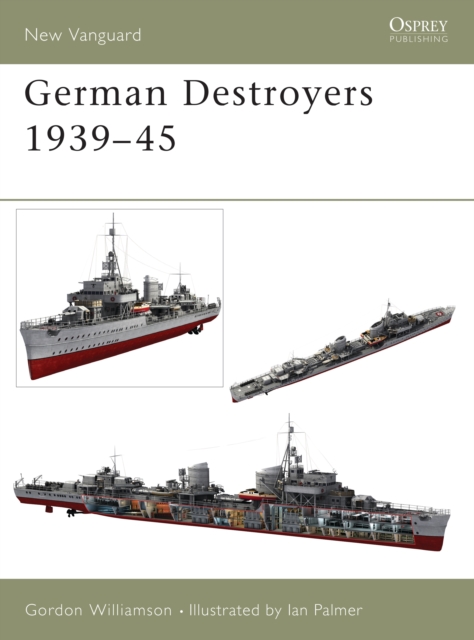
The German destroyer fleet of World War II consisted of nine classes: the Diether Von Roeder Class, the Leberecht Maas Class and the wartime classes Z23, Z35, Z37, Z40, Z43, Z46 and Z52.
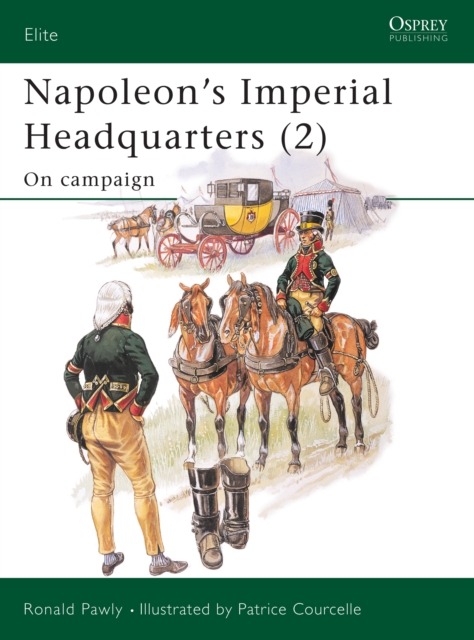
Following Elite 115 which described the composition of Napoleon's military and civil 'households', and Marshal Berthier's army general headquarters this title offers an intimate glimpse of the Emperor's entourage in the field.
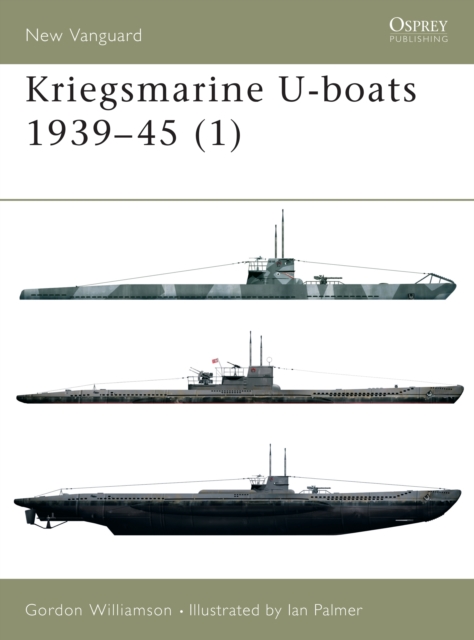
This, the first of two volumes on Germany's World War II U-boats, traces their development from the early U-boats of the Kaiser's Navy, culminating in the formation of the 1st U-boat Flotilla in 1935 with the modern Type II.
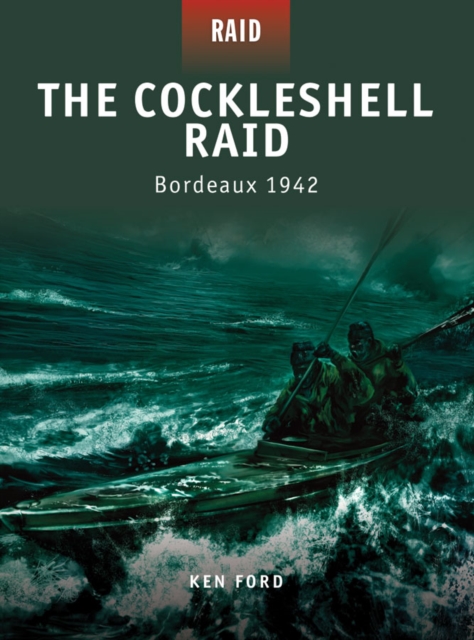
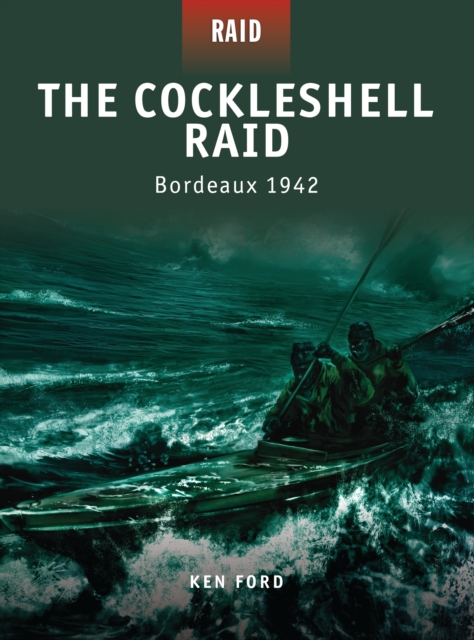
On the night of December 7, 1942, five canoes were launched off the mouth of the Gironde river, each containing a pair of British commandoes tasked with slipping into the port of Bordeaux and destroying as many of the merchant ships as possible.
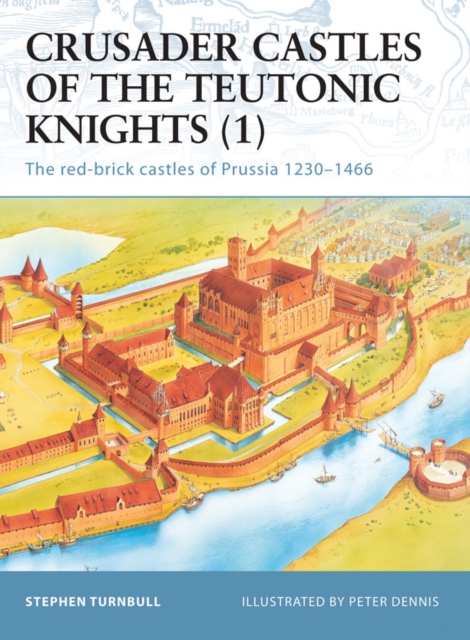
Throughout their stormy history the Teutonic Knights of Germany have always been the most controversial brotherhood ever to call themselves 'Knights of Christ'.
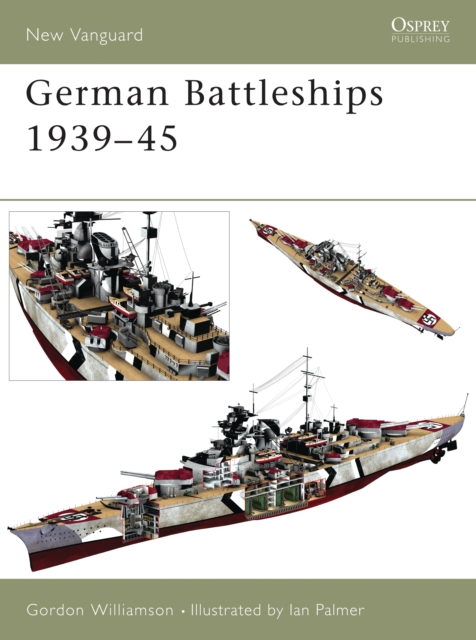
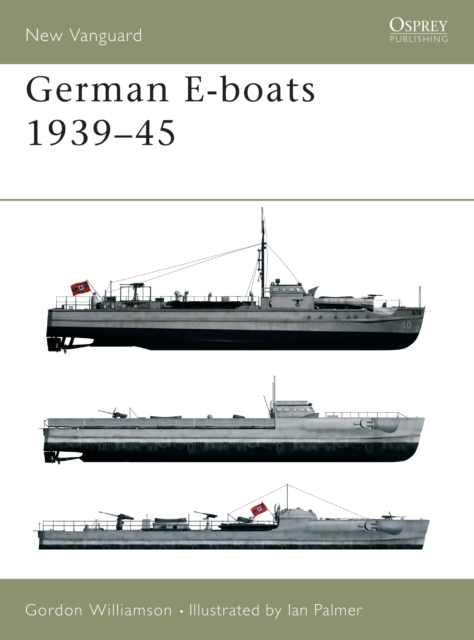
By the outbreak of World War II, Germany had done much to replace the Kaiser's High Seas Fleet, which was scuttled following their surrender at the end of World War I.
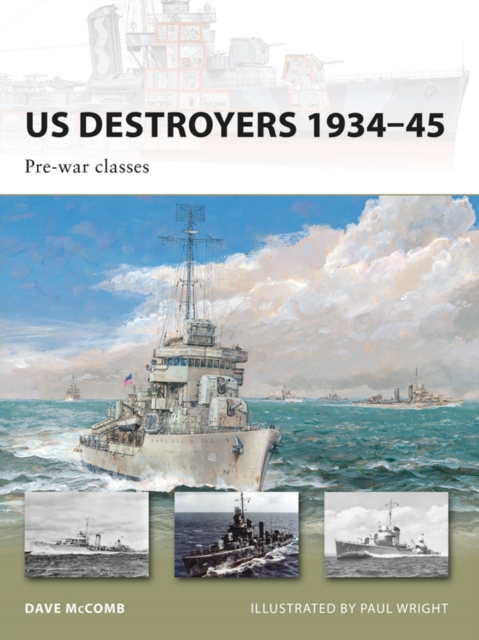
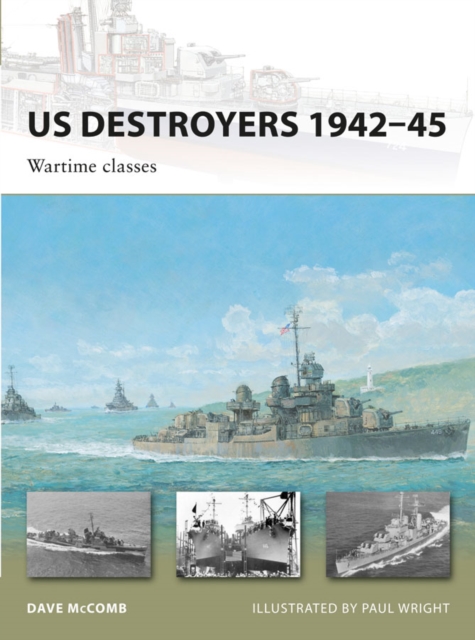
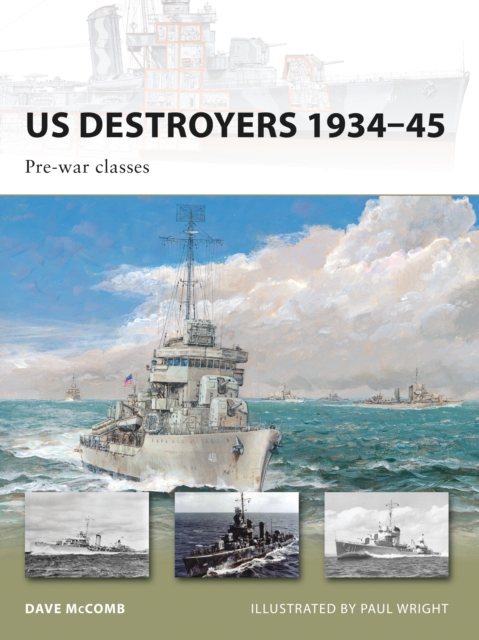
Since the beginning of the 20th century, destroyers have been all-purpose ships, indispensable from delivering the mail at sea to screening other vessels and, where larger ships were not present, forming the front line in battle.
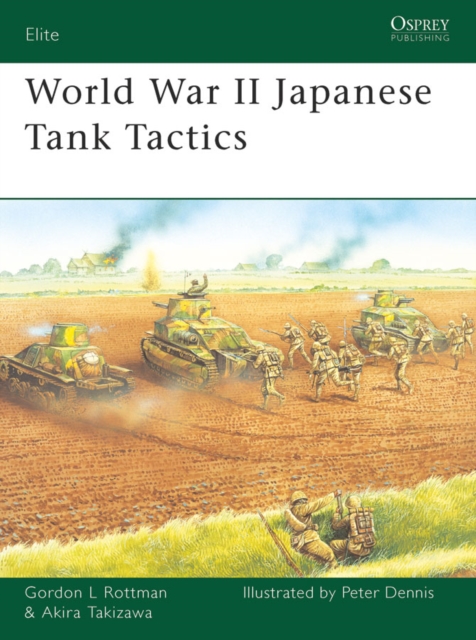
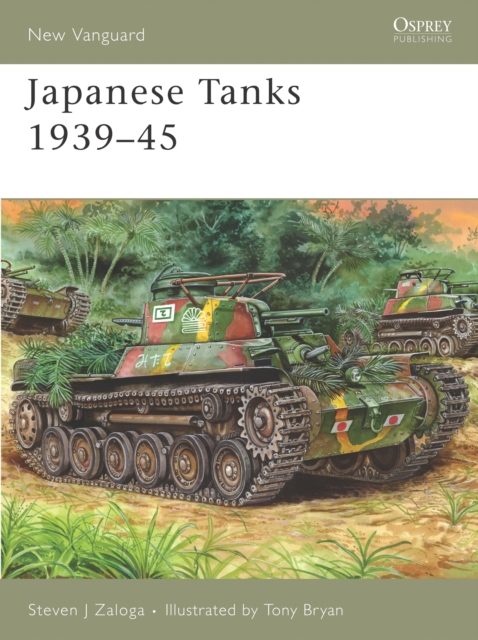
Expert author and tactician Gordon L Rottman & Akira Takizawa provide the first English-language study of Japanese Army and Navy tank units, their tactics and how they were deployed in action.
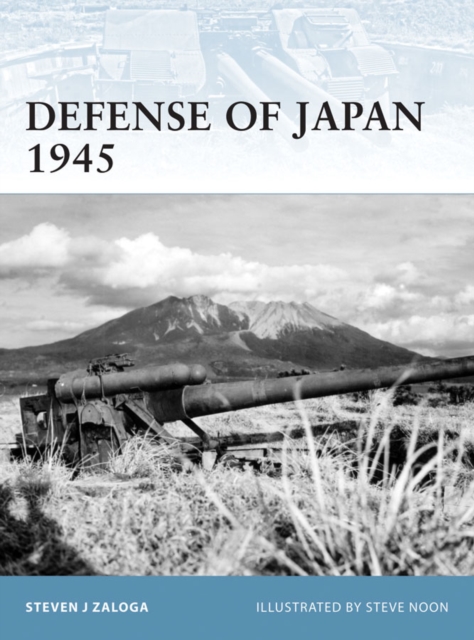
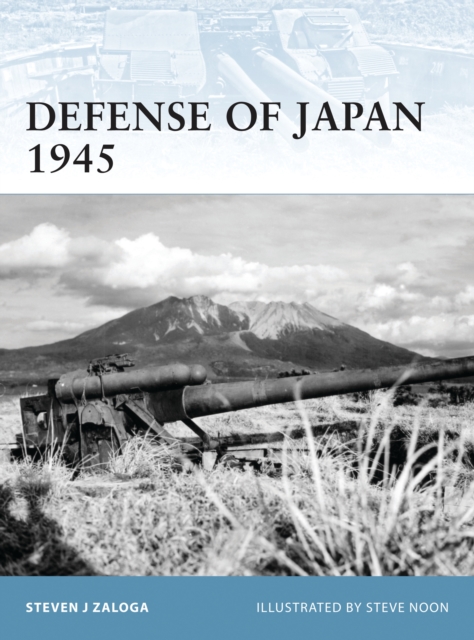
In 1945, with her fleet destroyed and her armies beaten, the only thing that stood between Japan and an Allied invasion was the numerous coastal defence positions that surrounded the islands.
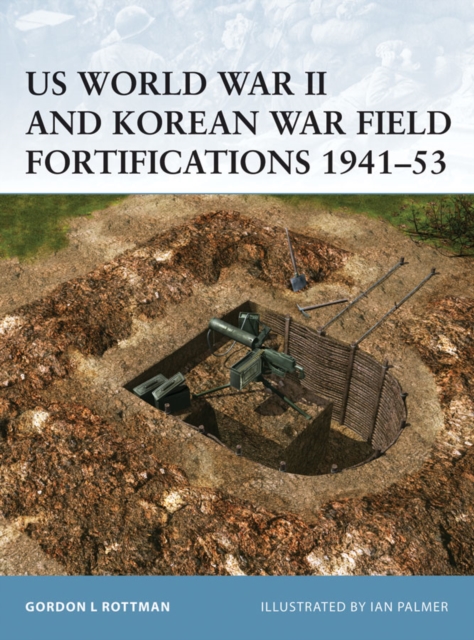
Gordon L Rottman explores the design development and combat history of the US Army's field fortifications during these two major wars, alongside illustrations and diagrams throughout.
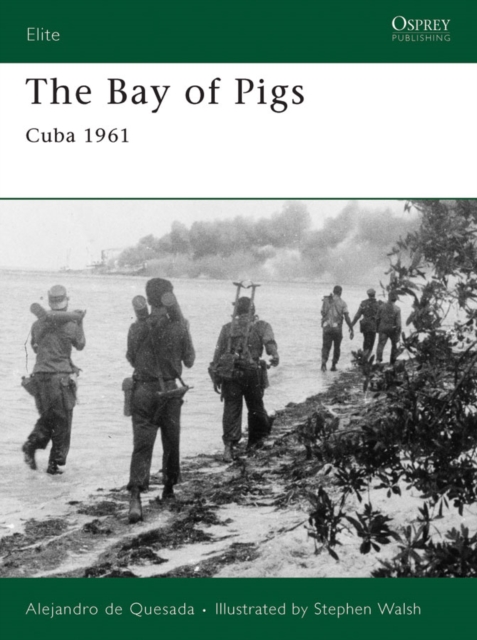
From the shadowy world of the CIA to the desperate actions of exiles seeking to return home, this dramatic story reveals how Cold War politics were played out on the battlefield.
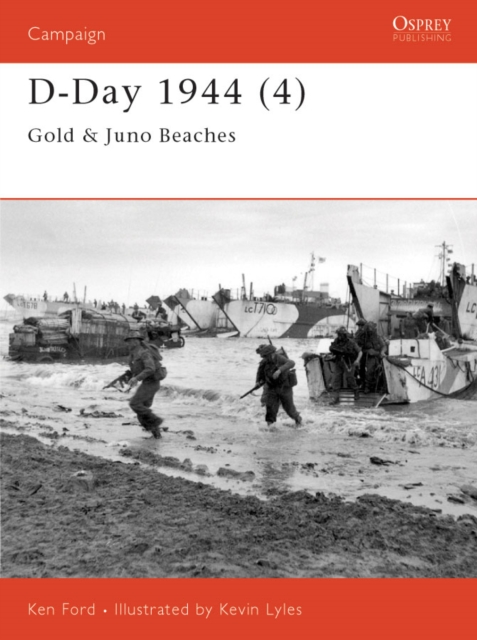
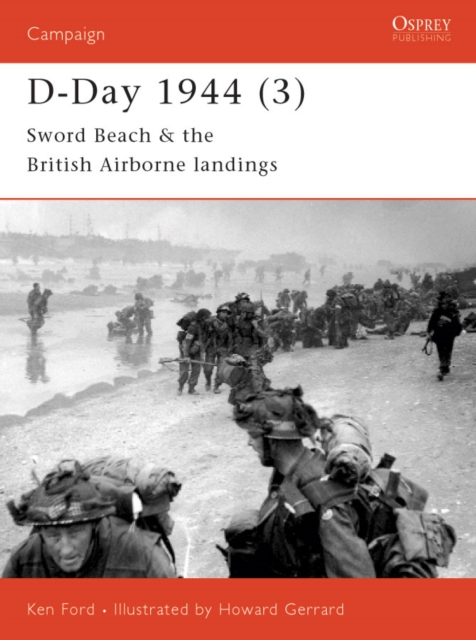
A highly illustrated and detailed study of the Gold and Juno Beaches Landings Operation Overlord, the Allied invasion of Normandy, was the greatest sea-borne military operation in history.
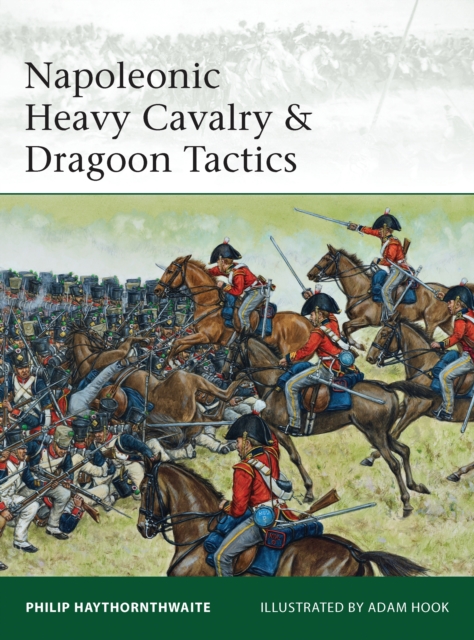
During the Napoleonic Wars the supreme battlefield shock weapon was the heavy cavalry the French cuirassiers, and their British, Austrian, Prussian and Russian counterparts.
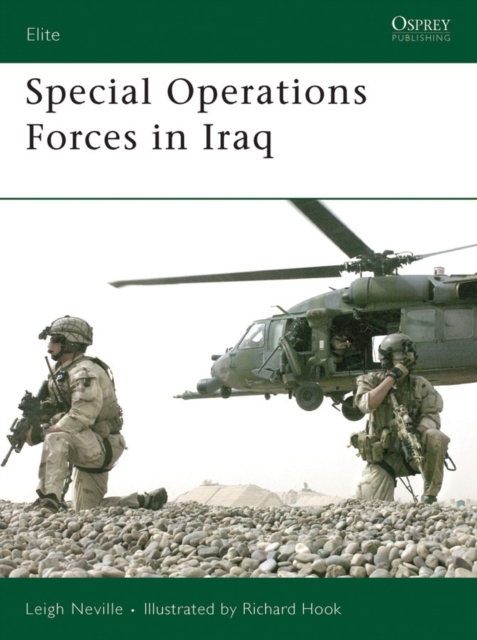
Filled with recently declassified material, first hand accounts, and unique photographs, this book offers a rare look at the largest mobilisation of Special Forces in recent history.
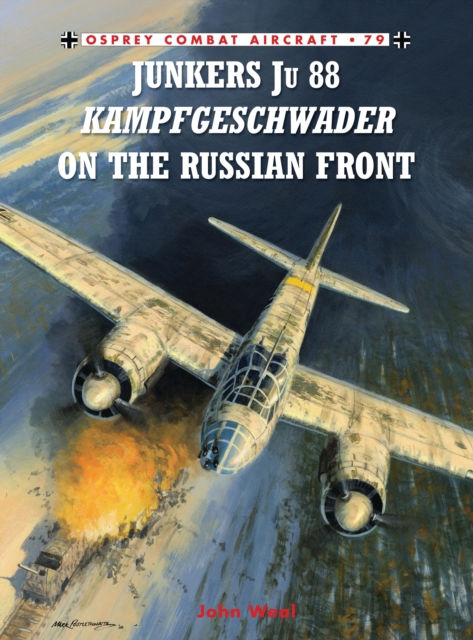
Written and illustrated by Luftwaffe expert John Weal, this book completes Osprey's trilogy on one of the most important German aircraft of World War II.
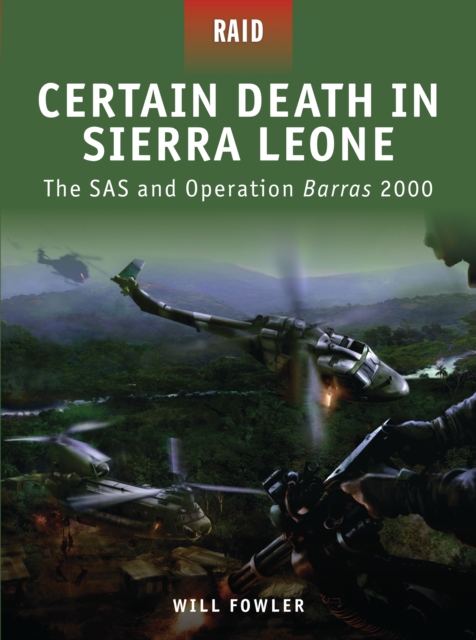
In September 2000 the notorious militia gang, 'West Side Boys' kidnapped eleven British soldiers in Sierra Leone and Operation Barras was launched as the rescue operation.
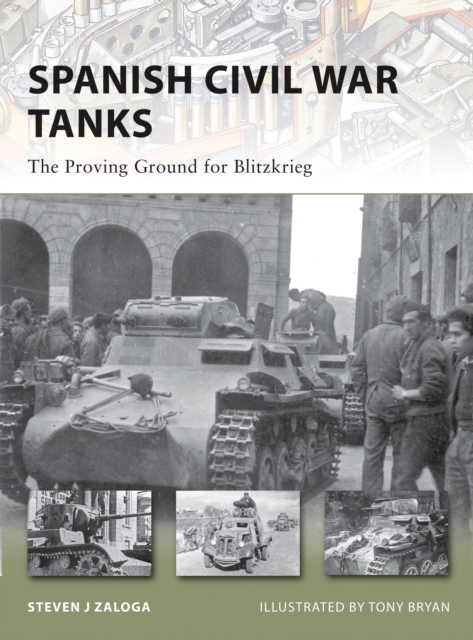
The tanks used during the Spanish Civil War are not often examined in any great detail, and are often labeled as little more than test vehicles in a convenient proving ground before World War II.
In 1945, with her fleet destroyed and her armies beaten, the only thing that stood between Japan and an Allied invasion was the numerous coastal defence positions that surrounded the islands.
On the night of December 7, 1942, five canoes were launched off the mouth of the Gironde river, each containing a pair of British commandoes tasked with slipping into the port of Bordeaux and destroying as many of the merchant ships as possible.
Since the beginning of the 20th century, destroyers have been all-purpose ships, indispensable from delivering the mail at sea to screening other vessels and, where larger ships were not present, forming the front line in battle.