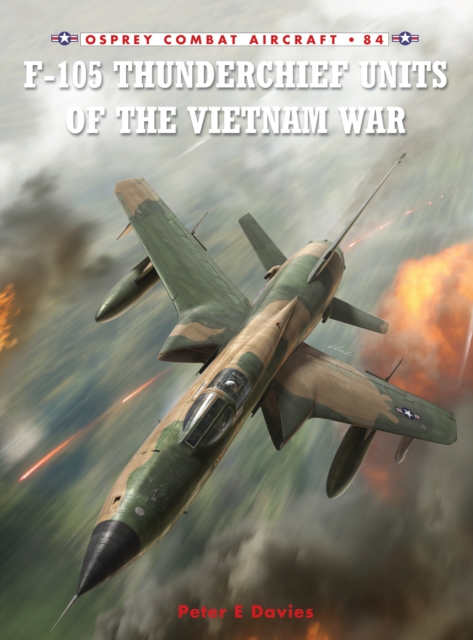
The combat history of the F-105 Thunderchief units during the Vietnam War, detailing the strengths and weaknesses of the aircraft, and the difficulties it faced during many months of dangerous combat.
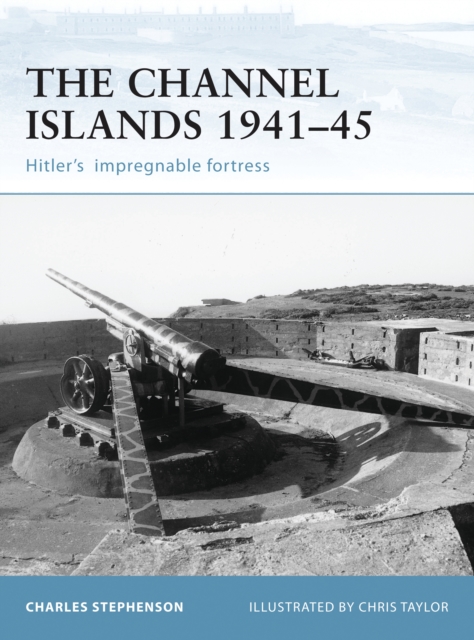
Following the fall of France and the surrender of Paris on 14 June 1940, the British Government announced that the Channel Islands had no strategic importance and would not be defended.
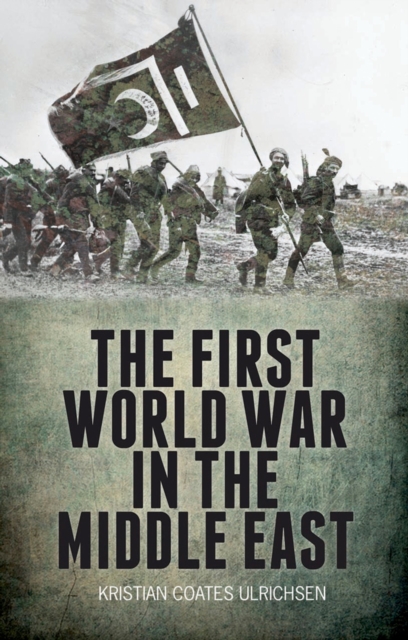
The First World War in the Middle East is an accessibly written military and social history of the clash of world empires in the Dardanelles, Egypt and Palestine, Mesopotamia, Persia and the Caucasus.
This compact, illustrated guide examines the design, construction, and operation of the first six of the ten US fast battleships, two of the North Carolina class and four of the South Dakota class.
The First World War in the Middle East is an accessibly written military and social history of the clash of world empires in the Dardanelles, Egypt and Palestine, Mesopotamia, Persia and the Caucasus.
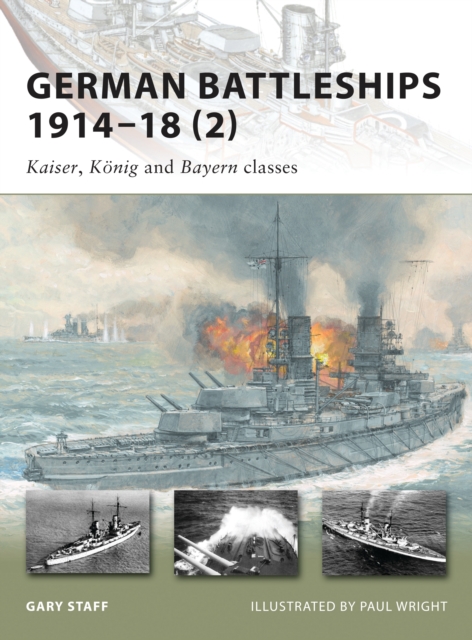
The design and development of the key dreadnought classes for the German Imperial Navy and their deployment in World War I, including the great clash of dreadnoughts at the Battle of Jutland and operations in the Baltic.
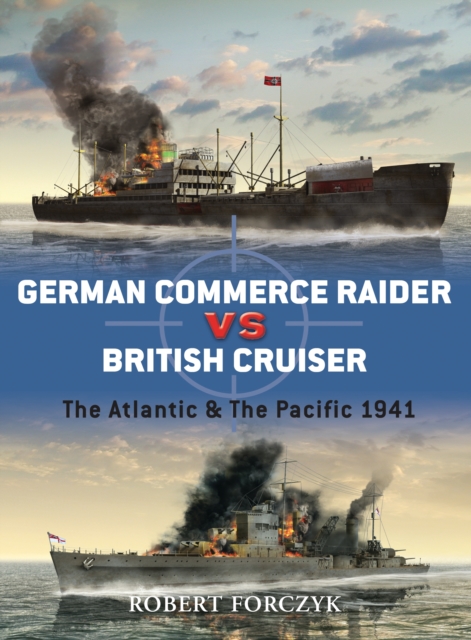
The history of one of the greatest acts of deception as Kriegsmarine raiders disguised as merchant ships wrecked havoc on Allied shipping and the Allied cruisers who finally destroyed them.
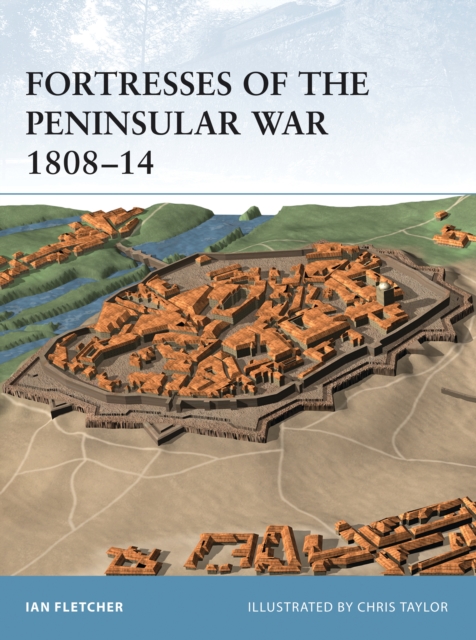
In the course of the Peninsular War, Wellington's army fought several hard battles and smaller actions, but it was the bloody sieges that troubled him more than anything else.
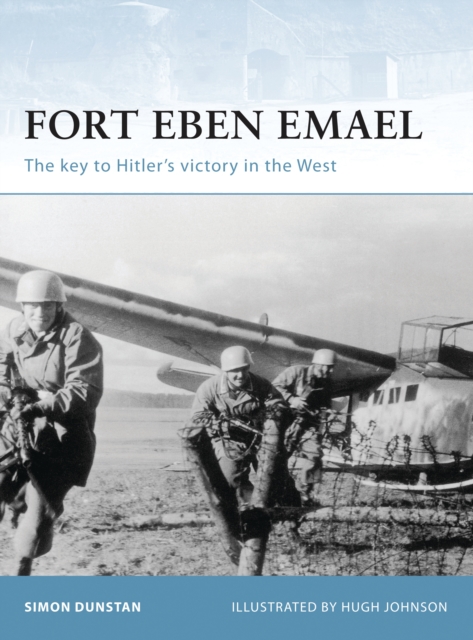
At the outbreak of World War II, Fort Eben Emael in Belgium was the strongest fortress in the world, and it lay exactly across the German invasion route of Belgium and France.
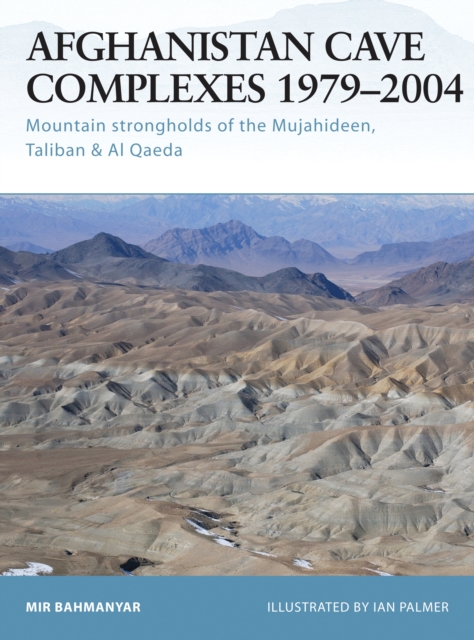
Following the Soviet invasion in 1979, the Mujahideen defenders of Afghanistan developed and reinforced many natural cave systems to use as supply bases and defensive positions.
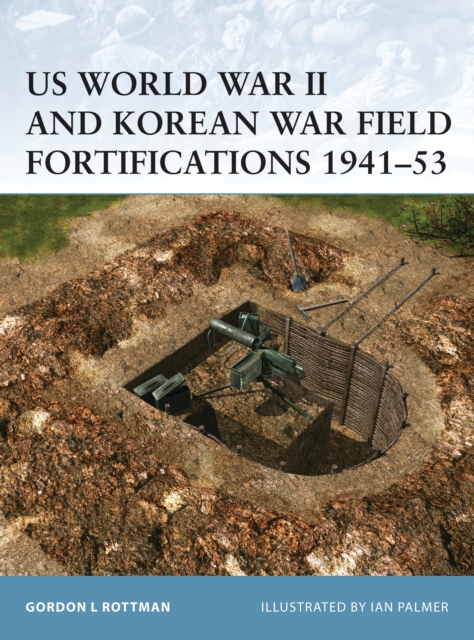
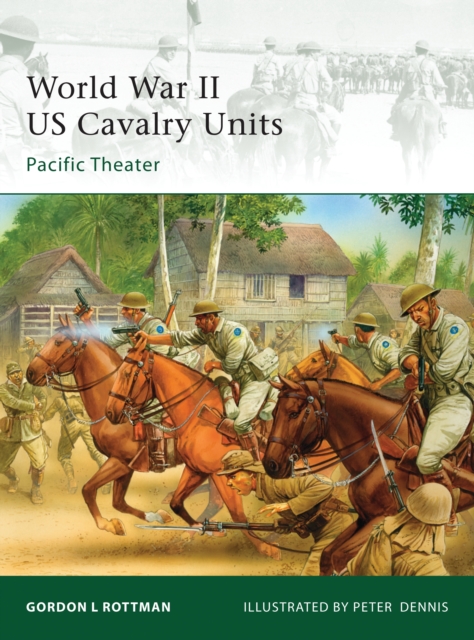
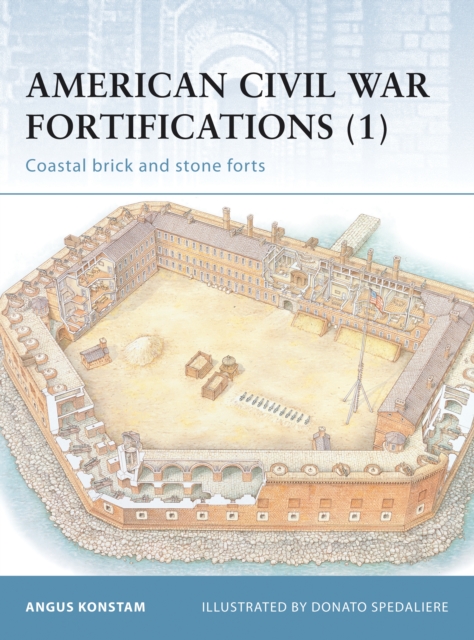
Gordon L Rottman explores the design development and combat history of the US Army's field fortifications during these two major wars, alongside illustrations and diagrams throughout.
The techniques of European warfare were transformed during the 15th and 16th centuries by the use of gunpowder and by substantial progress in the effectiveness and destructive power of artillery.
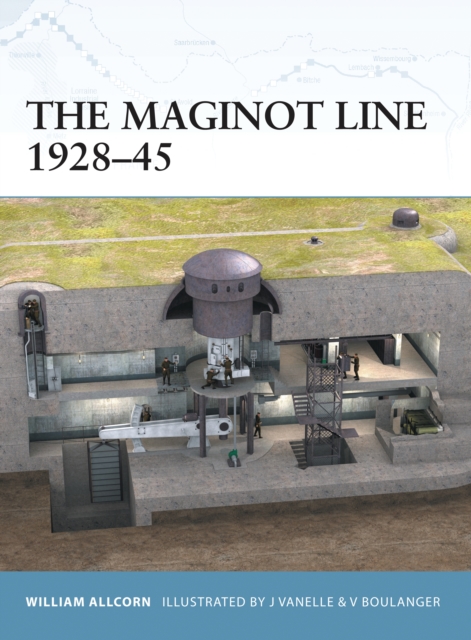
The Maginot Line, the massive series of fortifications built by France in the 1930s to defend its borders with Germany and Italy, is perhaps the most maligned collection of fortifications ever built.
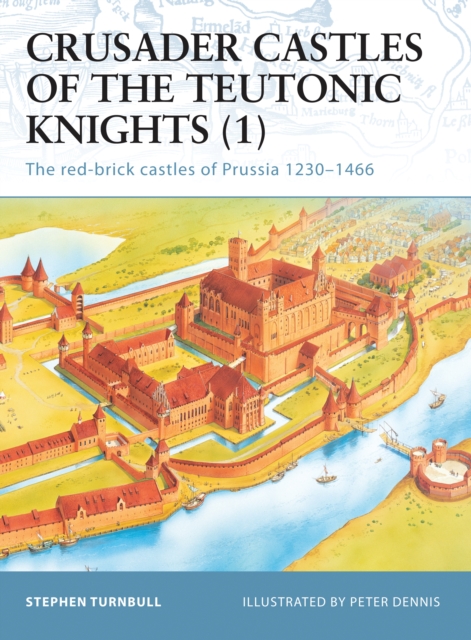
Throughout their stormy history the Teutonic Knights of Germany have always been the most controversial brotherhood ever to call themselves 'Knights of Christ'.
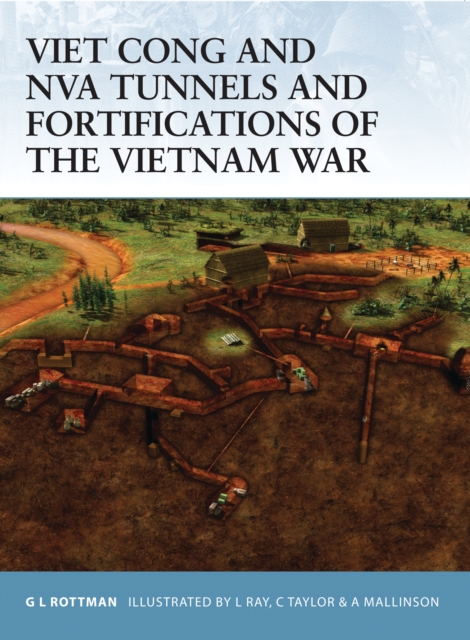
During the Vietnam War, the Viet Cong (VC) main forces and North Vietnamese Army (NVA) were forced to hide weapons and supplies underground and to dig protective shelters to counter massive US firepower.
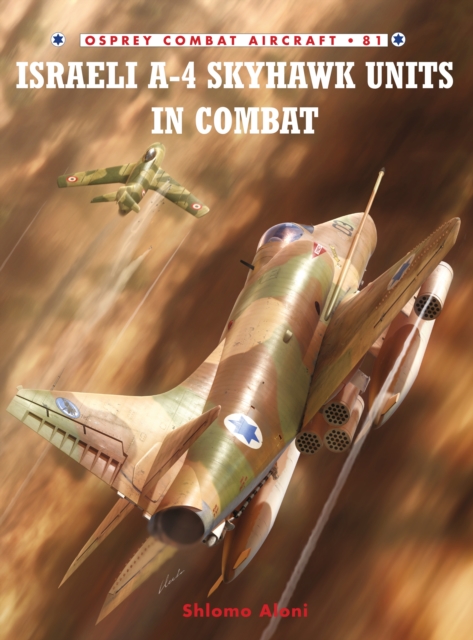
An illustrated combat history of the A-4 Skyhawk, which flew numerous attack missions in Israeli service and initiated the Israeli Air Force's transition from French to US aircraft.
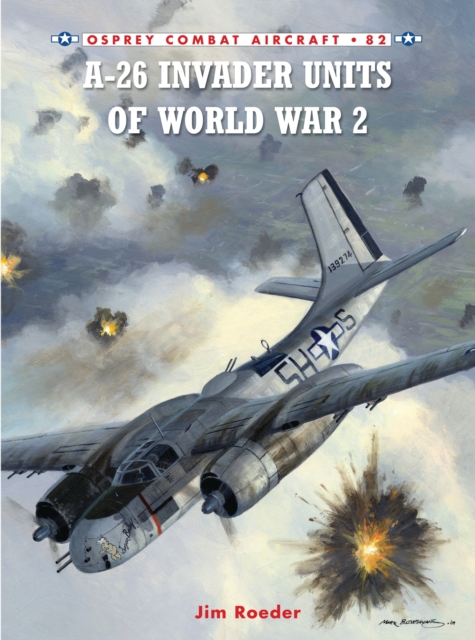
Designed to combine the bombing capability of the B-26 Marauder with the versatility of the ground-attack A-20 Havoc, the A-26 Invader would become the USAAF's attack bomber par excellence.
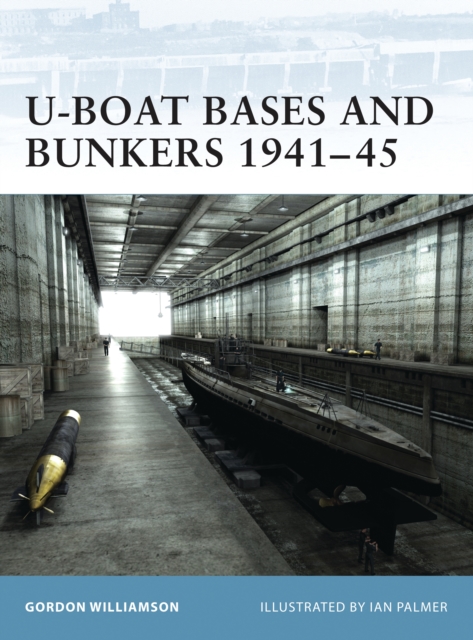
Few of the massive military structures built by Germany during World War II are as impressive as the U-Boat bases and bunkers in Germany, Norway and France.
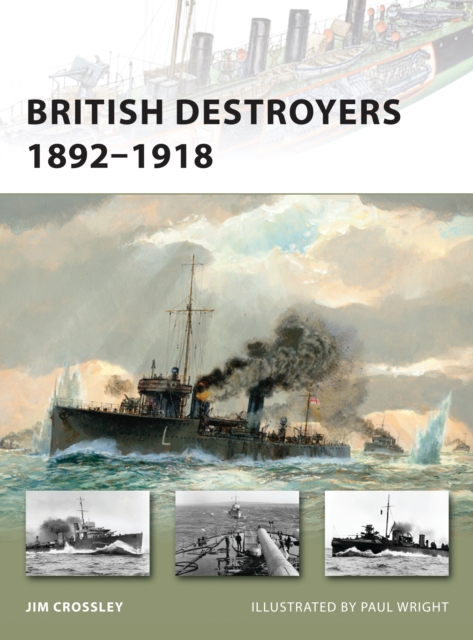
A history of the first destroyers of the Royal Navy, which revolutionized the way war was fought at sea with new armaments and a great improvement on earlier designs.
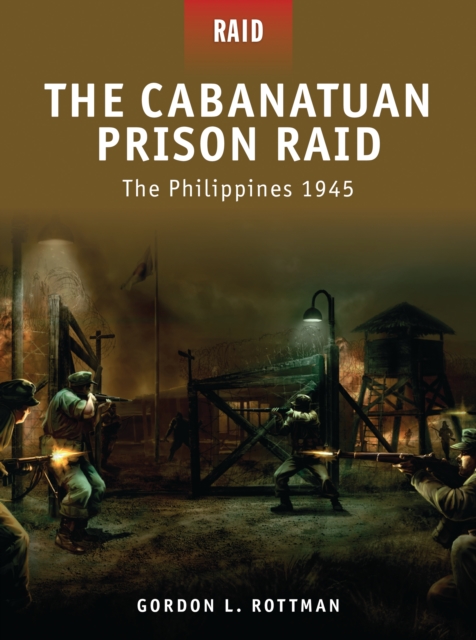
On 27 January 1945 the 6th Ranger Battalion and the 6th Army Special Reconnaissance Unit (the Alamo Scouts) began the most dangerous and important mission of their careers: to rescue 500 American, British and Dutch prisoners-of-war held at a camp near Cabanatuan.
The Office of Strategic Services, the forerunner of the CIA, was founded in 1942 by William 'Wild Bill' Donovan under the direction of President Roosevelt.
From June 1941, the Soviets were forced to undertake large-scale defensive operations in the face of the overwhelming German blitzkrieg assault, operations which ran counter to their preference for highly mobile, offensive warfare.
A focused look at the first dreadnought classes for the German Imperial Navy and their deployment in World War I, including the great clash of dreadnoughts at the Battle of Jutland.
An expertly written, illustrated new analysis of the Desert Storm air campaign fought against Saddam Hussein's Iraq, which shattered the world's fourth-largest army and sixth-largest air force in just 39 days, and revolutionized the world's ideas about modern air power.
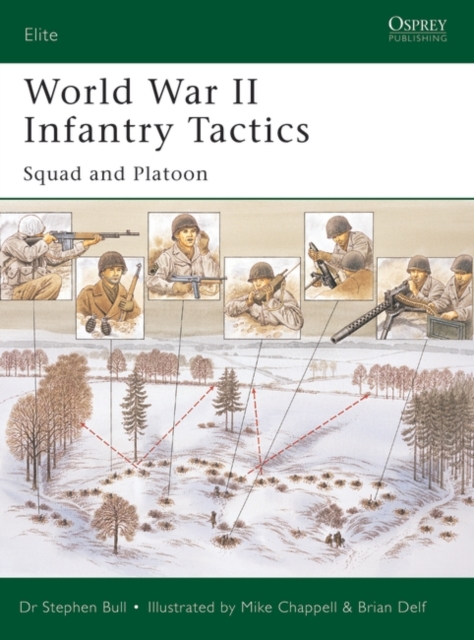
Despite all technological advances, final mastery of any battlefield depends upon the tight-knit group of footsoldiers trained to manoeuvre, shoot and dig in.
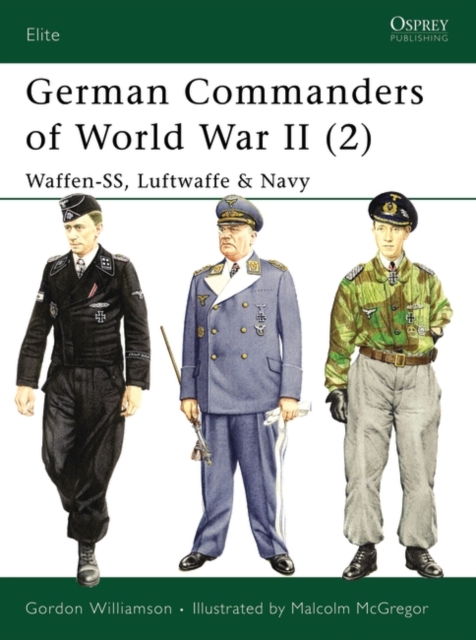
This second of two selections of Germany's World War II field commanders summarizes the careers, and illustrates the appearance, of 26 men who rose to prominence in the Waffen-SS, Kriegsmarine and Luftwaffe.