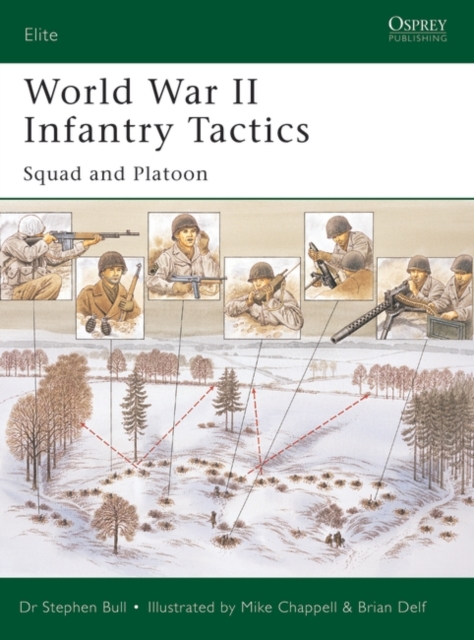
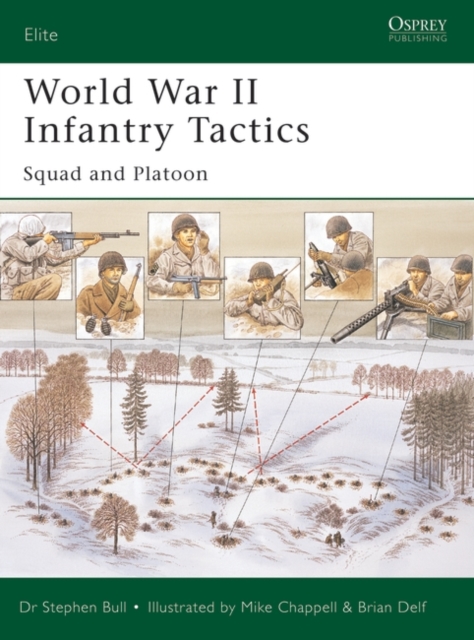
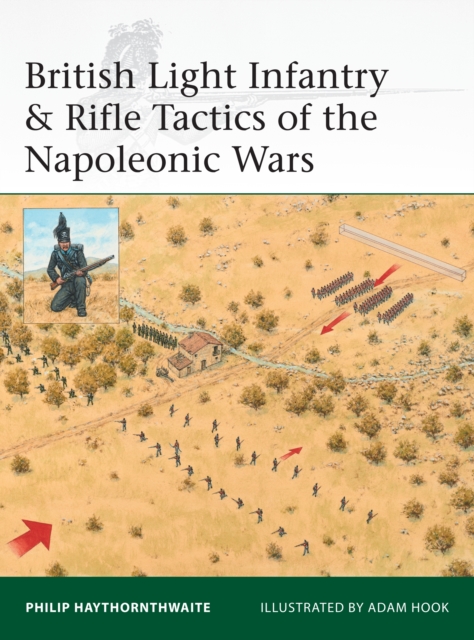
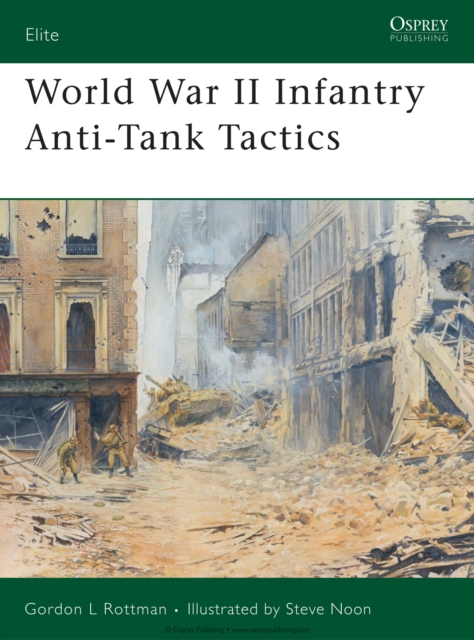
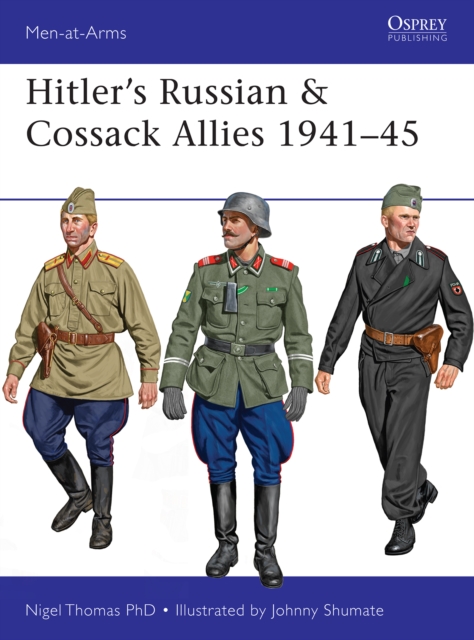
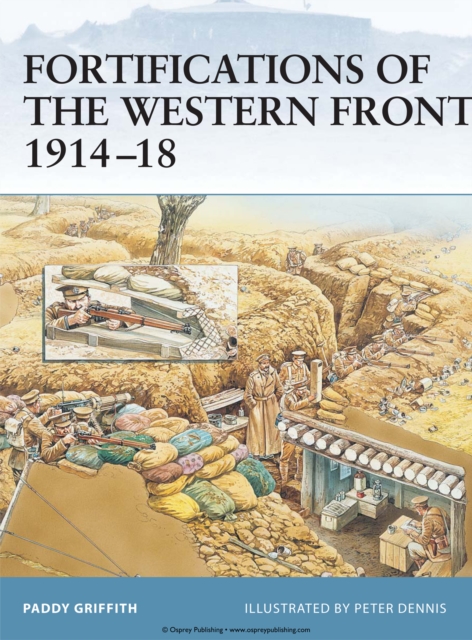
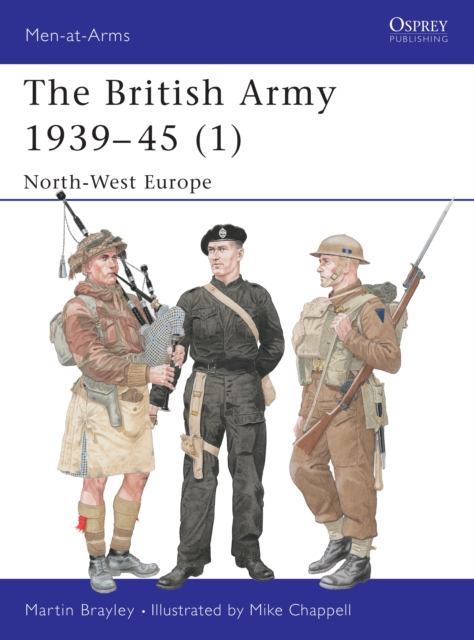
Despite all technological advances, final mastery of any battlefield depends upon the tight-knit group of footsoldiers trained to manoeuvre, shoot and dig in.
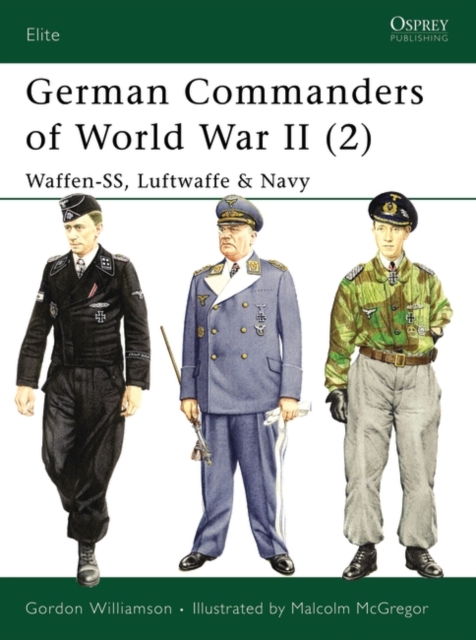
This second of two selections of Germany's World War II field commanders summarizes the careers, and illustrates the appearance, of 26 men who rose to prominence in the Waffen-SS, Kriegsmarine and Luftwaffe.
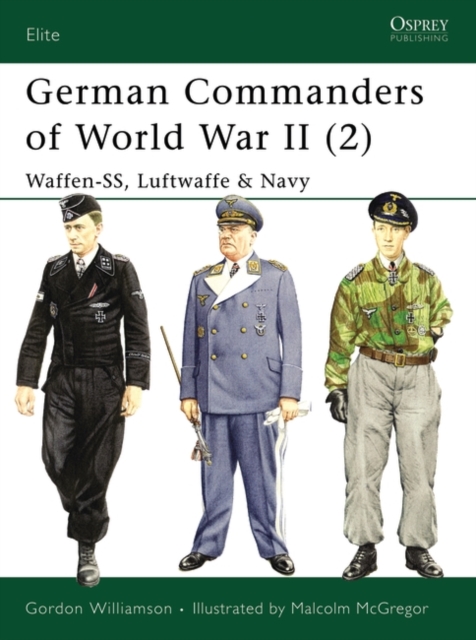
This second of two selections of Germany's World War II field commanders summarizes the careers, and illustrates the appearance, of 26 men who rose to prominence in the Waffen-SS, Kriegsmarine and Luftwaffe.
Despite all technological advances, final mastery of any battlefield depends upon the tight-knit group of footsoldiers trained to manoeuvre, shoot and dig in.
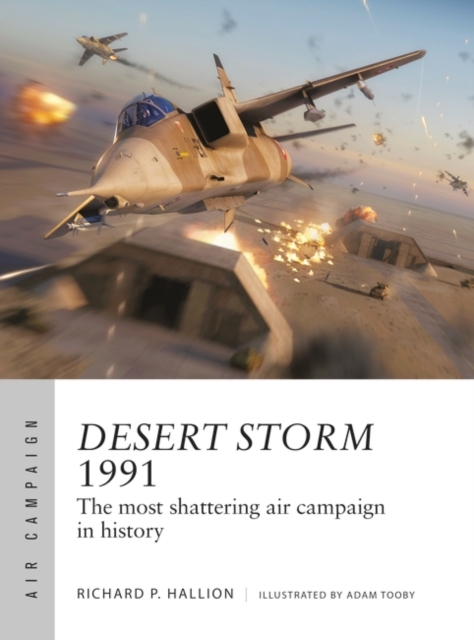
An expertly written, illustrated new analysis of the Desert Storm air campaign fought against Saddam Hussein's Iraq, which shattered the world's fourth-largest army and sixth-largest air force in just 39 days, and revolutionized the world's ideas about modern air power.
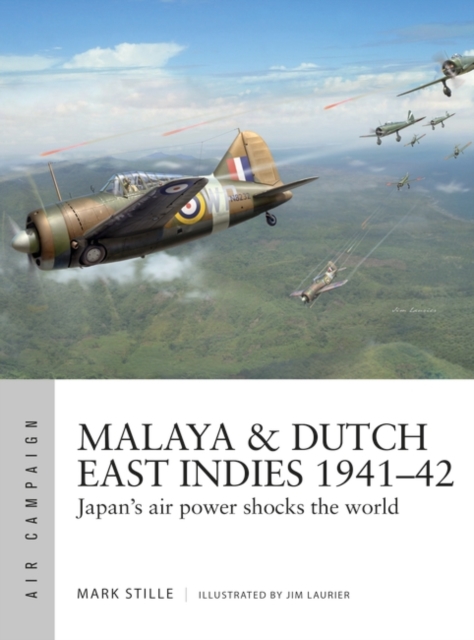
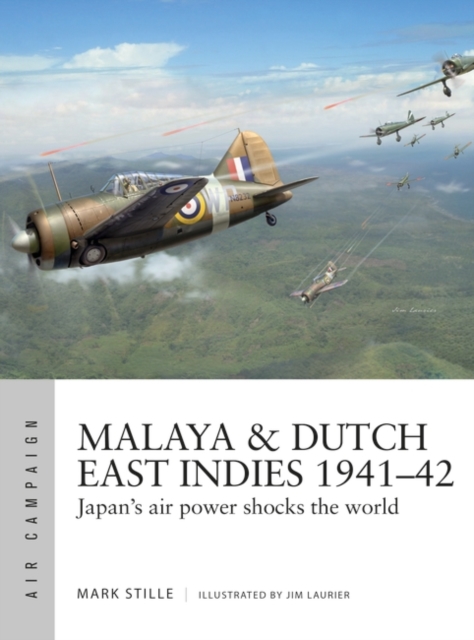
This illustrated study explains how Japan's all-conquering air forces spearheaded the invasions of Malaya and the Dutch East Indies and stunned the defending British, Dutch, and American forces.
This illustrated study explains how Japan's all-conquering air forces spearheaded the invasions of Malaya and the Dutch East Indies and stunned the defending British, Dutch, and American forces.
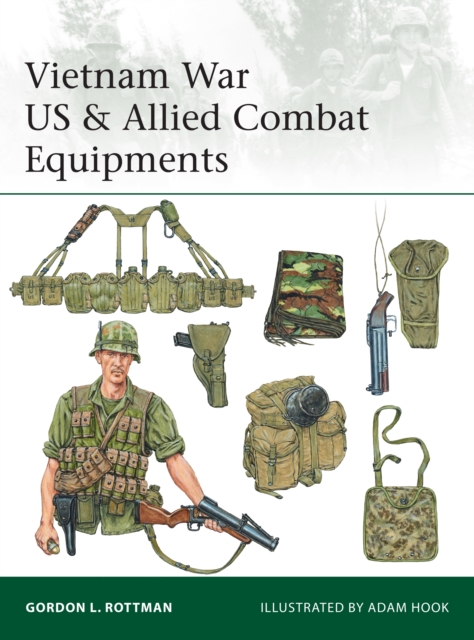
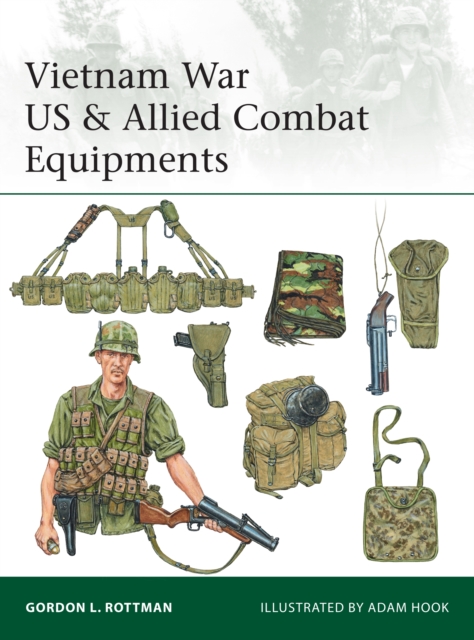
A complete illustrated guide to everything that Vietnam-era American GIs and their allies carried into battle including all the belts, pouches and packs.
A complete illustrated guide to everything that Vietnam-era American GIs and their allies carried into battle including all the belts, pouches and packs.
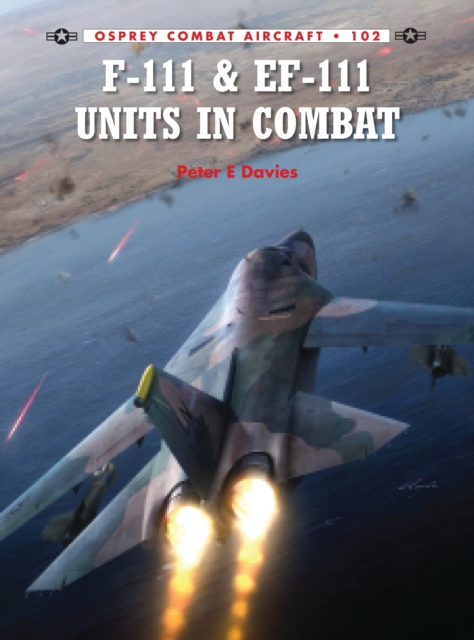
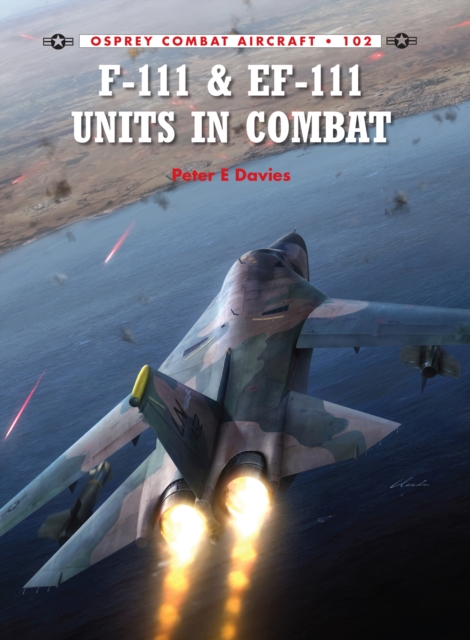
F-111s based in England flew the longest fighter combat mission in history against the Libyan capital Tripoli in 1986, and in 1991 the aircraft was one of the most important Coalition warplanes in the successful Desert Storm campaign.
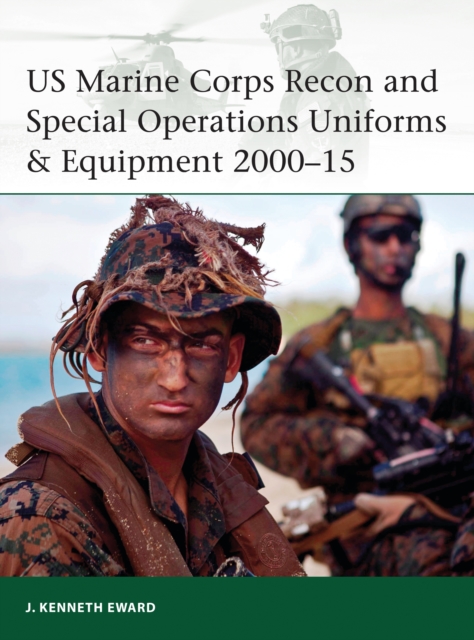
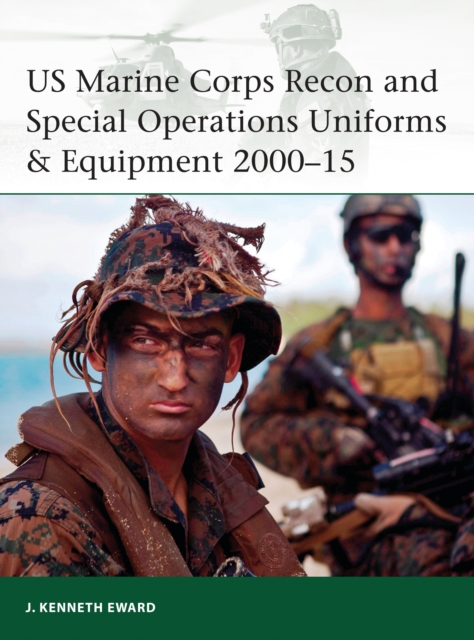
In the age of modern warfare the changing landscape of the 21st century battlefield has demanded a transformation within the US Marine Corps Special Operations.
F-111s based in England flew the longest fighter combat mission in history against the Libyan capital Tripoli in 1986, and in 1991 the aircraft was one of the most important Coalition warplanes in the successful Desert Storm campaign.
In fascinating detail, Dr Stephen Bull describes the slow and painful learning curve of the Allies in the mid-war years, trying to end the Japanese stranglehold on Southeast Asia and the Pacific.
In the age of modern warfare the changing landscape of the 21st century battlefield has demanded a transformation within the US Marine Corps Special Operations.
This title, a prequel to Warrior 57 French Napoleonic Infantryman 1803-15, concentrates on the period from the storming of the Bastille in 1789 until Bonaparte's election as Consul for Life in 1802.
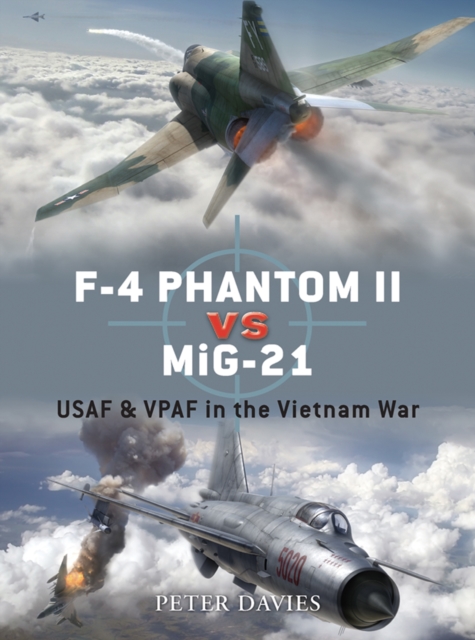
A gripping account of the mighty F-4 Phantom II, icon of the Cold War and ultimate American fighter of the 1960s, versus the nimble, agile and abundant MiG-21, which was a communist icon of the period.
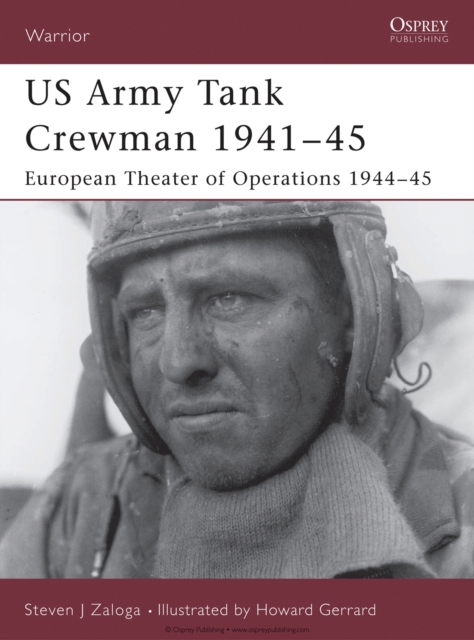
Revealing what it was like to live and fight in a medium tank, this is an examination of the career of a single tanker from 37th Tank Battalion, 4th Armored Division.
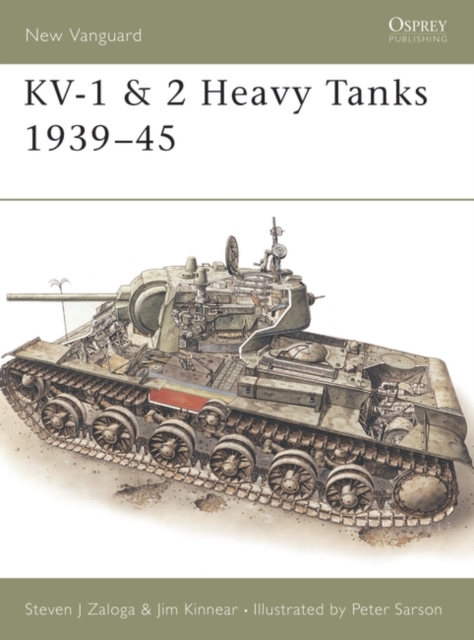
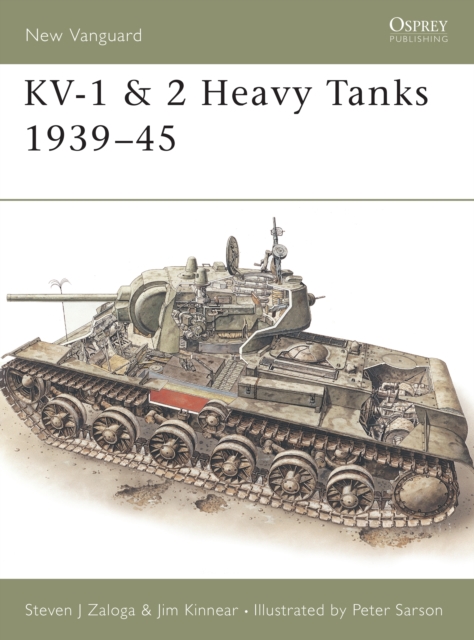
Named after Klimenti Voroshilov, the People's Commissar for Defence, the KVs proved a nasty surprise for German tank crews during the early days of Operation Barbarossa.
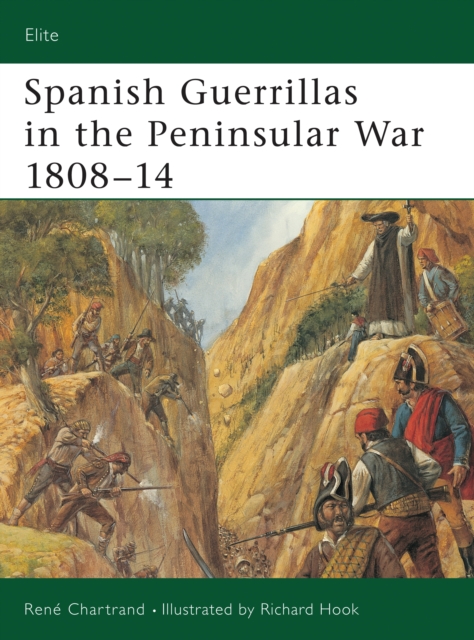
Constant Spanish guerrilla activity so drained the resources and diverted the attention of the French military that Wellington was able to advance against and overcome a numerically superior enemy.
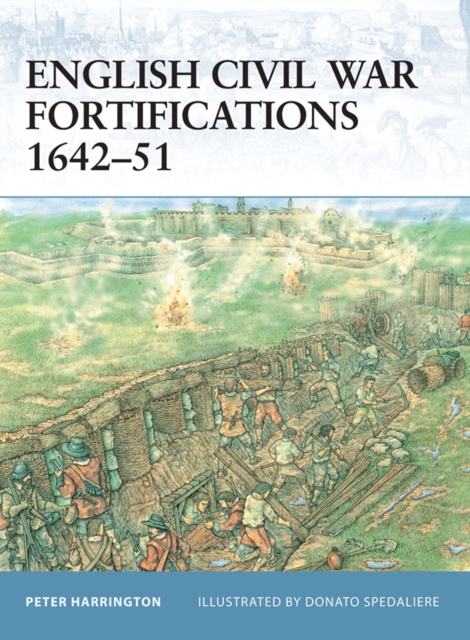
The techniques of European warfare were transformed during the 15th and 16th centuries by the use of gunpowder and by substantial progress in the effectiveness and destructive power of artillery.
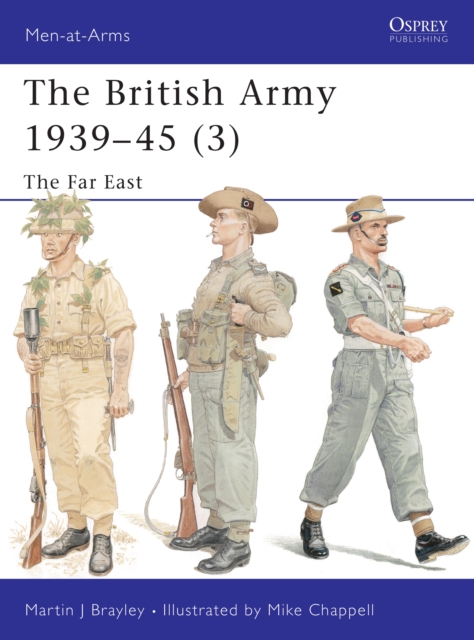
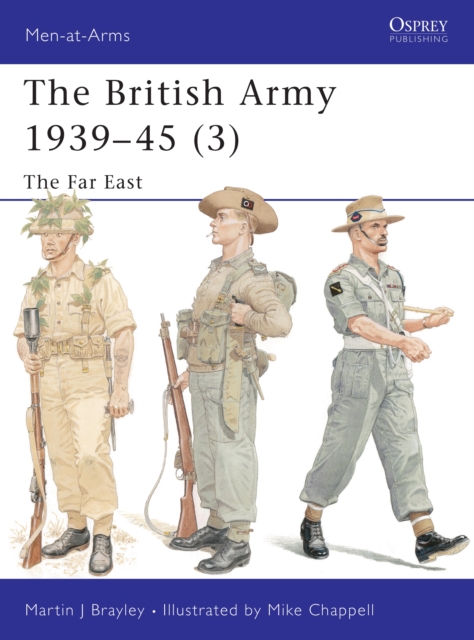
The lightning Japanese offensives in East Asia in 1941/42 inflicted a series of costly defeats on the ill-prepared and badly supported British Commonwealth forces in Malaya and Burma.
Following the fall of France and the surrender of Paris on 14 June 1940, the British Government announced that the Channel Islands had no strategic importance and would not be defended.
Named after Klimenti Voroshilov, the People's Commissar for Defence, the KVs proved a nasty surprise for German tank crews during the early days of Operation Barbarossa.
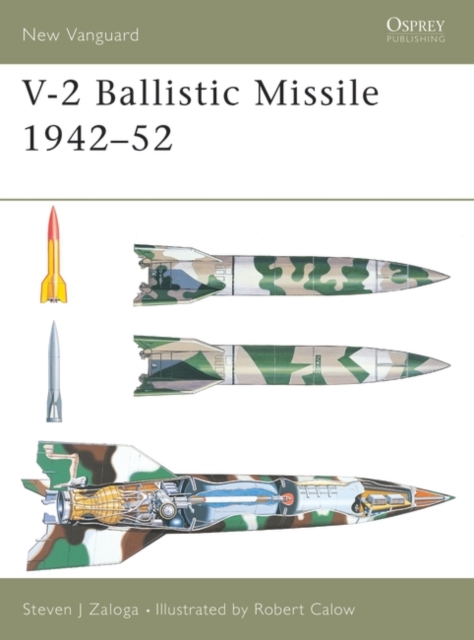
The German A-4 ballistic missile, better known by its propaganda name of V-2, was the world's first successful ballistic missile, breaking through the atmosphere to reach its target quicker.
The lightning Japanese offensives in East Asia in 1941/42 inflicted a series of costly defeats on the ill-prepared and badly supported British Commonwealth forces in Malaya and Burma.