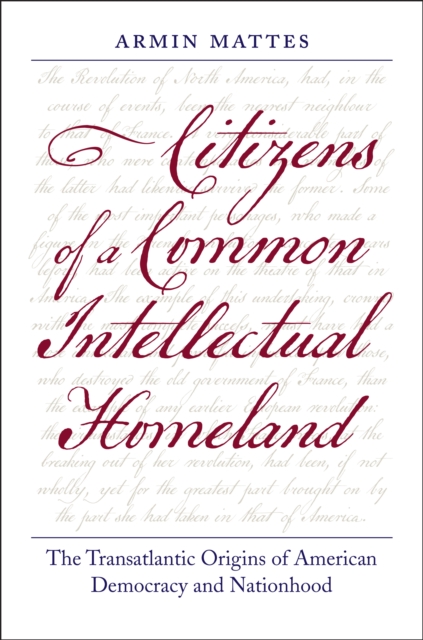
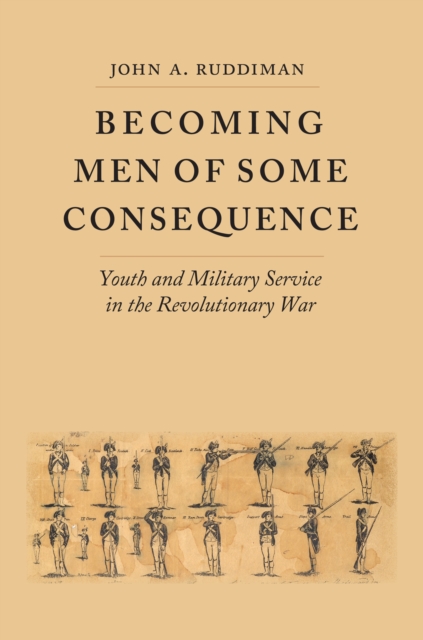
Notions of democracy and nationhood constitute the pivotal legacy of the American Revolution, but to understand their development one must move beyond a purely American context.
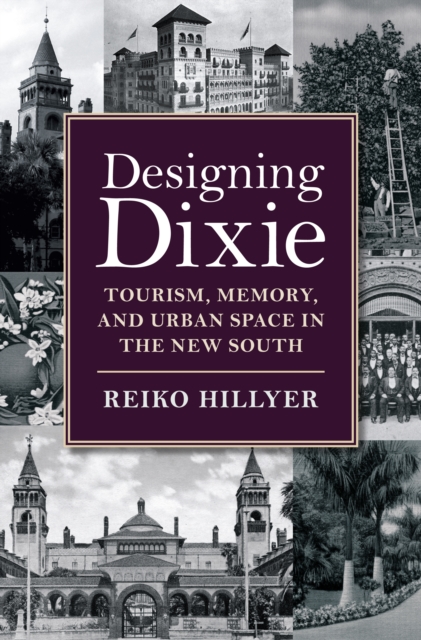
Although many white southerners chose to memorialize the Lost Cause in the aftermath of the Civil War, boosters, entrepreneurs, and architects in southern cities believed that economic development, rather than nostalgia, would foster reconciliation between North and South.
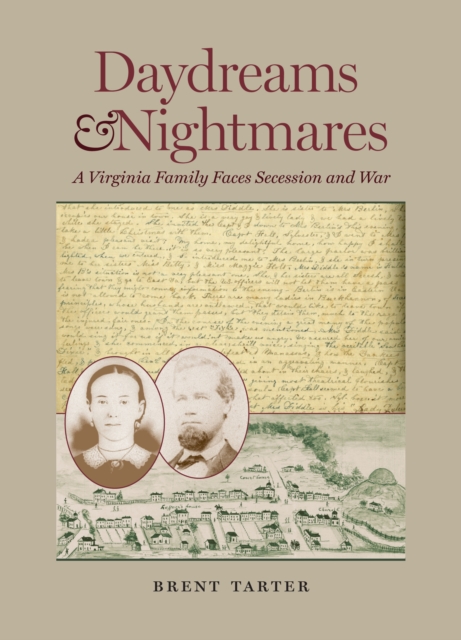
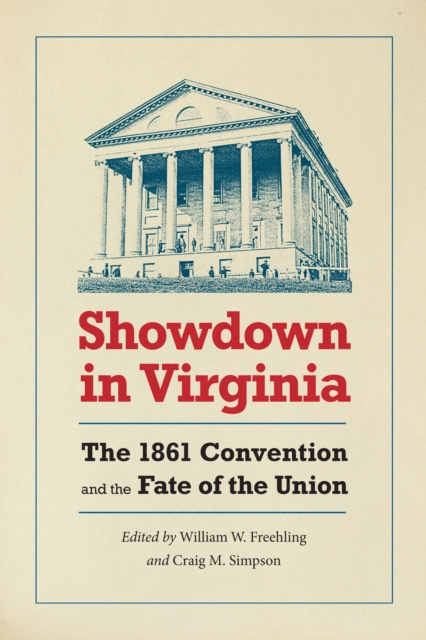
The decision of the eventual Confederate states to secede from the Union set in motion perhaps the most dramatic chapter in American history, and one that has typically been told on a grand scale.
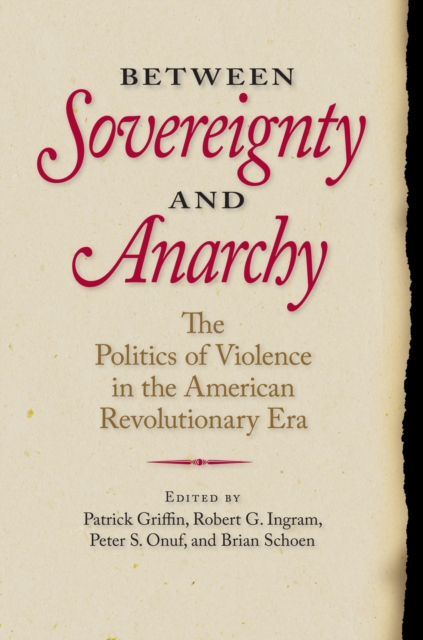
Between Sovereignty and Anarchy considers the conceptual and political problem of violence in the early modern Anglo-Atlantic, charting an innovative approach to the history of the American Revolution.
In this pathbreaking new work, Vitor Izecksohn attempts to shed new light on the American Civil War by comparing it to a strikingly similar campaign in South America--the War of the Triple Alliance of 1864-70, which galvanized four countries and became the longest large-scale international conflict in the history of the Americas.
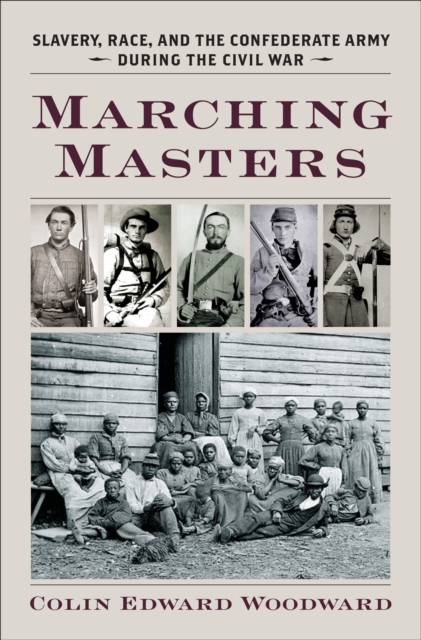
The Confederate army went to war to defend a nation of slaveholding states, and although men rushed to recruiting stations for many reasons, they understood that the fundamental political issue at stake in the conflict was the future of slavery.
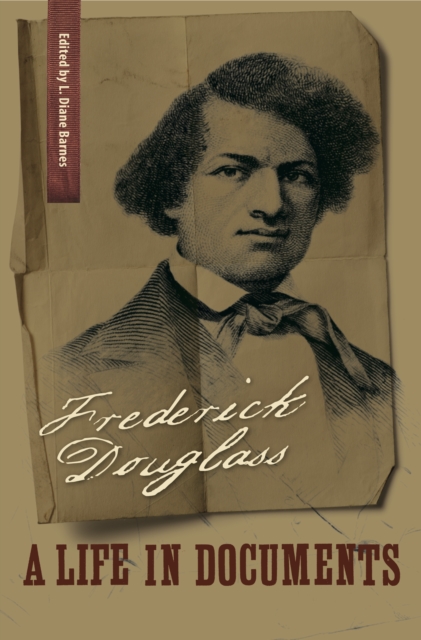
Frederick Douglass was born enslaved in February 1818, but from this most humble of beginnings, he rose to become a world-famous orator, newspaper editor, and champion of the rights of women and African Americans.
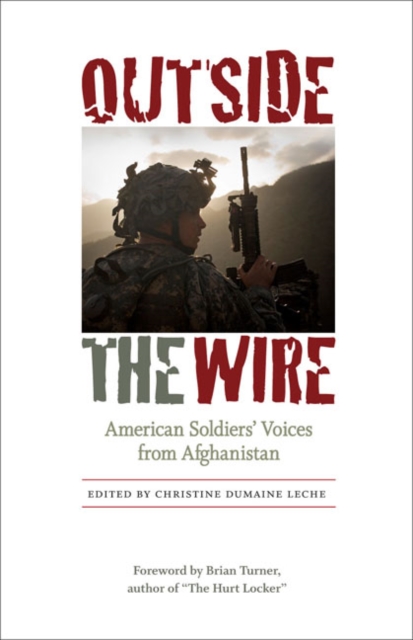
A riveting collection of thirty-eight narratives by American soldiers serving in Afghanistan, Outside the Wire offers a powerful evocation of everyday life in a war zone.
This collection of essays, organized around the theme of the struggle for equality in the United States during the nineteenth and twentieth centuries, also serves to honor the renowned Civil War historian James McPherson.
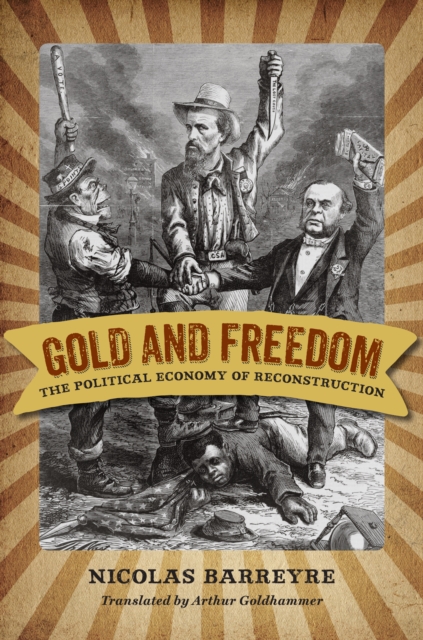
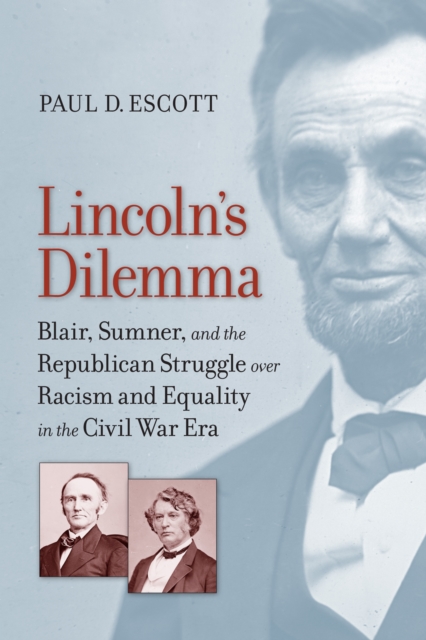
Throughout the Civil War, newspaper headlines and stories repeatedly asked some variation of the question posed by the New York Times in 1862, "e;What shall we do with the negro?
A history of the elaborate and brilliantly sustained World War II intelligence operation by which Hitler’s generals were tricked into giving away vital Nazi secrets“A great book.
Out of print for many years, this is a brand new edition of the definitive companion to the acclaimed Aubrey-Maturin series of novels, written by the author himself.
Notions of democracy and nationhood constitute the pivotal legacy of the American Revolution, but to understand their development one must move beyond a purely American context.
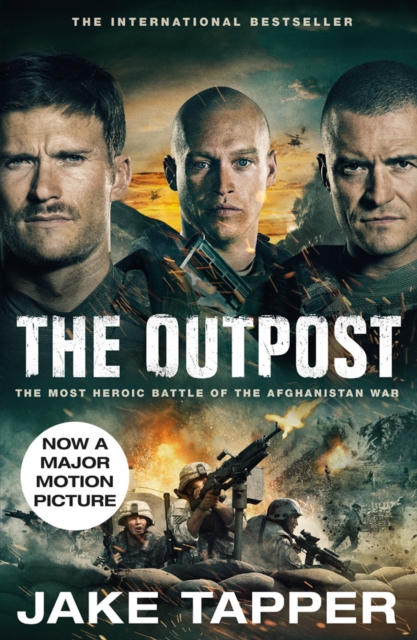
NOW A MAJOR MOTION PICTUREThe heartbreaking and inspiring story of one of the deadliest battles of the Afghanistan war, acclaimed by critics as a classic.
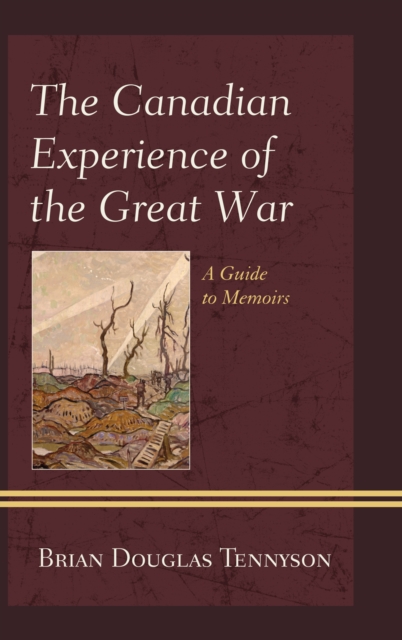
Although the United States did not enter the First World War until April 1917, Canada enlisted the moment Great Britain engaged in the conflict in August 1914.
Christoph Kimmich's German Foreign Policy, 1918-1945: A Guide to Current Research and Resources is a comprehensive guide to archival resources and published materials on the foreign policy of Weimar and Nazi Germany.
On Saturday, November 14, 1944, radio listeners heard an enthusiastic broadcast announcer describe something they had never heard before: Women singing the "e;Marines' Hymn"e; instead of the traditional all-male United States Marine Band.
This dictionary covers the complex and costly conflict that began when Germany, ruled by Adolf Hitler and the Nazi Party, invaded neighboring Poland on 1 September 1939; and concluded when Germany surrendered on 7-9 May 1945, leaving much of the European continent in ruins and its population devastated.
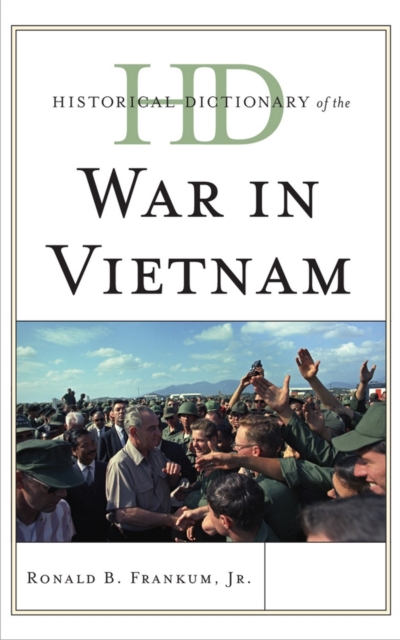
For Southeast Asia, the Vietnam War altered forever the history, topography, people, economy, and politics of the Democratic Republic of Vietnam (DRV), the Republic of Vietnam (RVN), Cambodia, and Laos.
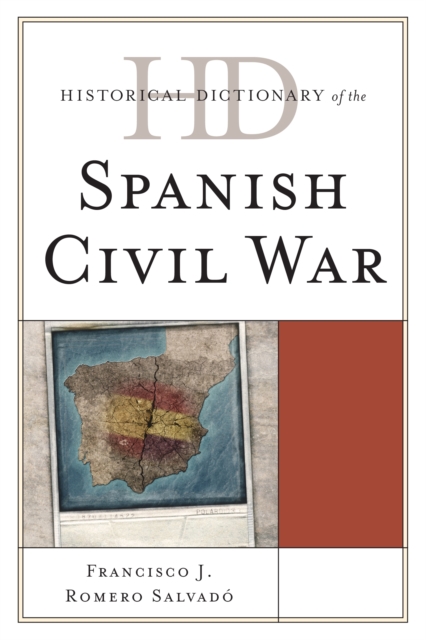
The tragedy that devastated Spain for 33 months from July 1936 to April 1939, was, first and foremost, a brutal fratricidal conflict, the product of the fatal clash between diametrically opposed views of Spain and an attempt to settle crucial issues which had divided Spaniards for generations: agrarian reform, recognition of the identity of the historical regions (Catalonia, the Basque Country), and the roles of the Catholic Church and the armed forces in a modern state.
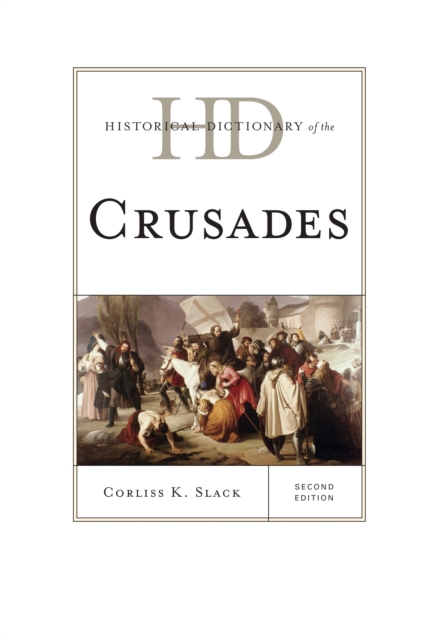
The crusades were among the longest and most bitter wars in human history and consisted of no less than seven major expeditions from Western Europe from the late 11th to the early 14th centuries for the purpose of wresting Jerusalem and the Holy Land from the control of the Muslims.
From Crusade to Hazard: The Denazification of Bremen Germany relates how the American and British combat forces and military government officers occupied, administered, and denazified Bremen and its environs from 1945 to 1947.
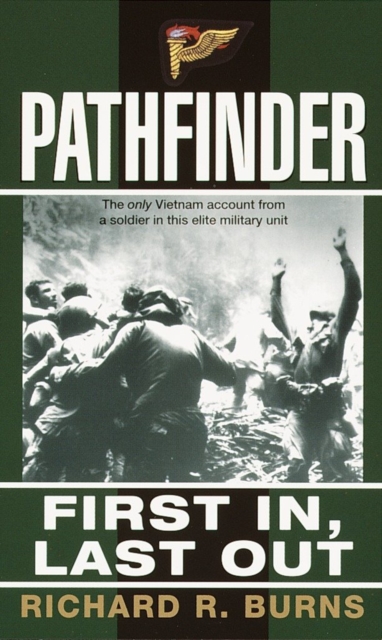
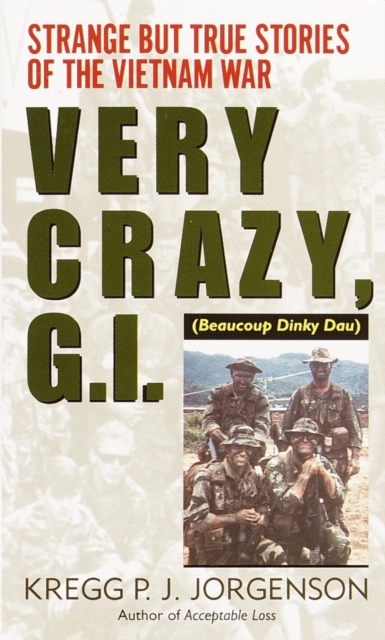
The true-to-life story of a Ranger who volunteered to serve on a Blue Team in the Air Cavalry, racing to the aid of soldiers who faced the same dangers he had barely survived in the jungles of Vietnam.
In the years immediately following World War II, information was disclosed about what has been termed the shadow war of the existence of hitherto secret agencies.