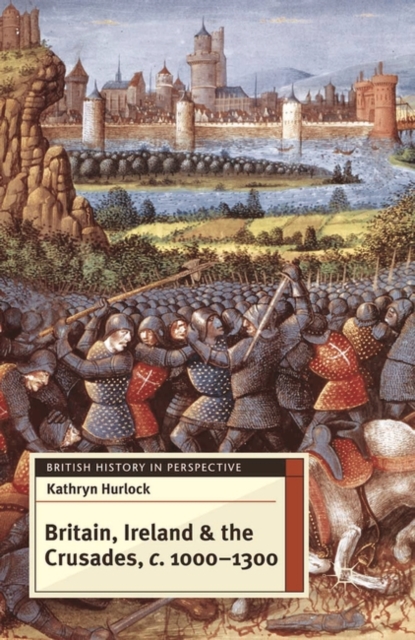
During the late 11th through the early 14th centuries at least seven major expeditions were made between Western Europe and the Holy Land with the goal of ending Muslim control of Jerusalem.
General Sir Richard Dannatt's distinguished career in the army has spanned thirty-eight years and seen him serve in many different theatres of conflict, from Northern Ireland (where he was awarded the Military Cross) to Bosnia and Kosovo, Iraq and Afghanistan.
In this pathbreaking new work, Vitor Izecksohn attempts to shed new light on the American Civil War by comparing it to a strikingly similar campaign in South America--the War of the Triple Alliance of 1864-70, which galvanized four countries and became the longest large-scale international conflict in the history of the Americas.
CHOICE Outstanding Academic Title, American Library Association (2021)From the earliest stirrings of southern nationalism to the defeat of the Confederacy, analysis of European nationalist movements played a critical role in how southerners thought about their new southern nation.
In the lead-up to the Civil War, Virginia, like other southern states, amassed a large public debt while striving to improve transportation infrastructure and stimulate economic development.
Tracing the development of a new genre in contemporary American literature that was engendered in the civil rights, feminist, and ethnic empowerment struggles of the 1960s and 1970s, Bridges to Memory shows how these movements authorized African American and ethnic American women writers to reimagine the traumatic histories that form their ancestral inheritance and define their contemporary identities.
A full understanding of the historical process must include studies of the social and economic conditions of societies as well as biographies of the people on which a clear understanding of history is based-but not just the "e;great"e; people.
From 1095 to the end of the thirteenth century, the crusades touched the lives of many thousands of British people, even those who were not crusaders themselves.
The book draws on letters, diaries, recent books and articles in History, but also relies on multi-disciplinary sources in politics and literature, along transnational comparisons to place the events in a broader perspective.
Comfort Women and Sex in the Battle Zone is an exhaustive examination of the controversial issue of comfort women, who provided sexual services to Japanese soldiers before and during World War II.
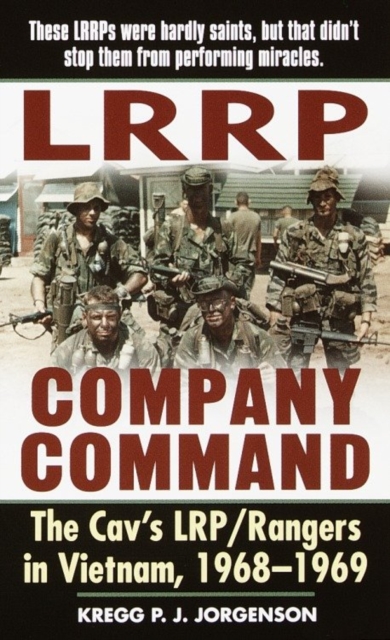
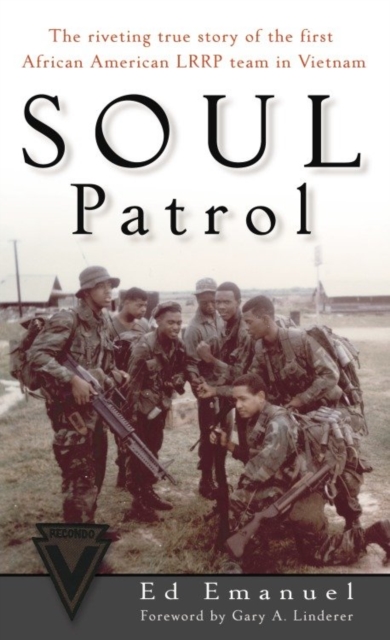
A book about fine leadership in combat, LRRP Company Command focuses on Captain George Paccerelli as he molds the men of the Air Cav''s LRRP company into a successful reconnaissance unit.
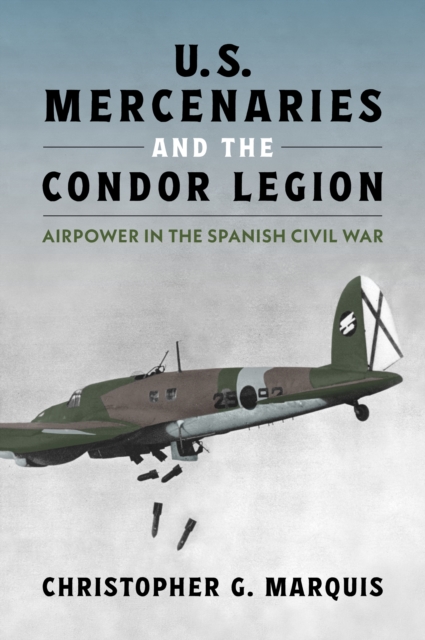
American military attaches document the impact of airpower during the Spanish Civil War, featuring intervention by some of the strongest air forces in the world in a prelude to World War II.
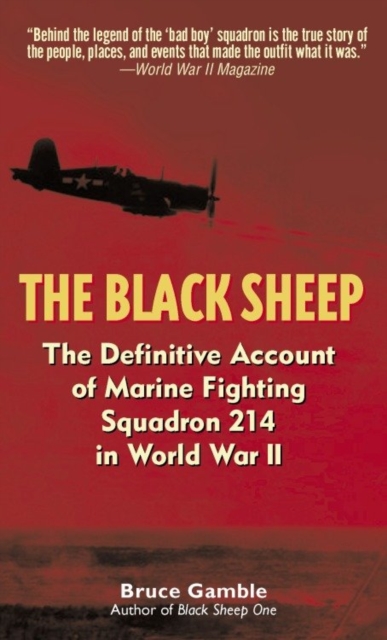
With their renowned squadron leader Greg “Pappy” Boyington, Marine Fighting Squadron (VMF) 214 was one of the best-known and most colorful combat units of World War II.
War & Peace is a masterpiece - an epic portrait of Russian society and its descent into the Napoleonic Wars, which has inspired love and devotion among its readers for over a century.
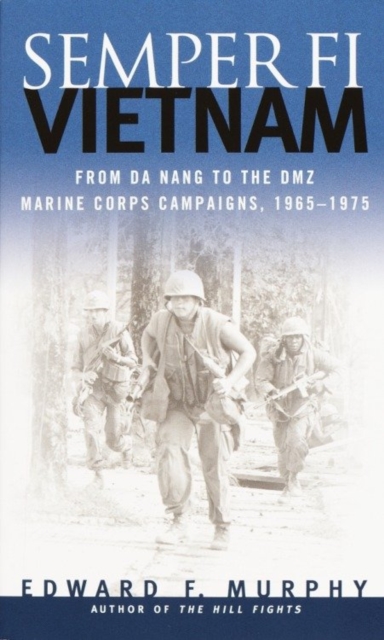
From their early days in 1965 when the order of the day was to drive the insurgent Viet Cong from the villages around Da Nang to the final, dramatic evacuation of Saigon ten years later, Semper Fi—Vietnam relates the whole gutsy, glorious saga of the Marines in Vietnam in stark, riveting detail.
While the seventy-seven-day siege of Khe Sanh in early 1968 remains one of the most highly publicized clashes of the Vietnam War, scant attention has been paid to the first battle of Khe Sanh, also known as “the Hill Fights.
Becoming the Arsenal discusses one of the three signal events that transformed the relationship of government and the private sector in directing the American economy.
How the United States helped restore a Europe battered by World War II and created the foundation for the postwar international orderSeventy years ago, in the wake of World War II, the United States did something almost unprecedented in world history: It launched and paid for an economic aid plan to restore a continent reeling from war.
Despite their common heritage, Jews born and raised on opposite sides of the Polish-Soviet border during the interwar period acquired distinct beliefs, values, and attitudes.