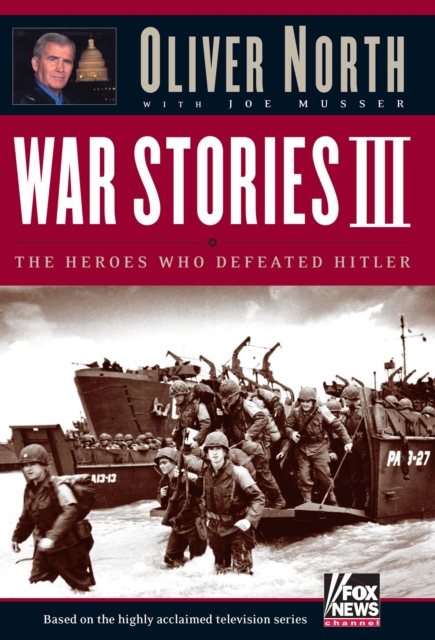
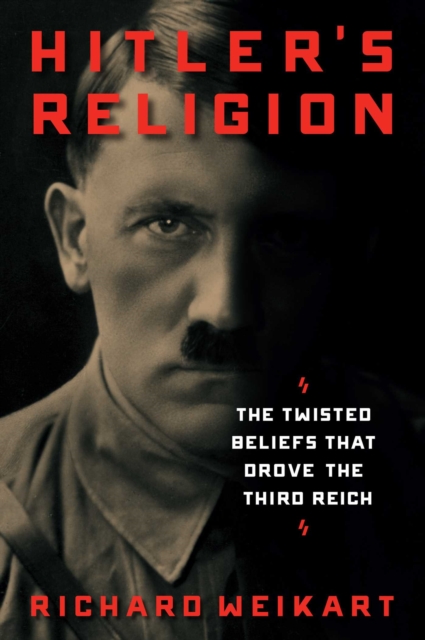
It was the Greatest Generation's greatest moment: when heroes at home and abroad, united in common purpose as soldiers, sailors, airmen, and Marinesunder the leadership of generals like Patton, Eisenhower, Marshall, and Bradleyrescued Europe from the tyranny and genocide of Adolf Hitler.
Nicht nur Napoleon Bonaparte prägte die Umbruchszeit um 1800 maßgeblich, auch andere Dichter und Denker versuchten, ihre Ansätze in Bezug auf die Verbesserung der Gesamtsituation umzusetzen.
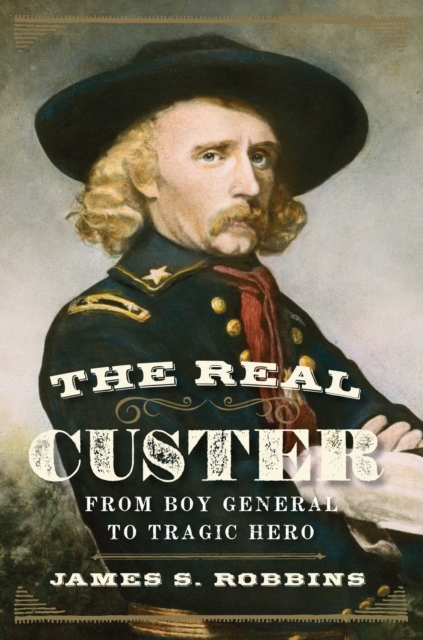
The Real Custer takes a good hard look at the life and storied military career of George Armstrong Custerfrom cutting his teeth at Bull Run in the Civil War, to his famous and untimely death at Little Bighorn in the Indian Wars.
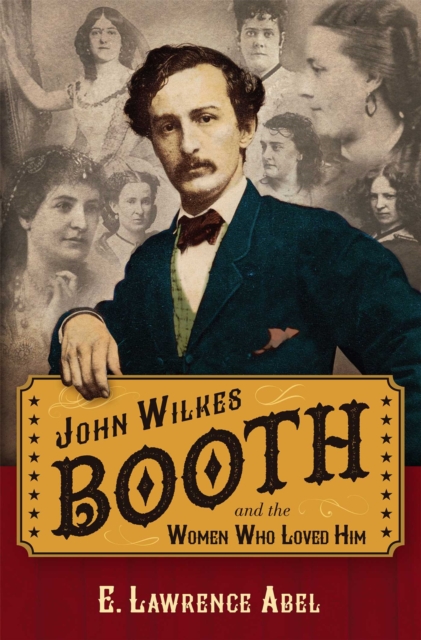
When John Wilkes Booth diedshot inside a burning barn and dragged out twelve days after he assassinated President Lincolnall he had in his pocket were a compass, a candle, a diary, and five photographs of five different women.
This book aims to extend existing historical, literary and media knowledge of neglected written voices as a form of print participation in the Second World War.
In 'Imperial Germany & the Industrial Revolution' by Thorstein Veblen, the author delves into the economic and social changes brought about by industrialization in Germany during the late 19th and early 20th centuries.
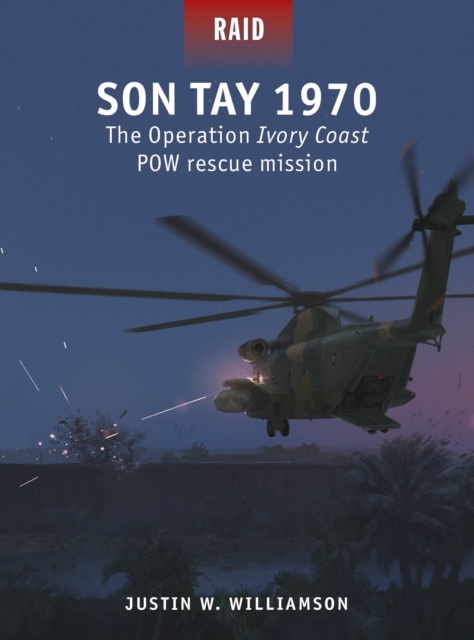
A superbly illustrated account of one of the key milestones in the development of modern US Special Operations Forces, the hugely complex POW rescue at Son Tay.
Se presenta en estas páginas la crónica histórica de las principales batallas que marcaron uno de los momentos más difíciles en la historia del México independiente: la invasión norteamericana.
The 2025 edition of Warship, the celebrated annual publication featuring original research on the history, development, and service of the world's warships.
Manfred Freiherr von Richthofen, the Red Baron, was the most successful fighter pilot of World War I, shooting down 80 enemy airplanes and receiving more high decorations than any other German combatant.
Lion Rampant is Robert Woollcombe's graphic account of his experiences as a front-line infantry officer with the King's Own Scottish Borderers during the desperate battle for Normandy and the Allied advance into Germany.
John Fiske's 'The American Revolution' is a comprehensive and insightful analysis that explores the causes, events, and consequences of one of the most pivotal periods in American history.
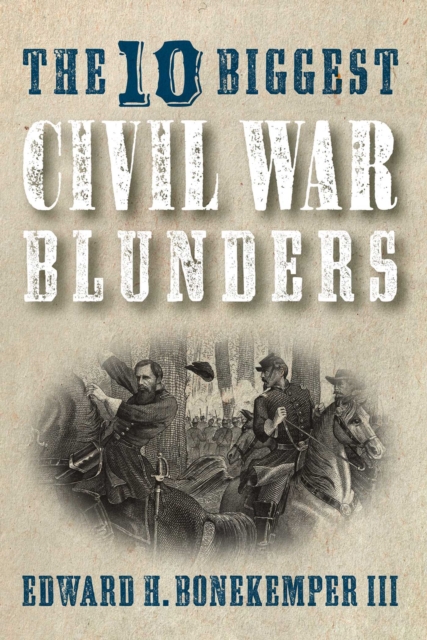
What makes the Civil War so fascinating is that it presents an endless number of "e;what if"e; scenariosmoments when the outcome of the war (and therefore world history) hinged on a single small mistake or omission.
Everything you've been taught about the World War II "e;internment camps"e; in America is wrong:They were not created primarily because of racism or wartime hysteriaThey did not target only those of Japanese descentThey were not Nazi-style death campsIn her latest investigative tour-de-force, New York Times best-selling author Michelle Malkin sets the historical record straight-and debunks radical ethnic alarmists who distort history to undermine common-sense, national security profiling.
This story is set in a broken Germany in the dying days of the Second World War when seven refugees travelling from Berlin to Dresden form an unlikely alliance.
Winston Churchill's 'The Gathering Storm: The Origins of the Second World War' is a compelling and meticulously researched account of the events that led to the deadliest conflict in human history.
On 7 December 1941, an armada of 354 Japanese warplanes launched a surprise attack on the United States, killing 2,403 people and forcing America's entry into the Second World War.