Für Liebhaber von Heimatromanen und für alle, die die Schönheit der bayerischen Alpen und die Kraft der Natur zu schätzen wissen, ist 'Die schönsten Heimatromane von Ludwig Ganghofer' ein absolutes Muss.
'Days to Remember - The British Empire in the Great War (Illustrated Edition)' offers a profound exploration of the First World War's impact on the vast expanse of the British Empire, weaving together a tapestry of narratives that reflect varying literary styles.
In Hans Falladas 'Jeder stirbt für sich allein' wird die Geschichte eines Ehepaars erzählt, das während der Zeit des Nationalsozialismus in Berlin lebt und beschließt, stillen Widerstand gegen das Regime zu leisten.
Henry Adams' 'History of the United States During Thomas Jefferson's Administrations' is a comprehensive 4-volume work that delves deep into the political, social, and economic landscape of the United States during the time of Thomas Jefferson's presidency.
Jules Vernes Buch 'Die fünfhundert Millionen der Begum' entführt den Leser in eine faszinierende Welt voller wissenschaftlicher Innovationen und moralischer Dilemmas.
Robert Falcon Scott's 'Letzte Fahrt' ist ein beeindruckendes Werk, das die dramatische Geschichte der letzten Expedition des Autors zum Südpol erzählt.
Rudyard Kipling's 'The Irish Guards in the Great War' is a comprehensive two-volume account of the experiences of one of the most distinguished regiments in the British army during World War I.
William Shakespeare's 'Julius Caesar' is a timeless tragedy set in ancient Rome, depicting the events leading up to and following the assassination of the title character.
Kurt Arams Buch 'Nach Sibirien mit hunderttausend Deutschen' ist ein faszinierendes Werk, das die Reise von hunderttausend deutschen Soldaten während des Zweiten Weltkriegs nach Sibirien beleuchtet.
In Emile Zolas historischem Roman 'Der Zusammenbruch' wird die Geschichte eines jungen Mannes erzählt, der in die Wirren der Französischen Revolution verwickelt wird.
Henri Barbusse's Buch "Das Feuer: Historischer Roman" ist ein bahnbrechendes Werk, das den Lesern einen intensiven Einblick in die Grausamkeiten des Ersten Weltkriegs bietet.
In Joseph Roths Werk 'Die hundert Tage' taucht der Leser ein in die politische und gesellschaftliche Landschaft des Habsburgerreichs während der Zeit der französischen Besetzung.
Arnold Bennett's 'Over There (War Scenes on the Western Front)' vividly captures the brutal realities of World War I through a series of poignant and heartfelt short stories.
Beckwith West's 'The Experience of a Confederate States Prisoner' is a compelling memoir that provides a firsthand account of the tumultuous times during the American Civil War.
James Barnes's 'The Naval Actions of the War of 1812' is a meticulously researched and engaging account of the naval battles that shaped the outcome of the War of 1812.
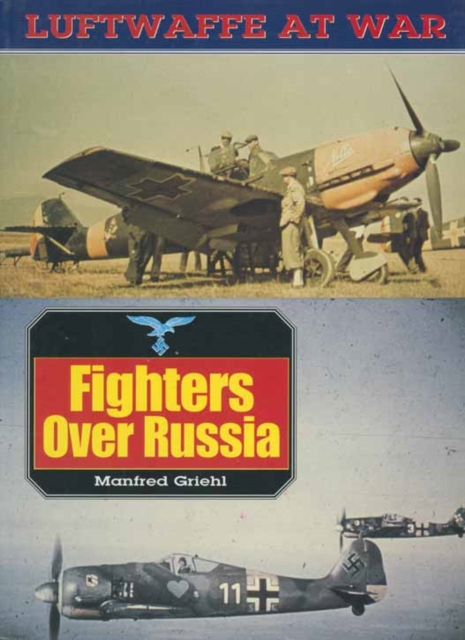
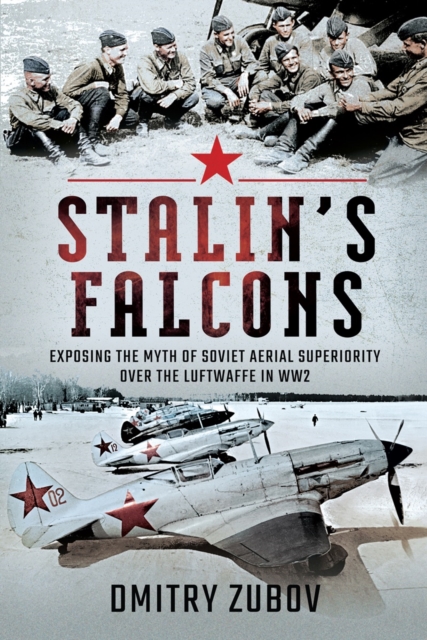
The air war over the critical Eastern Front is illustrated with 120 specially selected and informatively captioned photographs in this striking new book.
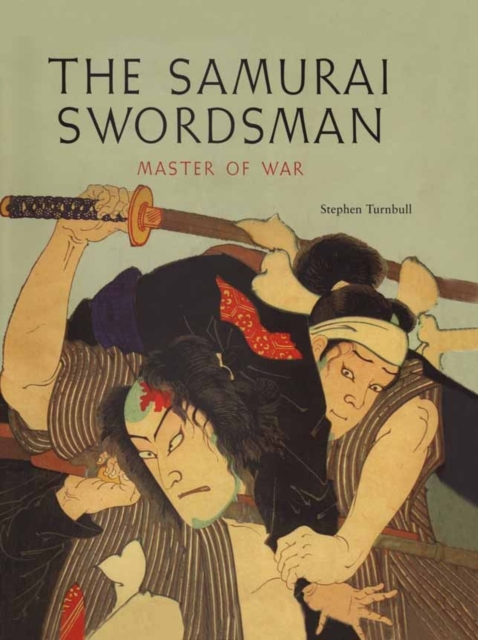
Samurai tells the story of the courageous and highly disciplined fighting men of this time, showing how they evolved from the primitive fighters of the seventh century into an invincible military caste with a fearsome reputation.
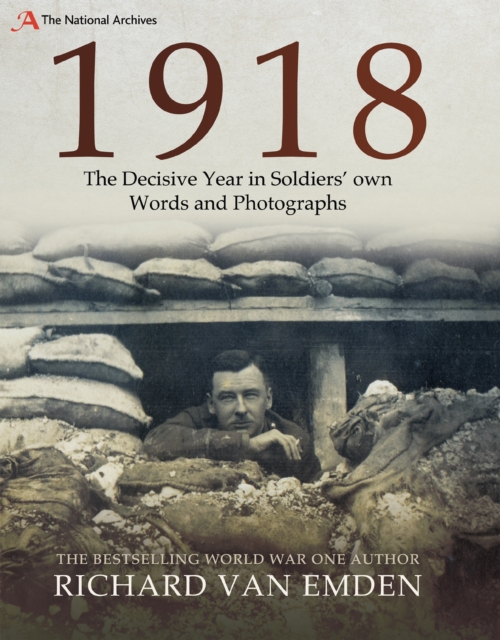
1918: The Decisive Year in Soldiers' own Words and Photographs is the next volume in the remarkable series of books from the best-selling First World War historian Richard van Emden.
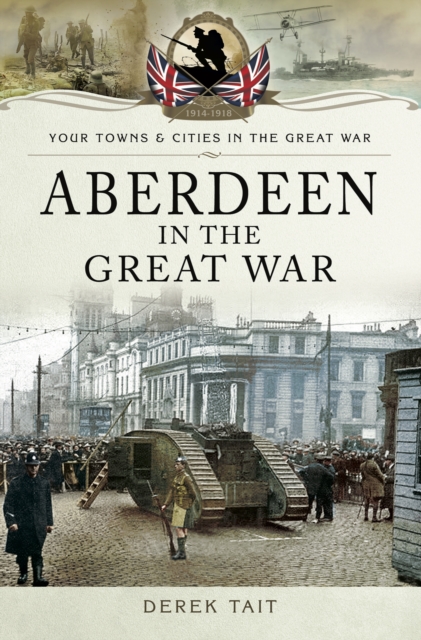
When news of the war broke out in 1914, nothing could prepare the citizens of Aberdeen for the changes that would envelop their city over the next four years.
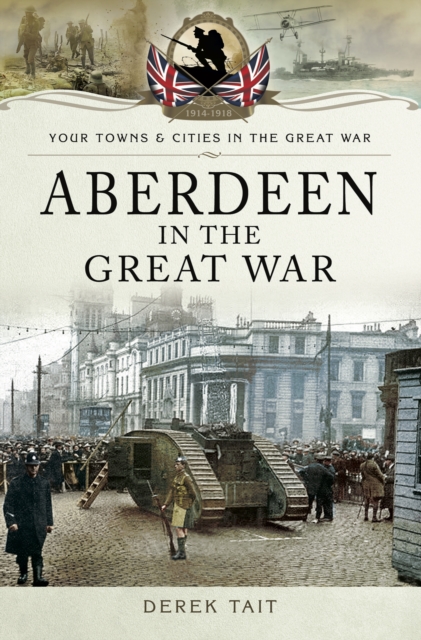
When news of the war broke out in 1914, nothing could prepare the citizens of Aberdeen for the changes that would envelop their city over the next four years.
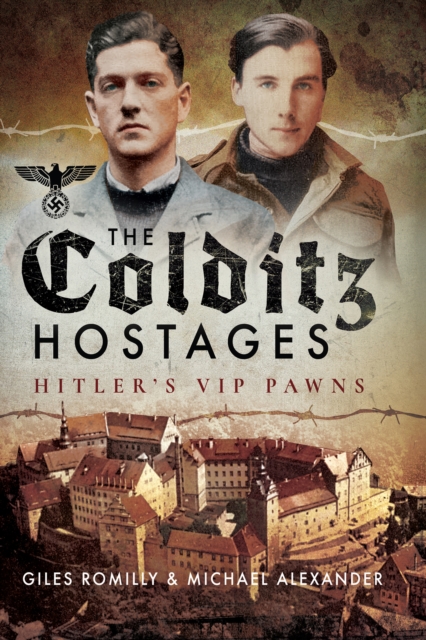
Giles Romilly and Michael Alexander were amongst a select group of prisoners of war who were segregated from the other prisoners and were labelled the Prominente.
The British Army started the development of flame throwers in 1938, but progress was slow and interest was side-lined after Dunkirk while the army reequipped.
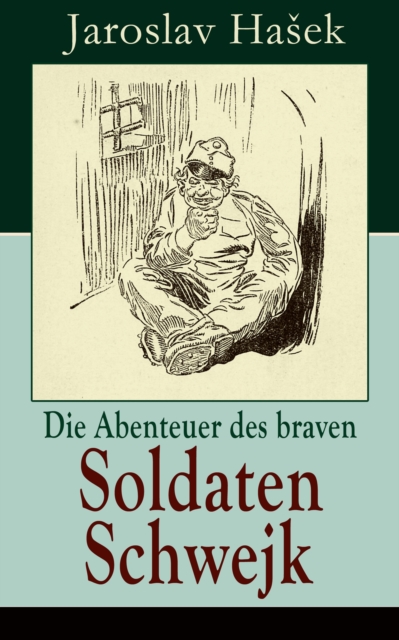
Dieses eBook: "Die Abenteuer des braven Soldaten Schwejk" ist mit einem detaillierten und dynamischen Inhaltsverzeichnis versehen und wurde sorgfältig korrekturgelesen.
Although separated from the modern reader by a full century, the First World War continues to generate controversy and interest as the great event upon which modern history pivoted.