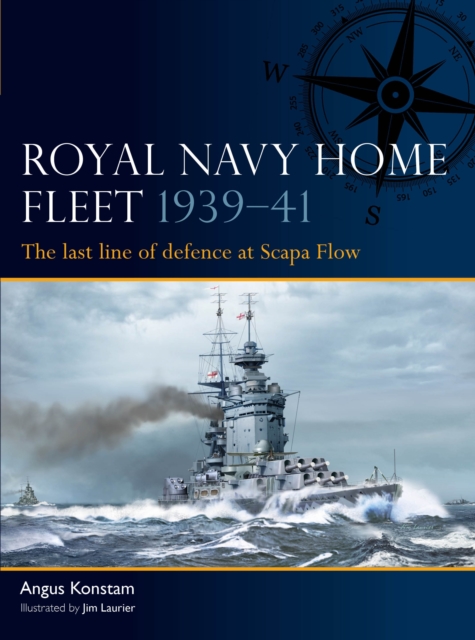
Packed with illustrations, this is a new history and analysis of how the Royal Navy's most important fleet operated and fought the German Navy in the crucial first years of World War II.
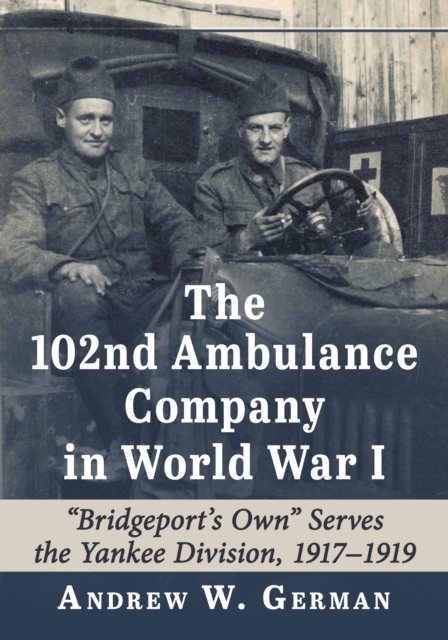
During the carnage of World War I, ambulance companies were essential, carrying casualties off the battlefield on litters, dressing wounds, and rushing the wounded to the rear, often amid intense fire and poison gas.
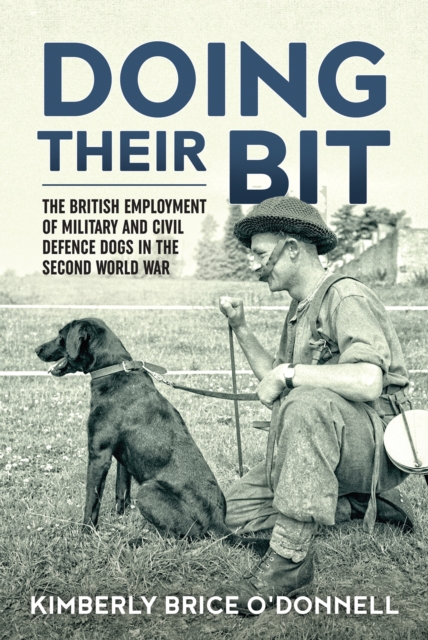
The first in-depth study of the role of canines in WWII Britain, an "e;important but hitherto under-represented subject,"e; with photos included (Society of Army Historical Research).
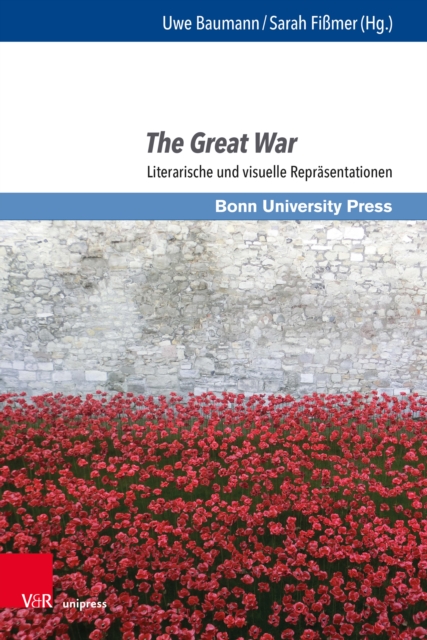
Literarische und visuelle Repräsentationen zum Ersten Weltkrieg zeigen trotz nationaler Prägungen oft Parallelen und übergreifende Themen auf, die es ermöglichen, über Grenzen und Zeiten hinweg Brücken zu schlagen.
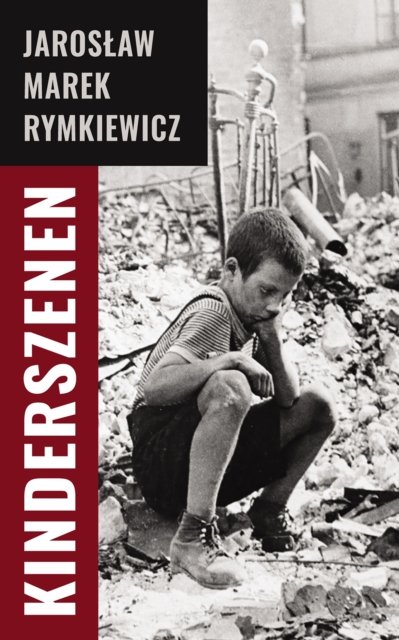
An old manpoet, playwright, essayist, and scholarsiftsthrough the broken fragments of his memory as he recounts what it was like togrow up in Warsaw during the German occupation of World War II.
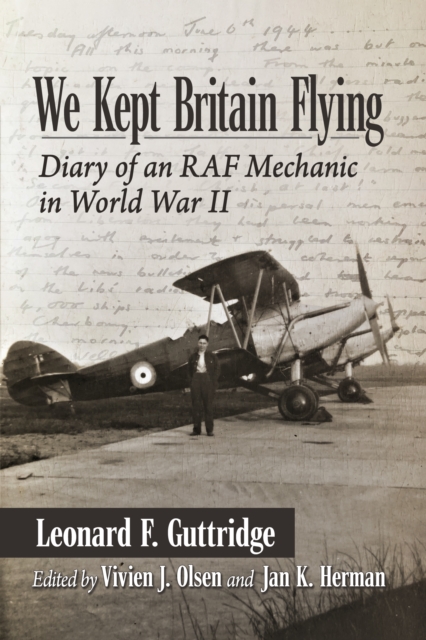
Corporal Leonard Guttridge was among the many unsung heroes of the Battle of Britain--the Royal Air Force mechanics and armorers who patched bullet holes, repaired engines, refueled empty tanks and replenished ammunition, enabling outnumbered pilots to return to the skies.
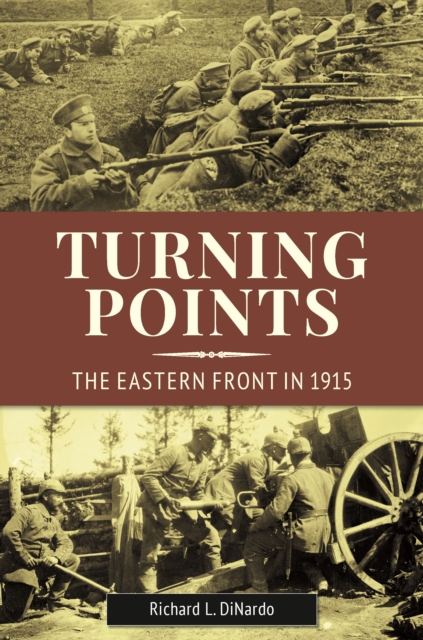
This book provides a comprehensive and illuminating study of some of the most crucial campaigns on the Eastern Front during what was perhaps the most momentous year of World War I in that battleground.
In Black, Quare, and Then to Where jennifer susanne leath explores the relationship between Afrodiasporic theories of justice and Black sexual ethics through a womanist engagement with Maat the ancient Egyptian deity of justice and truth.
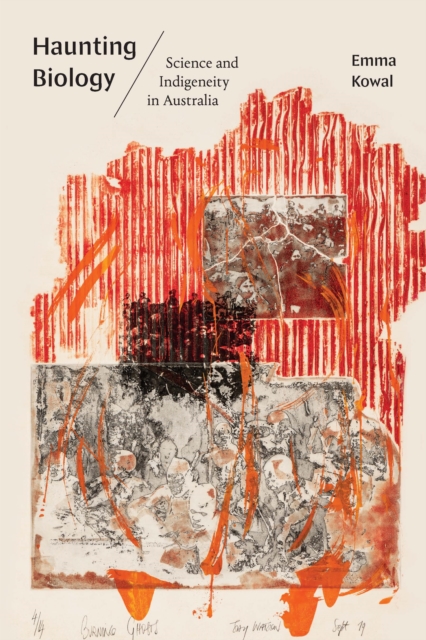
In Haunting Biology Emma Kowal recounts the troubled history of Western biological studies of Indigenous Australians and asks how we now might see contemporary genomics, especially that conducted by Aboriginal and Torres Strait Islander scientists.
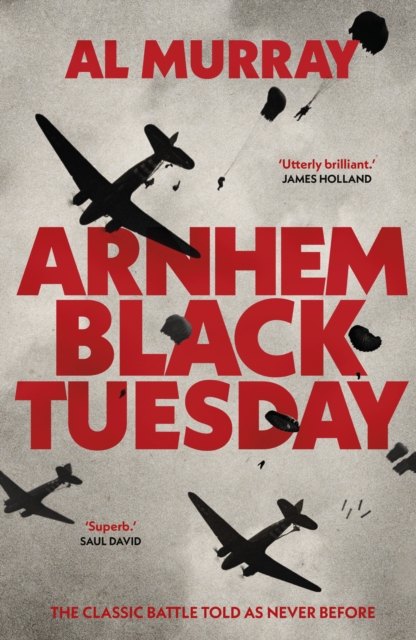
Discover the Sunday Times bestseller and incredible true story behind the most catastrophic 24-hours the British military faced in World War II from the bestselling author.
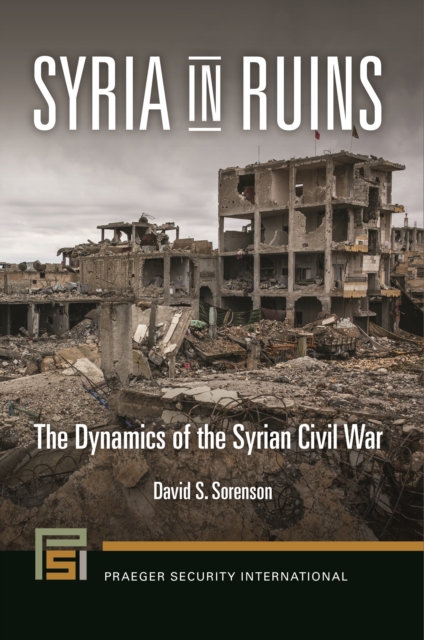
Syria is home to one of the most brutal and protracted civil wars in history, posing a threat to global stability and enabling the expansion of the Islamic State (sometimes called "e;ISIS"e;).
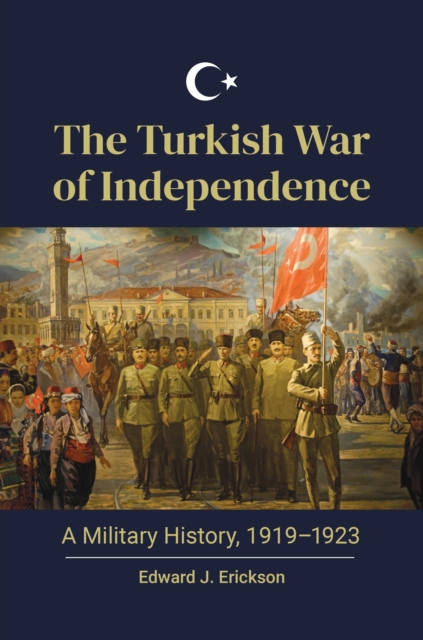
The dramatic story of the turbulent birth of modern Turkey, which rose out of the ashes of the Ottoman Empire to fight off Allied occupiers, Greek invaders, and internal ethnic groups to proclaim a new republic under Mustafa Kemal (Ataturk).
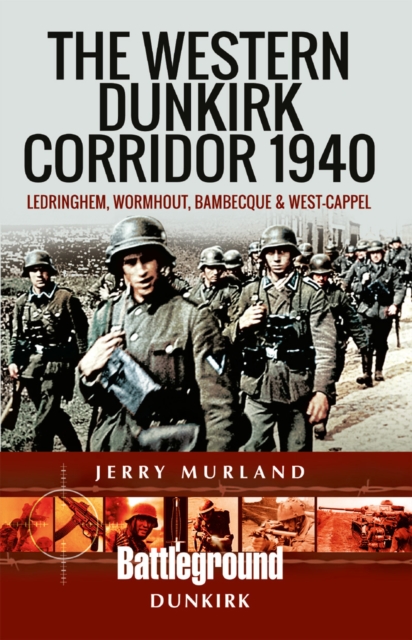
The story of 144 Brigade's defense of Wormhoudt and Bambecque must rank in importance alongside the defense of Cassel and Hazebrouck by 145 Brigade; however, what is often forgotten in the uncertainty that surrounded Wormhoudt and Bambeque is the heroic defense of West Cappel and Vwyfeg (les Cinq Chemins today) by the Welsh Guards and the 1/Fife and Forfar Yeomanry (1/F&F Yeomanry).
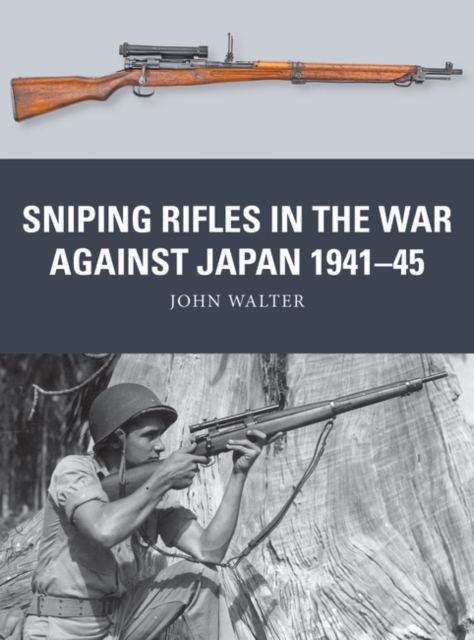
Fully illustrated, this absorbing study explores the evolving sniping technology and tactics employed by both sides in Asia and the Pacific during 1941 45.
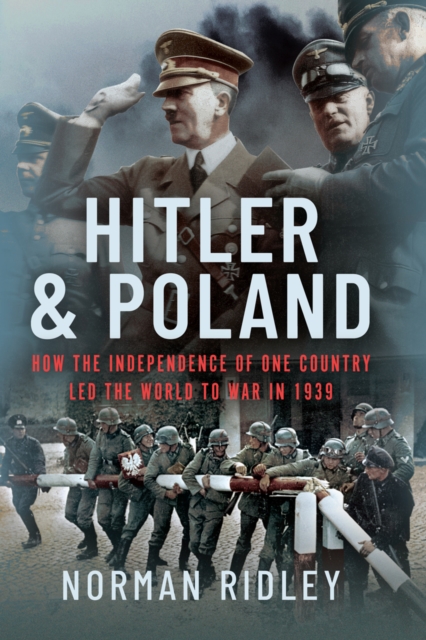
This book explores the tumultuous period following the First World War, where Poland, caught between the competing ambitions of Germany and the Soviet Union, navigates political upheaval, territorial disputes, and the emerging threat of Hitler.
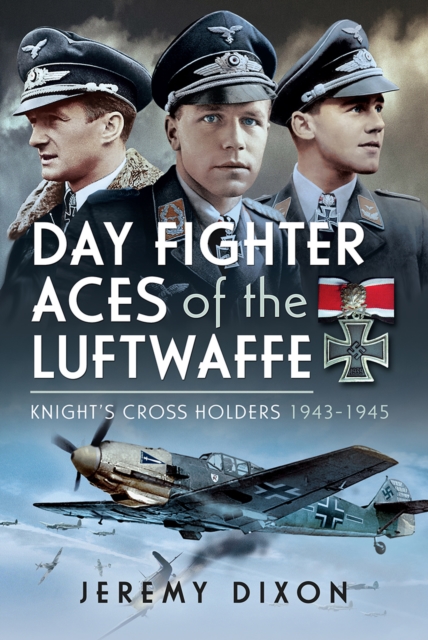
The second of two comprehensive directories of all the Luftwaffe's single-seater fighter pilots who were awarded the Knight's Cross during the Second World War.
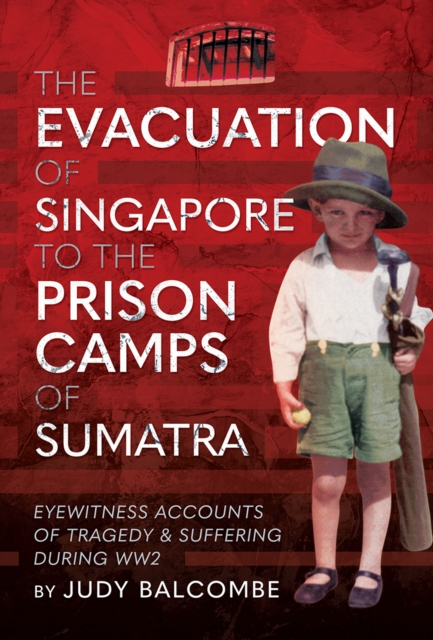
The Evacuation of Singapore to the Prison Camps of Sumatra aims to describe the events prior to, during and after the Fall of Singapore and the ways in which former prisoners are remembered on Bangka Island today.
During the carnage of World War I, ambulance companies were essential, carrying casualties off the battlefield on litters, dressing wounds, and rushing the wounded to the rear, often amid intense fire and poison gas.
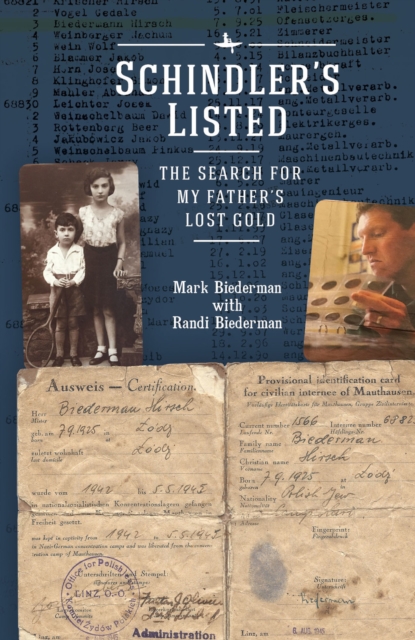
This is the extraordinary story of the author's twenty year quest to find gold coins which his father's family buried in their backyard in Poland just prior to being deported by the Nazis into concentration camps.
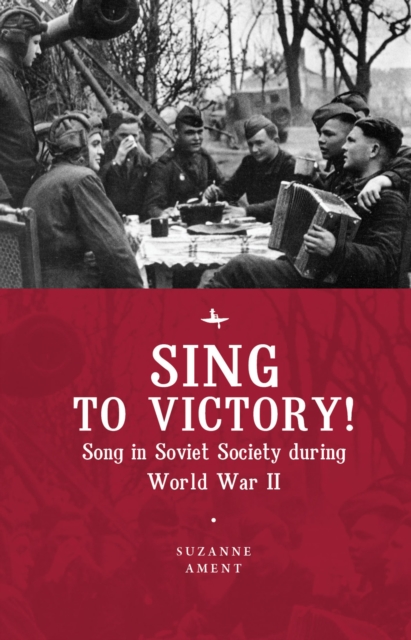
A woman wearing a ballgown singing in the snow for returning ski troops; a technician's tears ruining a master recording of a new wartime song; fresh recruits spontaneously standing and doffing their caps to a new song, thereby creating the new wartime anthem.
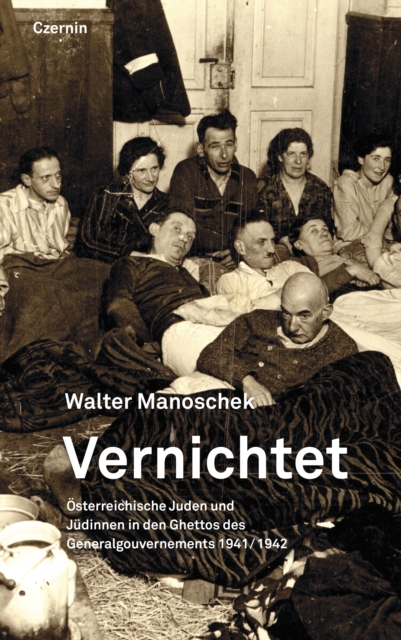
Über die kleineren der insgesamt 342 Ghettos im Generalgouvernement Polen ist wenig bekannt – weder über die Dauer ihrer Existenz noch über die Anzahl der in ihnen eingesperrten Jüdinnen und Juden.
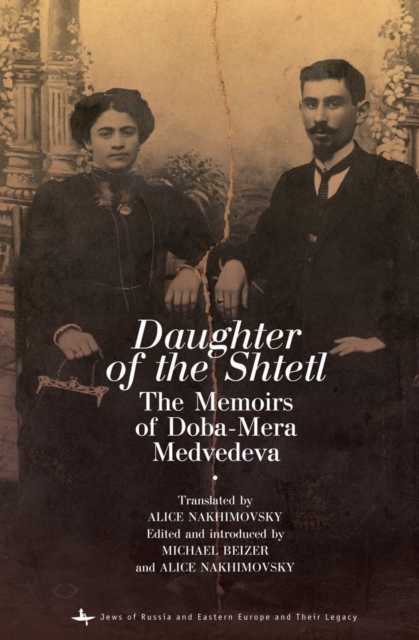
Doba-Mera Medvedeva belongs to a vanishingly small group of memoirists who are neither elite nor highly literate, but whose observations from the ground cast a vivid light on a lost world.
Specializing in covert reconnaissance, counter-terrorism and hostage rescue, the SAS is one of the world's most famous, feared and respected elite fighting forces.
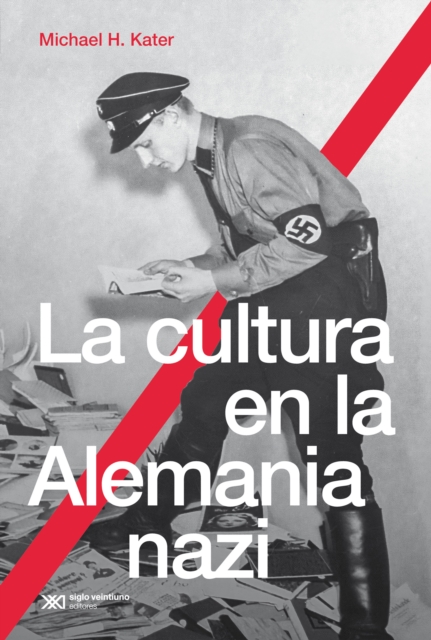
En enero de 1930, tres años antes de que Hitler llegara al poder, los nazis ganaron elecciones locales en Turingia y, bajo ese manto de legalidad, iniciaron una purga en el ámbito cultural: prohibieron el teatro expresionista, la música atonal y el jazz, la asistencia a cabarets; retiraron de los museos obras vanguardistas, como las de Klee y Kandinski; censuraron películas que tenían un toque de erotismo.
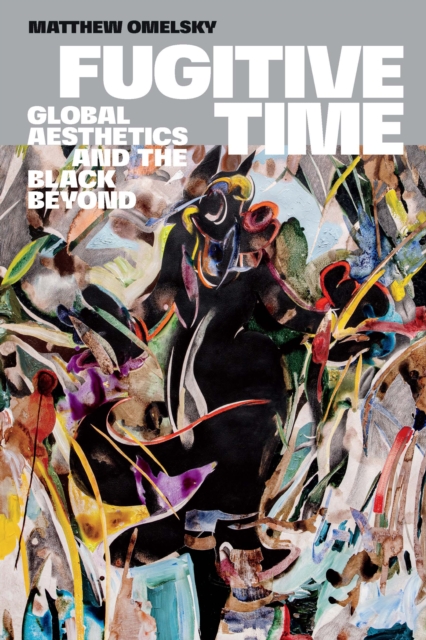
In Fugitive Time, Matthew Omelsky theorizes the embodied experience of time in twentieth- and twenty-first-century black artforms from across the world.
First published in 1972, Human Documents of the Lloyd George Era presents the years when Lloyd George was in his prime, and his career in peace and war may be seen as the frame in which the 'documents' find their proper place; but the book's real subject is not Lloyd George, it is the People, with whom he identified himself and spent his long life trying to serve.
Die grauenhaften Erlebnisse eines Soldaten im Russlandfeldzug 1941, aber auch die Sinnlosigkeit und Verbitterung über den militärischen Alltag als Besatzer in Frankreich und Italien, die Monotonie und nie endende Langeweile des täglichen Dienstes hätten ihn nahezu zermürbt, wäre da nicht eine innige Liebe trotz der großen geographischen Entfernungen herangewachsen.
First published in 1972, Human Documents of the Lloyd George Era presents the years when Lloyd George was in his prime, and his career in peace and war may be seen as the frame in which the 'documents' find their proper place; but the book's real subject is not Lloyd George, it is the People, with whom he identified himself and spent his long life trying to serve.
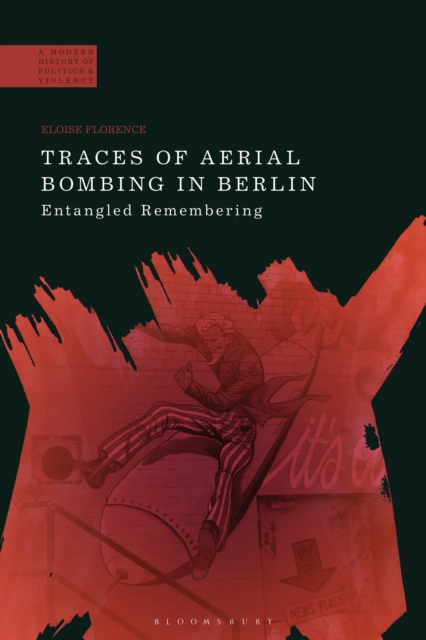
The destruction of monuments during the Black Lives Matter movement of 2020 shows how many nations are being forced to grapple with their national histories.
The destruction of monuments during the Black Lives Matter movement of 2020 shows how many nations are being forced to grapple with their national histories.
Published on the 40th anniversary of the end of the war in Vietnam, this book brings to life the experiences and memories of South Vietnamese soldiers-the forgotten combatants of this controversial conflict.
Through a new collection of primary documents about Japanese internment during World War II, this book enables a broader understanding of the injustice experienced by displaced people within the United States in the 20th century.