"e;Mein Kampf"e; is the autobiographical manifesto penned by Adolf Hitler, the infamous leader of the National Socialist German Workers' Party (NSDAP).
This carefully researched book provides an operational level analysis of European warfare from 1792 to 1815 that includes the tactics, operations, and strategy of major conflicts of the time.
One man could have enabled the most audacious terrorist threat against America prior to 9/11 and helped the Nazis win World War II-the Nazi spy pastor, Carl Krepper.
This intriguing book examines Lincoln's assassination from a behavioral and medical sciences perspective, providing new insights into everything from ballistics and forensics to the medical intervention to save his life, the autopsy results, his compromised embalming, and the final odyssey of his bodily remains.
This book provides detailed coverage of all the key conflict-related developments since the Arab Spring, a seminal event that began in December 2010 and continues to have major influence on events in the Middle East, North Africa, and beyond.
The Civil War on Film informs high-school and college readers interested in Civil War film history on issues that arise when film viewers confuse entertainment with historical accuracy.
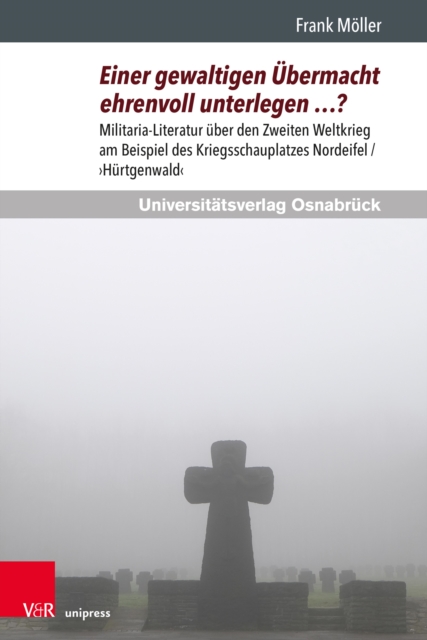
Frank Möller analysiert zehn Titel der deutschen Militaria-Literatur, die sich mit dem Kampfgeschehen in der Endphase des Zweiten Weltkriegs in der Nordeifel und im ›Hürtgenwald‹ auseinandersetzen.
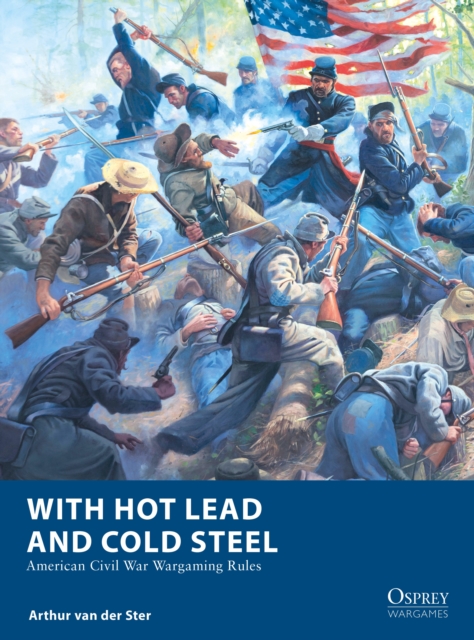
A supplement for the award-winning World War II wargame, Bolt Action, focusing on the Axis offensives through Eastern Ukraine and into the North Caucasus.
A supplement for the award-winning World War II wargame, Bolt Action, focusing on the Axis offensives through Eastern Ukraine and into the North Caucasus.
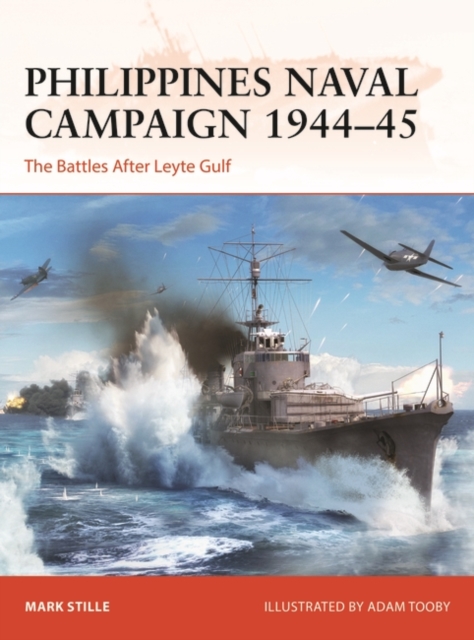
The forgotten story of the major naval operations conducted in the Philippines by the US and Japanese navies after Leyte Gulf up to the US invasion of Luzon in January 1945.
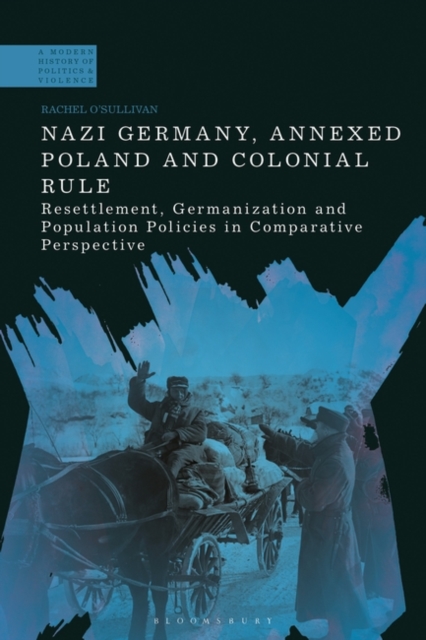
This book examines Nazi Germany's expansion, population management and establishment of a racially stratified society within the Reichsgaue (Reich Districts) of Wartheland and Danzig-West Prussia in annexed Poland (1939-1945) through a colonial lens.
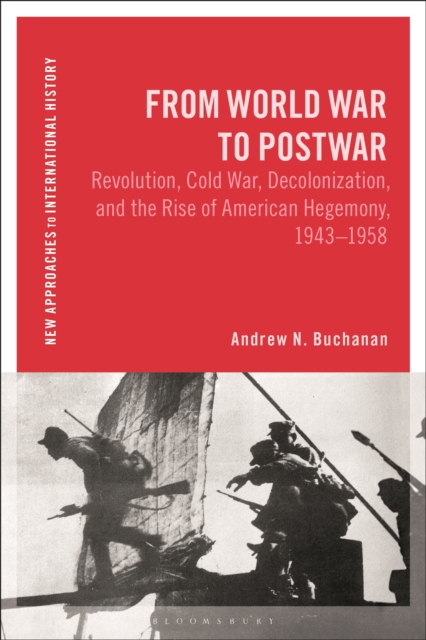
Offering a global account of the 'long' World War II, this book challenges conventional narratives that picture a clearly defined war period (1939-1945) followed by a distinct postwar era dominated by the encroaching cold war.
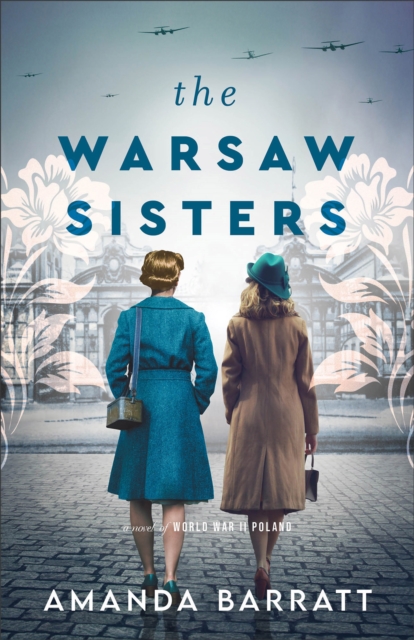
2024 Christy Award WinnerA richly rendered portrait of courage, sacrifice, and resilience On a golden August morning in 1939, sisters Antonina and Helena Dąbrowska send their father off to defend Poland against the looming threat of German invasion.
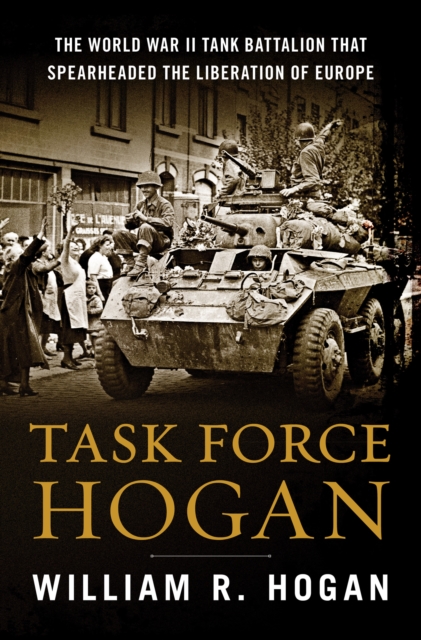
A fourth-generation soldiers tells the story of his fathers tank battalion, the Spearhead, that selflessly led the charge on the front lines from Normandy into Germanyagainst impossible odds, technologically superior weaponry, and a fanatical enemy on its home turfand the heroes whose sacrifice won World War II.
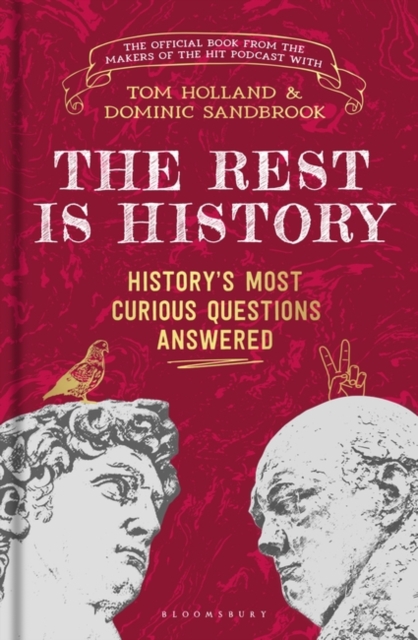
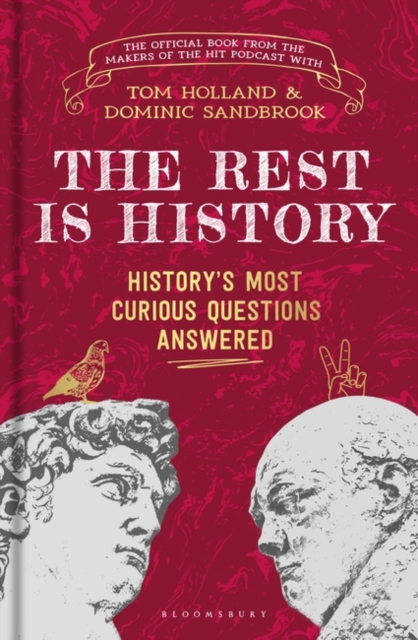
THE SUNDAY TIMES BESTSELLER*Now with a fun pub quiz*'An idiosyncratic ride through history' Independent 'Holland and Sandbrook have pretty much reinvented popular history for the modern age' The TimesThe nation's favourite historians, Tom Holland and Dominic Sandbrook, take on the most curious moments in history, answering the questions we didn't even think to ask .
How have poets in recent centuries been able to inscribe recognizable and relatively sincere voices despite the wearing of poetic language and reader awareness of sincerity's pitfalls?
How have poets in recent centuries been able to inscribe recognizable and relatively sincere voices despite the wearing of poetic language and reader awareness of sincerity's pitfalls?
Después de cinco meses de guerra, al llegar la Navidad de 1914, soldados de uno y otro bando se alzaron por encima de sus trincheras y salieron al encuentro del enemigo, desarmados.
Después de cinco meses de guerra, al llegar la Navidad de 1914, soldados de uno y otro bando se alzaron por encima de sus trincheras y salieron al encuentro del enemigo, desarmados.
The Second World War in Eastern Europe is far from a neglected topic, especially since social, cultural, and diplomatic historians have entered a field previously dominated by operational histories, and produced a cornucopia of new scholarship offering a more nuanced picture from both sides of the front.
An account of two lives during the war in Ukraine: one Ukrainian, one Russian, by the internationally bestselling author of Heimat Diaries of War is a magnificent feat of witness' Alison Bechdel 'Nora Krug's narrative can emotionally drain the reader, but the reader is unlikely to ever forget this book' Andrey Kurkov Immediately following Russia's invasion of Ukraine in February 2022, Nora Krug connected with two anonymous subjects - 'K.
This pictorial history covers the US Marine Corps' outstanding contribution, organization, tactics, fighting doctrine and weaponry during the Korean War.
Shortlisted for the 2024 Wolfson History PrizeA Telegraph and Der Spiegel Book of the YearSueddeutsche Zeitung's Number One Most Important Political Book of 2023Die Zeit, ZDF, Deutschlandfunk, taz Number One, Best Non-Fiction Books December 2023 and January 2024A Telegraph and Der Spiegel Book of the YearSueddeutsche Zeitung's Number One Most Important Political Book of 2023Die Zeit, ZDF, Deutschlandfunk, taz Number One, Best Non-Fiction Books December 2023 and January 2024A groundbreaking new history of the people at the centre of Europe, from the Second World War to todayIn 1945, Germany lay in ruins, morally and materially.
A challenging examination of Japanese war crimes during World War II offers a fresh perspective on the Pacific War-and a better understanding of reasons for the wartime use of extreme mass violence.
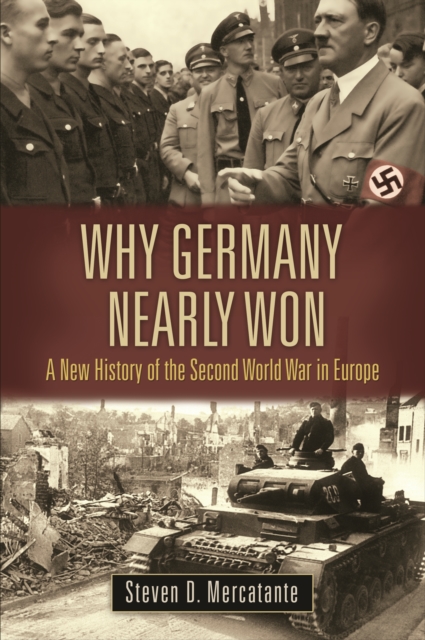
This book offers a unique perspective for understanding how and why the Second World War in Europe ended as it did-and why Germany, in attacking the Soviet Union, came far closer to winning the war than is often perceived.
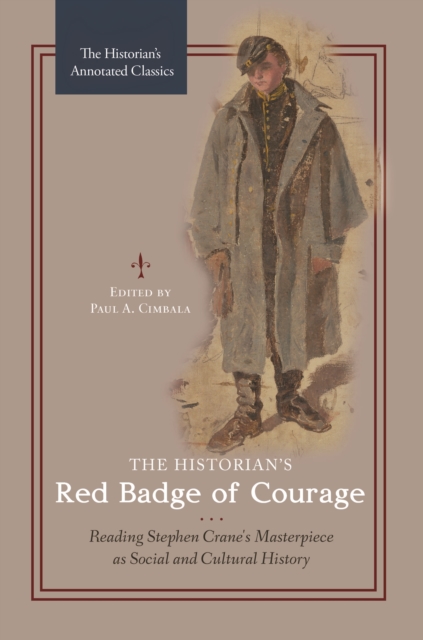
For someone who did not actually fight in the American Civil War, Stephen Crane was extraordinarily accurate in his description of the psychological tension experienced by a youthful soldier grappling with his desire to act heroically, his fears, and redemption.