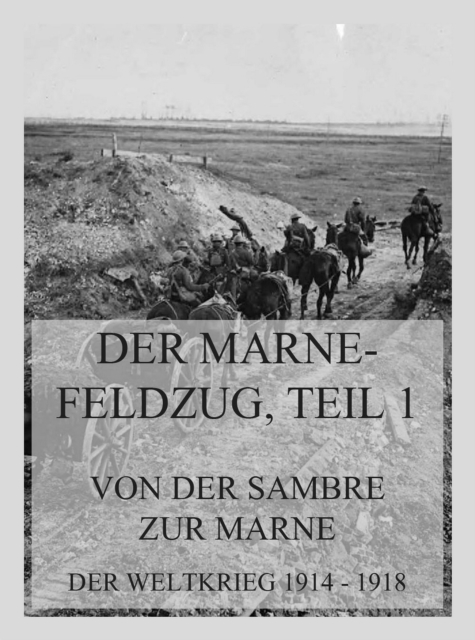
In den Jahren 1925 bis 1944 gab das Reichsarchiv unter Mitwirkung einer großen Zahl von Offizieren und Historikern eine Serie von Monographien zur Militärgeschichte des Ersten Weltkriegs aus deutscher Sicht heraus.
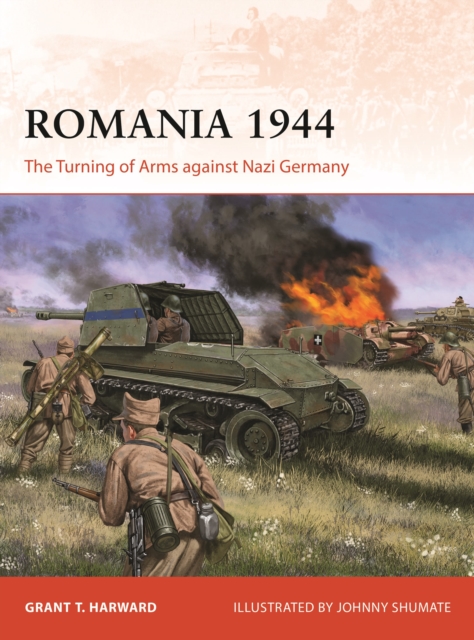
The complex and fascinating story of Romania's 'turning of arms' against Nazi Germany, and the battle for Romania - an important but overlooked and misunderstood episode of World War II.
The bitter fighting in the so-called Falaise-Argentan Pocket in August 1944, during which the Allies encircled and destroyed a substantial part of Hitler’s forces in northern France following the D-Day landings, marked the last major battle of the Normandy campaign.
The forgotten story of the major naval operations conducted in the Philippines by the US and Japanese navies after Leyte Gulf up to the US invasion of Luzon in January 1945.
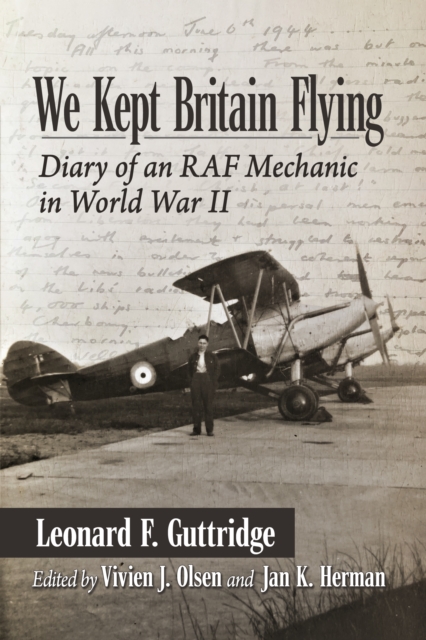
Corporal Leonard Guttridge was among the many unsung heroes of the Battle of Britain--the Royal Air Force mechanics and armorers who patched bullet holes, repaired engines, refueled empty tanks and replenished ammunition, enabling outnumbered pilots to return to the skies.
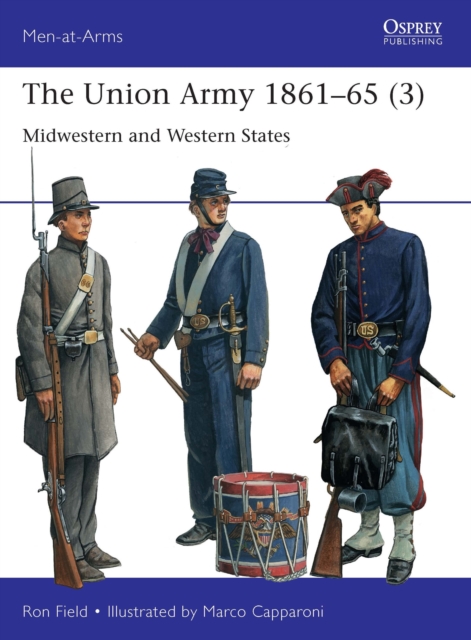
This book describes and illustrates the uniforms and personal equipment of the troops fielded by the Midwestern and Western states that fought for the Union during the Civil War.
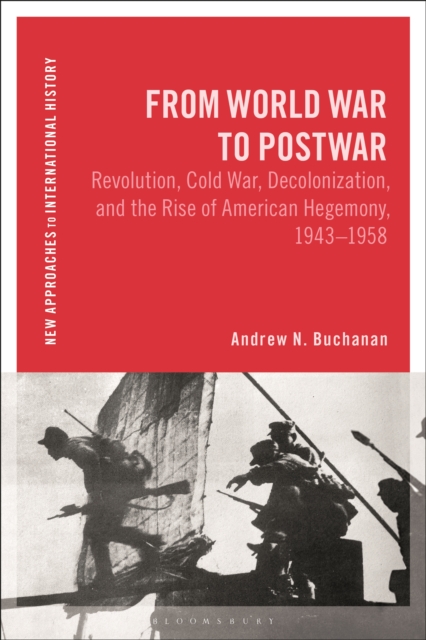
Offering a global account of the 'long' World War II, this book challenges conventional narratives that picture a clearly defined war period (1939-1945) followed by a distinct postwar era dominated by the encroaching cold war.
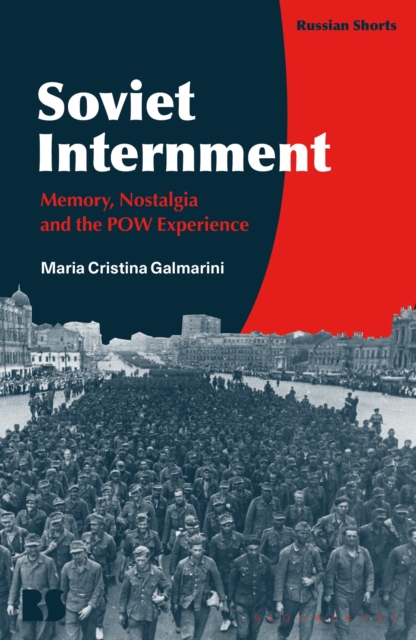
Using a microhistory based on a unique set of life-writing sources, this book provides an unparalleled insight into the Soviet POW experience during the Second World War.
Okwui Enwezor is widely regarded as a leader among the brilliant curators who emerged in the 1990s to set agendas for understanding the global expansiveness of contemporary art.
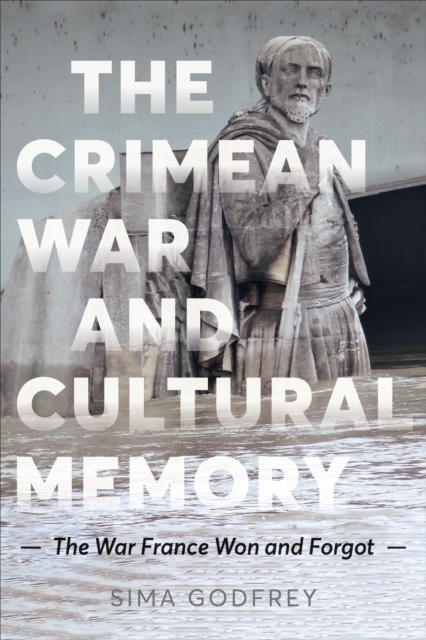
The Crimean War (1854-56) is widely considered the first modern war with its tactical use of railways, telegraphs, and battleships, its long-range rifles, and its notorious trenches - precursors of the Great War.
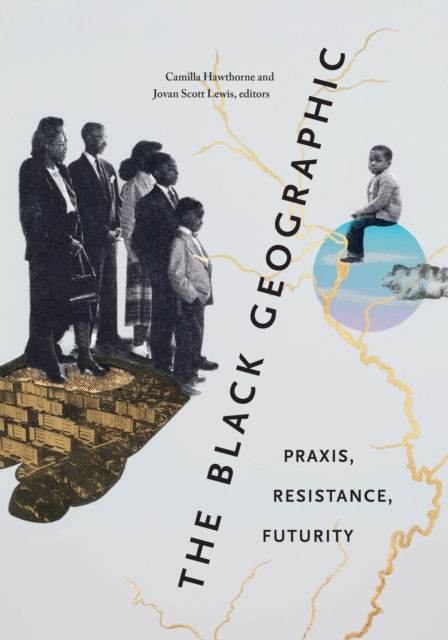
The contributors to The Black Geographic explore the theoretical innovations of Black Geographies scholarship and how it approaches Blackness as historically and spatially situated.
The Crimean War (1854-56) is widely considered the first modern war with its tactical use of railways, telegraphs, and battleships, its long-range rifles, and its notorious trenches - precursors of the Great War.
This lost classic, a crystal clear eyewitness account of the Holocaust, has been translated into English for the first time, 70 years after it was first published.
The bitter fighting in the so-called Falaise-Argentan Pocket in August 1944, during which the Allies encircled and destroyed a substantial part of Hitler’s forces in northern France following the D-Day landings, marked the last major battle of the Normandy campaign.
In Reckoning with Restorative Justice, Leanne Trapedo Sims explores the experiences of women who are incarcerated at the Women's Community Correctional Center, the only women's prison in the state of Hawai'i.
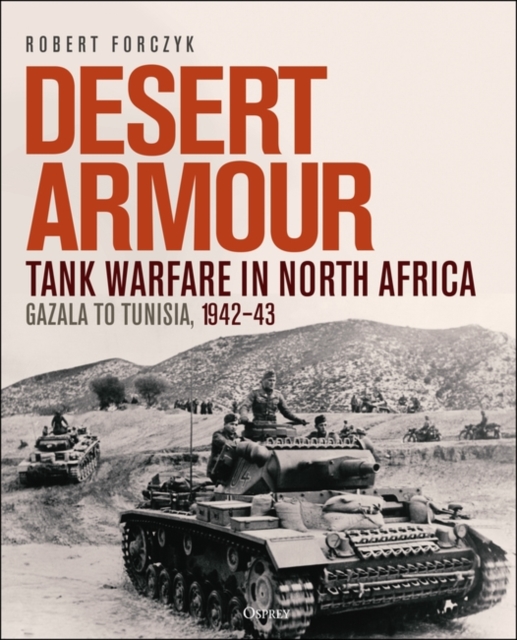
Robert Forczyk covers the development of armoured warfare in North Africa from Rommel's Gazala offensive in 1942 through to the end of war in the desert in Tunisia in 1943.
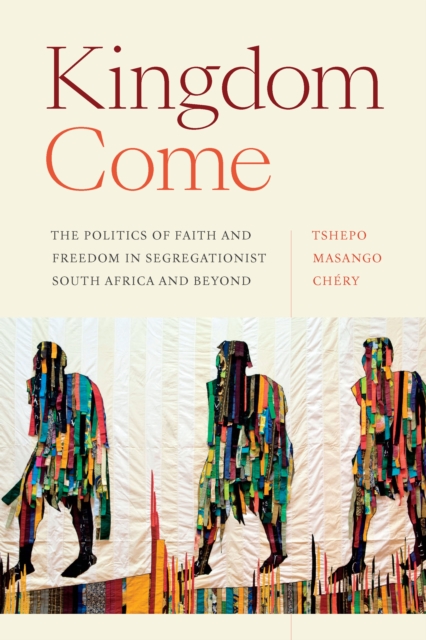
In Kingdom Come, Tshepo Masango Chery charts a new genealogy of early twentieth-century Black Christian activists who challenged racism in South Africa before the solidification of apartheid by using faith as a strategy against global racism.