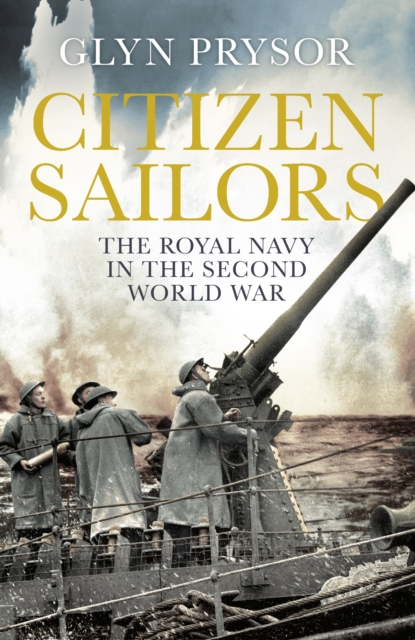
Paul Kennedy's classic naval history, now updated with a new introduction by the authorThis acclaimed book traces Britain's rise and fall as a sea power from the Tudors to the present day.
Winner of the Longman's History Today Book of the Year Award and the inaugural Westminster Medal for Military Literature More than a century had gone by since the Battle of Trafalgar.
The controversial revisionist history of World War I that made Niall Ferguson's name The First World War killed around eight million men and bled Europe dry.
A new approach to ideas about war, from one of the UK's leading strategic thinkersIn 1912 Sir Arthur Conan Doyle wrote a short story about a war fought from underwater submersibles that included the sinking of passenger ships.
From the legendary author of Things Fall Apart comes this long-awaited memoir recalling Chinua Achebe's personal experiences of and reflections on the Biafran War, one of Nigeria's most tragic civil warsChinua Achebe, the author of Things Fall Apart, was a writer whose moral courage and storytelling gifts have left an enduring stamp on world literature.
An unmissable book that explores the brutal, heroic and extraordinary final days of the First World War On the eleventh hour of the eleventh day in November 1918, the guns of the Western Front fell silent.
*FULLY UPDATED WITH A NEW FOREWORD*THE SUNDAY TIMES TOP TEN BESTSELLERWINNER OF THE BRITISH ARMY MILITARY BOOK OF THE YEAR 2016'Truly essential' Simon Sebag MontefioreThe final destruction of the Ottoman Empire - one of the great epics of the First World War, from bestselling historian Eugene RoganFor some four centuries the Ottoman Empire had been one of the most powerful states in Europe as well as ruler of the Middle East.
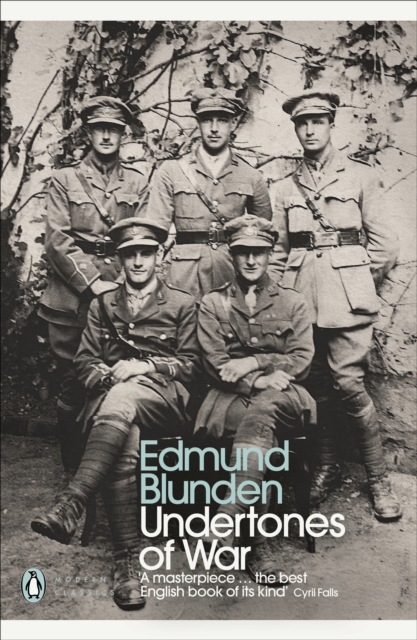
In what is one of the finest autobiographies to come out of the First World War, the distinguished poet Edmund Blunden records his experiences as an infantry subaltern in France and Flanders.
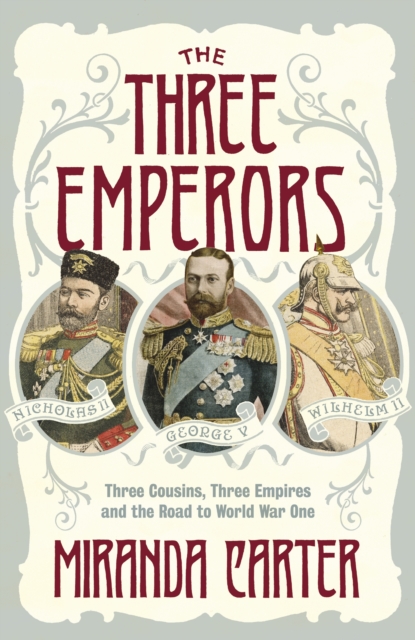
The Three Emperors by Miranda Carter is the juicy, funny story of the three dysfunctional rulers of Germany, Russia and Great Britain at the turn of the last century, combined with a study of the larger forces around them.
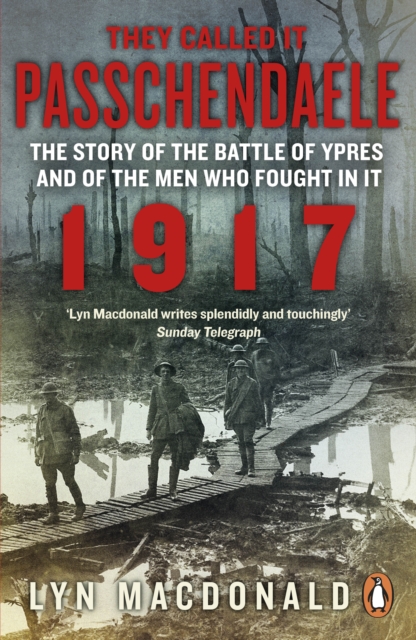
The third battle of Ypres, culminating in a desperate struggle for the ridge and little village of Passchendaele, was one of the most appalling campaigns in the First World War.
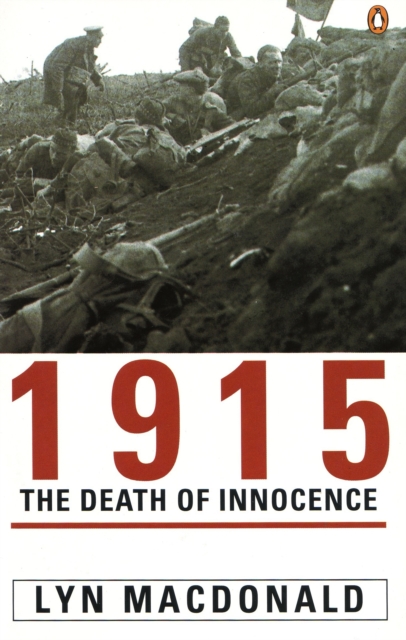
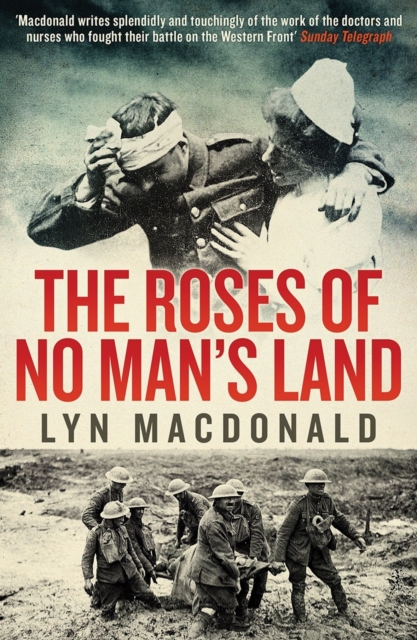
THE INSPIRATION BEHIND THE BBC DRAMA THE CRIMSON FIELD'On the face of it,' writes Lyn Macdonald, 'no one could have been less equipped for the job than these gently nurtured girls who walked straight out of Edwardian drawing rooms into the manifest horrors of the First World War .
In Halik Kochanski's extraordinary book, the untold story of Poland and the Poles in the Second World War is finally heard By almost every measure the fate of the inhabitants of Poland was the most terrible of any group in the Second World War.
The Battle of Britain tells the extraordinary story of one of the pivotal events of the Second World War - the struggle between British and German air forces in the late summer and autumn of 1940.
First published in 1972 under the title TOTAL WAR, THE PENGUIN HISTORY OF THE SECOND WORLD WAR was designed by its authors to show a rising generation why the Second World War happened and how it was conducted.
In early June 1943, James Eric Swift, a pilot with 83 Squadron of the Royal Air Force, boarded his Lancaster bomber for a night raid on M nster and disappeared.
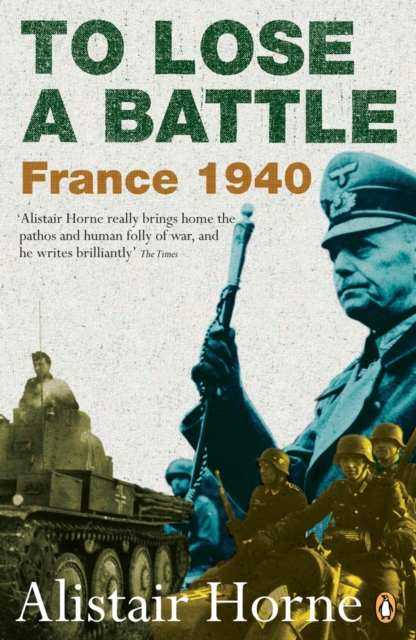
Heinz Guderian - master of the Blitzkrieg and father of modern tank warfare - commanded the German XIX Army Corps as it rampaged across Poland in 1939.
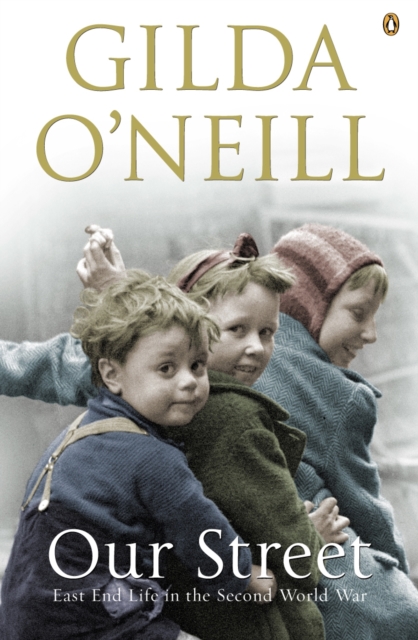
Step into the everyday lives of East End Londoners during the Second World War 'I wanted to write about a time and a place when living in such a street - or rather a community - would have been part of so-called ordinary working people's everyday experience, but when the circumstances couldn't exactly be described as normal.
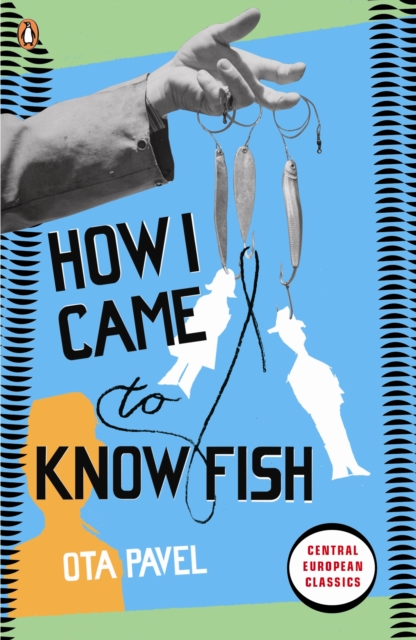
How I Came to Know Fish (1974) is Ota Pavel's magical memoir of his childhood in CzechoslovakiaFishing with his father and his Uncle Prosek - the two finest fishermen in the world - he takes a peaceful pleasure from the rivers and ponds of his country.
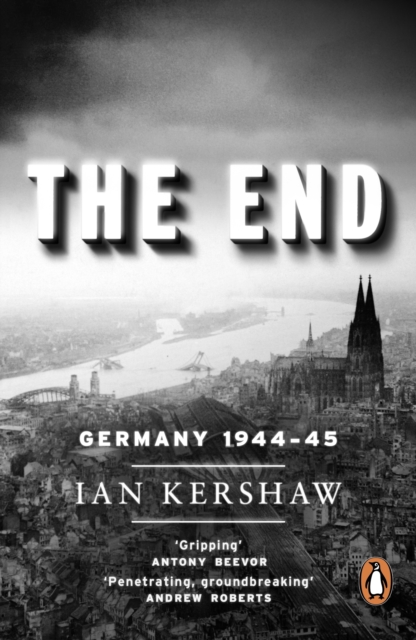
Named Book of the Year by the Sunday Times, TLS, Spectator, Sunday Telegraph, Daily Mail and Scotland on Sunday, Ian Kershaw's The End is a searing account of the final months of Nazi Germany, laying bare the fear and fanaticism that drove a nation to destruction.
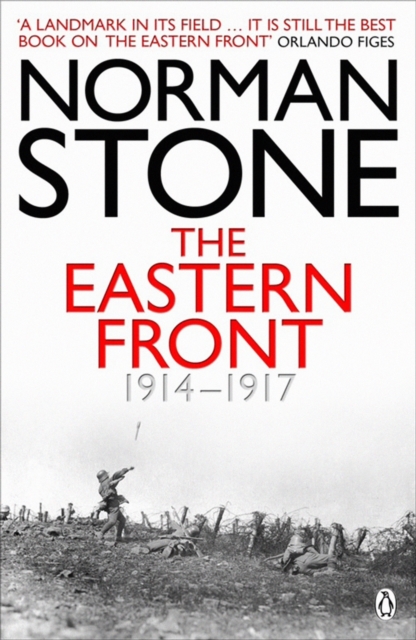
'Without question one of the classics of post-war historical scholarship, Stone's boldly conceived and brilliantly executed book opened the eyes of a generation of young British historians raised on tales of the Western trenches to the crucial importance of the Eastern Front in the First World War' Niall Ferguson 'Scholarly, lucid, entertaining, based on a thorough knowledge of Austrian and Russian sources, it sharply revises traditional assumptions about the First World War.
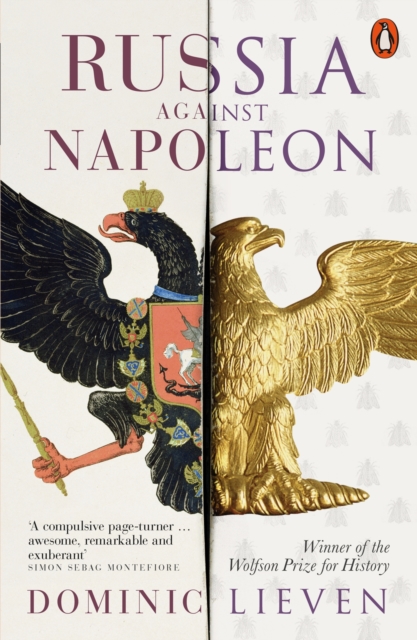
On 2 August 1944, in the wake of the complete destruction of the German Army Group Centre in Belorussia, Winston Churchill mocked Adolf Hitler in the House of Commons by the rank he had reached in the First World War.
The 'Northern Crusades', inspired by the Pope's call for a Holy War, are less celebrated than those in the Middle East, but they were also more successful: vast new territories became and remain Christian, such as Finland, Estonia and Prussia.
THE SUNDAY TIMES #1 BESTSELLERThe great airborne battle for the bridges in 1944 by Britain's Number One bestselling historian and author of the classic Stalingrad'Our greatest chronicler of the Second World War' - Robert Fox, Evening Standard______________ On 17 September 1944, General Kurt Student, the founder of Nazi Germany's parachute forces, heard the growing roar of aeroplane engines.
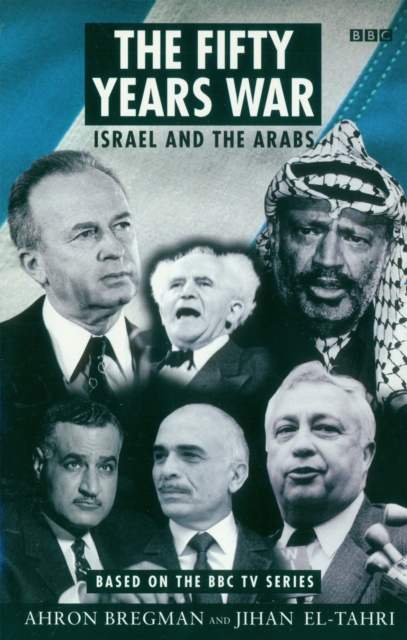
Since the creation of the state of Israel in 1948, the region has been the scene of fierce power struggles, injustice and tragic events - a situation which persists to this day.
For most of 1992-1995, Britain stood aside while an internationally recognised state was attacked by externally-sponsored rebels bent on a campaign of territorial aggression and ethnic cleansing.
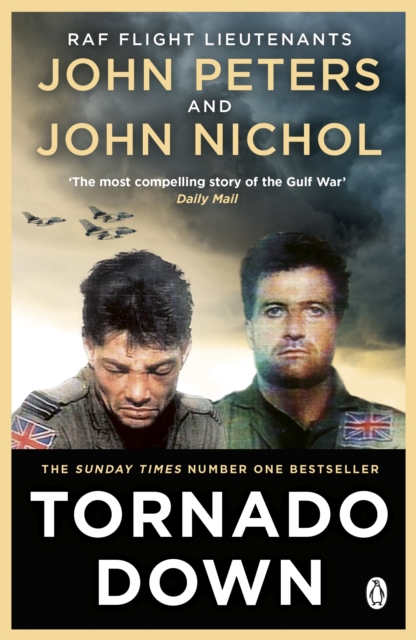
Discover the brave, shocking and remarkable true story of two RAF lieutenants' capture during the Gulf War'HEROISM UNDER A BLOOD RED SKY' Independent'THE MOST COMPELLING STORY OF THE GULF WAR' Daily Mail_________RAF Flight Lieutenants John Peters and John Nichol were shot down over enemy territory on their first mission of the Gulf War.