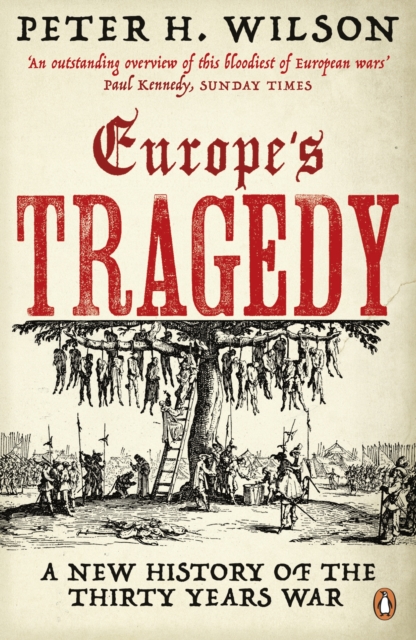
The horrific series of conflicts known as the Thirty Years War (1618-48) tore the heart out of Europe, killing perhaps a quarter of all Germans and laying waste to whole areas of Central Europe to such a degree that many towns and regions never recovered.
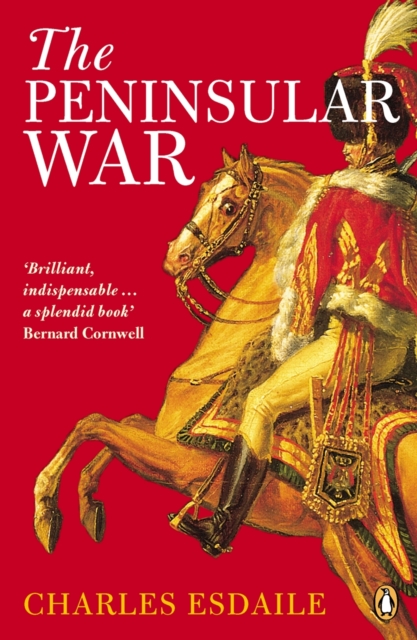
For centuries Spain had been the most feared and predatory power in Europe - it had the largest empire and one of the world's great navies to defend it.
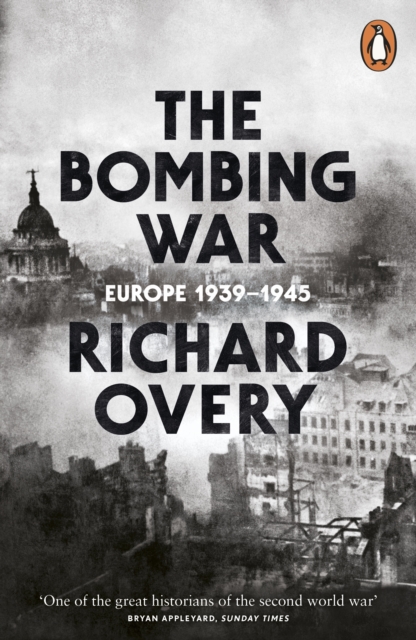
The ultimate history of the Blitz and bombing in the Second World War, from Wolfson Prize-winning historian and author Richard OveryThe use of massive fleets of bombers to kill and terrorize civilians was an aspect of the Second World War which continues to challenge the idea that Allies specifically fought a 'moral' war.
A NEW YORK TIMES BESTSELLERWINNER OF THE DUKE OF WELLINGTON MEDAL FOR MILITARY HISTORYSHORTLISTED FOR THE GILDER LEHRMAN PRIZE FOR MILITARY HISTORY'A masterpiece.
SHORTLISTED FOR THE MARK LYNTON HISTORY PRIZE 2020A DAILY TELEGRAPH BOOK OF THE YEAR 2019A revelatory new biography of Adolf Hitler from the acclaimed historian Brendan SimmsAdolf Hitler is one of the most studied men in history, and yet the most important things we think we know about him are wrong.
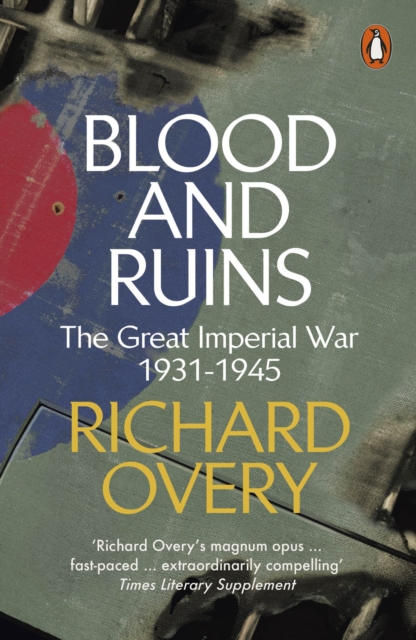
The vast crescent of British-ruled territories from India down to Singapore appeared in the early stages of the Second World War a massive asset in the war with Germany, providing huge quantities of soldiers and raw materials and key part of an impregnable global network denied to the Nazis.
Winner of the Elizabeth Longford prize for Historical Biography'Engrossing' Claire Tomalin / 'Superb' Sunday Times / 'A triumph' Daily MailWhether honoured and admired or criticized and ridiculed, Florence Nightingale has invariably been misrepresented and misunderstood.
A Moment of War is the magnificent conclusion to Laurie Lee s autobiographical trilogy begun in Cider with Rosie and As I Walked Out One Midsummer Morning .
2016 is the 100th anniversary of the Battle of the Somme'There was hardly a household in the land', writes Lyn Macdonald, 'there was no trade, occupation, profession or community, which was not represented in the thousands of innocent enthusiasts who made up the ranks of Kitchener's Army before the Battle of the Somme.
'Brilliant and disturbing' Stephen Spender, New York Review of BooksThe classic work on 'the banality of evil', and a journalistic masterpieceHannah Arendt's stunning and unnverving report on the trial of Nazi leader Adolf Eichmann first appeared as a series of articles in the New Yorker in 1963.
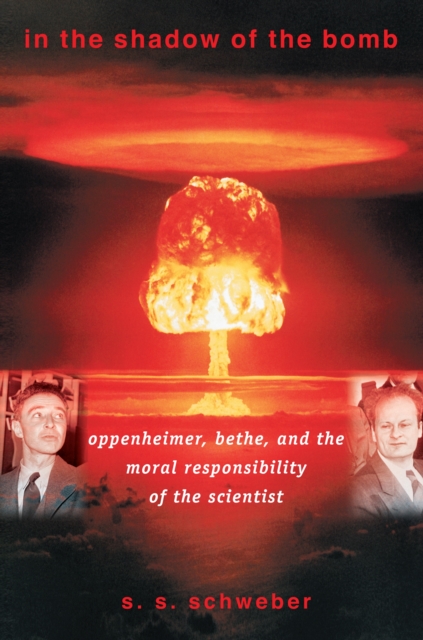
How two charismatic, exceptionally talented physicists came to terms with the nuclear weapons they helped to createIn 1945, the United States dropped the bomb, and physicists were forced to contemplate disquieting questions about their roles and responsibilities.
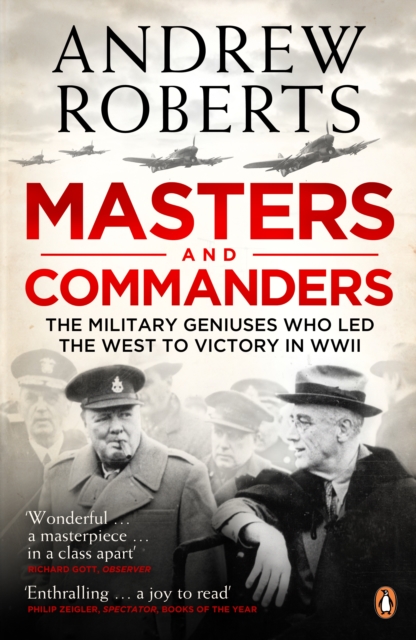
In the Second World War, Great Britain, the United States and Germany each produced one land force commander who stood out from the rest: Bernard Montgomery, George Patton and Erwin Rommel.
Sunday Times History Book of the Year 2014Winner of the 2014 Wolfson History Prize, the 2014 Guggenheim-Lehrman Prize in Military History, the Society for Military History's 2015 Distinguished Book Award and the 2015 British Army Military Book of the YearFor the empires of Germany and Austria-Hungary the Great War - which had begun with such high hopes for a fast, dramatic outcome - rapidly degenerated as invasions of both France and Serbia ended in catastrophe.
This anthology reflects the diversity of voices it contains: the poems are arranged thematically and the themes reflect the different experiences of war not just for the soldiers but for those left behind.
Set in England, Africa and Italy this collection of Steinbeck's World War II news correspondence was written for the New Yolk Herald Tribune in the latter part of 1943.
The soldiers receive the best service a historian can provide: their story is told in their own words - Guardian'For some reason nothing seemed to happen to us at first; we strolled along as though walking in a park.
A brilliantly researched and vividly written history of the English Civil Wars, from one of Britain's most prominent Civil War historiansThe sequence of civil wars that ripped England apart in the seventeenth century was the single most traumatic event in this country between the medieval Black Death and the two world wars.
In the early days of World War Two when Britain stood alone against the terror of Hitler's all-conquering Third Reich, her future hung in the balance; her defence in the hands of the Spitfires and Hurricanes of the Royal Air Force's Fighter Command.
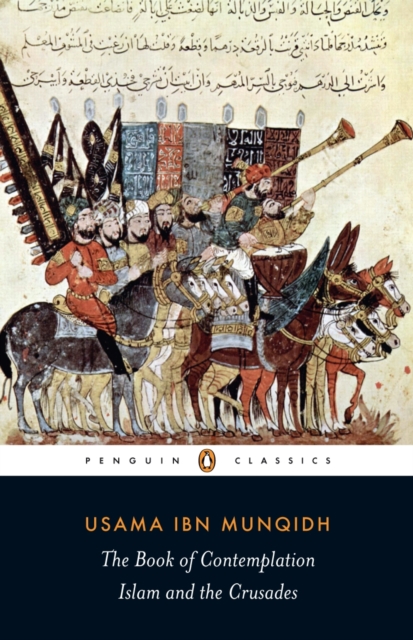
The volume comprises lightly annotated translation of a key medieval Arabic text that bears directly on the Crusades and Crusader society and the Muslim experience of them.
The powerful, disturbing history of Nazi Europe by Mark Mazower, one of Britain's leading historians and bestselling author of Dark Continent and Governing the World Hitler's Empire charts the landscape of the Nazi imperial imagination - from those economists who dreamed of turning Europe into a huge market for German business, to Hitler's own plans for new transcontinental motorways passing over the ethnically cleansed Russian steppe, and earnest internal SS discussions of political theory, dictatorship and the rule of law.
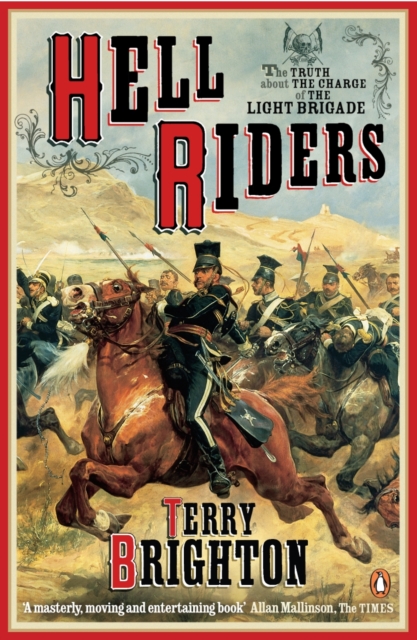
On 25 October 1854, during the Crimean War, the Light Brigade of the British Cavalry Division made the most magnificent and most brutal charge in military history.
Taken from Appian's Roman History, the five books collected here form the sole surviving continuous historical narrative of the era between 133-35 BC - a time of anarchy and instability for the Roman Empire.
'No two nations have ever existed on the face of the earth which could do each other so much good or so much harm'President Buchanan, State of the Nation Address, 1859A World on Fire tells, with extraordinary sweep, one of the least known great stories of British and American history.
Based on unprecedented real-time access to the military's entire chain of command, The Gamble is the definitive account of the insurgency within the US military that led to a radical shift in America's strategy in Iraq - and the bloody implementation of that strategy on the ground.