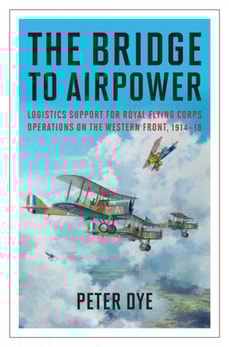
In the latest addition to the History of Military Aviation series, Peter Dye describes how the development of the air weapon on the Western Front during World War I required a radical and unprecedented change in the way that national resources were employed to exploit a technological opportunity.
This book looks at an allegation of betrayal made against a young Foreign Office clerk, Victor Buckley, who, it was claimed, leaked privileged information to agents of the southern States during the American Civil War.
The Supercarriers is a comprehensive historical overview with extensive photos, maps, drawings, and operational detail, including all air-wing deployments.
An instant bestseller when it was first published in 1946, this memoir recounts the author's nearly forty years of service in naval intelligence, beginning in 1908.
Cultivated by the Allied press during the war and fostered by movies and novels ever since, the image of a U-boat skipper held by most Americans is the personification of evil: the wolf who stalks innocents.
When his electronic warfare plane--call sign Bat 21--was shot down on 2 April 1972, fifty-three-year-old Air Force navigator Iceal "e;Gene"e; Hambleton parachuted into the middle of a North Vietnamese invasion force and set off the biggest and most controversial air rescue effort of the Vietnam War.
Naval officers and enlisted personnel undergo extensive training to cope with the special demands of their duties at sea and ashore, but what about their spouses and children?
The tragic, the comic, the terrifying, the poignant are all part of the story of the Black Pony pilots who distinguished themselves in the Mekong Delta during the Vietnam War.
As plans got under way for the Allied invasion of Sicily in June 1943, British counter-intelligence agent Ewen Montagu masterminded a scheme to mislead the Germans into thinking the next landing would occur in Greece.
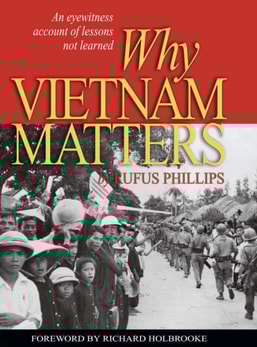
Rufus Phillips offers an extraordinary inside history of the most critical years of American involvement in Vietnam, from 1954 to 1968, and explains why it still matters.
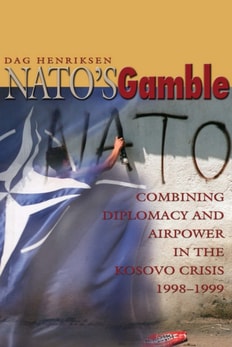
In this revealing work, Dag Henriksen discloses the origins and content of NATO's strategic and conceptual thinking on how the use of force was to succeed politically in altering the behavior of the Federal Republic of Yugoslavia (FRY).
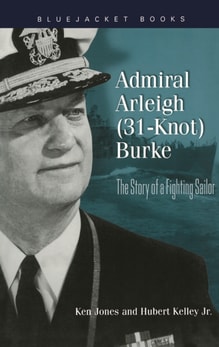
Written by two World War II veterans who later became well-known war correspondents, this biography records the inspiring life of one of America's great naval heroes.
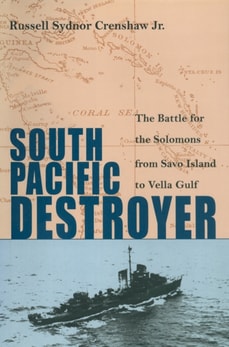
Today only a select few know firsthand what it is like to feel their ship shudder from the blast of their own guns, watch enemy guns flash back, and see friendly ships erupt in flames.
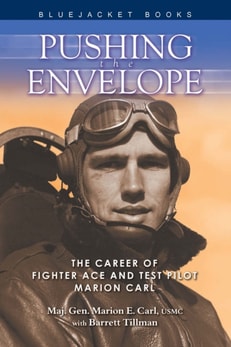
First published in 1994, this stirring autobiography of a fighter and test pilot takes readers full throttle through Carl's imposing list of "e;firsts.
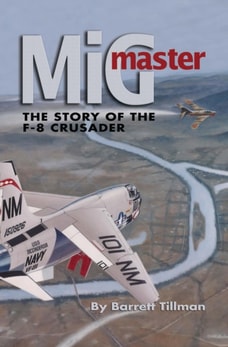
To be equally enjoyed by professional aviators and aviation buffs with limited technical knowledge, this biography brings to life the legendary aircraft that scored the highest kill ratio of any U.
Providing inspiration for Tom Clancy's The Hunt for Red October, the 1975 mutiny aboard the Soviet destroyer Storozhevoy (translated Sentry) aimed at nothing less than the overthrow of Leonid Brezhnev and the Soviet government.
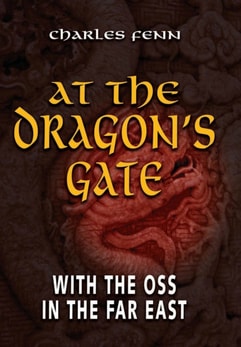
In the early days of World War II, a young Marine named Charles Fenn was recruited by the Office of Strategic Services (OSS) for undercover operations in the China-Burma-India theatre.
Admittedly small and vulnerable, PT boats were, nevertheless, fast-the fastest craft on the water during World War II-and Dick Keresey's account of these tough little fighters throws new light on their contributions to the war effort.
When U-234 slipped out of a Norwegian harbor in March 1945 destined for Japan, it was loaded with some of the most technically advanced weaponry and electronic detection devices of the era, along with a select group of officials.
American missionaries Henry Roy Bell and his wife Edna had been teaching in the Philippines at Silliman University for twenty years when the Japanese invaded the islands after the attack on Pearl Harbor.
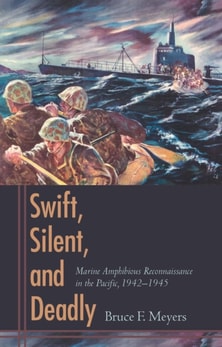
An experienced reconnaissance Marine officer, Bruce Meyers paints a colorful and accurate picture of the special recon landings that preceded every major amphibious operation in the Pacific War.