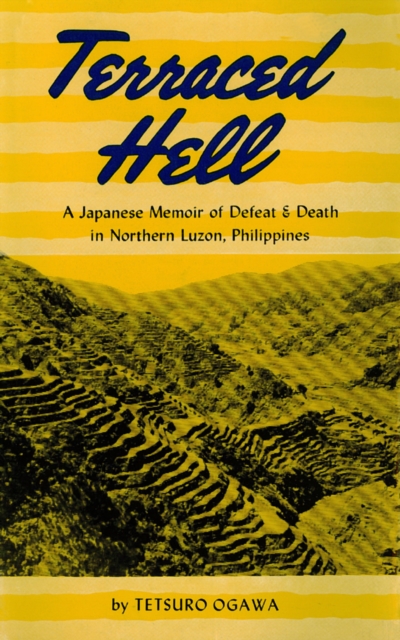
This memoir from a Japanese civilian placed with the army in World War II offers a rare glimpse of the Japanese experience and psychology during this desperate time.
'Phillips O'Brien is one of the keenest observers of modern strategy, and his new book takes a deep historical look at the evolution of warfare and its implications for conflicts like the ongoing one in Ukraine' Francis Fukuyama--------------------War and power are two of the most-widely discussed issues in all of human history, and yet they are, time and again, misunderstood often disastrously so.
This memoir from a Japanese civilian placed with the army in World War II offers a rare glimpse of the Japanese experience and psychology during this desperate time.
'The best biography I've read recently' - Colin Bateman, Sunday Independent'An excellent examination of Mayne Ross corrects many of the myths about him that have flourished over the years' - History of War magazine'This welcome reassessment, officially backed and well-researched, sets the record straight' Soldier magazine'Paddy' Mayne was one of the most outstanding special forces leaders of the Second World War.
The wrenching events of the Civil War transformed not only the United States but also the men unexpectedly called on to lead their fellow citizens in this first modern example of total war.
Approximately 9 million soldiers fell into enemy hands from 1914 to 1918, but historians have only recently begun to recognize the prisoner of wars significance to the history of the Great War.
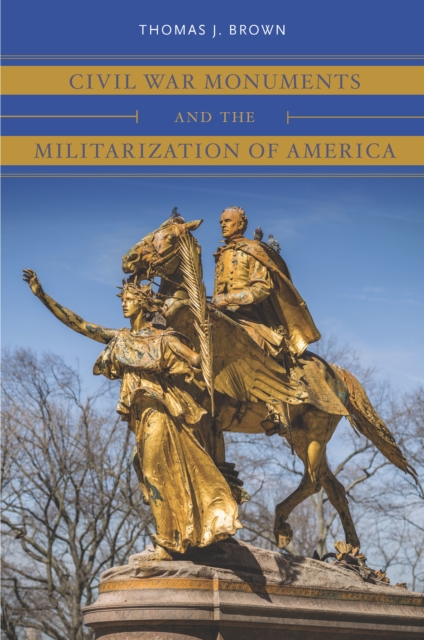
This sweeping new assessment of Civil War monuments unveiled in the United States between the 1860s and 1930s argues that they were pivotal to a national embrace of military values.
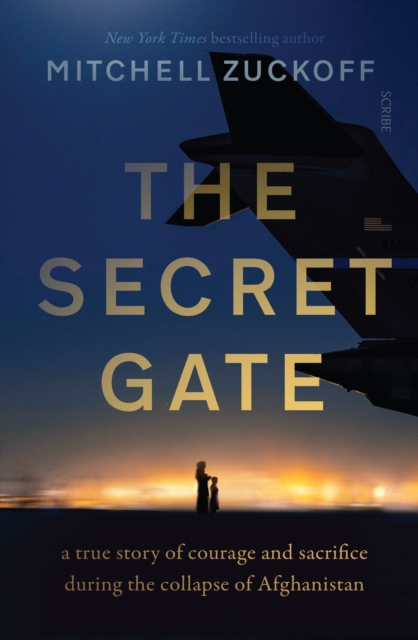
The incredible, true story of a breathtaking rescue in the frenzied final hours of the US evacuation of Afghanistan - and how a brave Afghan mother and a compassionate American officer engineered a daring escape.
This sweeping new assessment of Civil War monuments unveiled in the United States between the 1860s and 1930s argues that they were pivotal to a national embrace of military values.
Approximately 9 million soldiers fell into enemy hands from 1914 to 1918, but historians have only recently begun to recognize the prisoner of wars significance to the history of the Great War.