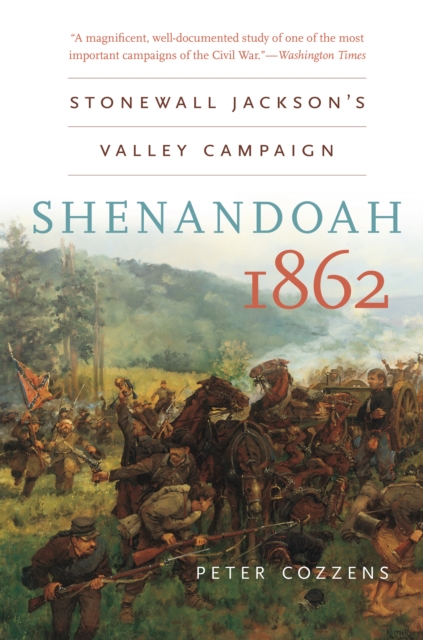
One of the most intriguing and storied episodes of the Civil War, the 1862 Shenandoah Valley Campaign has heretofore been related only from the Confederate point of view.
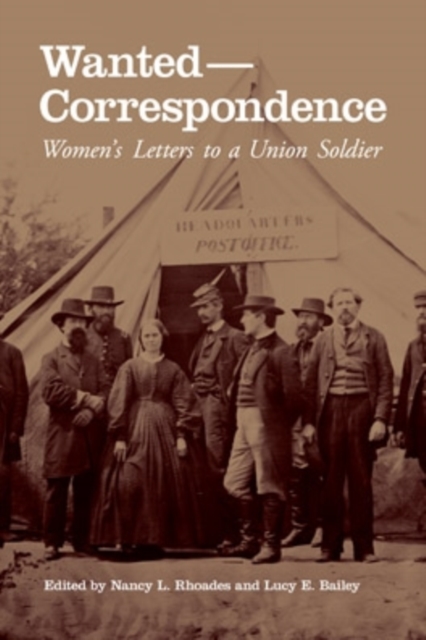
A unique collection of more than 150 letters written to an Ohio serviceman during the American Civil War that offers glimpses of women's lives as they waited, worked, and wrote from the Ohio home front.
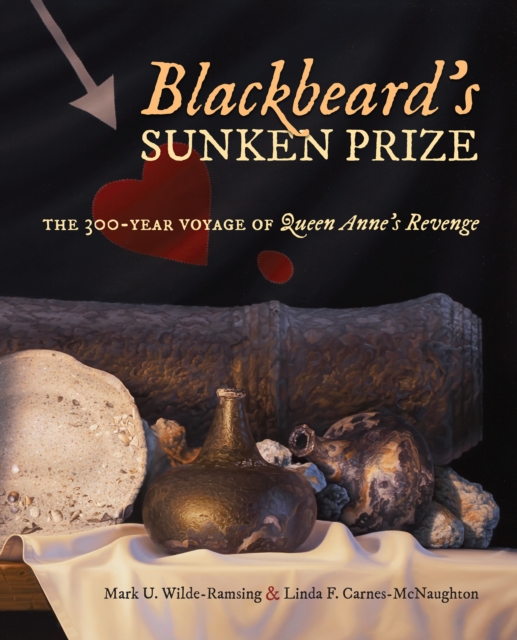
In 1717, the notorious pirate Blackbeard captured a French slaving vessel off the coast of Martinique and made it his flagship, renaming it Queen Annes Revenge.
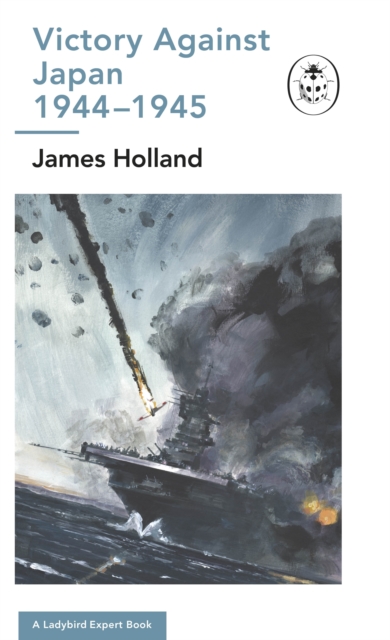
BOOK 12 OF THE LADYBIRD EXPERT HISTORY OF THE SECOND WORLD WAR, FROM AWARD-WINNING HISTORIAN JAMES HOLLANDFeaturing stunning illustrations from Keith Burns, bringing the story to life in vivid detailWhy did Japan decide to attack at Pearl Harbour?
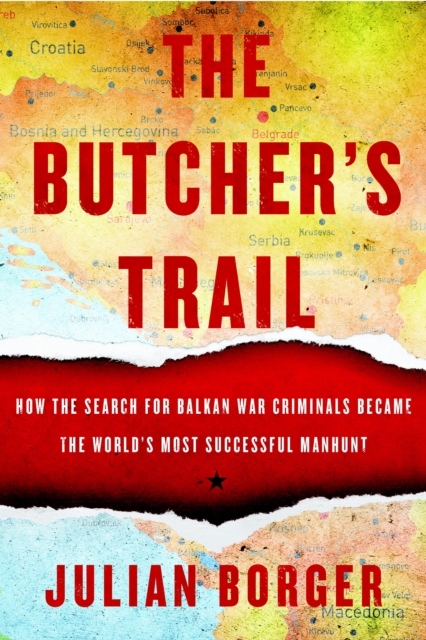
The gripping, untold story of The International Criminal Tribunal for the former Yugoslavia and how the perpetrators of Balkan war crimes were captured by the most successful manhunt in history
Written with a thrilling narrative pull, The Butcher’s Trail chronicles the pursuit and capture of the Balkan war criminals indicted by the International Criminal Tribunal in The Hague.
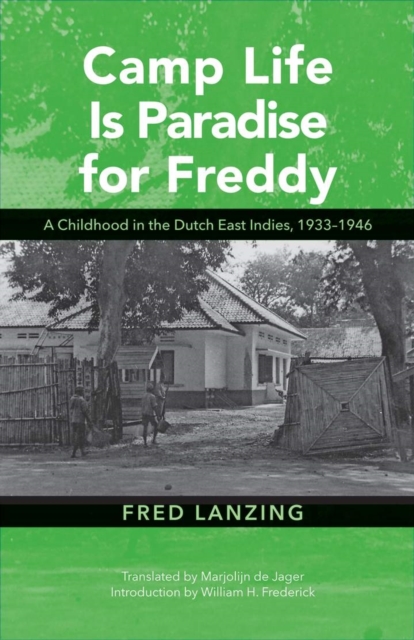
"e;Children see and hear what is there; adults see and hear what they are expected to and mainly remember what they think they ought to remember,"e; David Lowenthal wrote in The Past Is a Foreign Country.
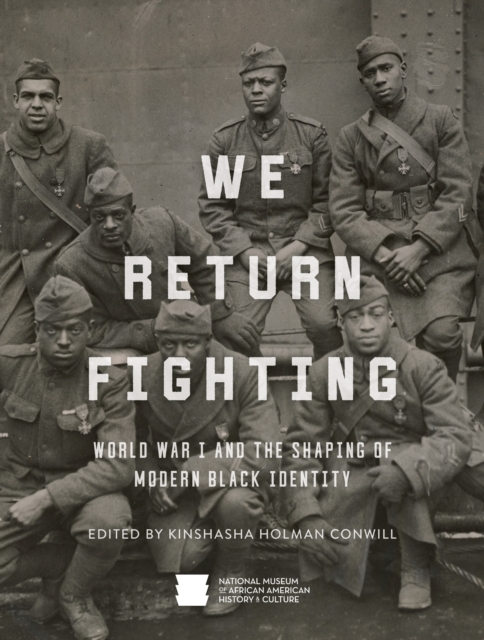
A richly illustrated commemoration of African Americans'' roles in World War I highlighting how the wartime experience reshaped their lives and their communities after they returned home.
The Library of America''s ambitious four-volume series continues with this volume that traces events from January 1862 to January 1863, an unforgettable portrait of the crucial year that turned a secessionist rebellion into a war of emancipation.
After 150 years the Civil War is still our greatest national drama, at once heroic, tragic, and epic-our Iliad, but also our Bible, a story of sin and judgment, suffering and despair, death and resurrection in a "new birth of freedom.
Though its most famous battles were waged in the East at Antietam, Gettysburg, and throughout Virginia, the Civil War was clearly a conflict that raged across a continent.
This first study to discuss the important ideological role of the military in the early political life of the nation examines the relationship between revolutionary doctrine and the practical considerations of military planning before and after the American Revolution.
A social-developmental psychologist and a social anthropologist describe what is known and what needs to be investigated concerning the development of race and color concepts in young children.
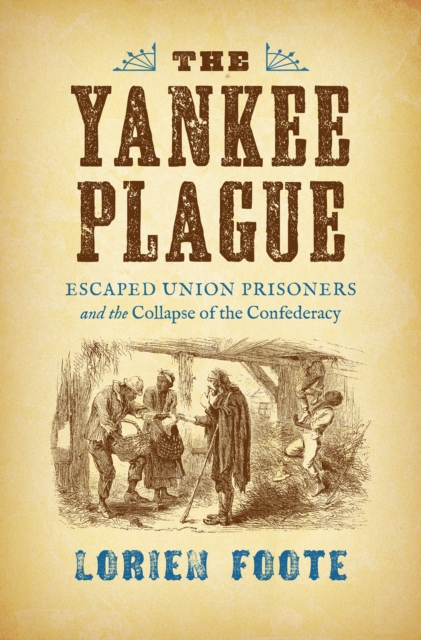
During the winter of 1864, more than 3,000 Federal prisoners of war escaped from Confederate prison camps into South Carolina and North Carolina, often with the aid of local slaves.
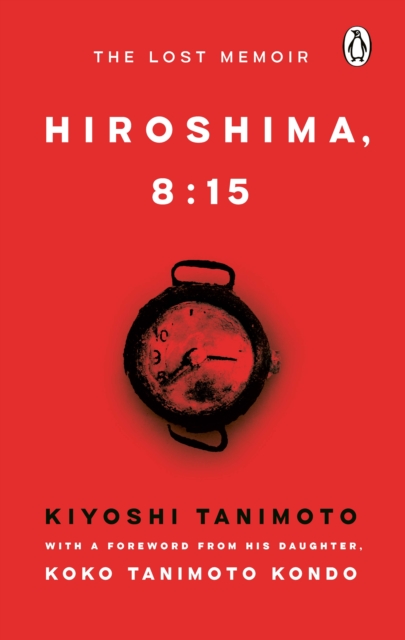
A newly discovered firsthand account of the Hiroshima bombing and its aftermath from one of the survivors a lost classic that brings unprecedented immediacy to our understanding of this world-changing event.
International lawyers and distinguished scholars consider the question: Is it legally justifiable to treat the Vietnam War as a civil war or as a peculiar modern species of international law?
Volume three of the complete wartime correspondence of the two great statesmen of the twentieth centuryThis three-volume work is the first complete collection of the correspondence of Winston Churchill and Franklin D.
Volume two of the complete wartime correspondence of the two great statesmen of the twentieth centuryThis three-volume work is the first complete collection of the correspondence of Winston Churchill and Franklin D.
Volume one of the complete wartime correspondence of the two great statesmen of the twentieth centuryThis three-volume work is the first complete collection of the correspondence of Winston Churchill and Franklin D.
Professor Havens analyzes the efforts of Japanese antiwar organizations to portray the war as much more than a fire across the sea"e; and to create new forms of activism in a country where individuals have traditionally left public issues to the authorities.
This searching analysis of what has been called America's longest war"e; was commissioned by the Senate Committee on Foreign Relations to achieve an improved understanding of American participation in the conflict.
This searching analysis of what has been called America's longest war"e; was commissioned by the Senate Committee on Foreign Relations to achieve an improved understanding of American participation in the conflict.
In essays that illuminate not only the recent past but shortcomings in today's intelligence assessments, sixteen experts show how prospective antagonists appraised each other prior to the World Wars.
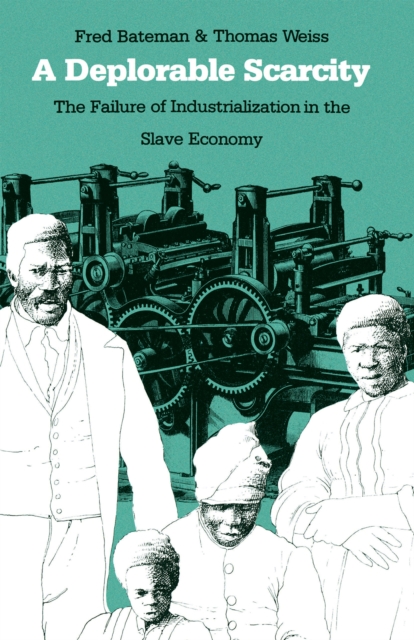
In this major reexamination of the southern industrial economy and its failure to progress during the antebellum period, Fred Bateman and Thomas Weiss show that slavery and its consequences were not alone in inhibiting industrialization.
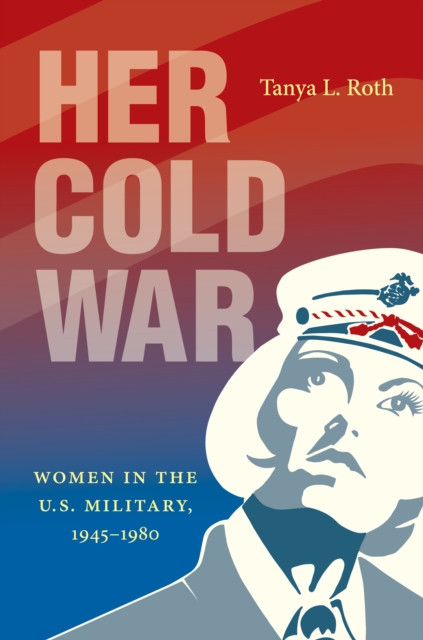
While Rosie the Riveter had fewer paid employment options after being told to cede her job to returning World War II veterans, her sisters and daughters found new work opportunities in national defense.
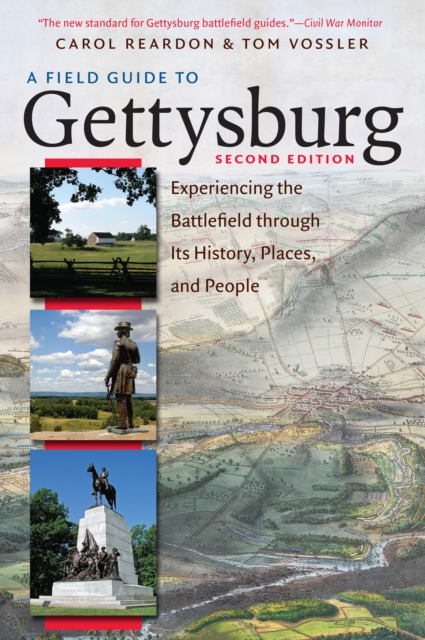
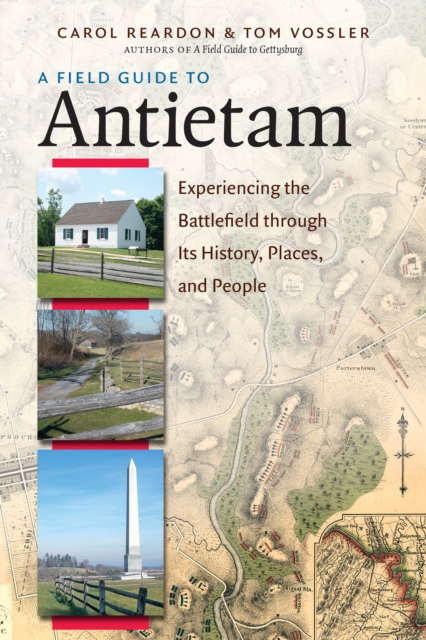
This special enhanced ebook edition to the newly updated A Field Guide to Gettysburg will lead visitors to every important site across the battlefield and also give them ways to envision the action and empathize with the soldiers involved and the local people into whose lives and lands the battle intruded.
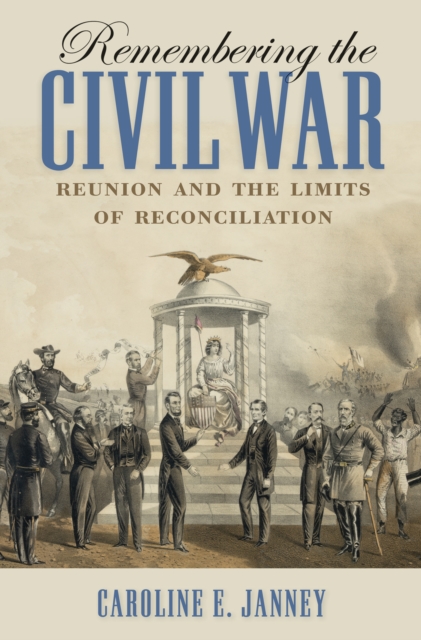
As early as 1865, survivors of the Civil War were acutely aware that people were purposefully shaping what would be remembered about the war and what would be omitted from the historical record.
In this thoroughly researched documentation of a historically controversial issue, the author considers the background, passage, and constitutionality of the Fugitive Slave Law.
The purpose of this study was to discover what was typical in the history and character of the state during the period of the Civil War and the readjustment that followed.
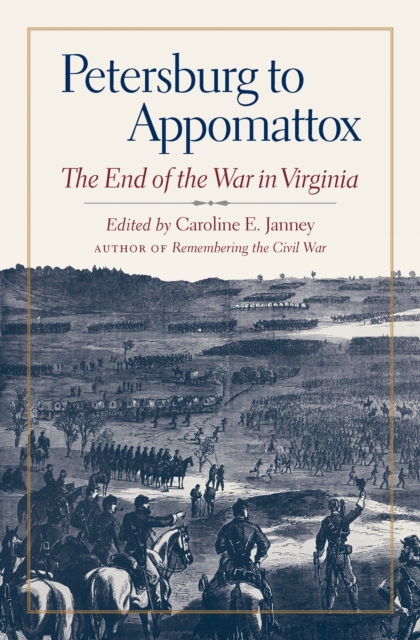
The last days of fighting in the Civil Wars eastern theater have been wrapped in mythology since the moment of Lees surrender to Grant at Appomattox Court House.
In Making Sense of War, Amir Weiner reconceptualizes the entire historical experience of the Soviet Union from a new perspective, that of World War II.
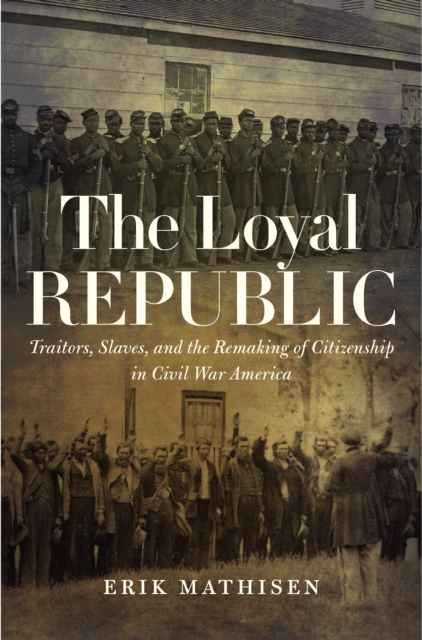
This is the story of how Americans attempted to define what it meant to be a citizen of the United States, at a moment of fracture in the republics history.
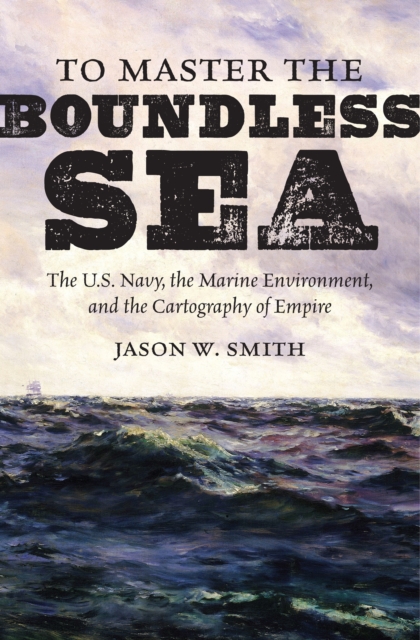
As the United States grew into an empire in the late nineteenth century, notions like sea power derived not only from fleets, bases, and decisive battles but also from a scientific effort to understand and master the ocean environment.