From the Korean War to the current conflict in Iraq, Paying the Human Costs of War examines the ways in which the American public decides whether to support the use of military force.
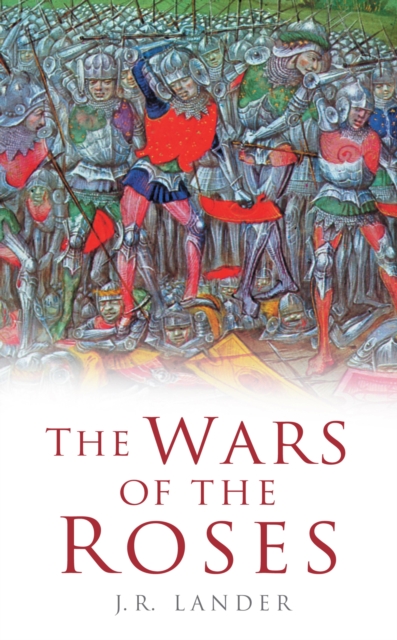
The dynastic struggles of the Wars of the Roses (1455-85) have traditionally been portrayed as belonging to one of the most dramatic periods in the history of England, an age of murder and melodrama.
The purpose of this study was to discover what was typical in the history and character of the state during the period of the Civil War and the readjustment that followed.
While Rosie the Riveter had fewer paid employment options after being told to cede her job to returning World War II veterans, her sisters and daughters found new work opportunities in national defense.
A social-developmental psychologist and a social anthropologist describe what is known and what needs to be investigated concerning the development of race and color concepts in young children.
Demonstrating the centrality of diplomacy in the Vietnam War, Pierre Asselin traces the secret negotiations that led up to the Paris Agreement of 1973, which ended Americas involvement but failed to bring peace in Vietnam.
The last days of fighting in the Civil Wars eastern theater have been wrapped in mythology since the moment of Lees surrender to Grant at Appomattox Court House.
In 1717, the notorious pirate Blackbeard captured a French slaving vessel off the coast of Martinique and made it his flagship, renaming it Queen Annes Revenge.
As the United States grew into an empire in the late nineteenth century, notions like sea power derived not only from fleets, bases, and decisive battles but also from a scientific effort to understand and master the ocean environment.
Throughout World War II, when Saturday nights came around, servicemen and hostesses happily forgot the war for a little while as they danced together in USO clubs, which served as havens of stability in a time of social, moral, and geographic upheaval.
This first study to discuss the important ideological role of the military in the early political life of the nation examines the relationship between revolutionary doctrine and the practical considerations of military planning before and after the American Revolution.
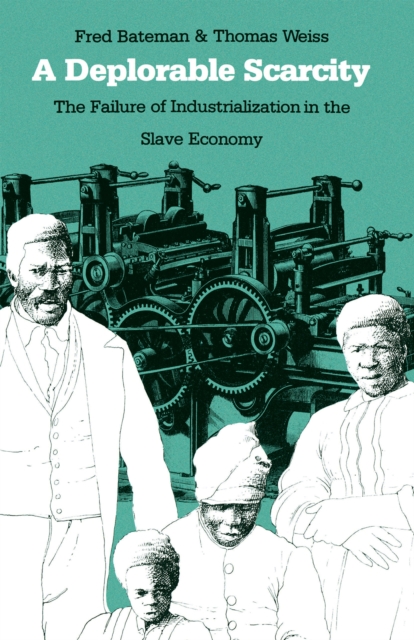
In this major reexamination of the southern industrial economy and its failure to progress during the antebellum period, Fred Bateman and Thomas Weiss show that slavery and its consequences were not alone in inhibiting industrialization.
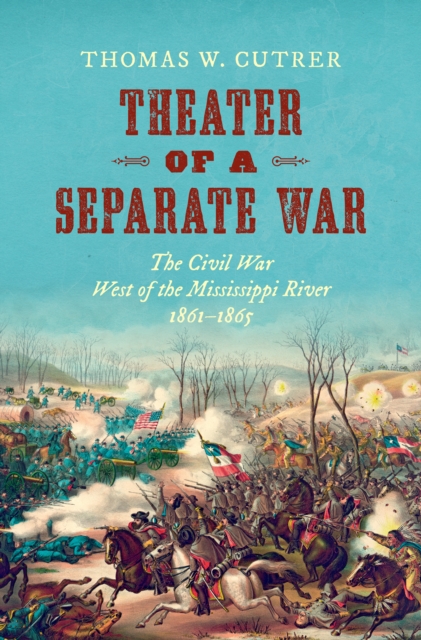
Though its most famous battles were waged in the East at Antietam, Gettysburg, and throughout Virginia, the Civil War was clearly a conflict that raged across a continent.
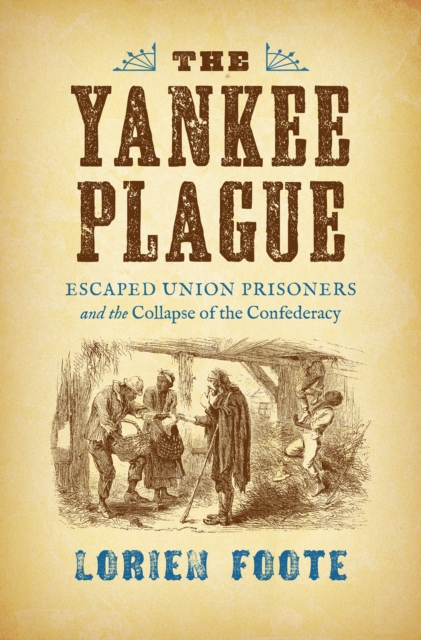
During the winter of 1864, more than 3,000 Federal prisoners of war escaped from Confederate prison camps into South Carolina and North Carolina, often with the aid of local slaves.
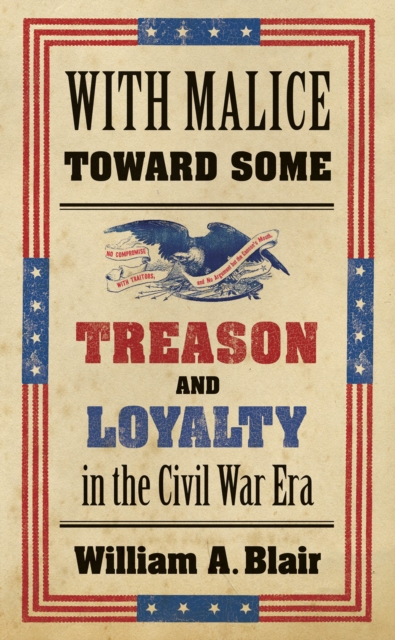
This is the story of how Americans attempted to define what it meant to be a citizen of the United States, at a moment of fracture in the republics history.
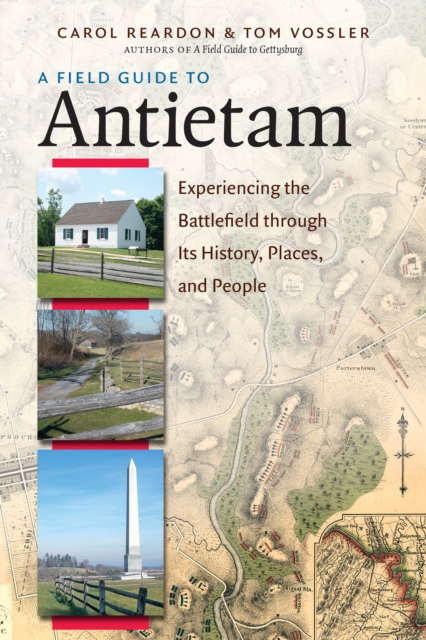
This special enhanced ebook edition to the newly updated A Field Guide to Gettysburg will lead visitors to every important site across the battlefield and also give them ways to envision the action and empathize with the soldiers involved and the local people into whose lives and lands the battle intruded.
In this thoroughly researched documentation of a historically controversial issue, the author considers the background, passage, and constitutionality of the Fugitive Slave Law.
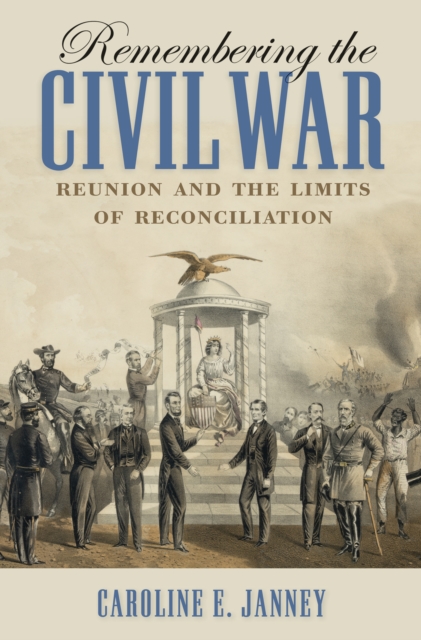
As early as 1865, survivors of the Civil War were acutely aware that people were purposefully shaping what would be remembered about the war and what would be omitted from the historical record.
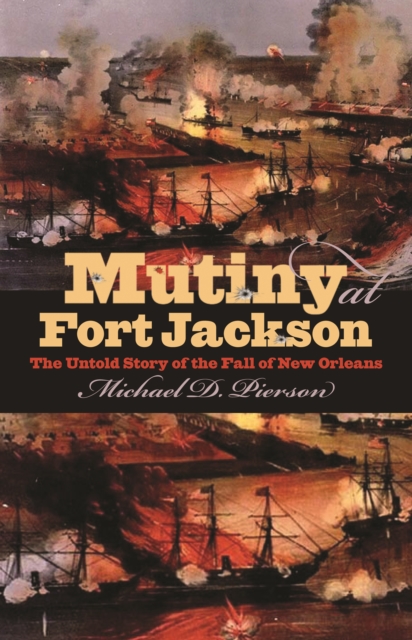
New Orleans was the largest city and one of the richest in the Confederacy, protected in part by Fort Jackson, which was just sixty-five miles down the Mississippi River.
During the battle of Gettysburg, as Union troops along Cemetery Ridge rebuffed Pickett's Charge, they were heard to shout, "e;Give them Fredericksburg!
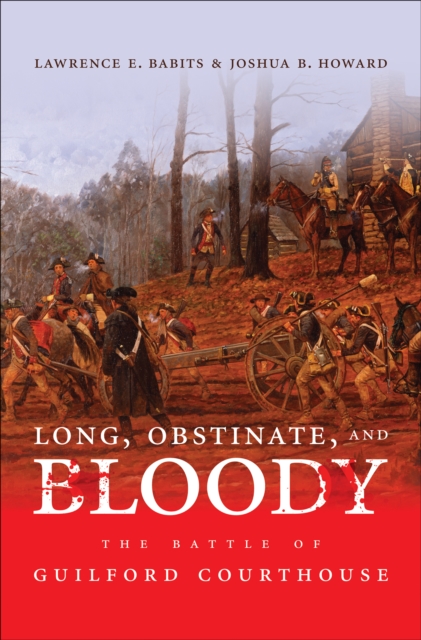
On March 15, 1781, the armies of Nathanael Greene and Lord Charles Cornwallis fought one of the bloodiest and most intense engagements of the American Revolution at Guilford Courthouse in piedmont North Carolina.
In a groundbreaking, comprehensive history of the Army of Northern Virginias retreat from Gettysburg in July 1863, Kent Masterson Brown draws on previously untapped sources to chronicle the massive effort of General Robert E.
If, as many have argued, the Civil War is the most crucial moment in our national life and Gettysburg its turning point, then the climax of the climax, the central moment of our history, must be Picketts Charge.