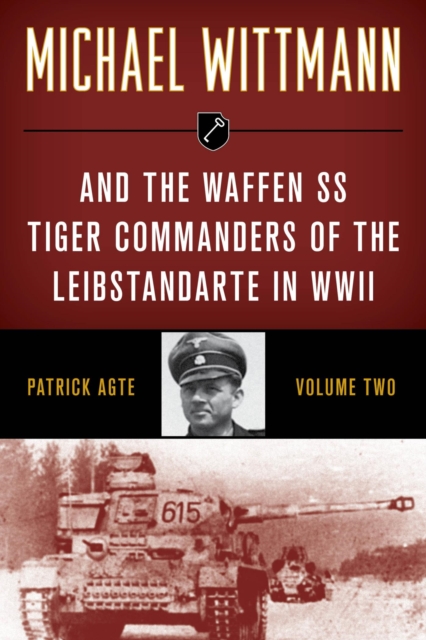
German Panzer ace Michael Wittmann was by far the most famous tank commander on any side in World War II, destroying 138 enemy tanks and 132 anti-tank guns with his Tiger.
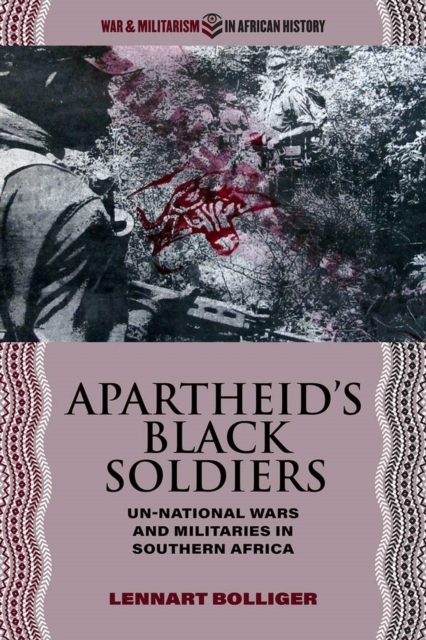
New oral histories from Black Namibian and Angolan troops who fought in apartheid South Africa's security forces reveal their involvement, and its impact on their lives, to be far more complicated than most historical scholarship has acknowledged.
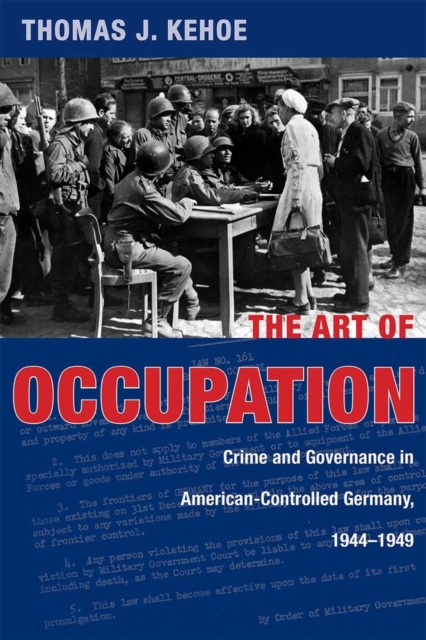
The literature describing social conditions during the post-World War II Allied occupation of Germany has been divided between seemingly irreconcilable assertions of prolonged criminal chaos and narratives of strict martial rule that precluded crime.
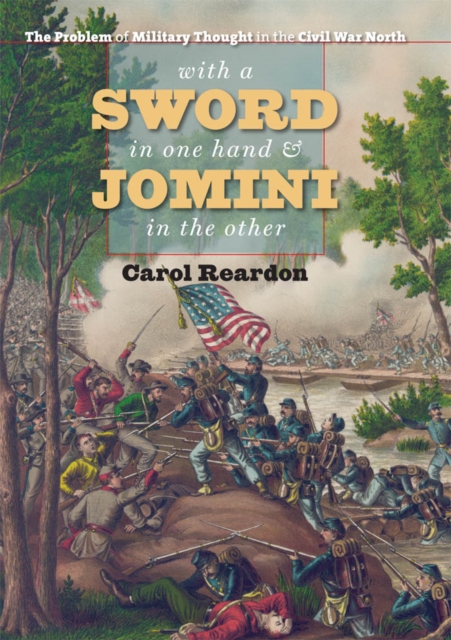
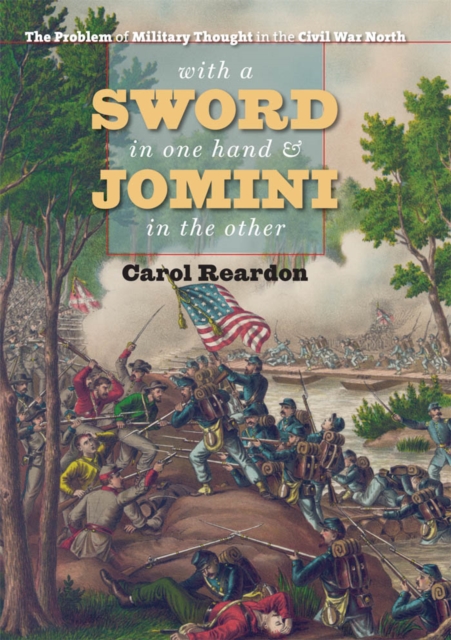
The American Civil War was the first military conflict in history to be fought with railroads moving troops and the telegraph connecting civilian leadership to commanders in the field.
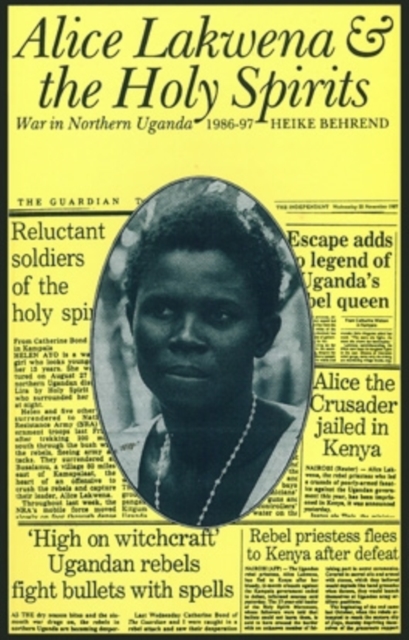
In August 1986, Alice Auma, a young Acholi woman in northern Uganda, proclaiming herself under the orders of a Christian spirit named Lakwena, raised an army called the "e;Holy Spirit Mobile Forces.
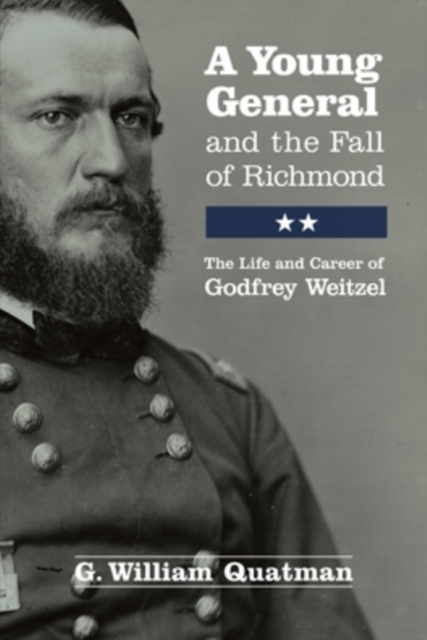
Despite his military achievements and his association with many of the great names of American history, Godfrey Weitzel (1835-1884) is perhaps the least known of all the Union generals.
Protecting the Empire's Frontier tells stories of the roughly eighty officers who served in the 18th (Royal Irish) Regiment of Foot, which served British interests in America during the crucial period from 1767 through 1776.
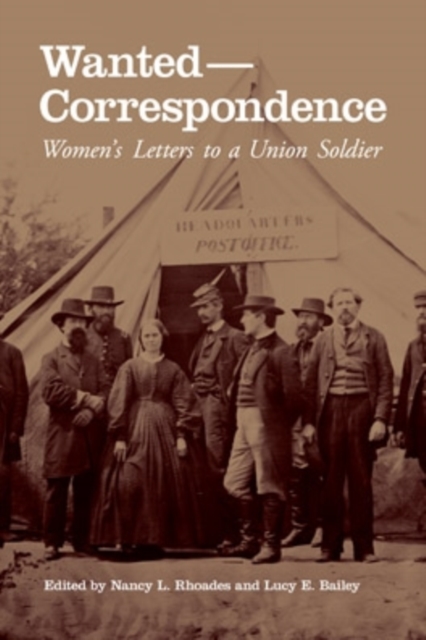
A unique collection of more than 150 letters written to an Ohio serviceman during the American Civil War that offers glimpses of women's lives as they waited, worked, and wrote from the Ohio home front.
New oral histories from Black Namibian and Angolan troops who fought in apartheid South Africa's security forces reveal their involvement, and its impact on their lives, to be far more complicated than most historical scholarship has acknowledged.
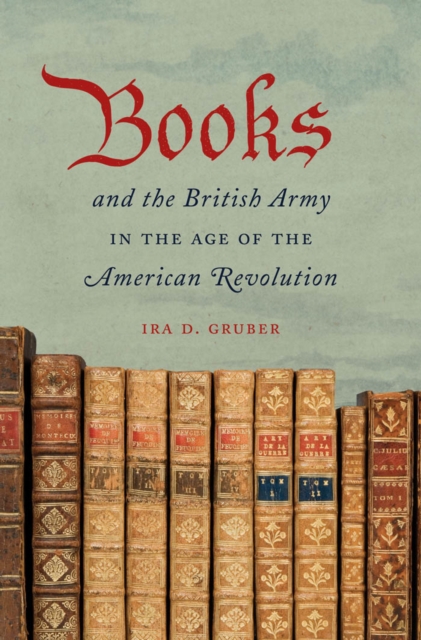
Historians have long understood that books were important to the British army in defining the duties of its officers, regulating tactics, developing the art of war, and recording the history of campaigns and commanders.
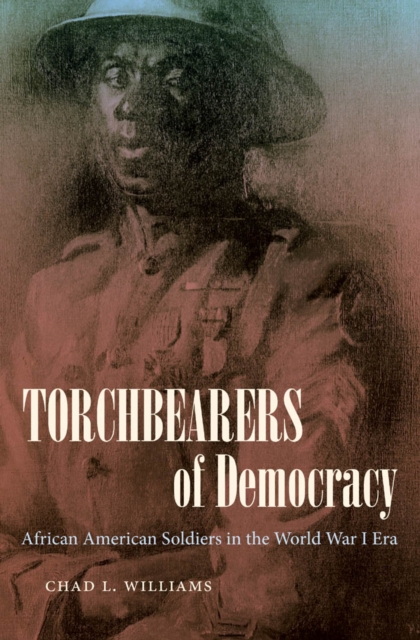
For the 380,000 African American soldiers who fought in World War I, Woodrow Wilsons charge to make the world safe for democracy carried life-or-death meaning.
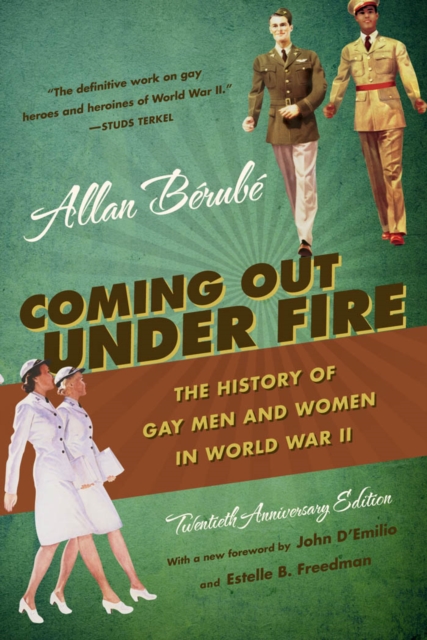
During World War II, as the United States called on its citizens to serve in unprecedented numbers, the presence of gay Americans in the armed forces increasingly conflicted with the expanding antihomosexual policies and procedures of the military.
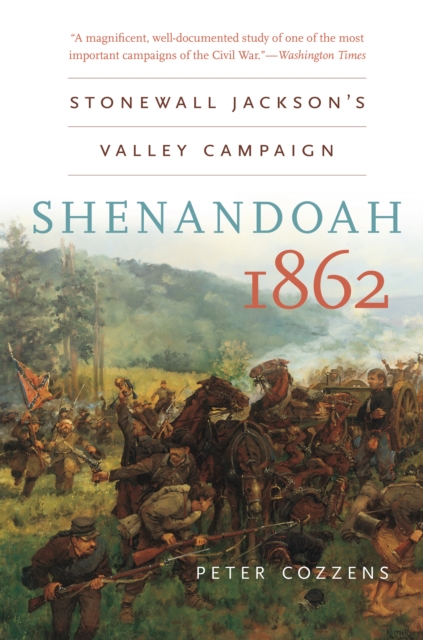
One of the most intriguing and storied episodes of the Civil War, the 1862 Shenandoah Valley Campaign has heretofore been related only from the Confederate point of view.
While women are officially barred from combat in the American armed services, in the current war, where there are no front lines, the ban on combat is virtually meaningless.
Sweeping away many of the myths that have long surrounded Picketts Charge, Earl Hess offers the definitive history of the most famous military action of the Civil War.
The battle of Cowpens was a crucial turning point in the Revolutionary War in the South and stands as perhaps the finest American tactical demonstration of the entire war.
On March 15, 1781, the armies of Nathanael Greene and Lord Charles Cornwallis fought one of the bloodiest and most intense engagements of the American Revolution at Guilford Courthouse in piedmont North Carolina.
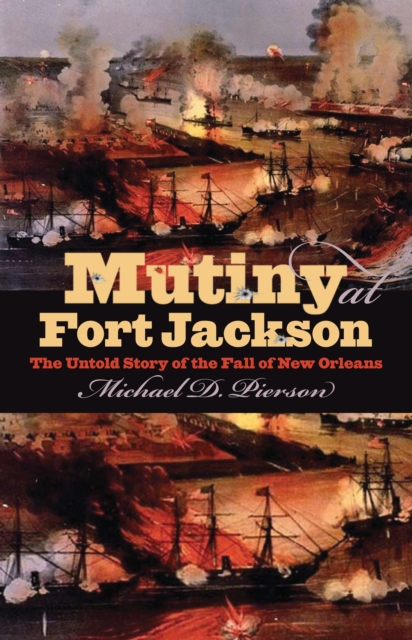
New Orleans was the largest city and one of the richest in the Confederacy, protected in part by Fort Jackson, which was just sixty-five miles down the Mississippi River.
The American Civil War was the first military conflict in history to be fought with railroads moving troops and the telegraph connecting civilian leadership to commanders in the field.