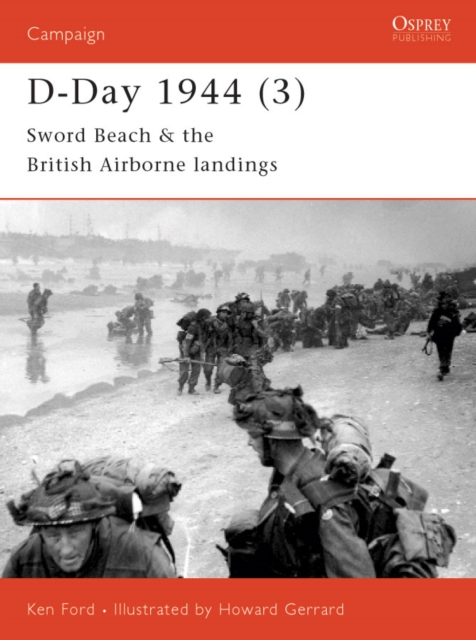
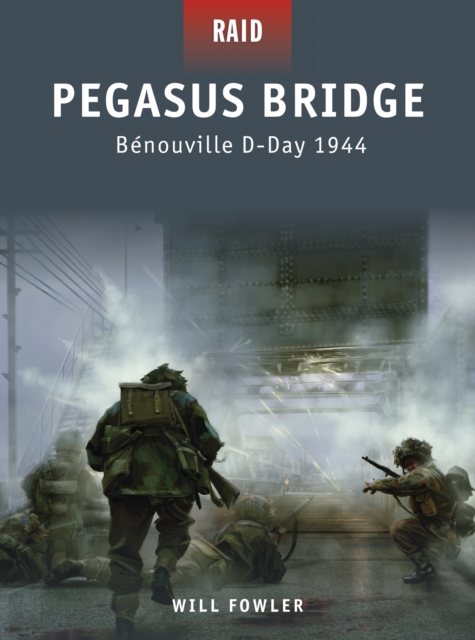
A highly illustrated and detailed study of the Gold and Juno Beaches Landings Operation Overlord, the Allied invasion of Normandy, was the greatest sea-borne military operation in history.
During the Napoleonic Wars the supreme battlefield shock weapon was the heavy cavalry the French cuirassiers, and their British, Austrian, Prussian and Russian counterparts.
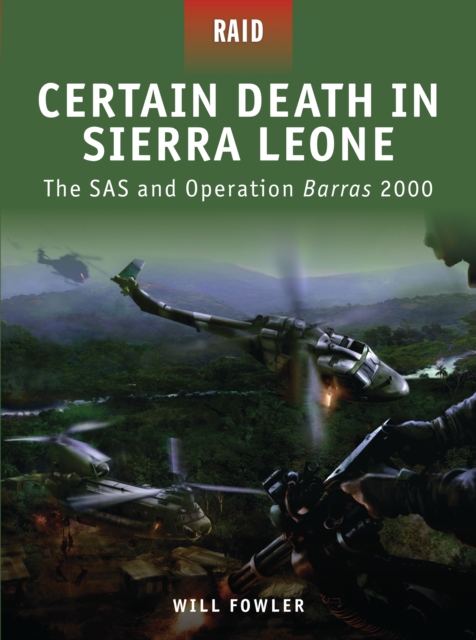
Filled with recently declassified material, first hand accounts, and unique photographs, this book offers a rare look at the largest mobilisation of Special Forces in recent history.
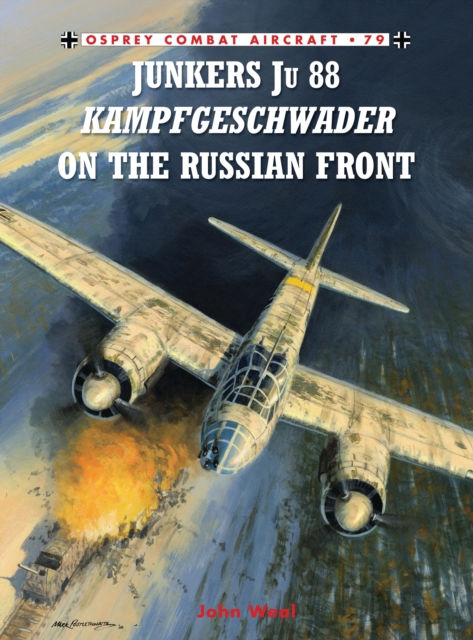
Written and illustrated by Luftwaffe expert John Weal, this book completes Osprey's trilogy on one of the most important German aircraft of World War II.
In September 2000 the notorious militia gang, 'West Side Boys' kidnapped eleven British soldiers in Sierra Leone and Operation Barras was launched as the rescue operation.
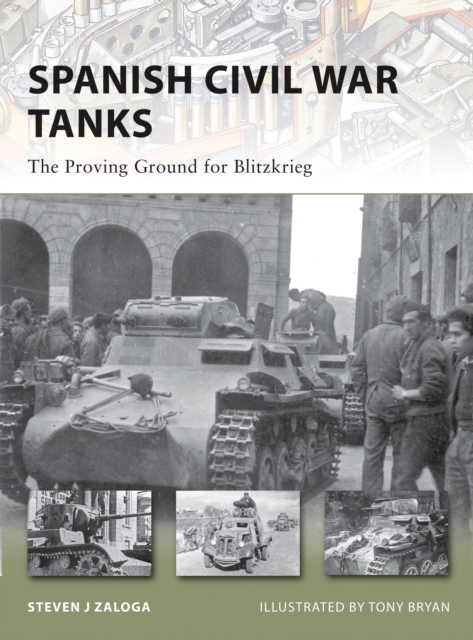
The tanks used during the Spanish Civil War are not often examined in any great detail, and are often labeled as little more than test vehicles in a convenient proving ground before World War II.
In 1945, with her fleet destroyed and her armies beaten, the only thing that stood between Japan and an Allied invasion was the numerous coastal defence positions that surrounded the islands.
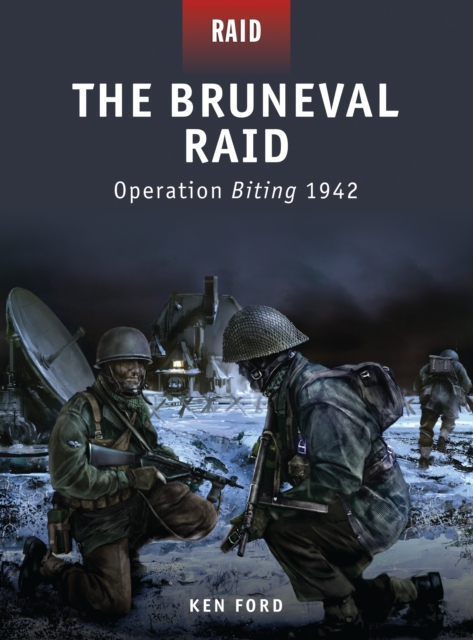
On the night of December 7, 1942, five canoes were launched off the mouth of the Gironde river, each containing a pair of British commandoes tasked with slipping into the port of Bordeaux and destroying as many of the merchant ships as possible.
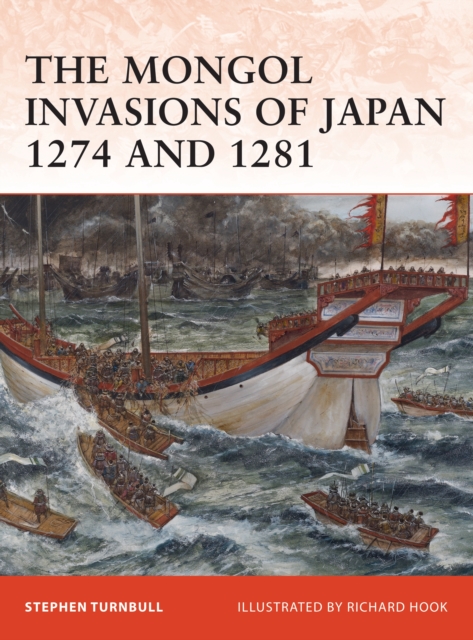
An illustrated account of one of the most important campaigns in the history of Japan and the origin of the kami kaze - a key part of Japanese national identity.
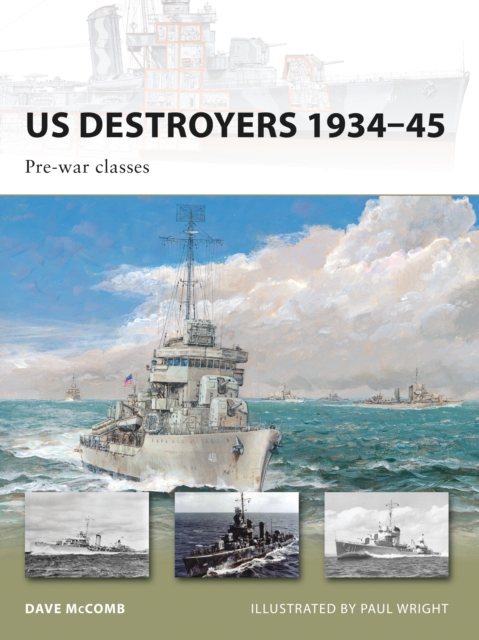
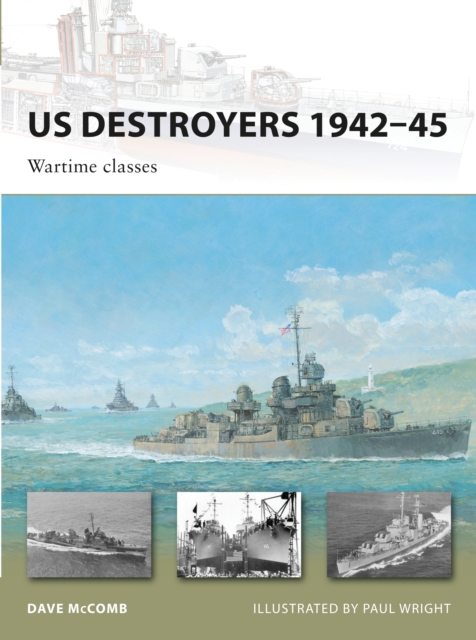
Since the beginning of the 20th century, destroyers have been all-purpose ships, indispensable from delivering the mail at sea to screening other vessels and, where larger ships were not present, forming the front line in battle.
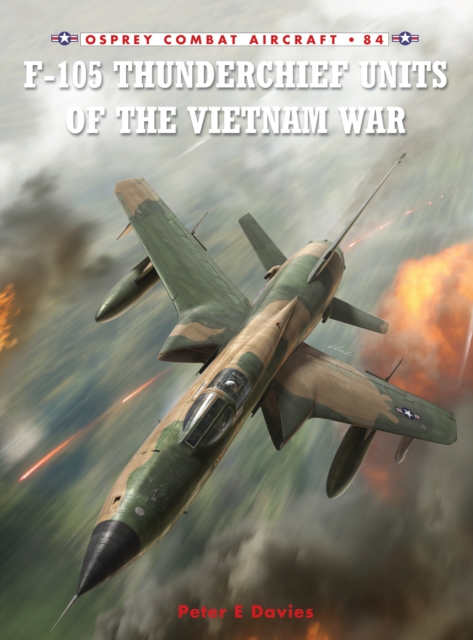
The combat history of the F-105 Thunderchief units during the Vietnam War, detailing the strengths and weaknesses of the aircraft, and the difficulties it faced during many months of dangerous combat.
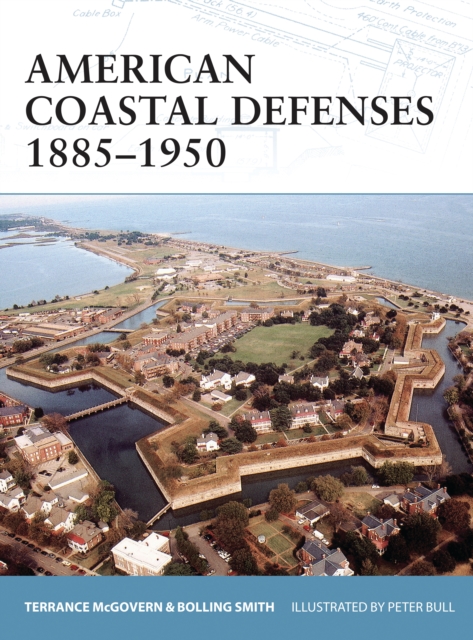
In the late-19th century, with the advances in technology and the increase in America's economic stature, a new round of fortification building began in the United States and its overseas territories.
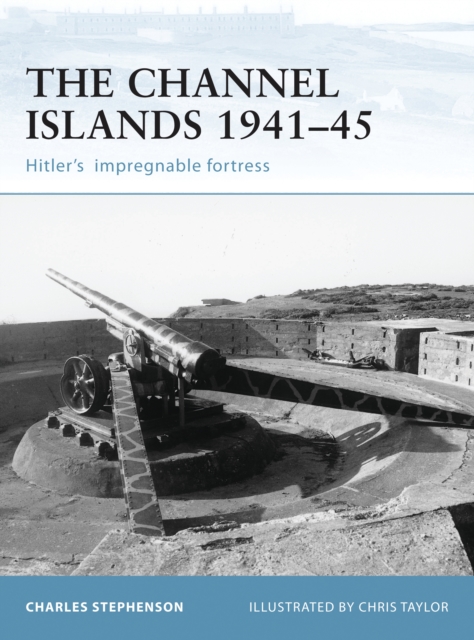
Following the fall of France and the surrender of Paris on 14 June 1940, the British Government announced that the Channel Islands had no strategic importance and would not be defended.
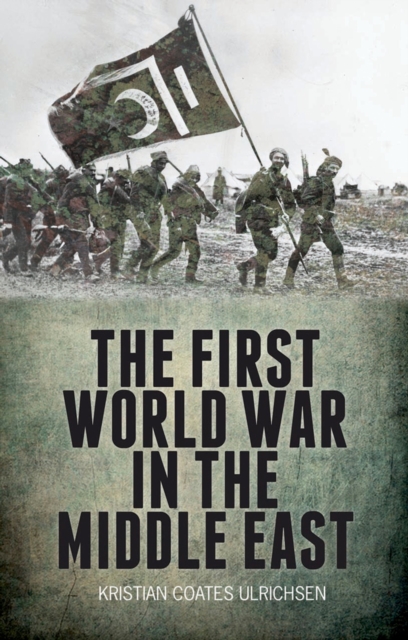
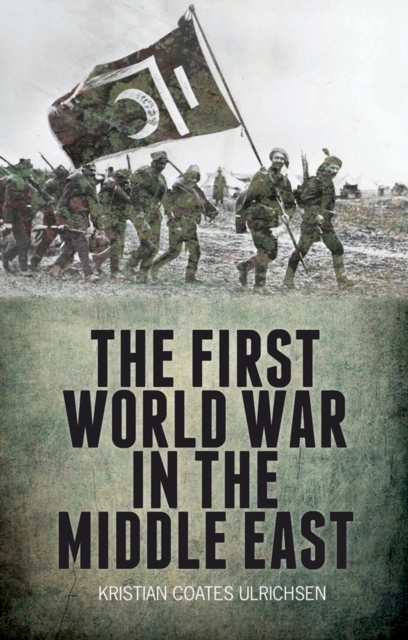
The First World War in the Middle East is an accessibly written military and social history of the clash of world empires in the Dardanelles, Egypt and Palestine, Mesopotamia, Persia and the Caucasus.
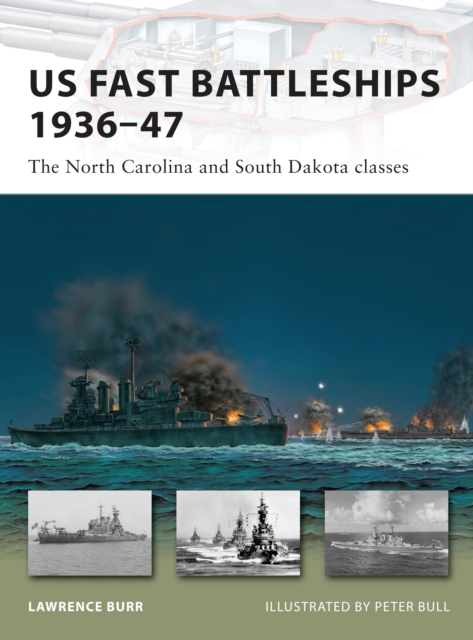
This compact, illustrated guide examines the design, construction, and operation of the first six of the ten US fast battleships, two of the North Carolina class and four of the South Dakota class.
The First World War in the Middle East is an accessibly written military and social history of the clash of world empires in the Dardanelles, Egypt and Palestine, Mesopotamia, Persia and the Caucasus.
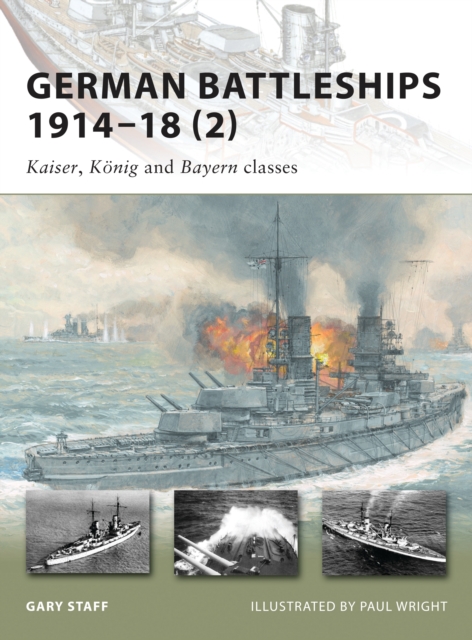
The design and development of the key dreadnought classes for the German Imperial Navy and their deployment in World War I, including the great clash of dreadnoughts at the Battle of Jutland and operations in the Baltic.
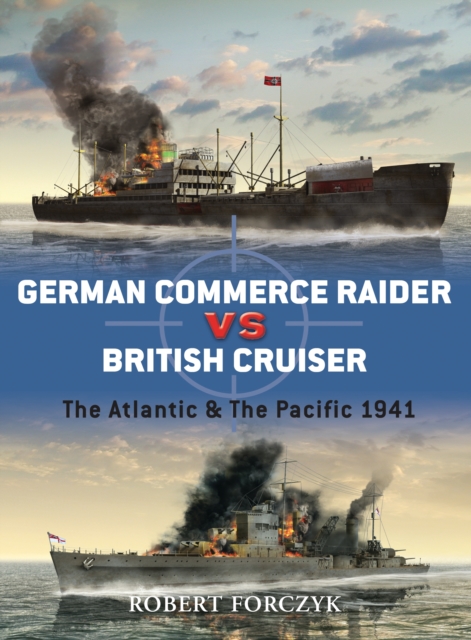
The history of one of the greatest acts of deception as Kriegsmarine raiders disguised as merchant ships wrecked havoc on Allied shipping and the Allied cruisers who finally destroyed them.
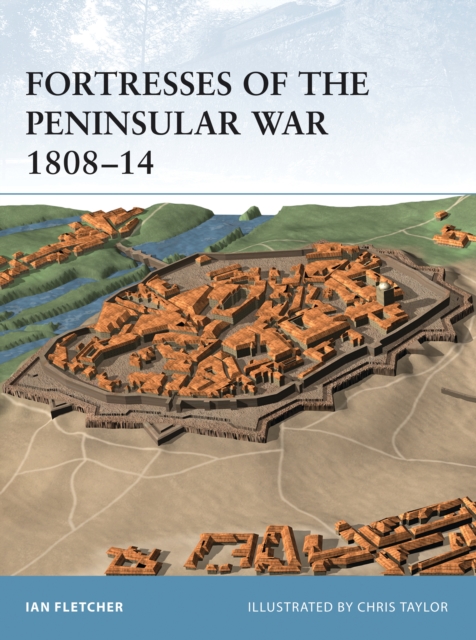
In the course of the Peninsular War, Wellington's army fought several hard battles and smaller actions, but it was the bloody sieges that troubled him more than anything else.
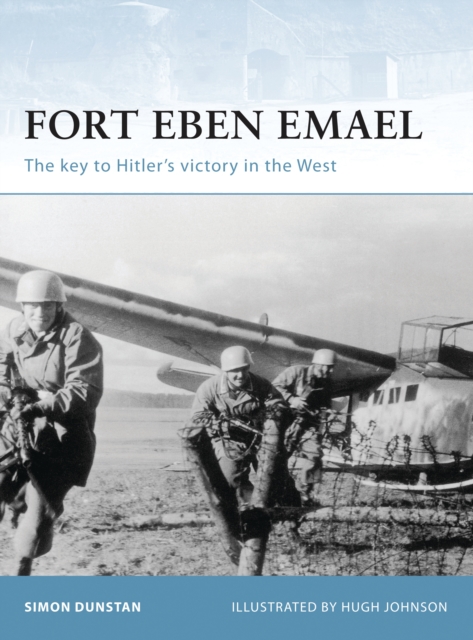
At the outbreak of World War II, Fort Eben Emael in Belgium was the strongest fortress in the world, and it lay exactly across the German invasion route of Belgium and France.
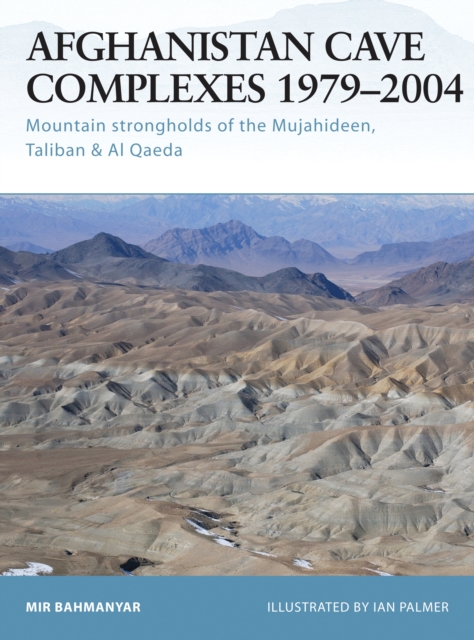
Following the Soviet invasion in 1979, the Mujahideen defenders of Afghanistan developed and reinforced many natural cave systems to use as supply bases and defensive positions.