Gordon L Rottman explores the design development and combat history of the US Army's field fortifications during these two major wars, alongside illustrations and diagrams throughout.
The original forced conversion of pagan Livonia, what is now the Baltic states of Latvia and Estonia, was carried out by a military order known as the Brethren of the Sword.
An illustrated history of the defences of this pivotal position in the Mediterranean, an outpost between North Africa and the soft underbelly of Europe, and one of the most fortified places in the world.
The Japanese invasion and occupation of Korea, which lasted from 1592 to 1598, was the only occasion in Japanese history when samurai aggression was turned against a foreign country.
The techniques of European warfare were transformed during the 15th and 16th centuries by the use of gunpowder and by substantial progress in the effectiveness and destructive power of artillery.
The Maginot Line, the massive series of fortifications built by France in the 1930s to defend its borders with Germany and Italy, is perhaps the most maligned collection of fortifications ever built.
Throughout their stormy history the Teutonic Knights of Germany have always been the most controversial brotherhood ever to call themselves 'Knights of Christ'.
During the Vietnam War, the Viet Cong (VC) main forces and North Vietnamese Army (NVA) were forced to hide weapons and supplies underground and to dig protective shelters to counter massive US firepower.
A brilliant but little-known operation, the Shimazu clan raid on the independent kingdom of Ryukyu (modern Okinawa) in 1609 is one of the most extraordinary episodes in samurai history - the culmination of centuries of rivalry between the two powers.
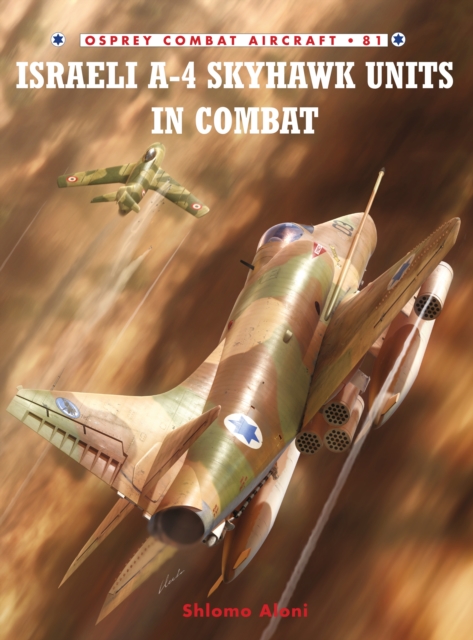
An illustrated combat history of the A-4 Skyhawk, which flew numerous attack missions in Israeli service and initiated the Israeli Air Force's transition from French to US aircraft.
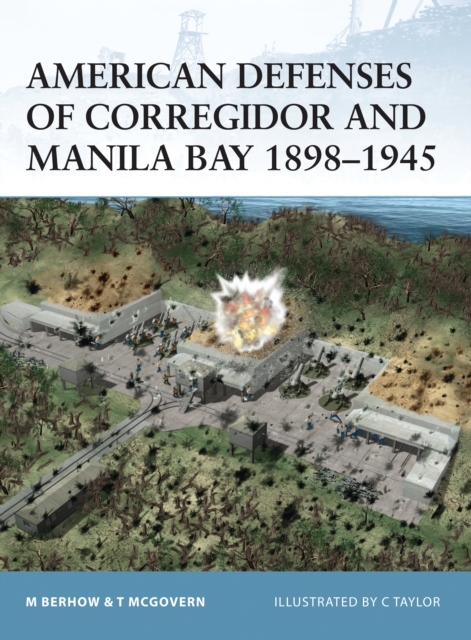
The Philippines were declared an American Territory on January 4, 1899, and fortification construction soon began on the islands in the mouth of Manila Bay.
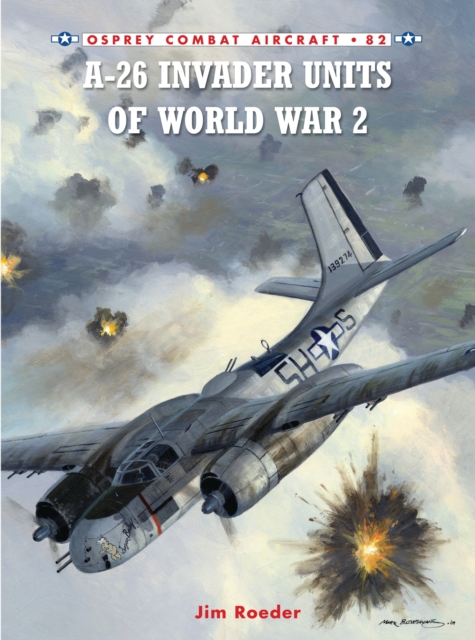
Designed to combine the bombing capability of the B-26 Marauder with the versatility of the ground-attack A-20 Havoc, the A-26 Invader would become the USAAF's attack bomber par excellence.
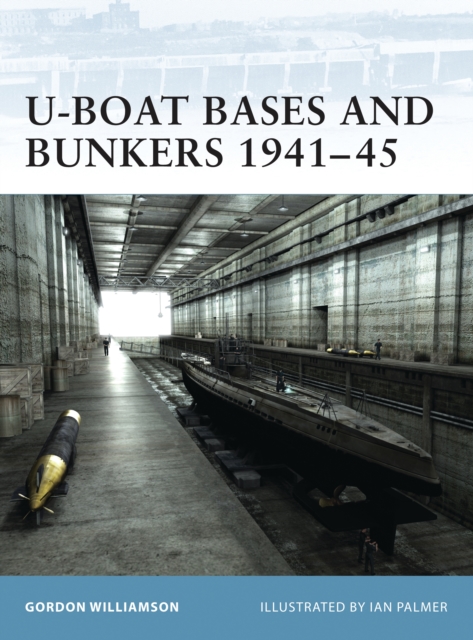
Few of the massive military structures built by Germany during World War II are as impressive as the U-Boat bases and bunkers in Germany, Norway and France.
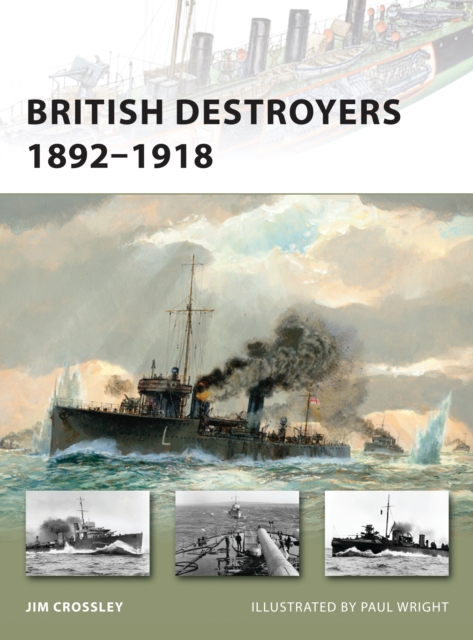
A history of the first destroyers of the Royal Navy, which revolutionized the way war was fought at sea with new armaments and a great improvement on earlier designs.
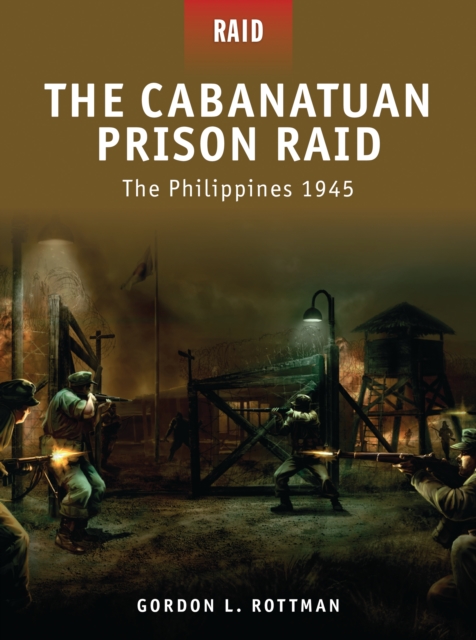
On 27 January 1945 the 6th Ranger Battalion and the 6th Army Special Reconnaissance Unit (the Alamo Scouts) began the most dangerous and important mission of their careers: to rescue 500 American, British and Dutch prisoners-of-war held at a camp near Cabanatuan.
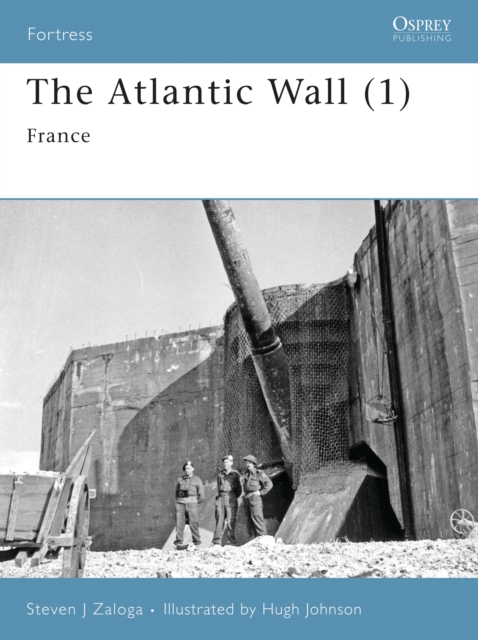
A fascinating study of some of the most famous fortifications of the 20th century and of how their military and political implications shaped the face of northern Europe.
The Office of Strategic Services, the forerunner of the CIA, was founded in 1942 by William 'Wild Bill' Donovan under the direction of President Roosevelt.
From June 1941, the Soviets were forced to undertake large-scale defensive operations in the face of the overwhelming German blitzkrieg assault, operations which ran counter to their preference for highly mobile, offensive warfare.
The castles built by the Crusaders, Hospitallers, Venetians and Genoese in Cyprus, Greece, the Aegean, and on the Black Sea served to defend against a complex array of constantly changing threats.
A history of the key fortresses that dominated the landscape of medieval Russia from its legendary foundations in the 9th century to its conquest by the Mongols and the eventual rise to power of the principality of Muscovy.
With the exception of the key royal sites, such as Stirling and Edinburgh, few Scottish castles were located at strategic points, or were intended to house garrisons required to defend or subjugate towns.
During the early 13th century the north of what is now France went to war with the south in a bloody crusade aimed at destroying the heretical sect known as the Cathars.
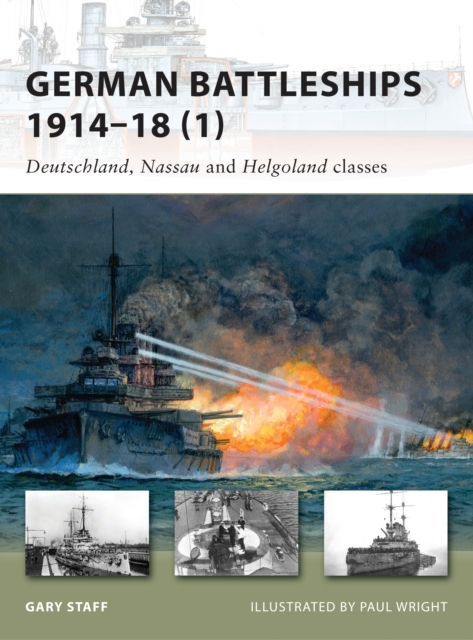
A focused look at the first dreadnought classes for the German Imperial Navy and their deployment in World War I, including the great clash of dreadnoughts at the Battle of Jutland.
Uncover the Veil of Secrecy: The Origins of Covert Research ProgramsDelve into the hidden world of military and scientific secrecy in the early 20th century with this captivating nonfiction eBook.
In America's collective unconscious, the Haudenosaunee, known to many as the Iroquois, are viewed as an indelible part of New York's modern and democratic culture.
Titel: Die Schlacht um VicksburgAutor: Ralf von StettenVicksburg 1863: Gelegen auf uneinnehmbaren Klippen über einer tückischen Haarnadelkurve des Mississippi, gilt die Stadt zu Recht als das unbezwingbare "Gibraltar des Westens".
In America's collective unconscious, the Haudenosaunee, known to many as the Iroquois, are viewed as an indelible part of New York's modern and democratic culture.
An expertly written, illustrated new analysis of the Desert Storm air campaign fought against Saddam Hussein's Iraq, which shattered the world's fourth-largest army and sixth-largest air force in just 39 days, and revolutionized the world's ideas about modern air power.