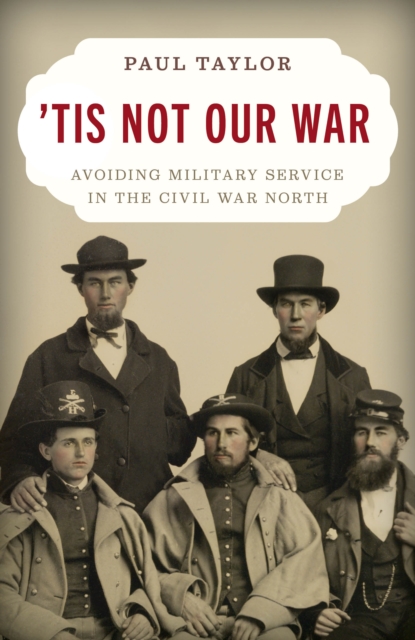
James McPhersons classic book For Cause & Comrades explained “why men fought in the Civil War”—and spurred countless other historians to ask and attempt to answer the same question.
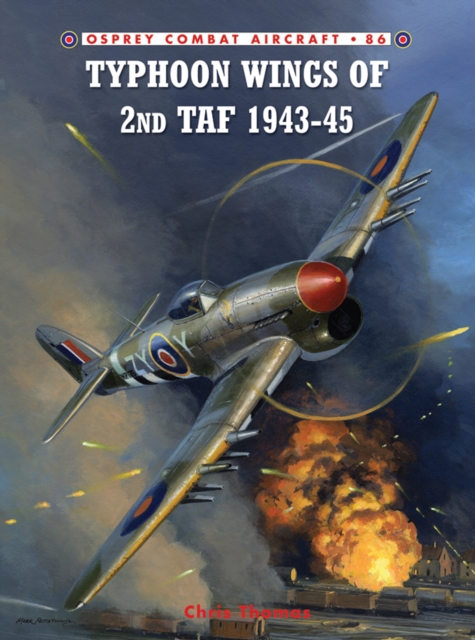
In this book, aviation expert Chris Thomas - inspired to research Typhoons by his own father, who flew numerous raids in a Typhoon during World War 2 - extols the great importance of the Typhoon wings in the ultimate Allied victory in Europe.
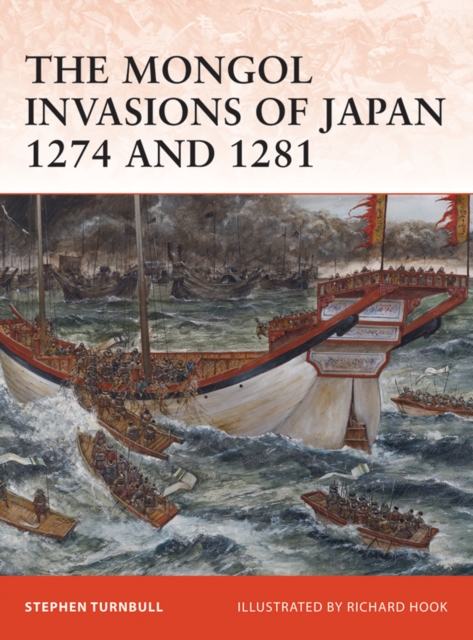
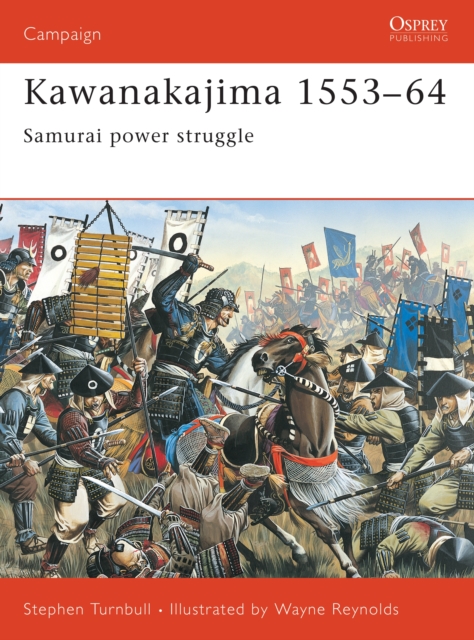
An illustrated account of one of the most important campaigns in the history of Japan and the origin of the kami kaze - a key part of Japanese national identity.
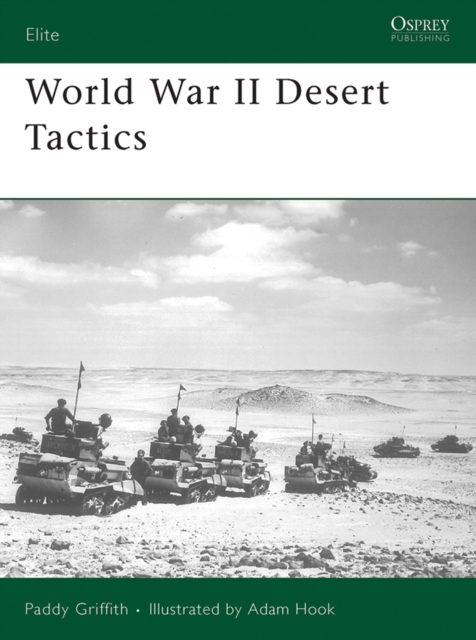
A fascinating insight into the dangers and difficulties of operating within the desert terrain From 1940 to 1943 North Africa saw the first major desert campaign by modern mechanised armies.
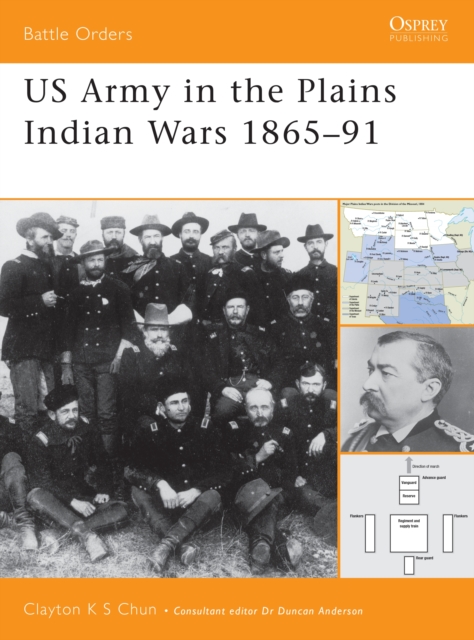
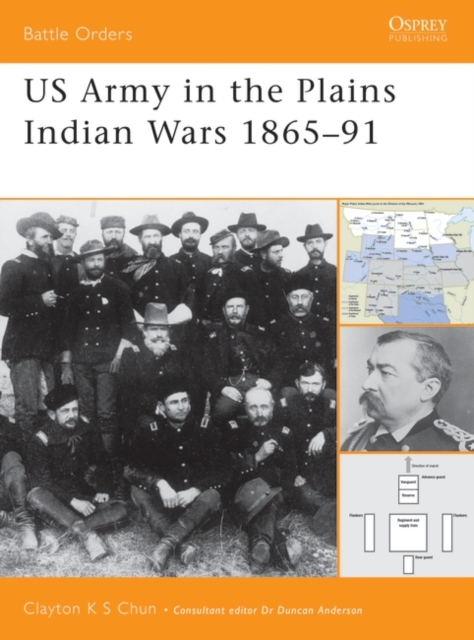
The Plains Indian War was one of the most controversial conflicts in American military history, as the US Army faced a tough opponent that challenged it for decades following the end of the Civil War.
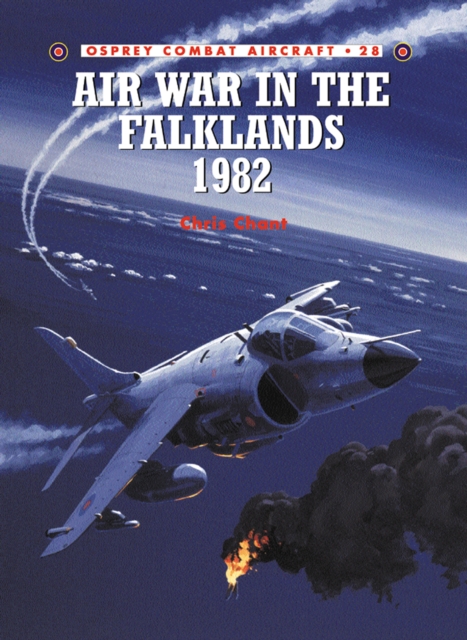
The war fought between the United Kingdom and Argentina in 1982, for the possession of the Falkland Islands, was probably the last 'colonial' war that will ever be undertaken by the British.
A fascinating and action-packed look at the highest scoring unit within the CBI theatre telling the story of the colourful characters who fought a difficult guerrilla war against the Japanese.
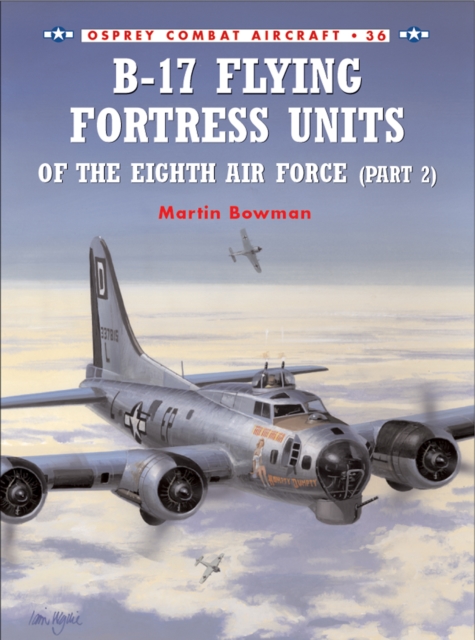
The Boeing B-17, which has come to epitomise the American war effort in Europe, took the fight to Germans from the late summer of 1942 through to VE-Day.
The Plains Indian War was one of the most controversial conflicts in American military history, as the US Army faced a tough opponent that challenged it for decades following the end of the Civil War.
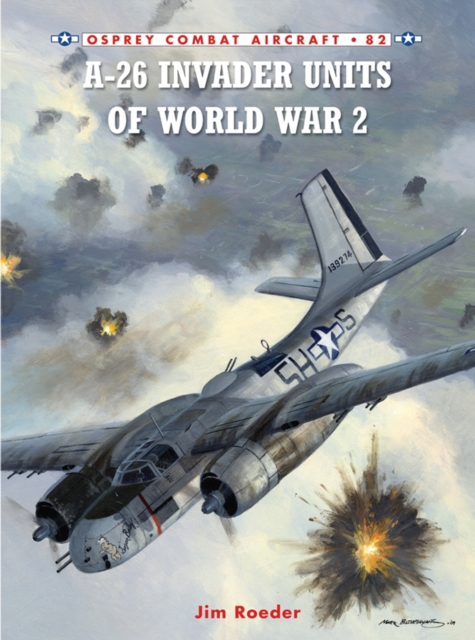
Designed to combine the bombing capability of the B-26 Marauder with the versatility of the ground-attack A-20 Havoc, the A-26 Invader would become the USAAF's attack bomber par excellence.
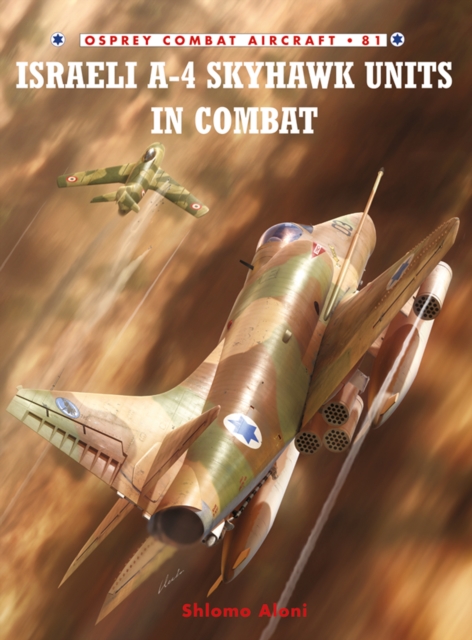
An illustrated combat history of the A-4 Skyhawk, which flew numerous attack missions in Israeli service and initiated the Israeli Air Force's transition from French to US aircraft.
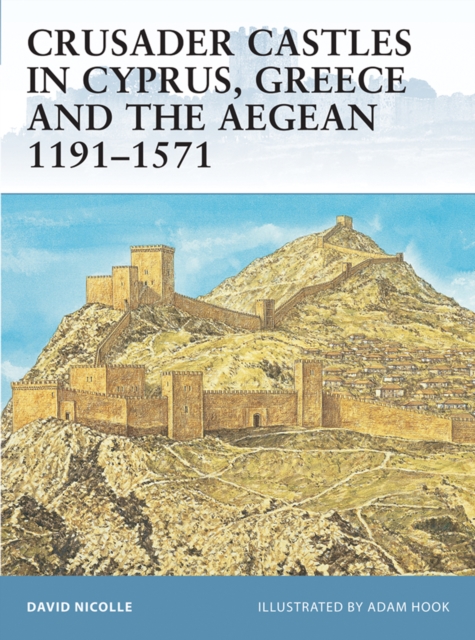
The castles built by the Crusaders, Hospitallers, Venetians and Genoese in Cyprus, Greece, the Aegean, and on the Black Sea served to defend against a complex array of constantly changing threats.
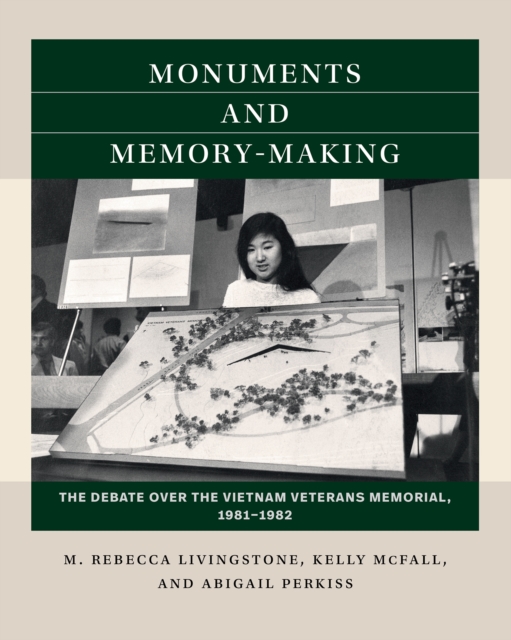
Monuments and Memory-Making immerses students in the conversations and controversies that emerged as the nation grappled with how best to memorialize what was at the time the longest military conflict in US history.
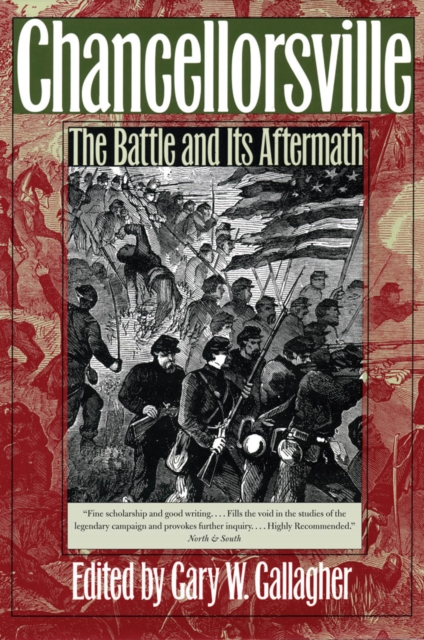
A variety of important but lesser-known dimensions of the Chancellorsville campaign of spring 1863 are explored in this collection of eight original essays.
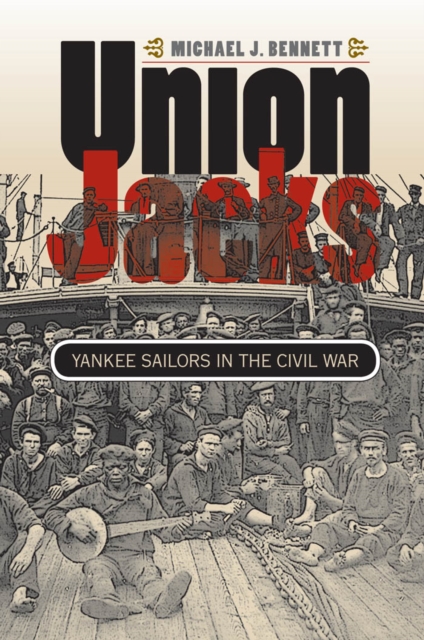
Historians have given a great deal of attention to the lives and experiences of Civil War soldiers, but surprisingly little is known about navy sailors who participated in the conflict.
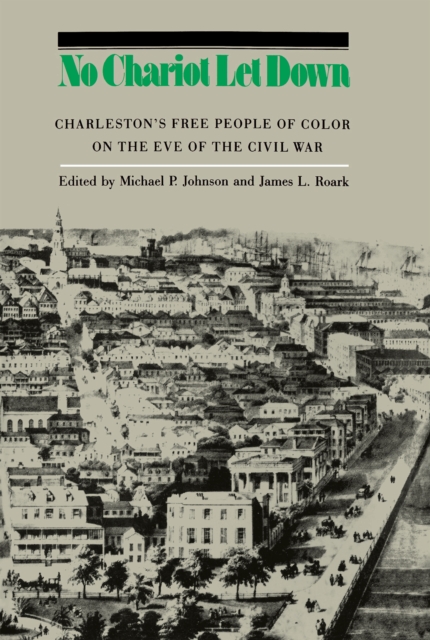
These thirty-four letters, written by members of the William Ellison family, comprise the only sustained correspondence by a free Afro-American family in the late antebellum South.
In this revised version of a ground-breaking global history of women and the First World War, Susan Grayzel shows the multiple ways in which women faced the enormous challenges the war presented, both the losses as well as the opportunities that the war provided.
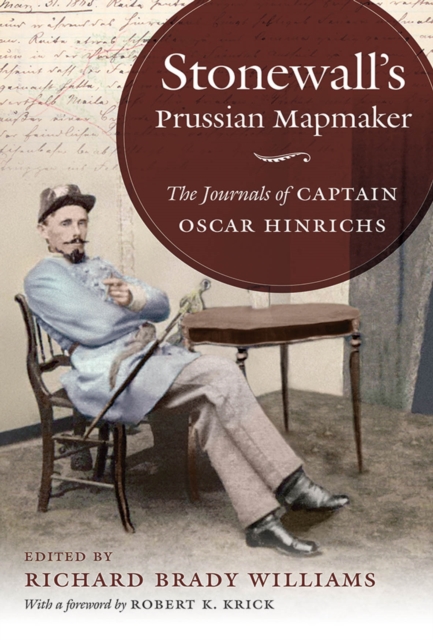
Prussian-born cartographer Oscar Hinrichs was a key member of Stonewall Jacksons staff, collaborated on maps with Jedediah Hotchkiss, and worked alongside such prominent Confederate leaders as Joe Johnston, Richard H.
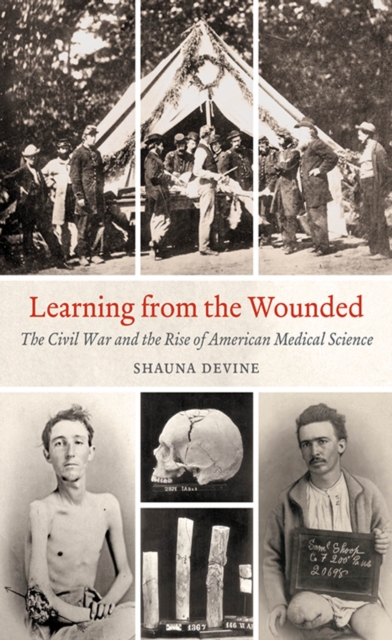
Nearly two-thirds of the Civil Wars approximately 750,000 fatalities were caused by disease a staggering fact for which the American medical profession was profoundly unprepared.
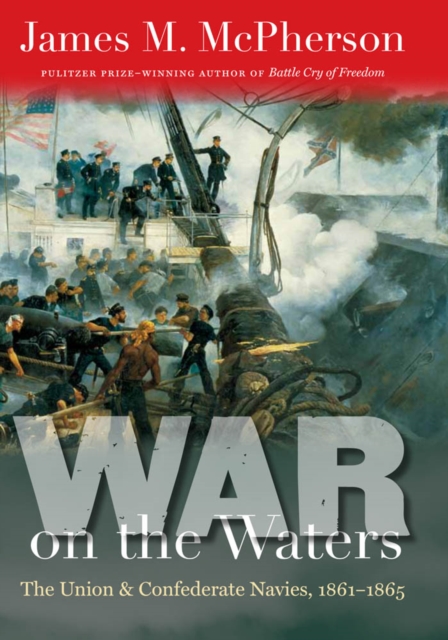
Although previously undervalued for their strategic impact because they represented only a small percentage of total forces, the Union and Confederate navies were crucial to the outcome of the Civil War.