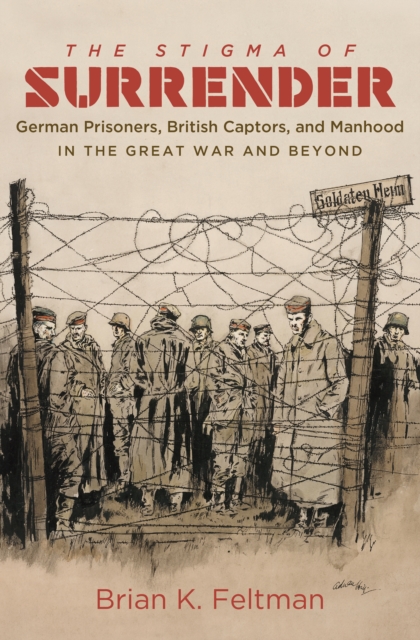
Approximately 9 million soldiers fell into enemy hands from 1914 to 1918, but historians have only recently begun to recognize the prisoner of wars significance to the history of the Great War.
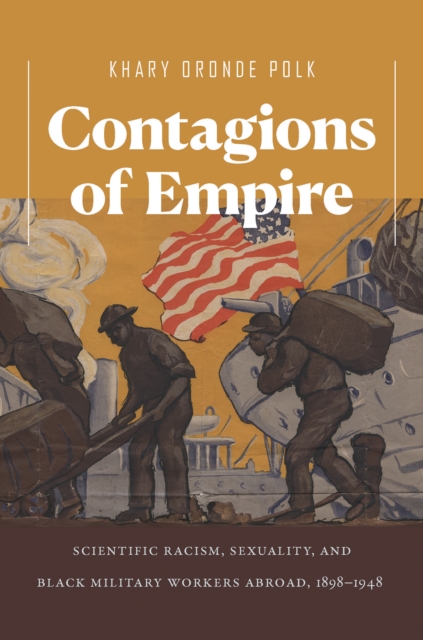
From 1898 onward, the expansion of American militarism and empire abroad increasingly relied on black labor, even as policy remained inflected both by scientific racism and by fears of contagion.
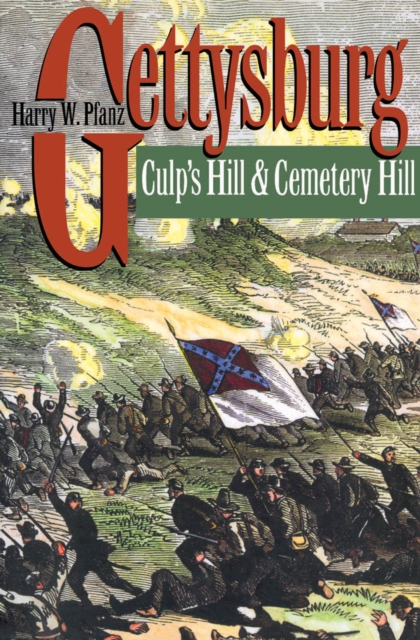
In this companion to his celebrated earlier book, Gettysburg The Second Day, Harry Pfanz provides the first definitive account of the fighting between the Army of the Potomac and Robert E.
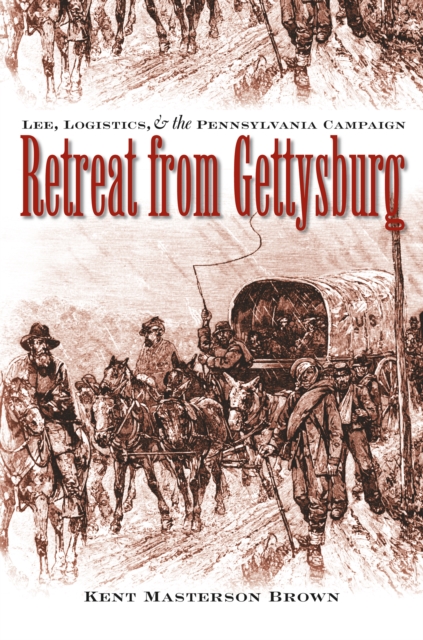
In a groundbreaking, comprehensive history of the Army of Northern Virginia's retreat from Gettysburg in July 1863, Kent Masterson Brown draws on previously untapped sources to chronicle the massive effort of General Robert E.
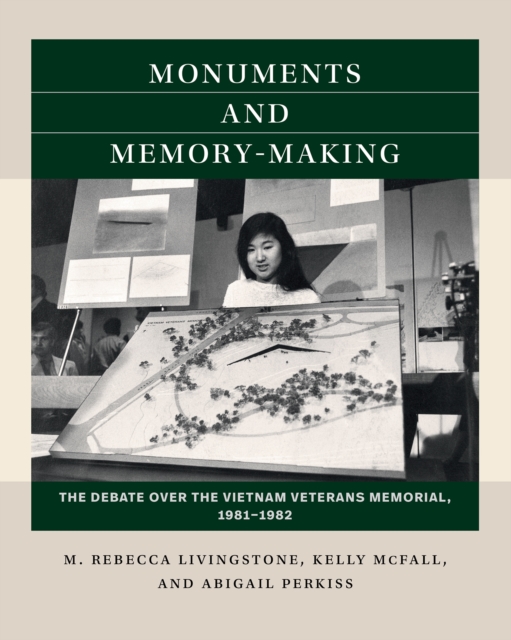
Monuments and Memory-Making immerses students in the conversations and controversies that emerged as the nation grappled with how best to memorialize what was at the time the longest military conflict in US history.
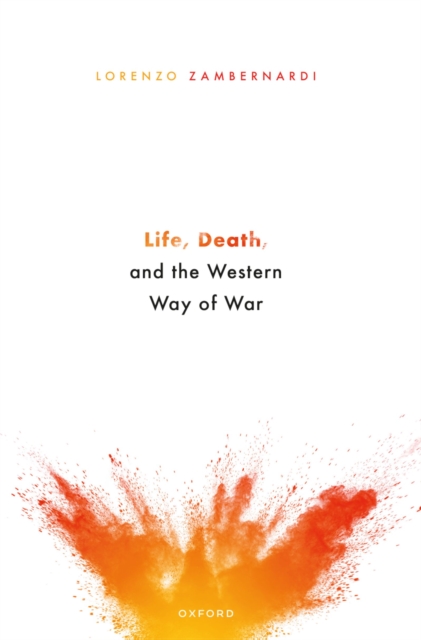
Life, Death, and the Western Way of War traces when and how western soldiers--once regarded as simple fighting tools--became the far less expendable beings that we know today.
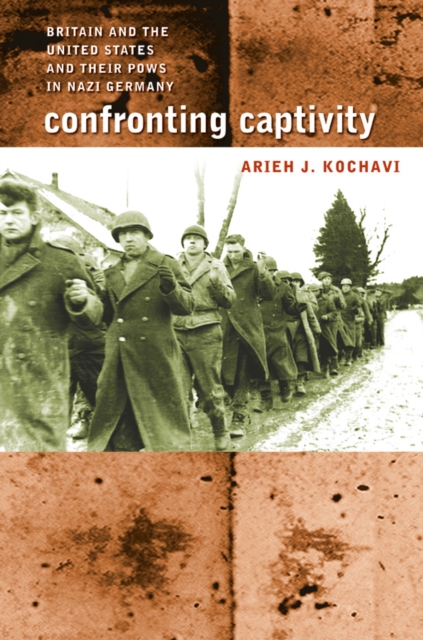
How was it possible that almost all of the nearly 300,000 British and American troops who fell into German hands during World War II survived captivity in German POW camps and returned home almost as soon as the war ended?
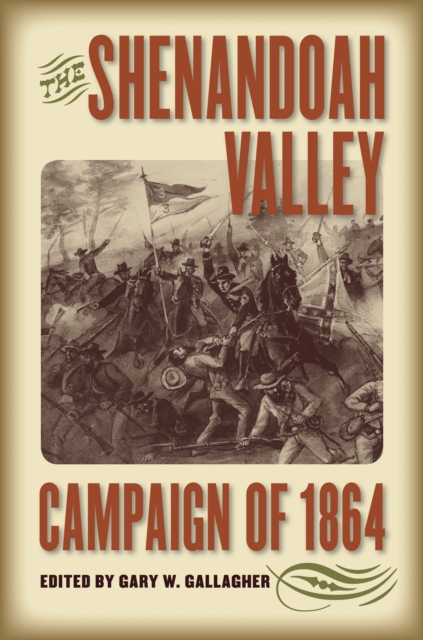
Generally regarded as the most important of the Civil War campaigns conducted in the Shenandoah Valley of Virginia, that of 1864 lasted more than four months and claimed more than 25,000 casualties.
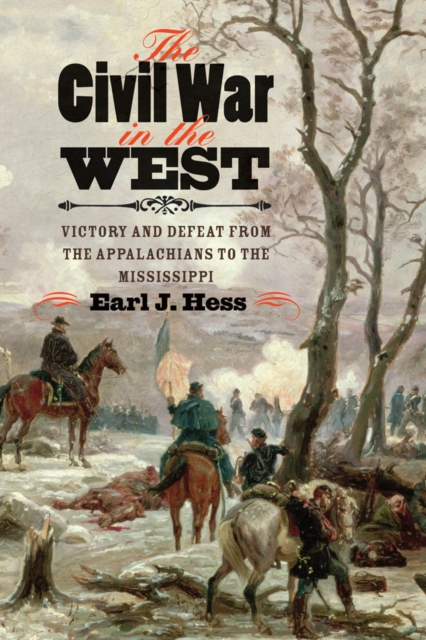
The Western theater of the Civil War, rich in agricultural resources and manpower and home to a large number of slaves, stretched 600 miles north to south and 450 miles east to west from the Appalachians to the Mississippi.
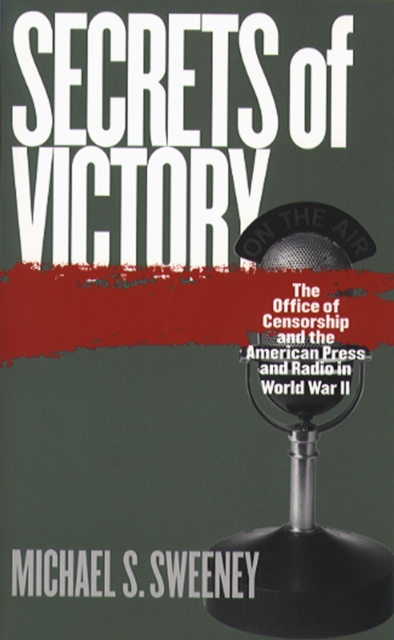
During World War II, the civilian Office of Censorship supervised a huge and surprisingly successful program of news management: the voluntary self-censorship of the American press.
In the summer of 1861, Americans were preoccupied by the question of which states would join the secession movement and which would remain loyal to the Union.
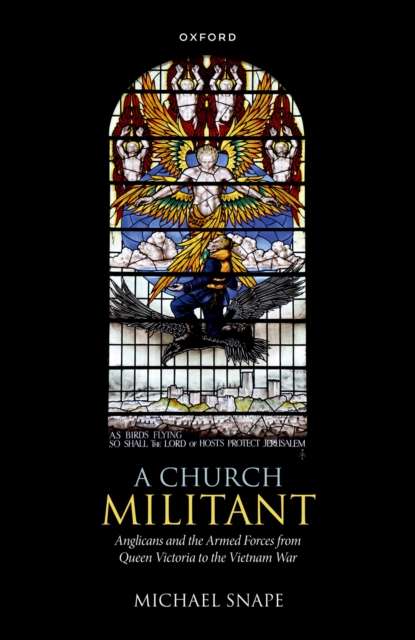
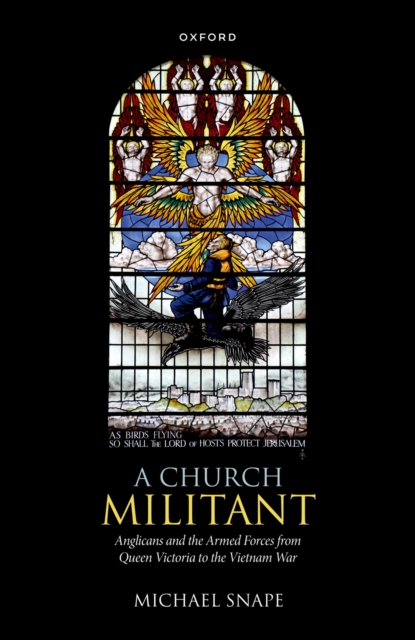
This is a study of the relationship between Anglicans and the armed forces, of the military heritage and history of the Anglican Communion, and the changing nature of this relationship between the mid-Victorian period and the 1970s.
This is a study of the relationship between Anglicans and the armed forces, of the military heritage and history of the Anglican Communion, and the changing nature of this relationship between the mid-Victorian period and the 1970s.
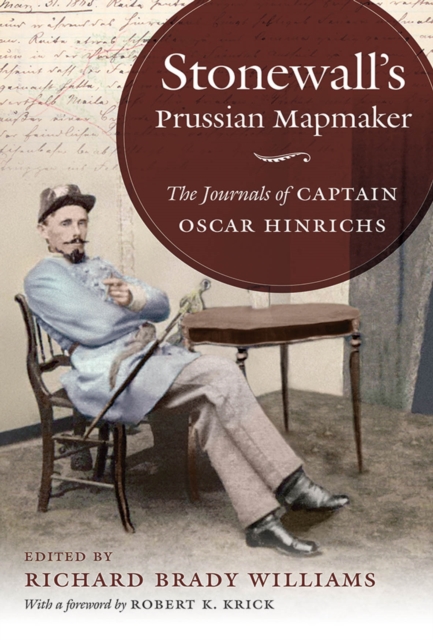
Prussian-born cartographer Oscar Hinrichs was a key member of Stonewall Jacksons staff, collaborated on maps with Jedediah Hotchkiss, and worked alongside such prominent Confederate leaders as Joe Johnston, Richard H.
From 1898 onward, the expansion of American militarism and empire abroad increasingly relied on black labor, even as policy remained inflected both by scientific racism and by fears of contagion.
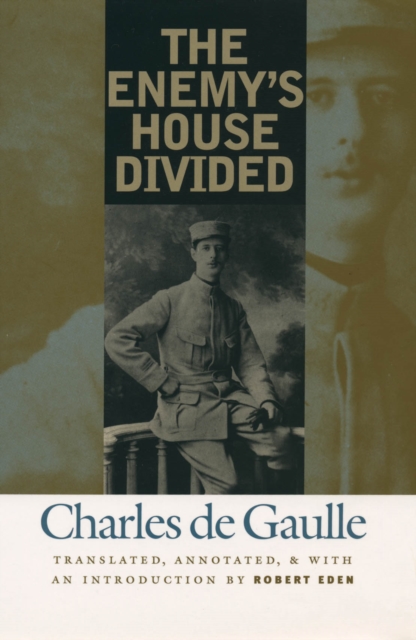
Originally published in 1924 and available here in English for the first time, The Enemys House Divided is Charles de Gaulles analysis of the major errors that led the Germans to disaster in World War I.
Approximately 9 million soldiers fell into enemy hands from 1914 to 1918, but historians have only recently begun to recognize the prisoner of wars significance to the history of the Great War.
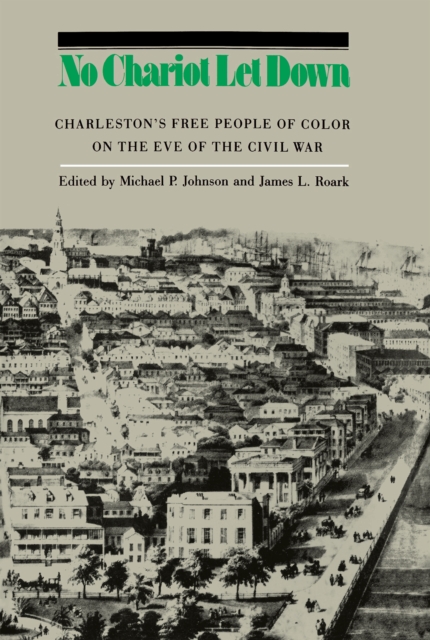
These thirty-four letters, written by members of the William Ellison family, comprise the only sustained correspondence by a free Afro-American family in the late antebellum South.
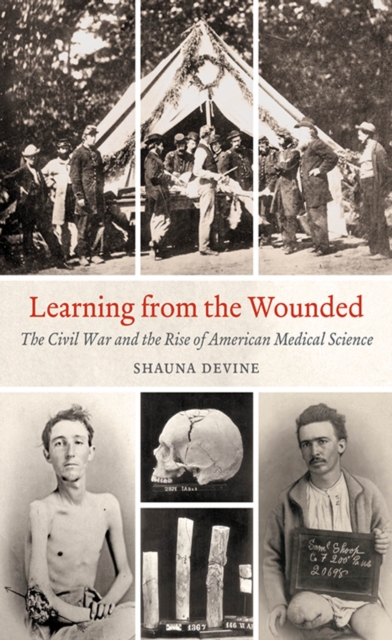
Nearly two-thirds of the Civil Wars approximately 750,000 fatalities were caused by disease a staggering fact for which the American medical profession was profoundly unprepared.
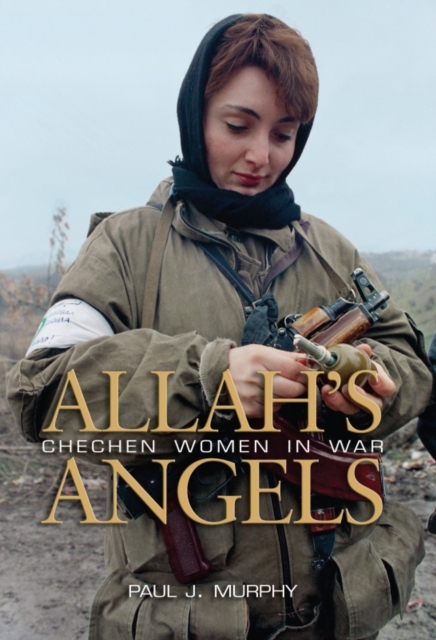
In this comprehensive portrait of the women of Chechnya in modern war, Paul Murphy challenges conventional thinking on why they fight and are willing to kill themselves in the name of Allah.
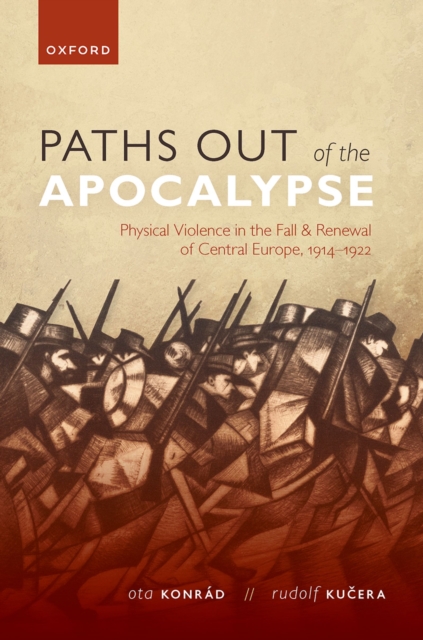
Paths out of the Apocalypse uses violence as a prism through which to investigate the profound social, cultural, and political changes experienced by (post-) Habsburg Central Europe during and immediately after the Great War.
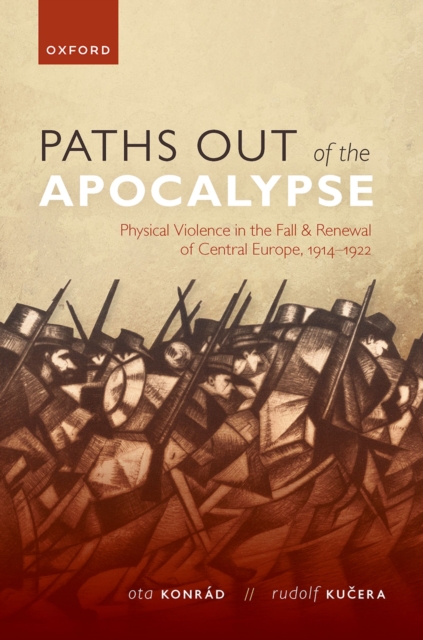
Paths out of the Apocalypse uses violence as a prism through which to investigate the profound social, cultural, and political changes experienced by (post-) Habsburg Central Europe during and immediately after the Great War.
This collection of documents, some half of which are from American sources, traces the relationship between the Royal Navy and the United States Navy, the British Admiralty and the US Department of the Navy and the British and United States governments on naval matters from before America's entry into the Great War in 1917 until the Paris Peace Conference in 1919.