In this revised version of a ground-breaking global history of women and the First World War, Susan Grayzel shows the multiple ways in which women faced the enormous challenges the war presented, both the losses as well as the opportunities that the war provided.
In this comprehensive portrait of the women of Chechnya in modern war, Paul Murphy challenges conventional thinking on why they fight and are willing to kill themselves in the name of Allah.
The Confederate States of America was born in defense of slavery and, after a four-year struggle to become an independent slaveholding republic, died as emancipation dawned.
American Aurora explores the impact of climate change on early modern radical religious groups during the height of the Little Ice Age in the seventeenth century.
The Promise of Welfare in the Postwar British Novel offers a new literary history of the Second World War and its aftermath by focusing on wartime visions of rebuilding Britain.
Throughout World War II, when Saturday nights came around, servicemen and hostesses happily forgot the war for a little while as they danced together in USO clubs, which served as havens of stability in a time of social, moral, and geographic upheaval.
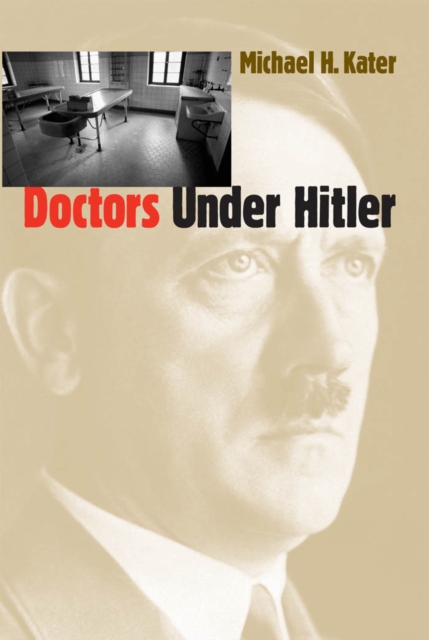
This book tells the bewildering tale of one of the most insidious, yet almost forgotten crimes against humanity planned by the Nazis during the Third Reich.
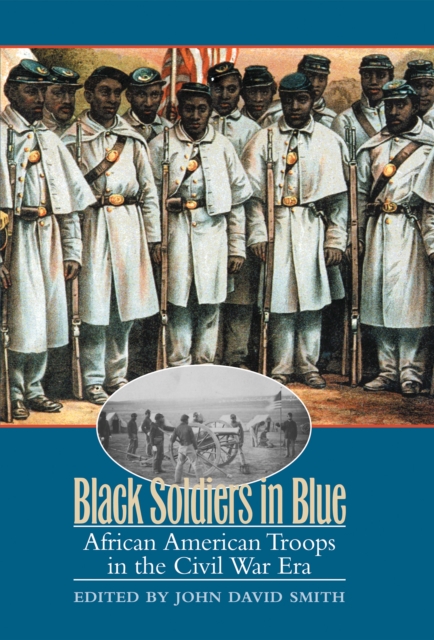
Inspired and informed by the latest research in African American, military, and social history, the fourteen original essays in this book tell the stories of the African American soldiers who fought for the Union cause.
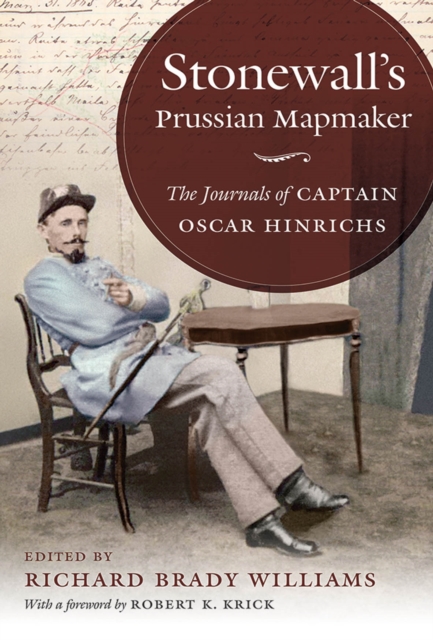
Prussian-born cartographer Oscar Hinrichs was a key member of Stonewall Jacksons staff, collaborated on maps with Jedediah Hotchkiss, and worked alongside such prominent Confederate leaders as Joe Johnston, Richard H.
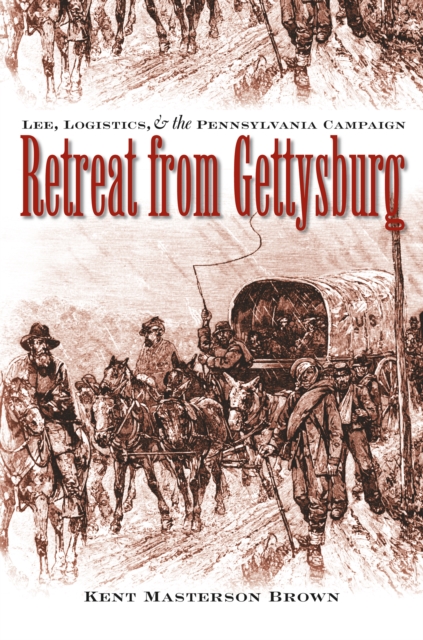
In a groundbreaking, comprehensive history of the Army of Northern Virginia's retreat from Gettysburg in July 1863, Kent Masterson Brown draws on previously untapped sources to chronicle the massive effort of General Robert E.
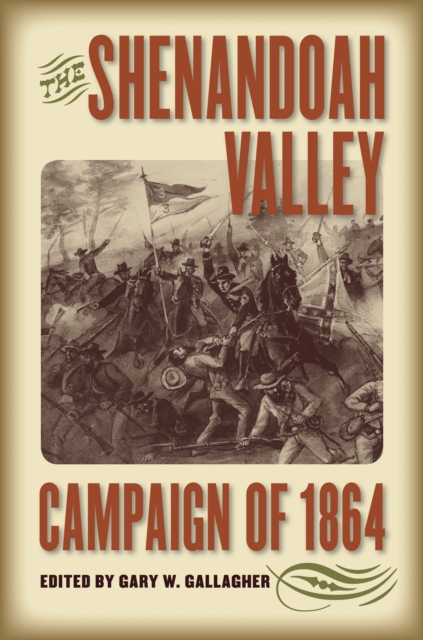
Generally regarded as the most important of the Civil War campaigns conducted in the Shenandoah Valley of Virginia, that of 1864 lasted more than four months and claimed more than 25,000 casualties.
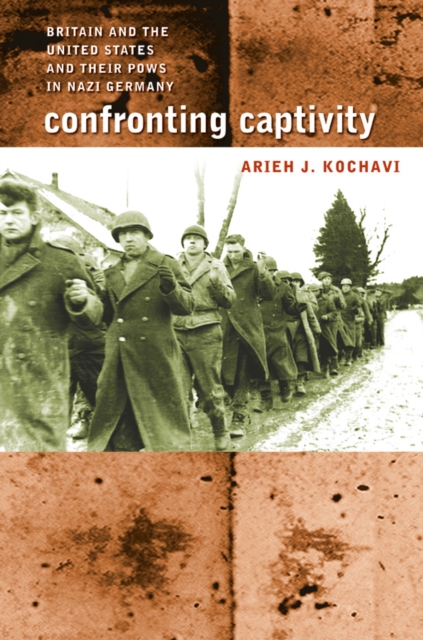
How was it possible that almost all of the nearly 300,000 British and American troops who fell into German hands during World War II survived captivity in German POW camps and returned home almost as soon as the war ended?
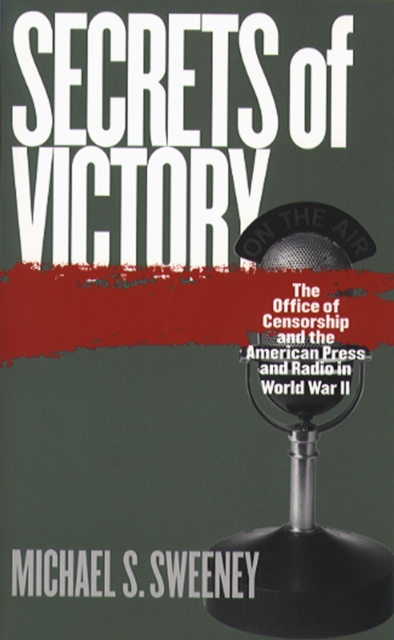
During World War II, the civilian Office of Censorship supervised a huge and surprisingly successful program of news management: the voluntary self-censorship of the American press.
Inspired and informed by the latest research in African American, military, and social history, the fourteen original essays in this book tell the stories of the African American soldiers who fought for the Union cause.
In the summer of 1861, Americans were preoccupied by the question of which states would join the secession movement and which would remain loyal to the Union.
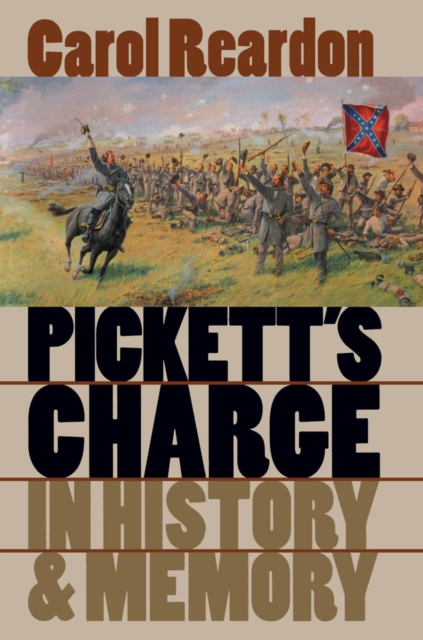
If, as many have argued, the Civil War is the most crucial moment in our national life and Gettysburg its turning point, then the climax of the climax, the central moment of our history, must be Picketts Charge.
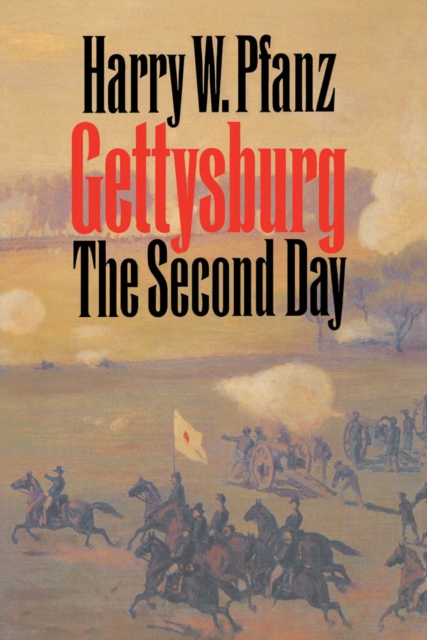
The second days fighting at Gettysburg the assault of the Army of Northern Virginia against the Army of the Potomac on 2 July 1863 was probably the critical engagement of that decisive battle and, therefore, among the most significant actions of the Civil War.
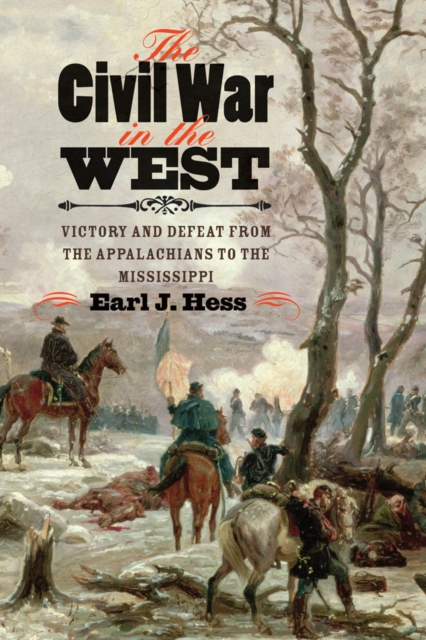
The Western theater of the Civil War, rich in agricultural resources and manpower and home to a large number of slaves, stretched 600 miles north to south and 450 miles east to west from the Appalachians to the Mississippi.
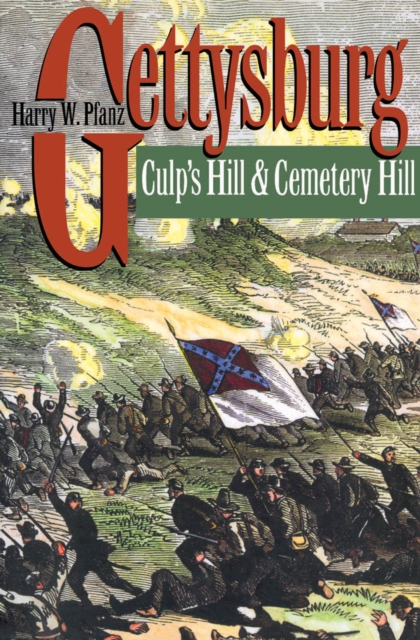
In this companion to his celebrated earlier book, Gettysburg The Second Day, Harry Pfanz provides the first definitive account of the fighting between the Army of the Potomac and Robert E.
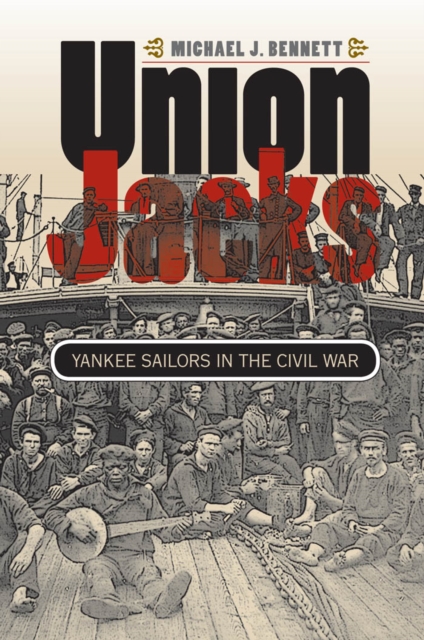
Historians have given a great deal of attention to the lives and experiences of Civil War soldiers, but surprisingly little is known about navy sailors who participated in the conflict.
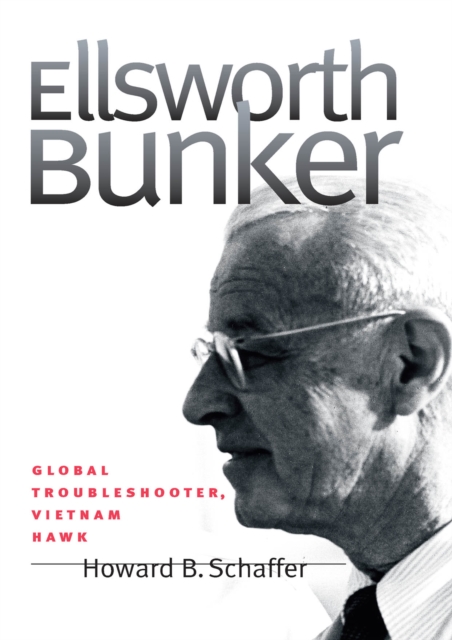
In this first biography of Ellsworth Bunker (18941984), Howard Schaffer traces the life of one of postwar Americas foremost diplomats from his formative years as a successful businessman and lobbyist through a long career in international affairs.