The Winter 2014 Issue brings us duels and Dashboard Poets, eels and fauxvillages, a beloved television icon, interviews with liberal hero Walter Mondaleand conservative activist Jack Kershaw, Civil War battlefi eld monuments, andmore.
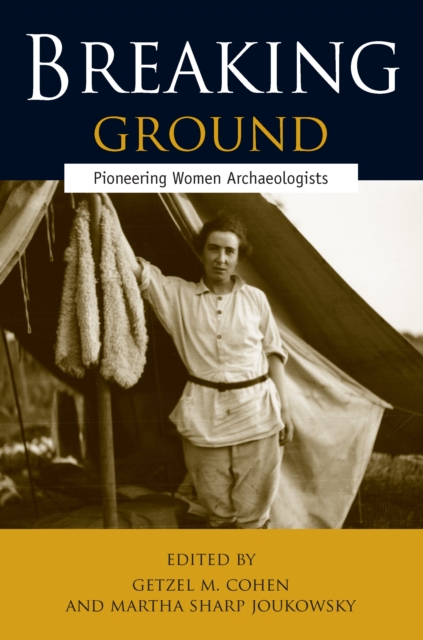
"e;At the close of the Victorian era, two generations of intrepid women abandoned Grand Tour travel for the rigors of archaeological expeditions, shining the light of scientific exploration on Old World antiquity.
Chronicling the practices, legends, and wisdom of the vanishing traditions of the upper Amazon, this book reveals the area''s indigenous peoples'' approach to living in harmony with the natural world.
Connecting to Our Ancestral Past is a pragmatic, spiritual journey that introduces a variety of specific rituals and conversations in connection with Constellations work, an experiential process that explores one''s history and powerful events of the past in order to understand and resolve problems of the present.
Sandy Bardsley examines the complex relationship between speech and gender in the fourteenth and fifteenth centuries and engages debates on the static nature of women's status after the Black Death.
Rosenfeld argues that farm women have rarely been identified as productive farm workers and that they continue to be seen only as mothers and homemakers.
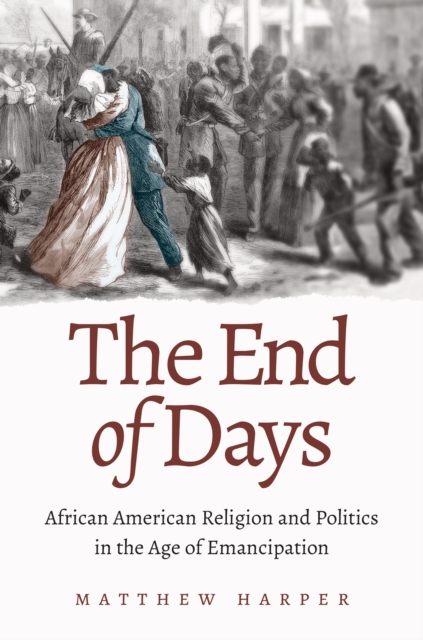
For 4 million slaves, emancipation was a liberation and resurrection story of biblical proportion, both the clearest example of Gods intervention in human history and a sign of the end of days.
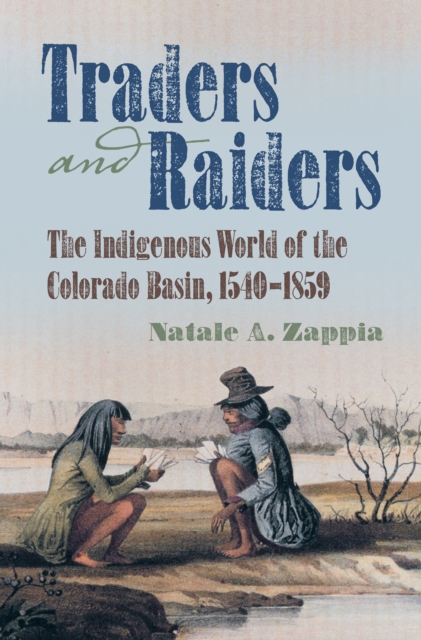
The Colorado River region looms large in the history of the American West, vitally important in the designs and dreams of Euro-Americans since the first Spanish journey up the river in the sixteenth century.
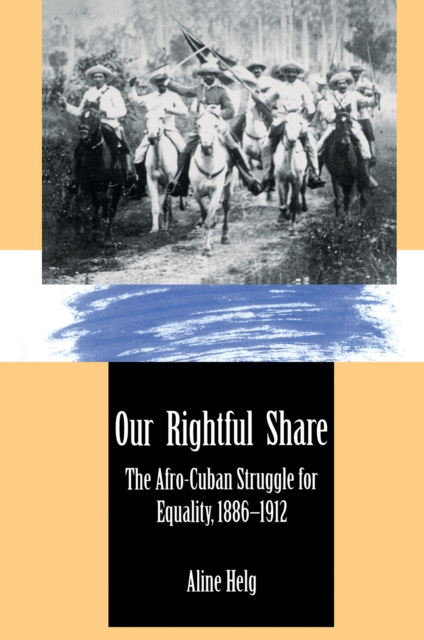
In Our Rightful Share, Aline Helg examines the issue of race in Cuban society, politics, and ideology during the islands transition from a Spanish colony to an independent state.
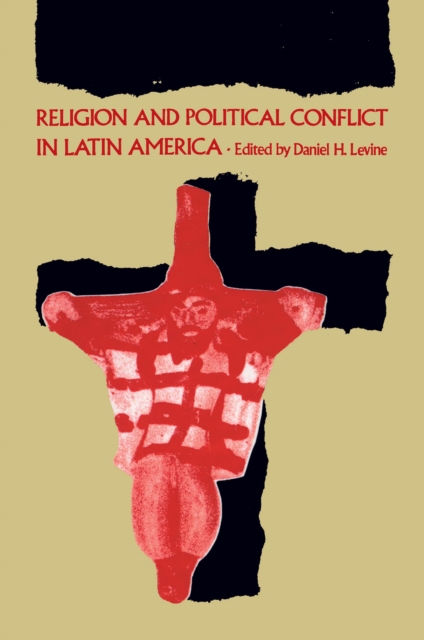
The authors examine popular religion as a vital source of new values and experiences as well as a source of pressure for change in the church, political life, and the social order as a whole and deal with the issues of poverty and the role of the poor within the church and political structures.
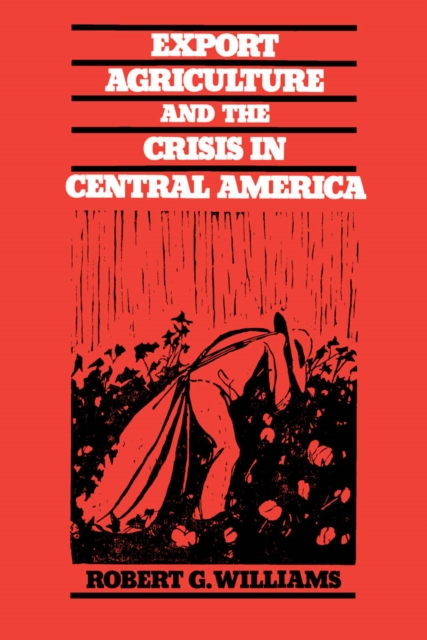
Before social unrest shook the region in the 1970s, Central America experienced more than a decade of rapid export growth by adding cotton and beef to the traditional coffee and bananas.
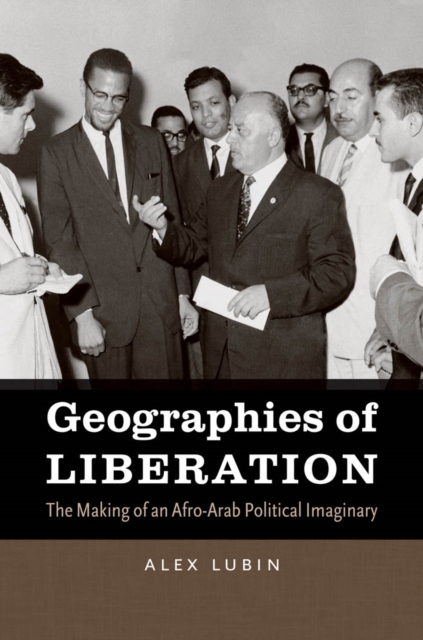
In this absorbing transnational history, Alex Lubin reveals the vital connections between African American political thought and the people and nations of the Middle East.
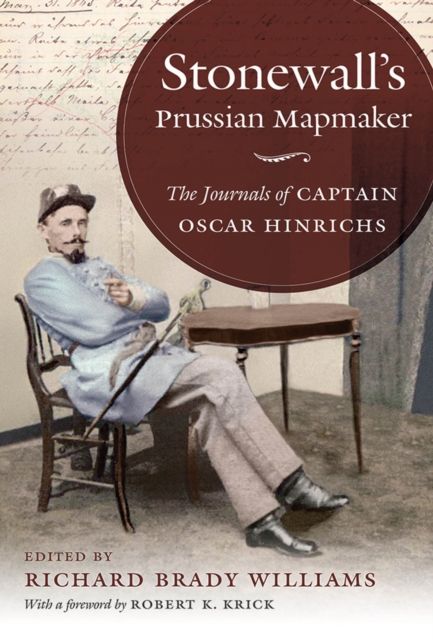
Prussian-born cartographer Oscar Hinrichs was a key member of Stonewall Jacksons staff, collaborated on maps with Jedediah Hotchkiss, and worked alongside such prominent Confederate leaders as Joe Johnston, Richard H.
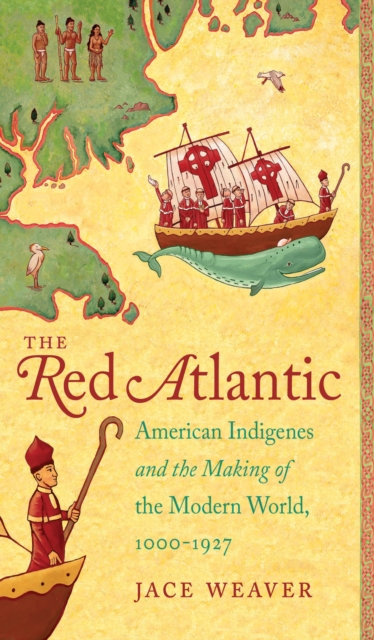
From the earliest moments of European contact, Native Americans have played a pivotal role in the Atlantic experience, yet they often have been relegated to the margins of the regions historical record.
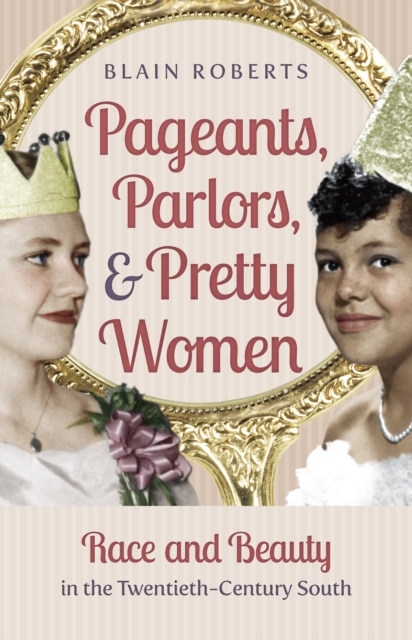
From the Souths pageant queens to the importance of beauty parlors to African American communities, it is easy to see the ways beauty is enmeshed in southern culture.
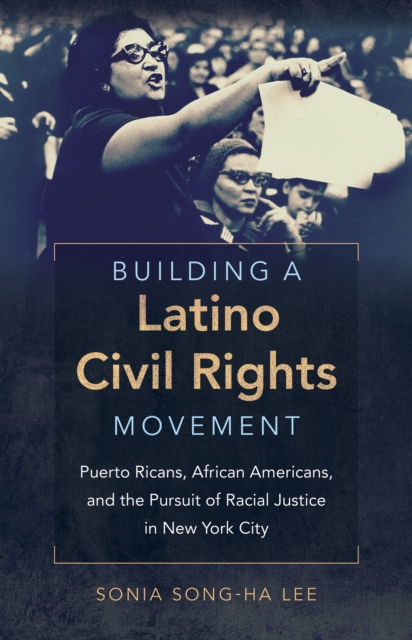
In the first book-length history of Puerto Rican civil rights in New York City, Sonia Lee traces the rise and fall of an uneasy coalition between Puerto Rican and African American activists from the 1950s through the 1970s.
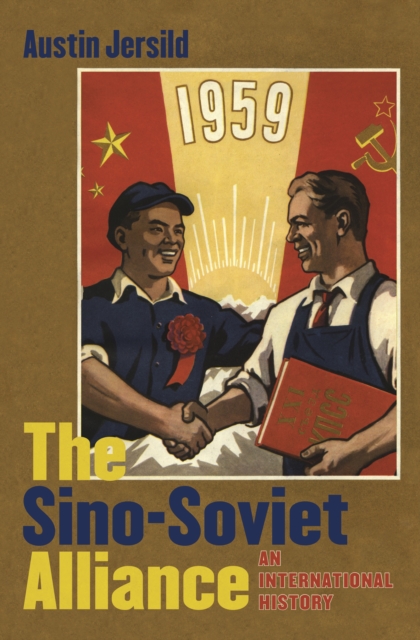
In 1950 the Soviet Union and the Peoples Republic of China signed a Treaty of Friendship, Alliance, and Mutual Assistance to foster cultural and technological cooperation between the Soviet bloc and the PRC.
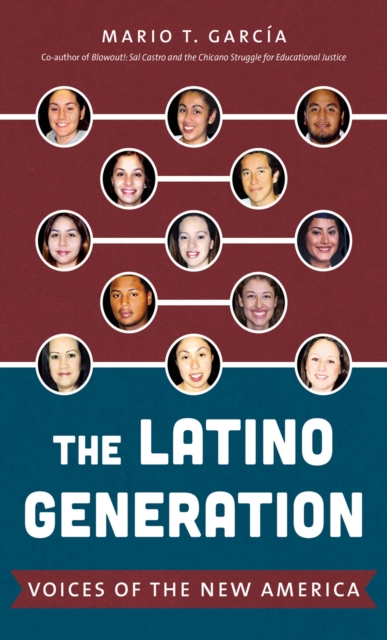
Latinos are already the largest minority group in the United States, and experts estimate that by 2050, one out of three Americans will identify as Latino.
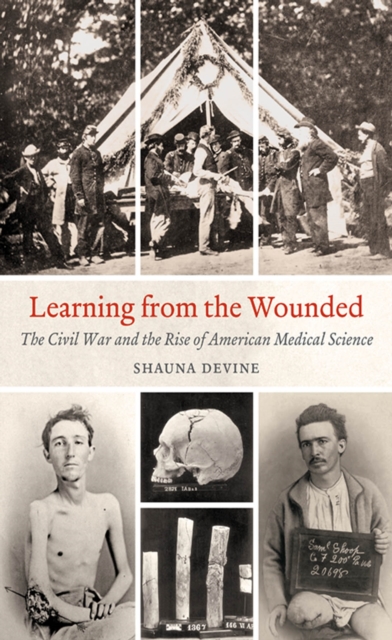
Nearly two-thirds of the Civil Wars approximately 750,000 fatalities were caused by disease a staggering fact for which the American medical profession was profoundly unprepared.
A well-illustrated cultural history of the apparel worn by American Catholics, Sally Dwyer-McNultys Common Threads reveals the transnational origins and homegrown significance of clothing in developing identity, unity, and a sense of respectability for a major religious group that had long struggled for its footing in a Protestant-dominated society often openly hostile to Catholics.
In this classic study of the relationship between technology and culture, Miles Orvell demonstrates that the roots of contemporary popular culture reach back to the Victorian era, when mechanical replications of familiar objects reigned supreme and realism dominated artistic representation.
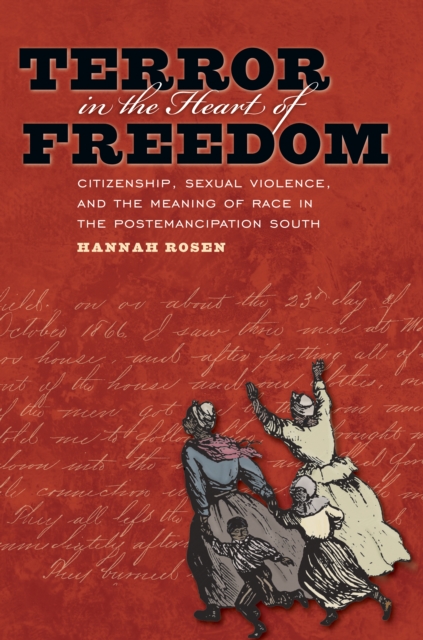
The meaning of race in the antebellum southern United States was anchored in the racial exclusivity of slavery (coded as black) and full citizenship (coded as white as well as male).
For 4 million slaves, emancipation was a liberation and resurrection story of biblical proportion, both the clearest example of Gods intervention in human history and a sign of the end of days.
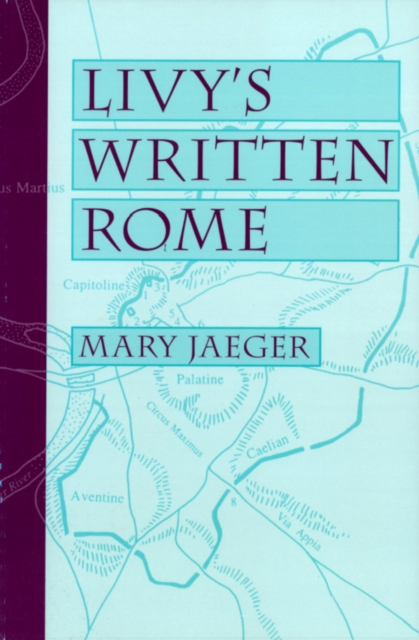
The modern age is not the only one in which Romans and visitors to Rome have been fascinated with the city's striking juxtapositions of past and present.
Even as lawsuits challenging its admissions policies made their way through the courts, the University of Michigan carried the torch for affirmative action in higher education.
A chilling exploration of how Imperial Japan framed war as justiceand how that moral logic helped unleash extraordinary brutality across Asia and the Pacific.
"e;At the close of the Victorian era, two generations of intrepid women abandoned Grand Tour travel for the rigors of archaeological expeditions, shining the light of scientific exploration on Old World antiquity.