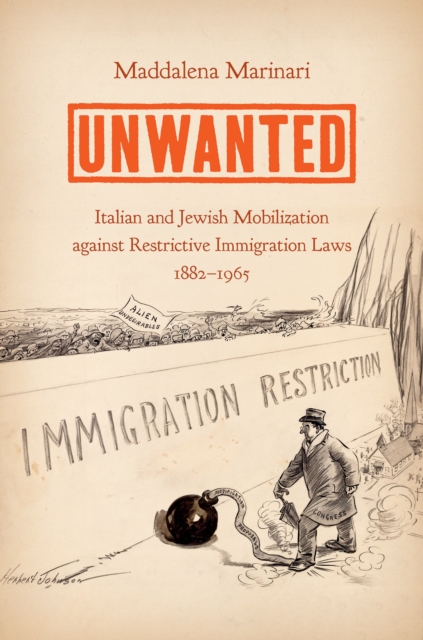
In the late nineteenth century, Italians and Eastern European Jews joined millions of migrants around the globe who left their countries to take advantage of the demand for unskilled labor in rapidly industrializing nations, including the United States.
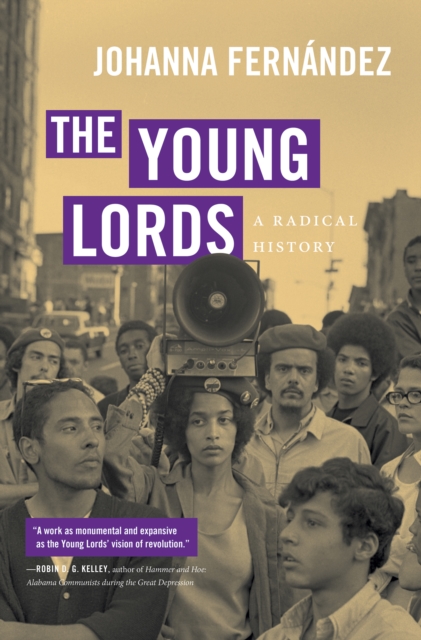
Against the backdrop of Americas escalating urban rebellions in the 1960s, an unexpected cohort of New York radicals unleashed a series of urban guerrilla actions against the citys racist policies and contempt for the poor.
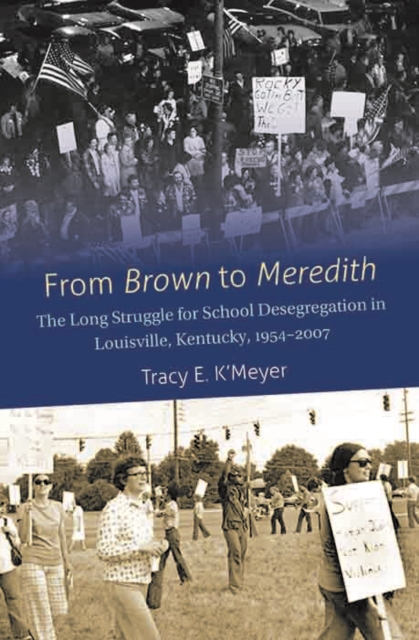
When the Supreme Court overturned Louisvilles local desegregation plan in 2007, the people of Jefferson County, Kentucky, faced the question of whether and how to maintain racial diversity in their schools.
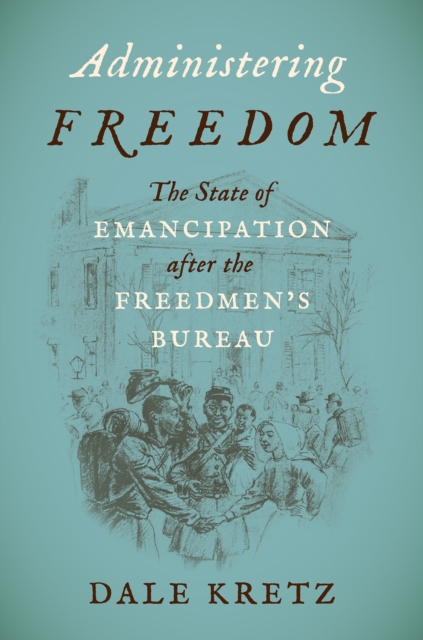
This book offers the definitive history of how formerly enslaved men and women pursued federal benefits from the Civil War to the New Deal and, in the process, transformed themselves from a stateless people into documented citizens.
In this incisive study, Sarah Ehlers returns to the Depression-era United States in order to unsettle longstanding ideas about poetry and emerging approaches to poetics.
A well-illustrated cultural history of the apparel worn by American Catholics, Sally Dwyer-McNultys Common Threads reveals the transnational origins and homegrown significance of clothing in developing identity, unity, and a sense of respectability for a major religious group that had long struggled for its footing in a Protestant-dominated society often openly hostile to Catholics.
In this book, Yelena Bailey examines the creation of the streets not just as a physical, racialized space produced by segregationist policies but also as a sociocultural entity that has influenced our understanding of blackness in America for decades.
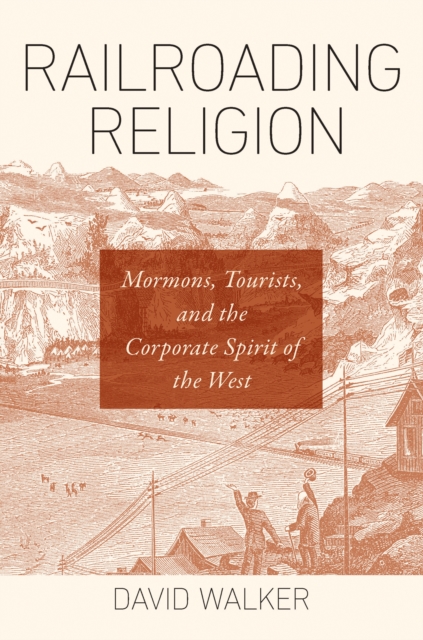
Railroads, tourism, and government bureaucracy combined to create modern religion in the American West, argues David Walker in this innovative study of Mormonisms ascendency in the railroad era.
America is at war with itself over the right to vote, or, more precisely, over the question of who gets to exercise that right and under what circumstances.
Reframing the American story from the vantage point of the nations watery edges, Jamin Wells shows that disasters have not only bedeviled the American beach they created it.
While Hollywood deserves its reputation for much-maligned portrayals of southern highlanders on screen, the film industry also deserves credit for a long-standing tradition of more serious and meaningful depictions of Appalachias people.
From the untimely deaths of young athletes to chronic disease among retired players, roiling debates over tackle football have profound implications for more than one million American boyssome as young as five years oldwho play the sport every year.
Mexico today is one of the most dangerous places in the world to report the news, and Mexicans have taken to the street to defend freedom of expression.
It may be difficult to imagine that a consequential black electoral politics evolved in the United States before the Civil War, for as of 1860, the overwhelming majority of African Americans remained in bondage.
Viola Franziska Mller examines runaways who camouflaged themselves among the free Black populations in Baltimore, Charleston, New Orleans, and Richmond.
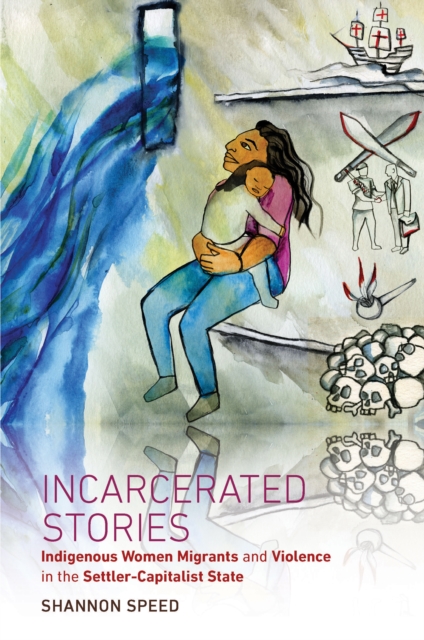
Indigenous women migrants from Central America and Mexico face harrowing experiences of violence before, during, and after their migration to the United States, like all asylum seekers.
At the close of the Civil War, it was clear that the military conflict that began in South Carolina and was fought largely east of the Mississippi River had changed the politics, policy, and daily life of the entire nation.
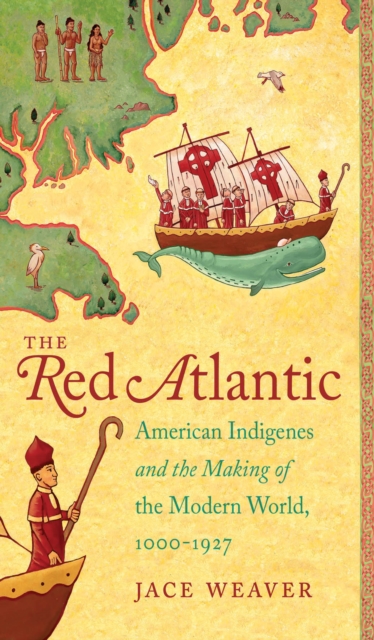
From the earliest moments of European contact, Native Americans have played a pivotal role in the Atlantic experience, yet they often have been relegated to the margins of the regions historical record.
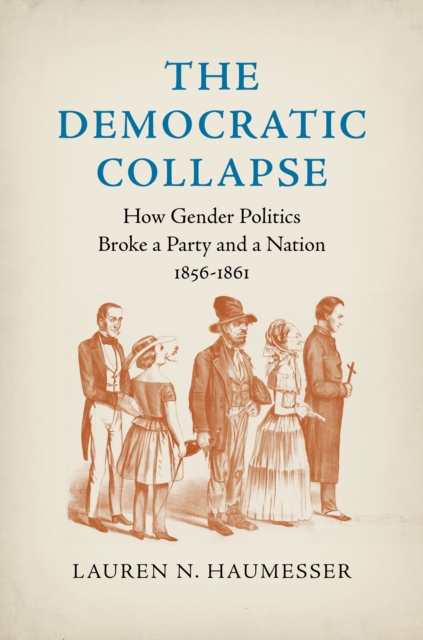
This fresh examination of antebellum politics comprehensively examines the ways that gender issues and gendered discourse exacerbated fissures within the Democratic Party in the critical years between 1856 and 1861.
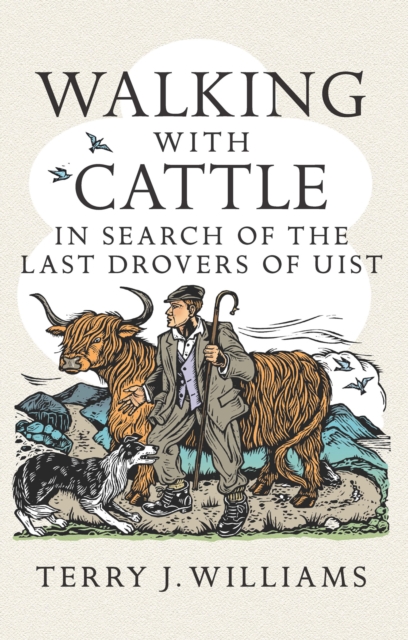
Droving was once the lifeblood of Scotland's rural economy, and for centuries Scotland's glens and mountain passes were alive with thousands of cattle making their way to the market trysts of Crieff and Falkirk.
The boards and management of listed companies are under increasing pressure from investors to address urgent environmental, social and governance (ESG) issues.
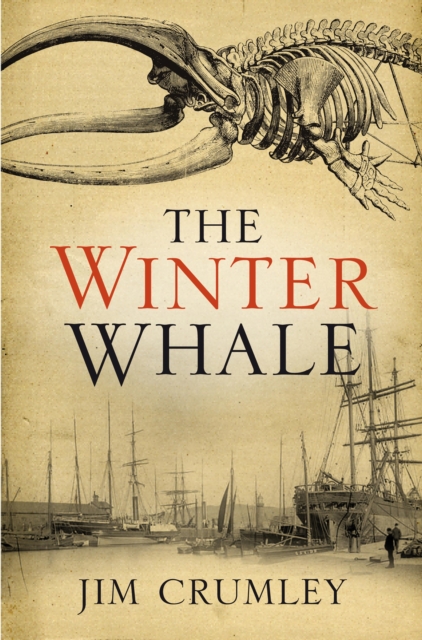
In late November, 1893, a humpback whale - as rare a sight in the North Sea then as it would be now - followed herring shoals into the Tay estuary, and travelled as far upstream as Dundee docks to linger in the home waters of the biggest whaling fleet in Britain, and one of the biggest in Europe.
The definitive collection of Ohio's odd, wacky, and most offbeat people, places, and things, forOhio residents and anyone else who enjoys local humor and trivia with a twist.
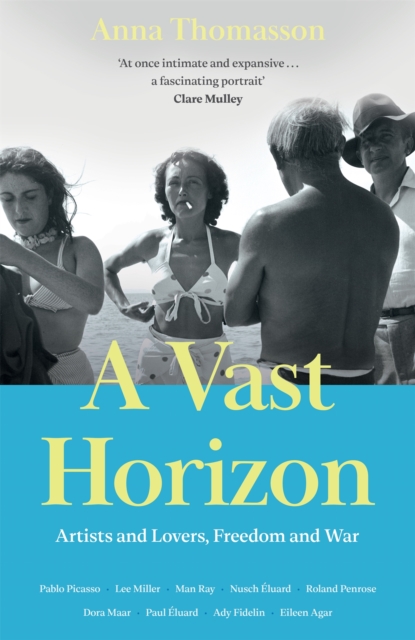
Longlisted for the American Library in Paris book award 2026A Shortlist 'Must Read' non-fiction bookA glorious fusion of history and art, A Vast Horizon tells the story of Pablo Picasso and his free-spirited friends, including Lee Miller and Man Ray, in the tumultuous years around the Second World War.
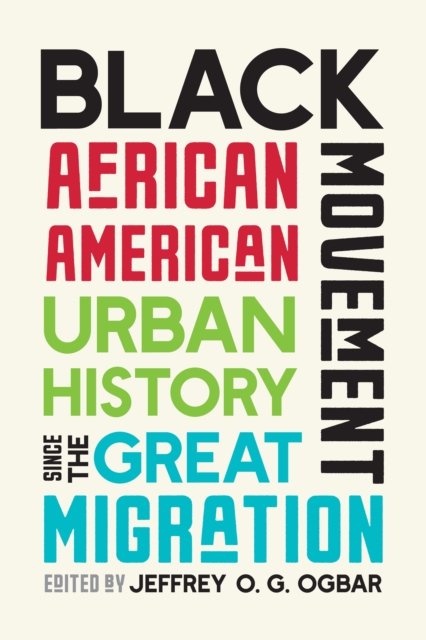
The Great Migration of African Americans from the South to northern and western cities between 1915 and 1970 fundamentally altered the political, social, and cultural landscapes of major urban centers like New York, Chicago, Philadelphia, and Detroit, and changed the country as well.