On Easter Monday, between 1,000 and 1,500 Irish Volunteers and members of the Irish Citizen Army seized the General Post Office and other key locations in Dublin.
Few countries serve as a more useful case study for understanding the global tension between liberal and illiberal conceptions of democracy than Poland.
This is an edited volume of music histories—of peoples, places, and institutions—that refuses to shy away from the geopolitical realities of a global musicology.
This is an edited volume of music histories—of peoples, places, and institutions—that refuses to shy away from the geopolitical realities of a global musicology.
The election of Evo Morales as Bolivias president in 2005 made him his nations first indigenous head of state, a watershed victory for social activists and Native peoples.
Después de más de cinco décadas de conflicto social y armado, el gobierno de Colombia y las FARC firmaron en noviembre del año 2016 un acuerdo para poner fin a la confrontación militar que causó casi seis millones de víctimas.
The incredible, true story of a breathtaking rescue in the frenzied final hours of the US evacuation of Afghanistan - and how a brave Afghan mother and a compassionate American officer engineered a daring escape.
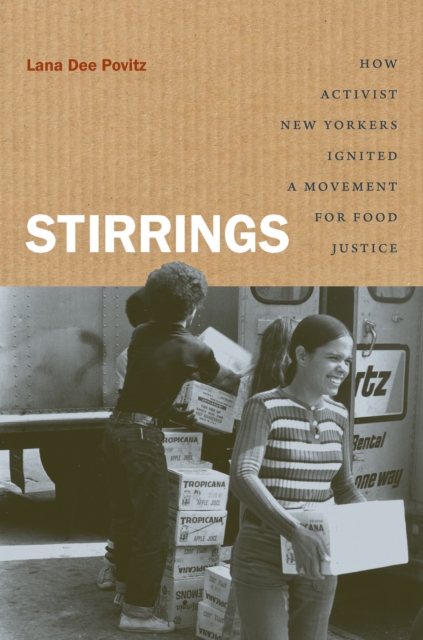
In the last three decades of the twentieth century, government cutbacks, stagnating wages, AIDS, and gentrification pushed ever more people into poverty, and hunger reached levels unseen since the Depression.
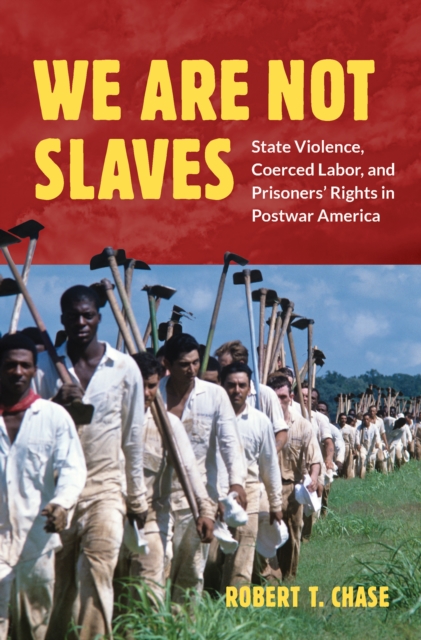
Hank Lacayo Best Labor Themed Book, International Latino Book AwardsBest Book Award, Division of Critical Criminology and Social Justice, American Society of CriminologyIn the early twentieth century, the brutality of southern prisons became a national scandal.
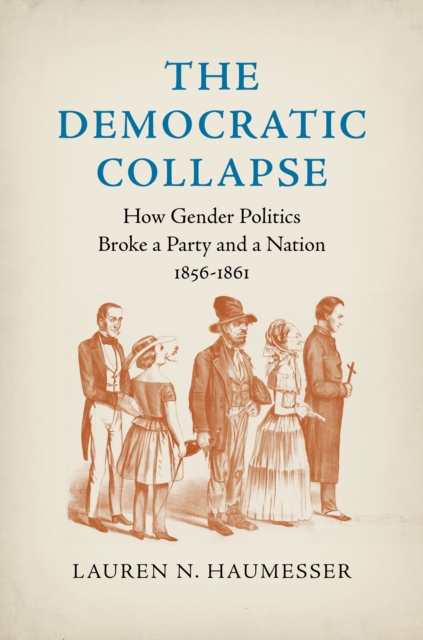
This fresh examination of antebellum politics comprehensively examines the ways that gender issues and gendered discourse exacerbated fissures within the Democratic Party in the critical years between 1856 and 1861.
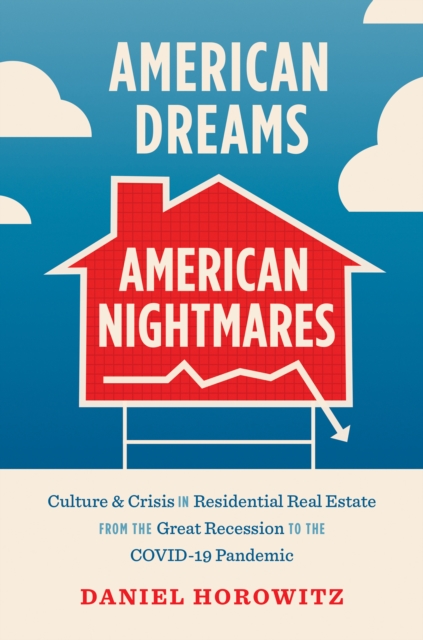
Two decades punctuated by the financial crisis of the Great Recession and the public health crisis of COVID-19 have powerfully reshaped housing in America.
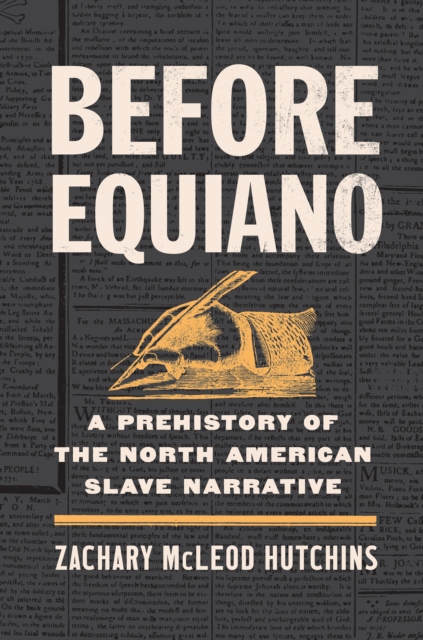
In the antebellum United States, formerly enslaved men and women who told their stories and advocated for abolition helped establish a new genre with widely recognized tropes: the slave narrative.
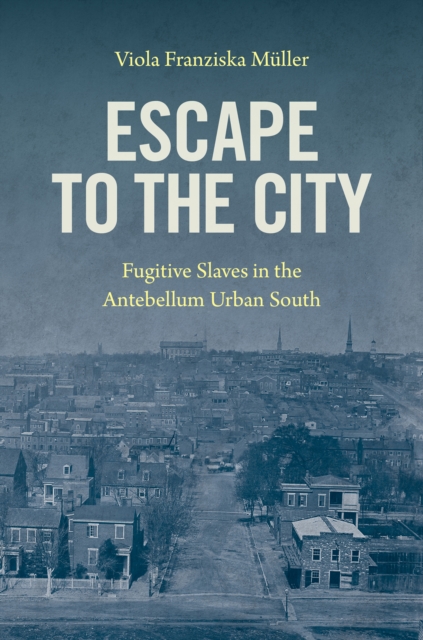
Viola Franziska Mller examines runaways who camouflaged themselves among the free Black populations in Baltimore, Charleston, New Orleans, and Richmond.
Indigenous women migrants from Central America and Mexico face harrowing experiences of violence before, during, and after their migration to the United States, like all asylum seekers.
This book offers the definitive history of how formerly enslaved men and women pursued federal benefits from the Civil War to the New Deal and, in the process, transformed themselves from a stateless people into documented citizens.
Nestled between the Chesapeake Bay and the Atlantic Ocean, and stretching from Hampton Roads to Assateague Island, Virginias Eastern Shore is a distinctly southern place with an exceptionally southern taste.
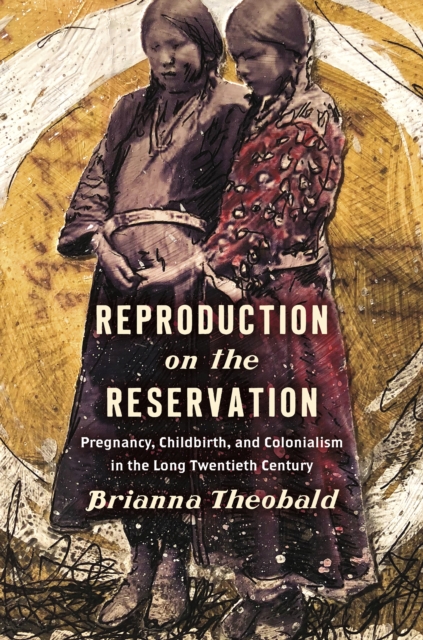
This pathbreaking book documents the transformation of reproductive practices and politics on Indian reservations from the late nineteenth century to the present, integrating a localized history of childbearing, motherhood, and activism on the Crow Reservation in Montana with an analysis of trends affecting Indigenous women more broadly.
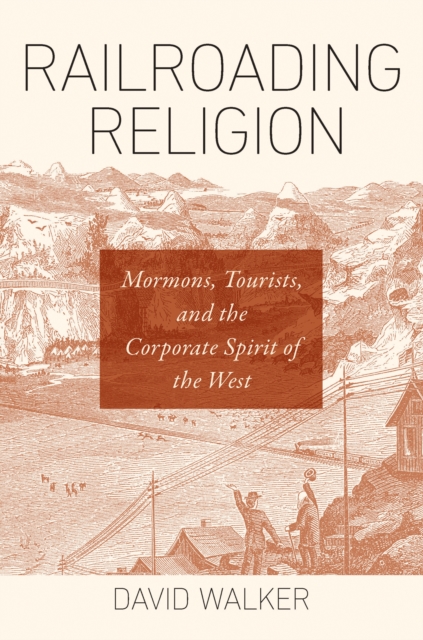
Railroads, tourism, and government bureaucracy combined to create modern religion in the American West, argues David Walker in this innovative study of Mormonisms ascendency in the railroad era.
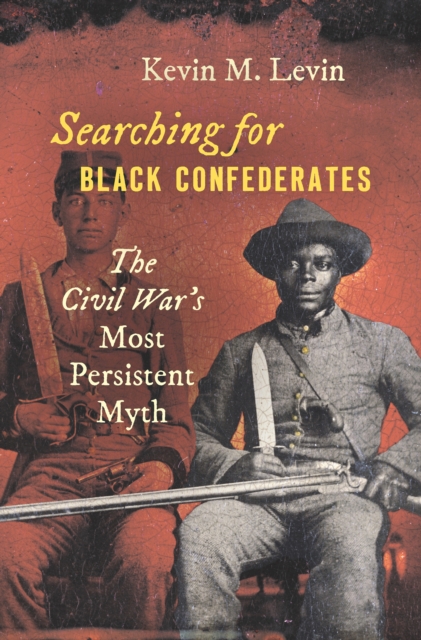
More than 150 years after the end of the Civil War, scores of websites, articles, and organizations repeat claims that anywhere between 500 and 100,000 free and enslaved African Americans fought willingly as soldiers in the Confederate army.
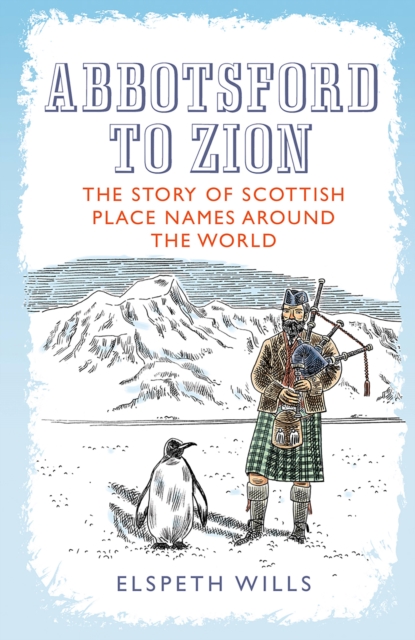
Over the centuries countless Scots have travelled to every conceivable corner of the globe - some to start a new life, others asentrepreneurs, explorers, missionaries, colonial administrators, soldiers and in a multitude of other contexts.
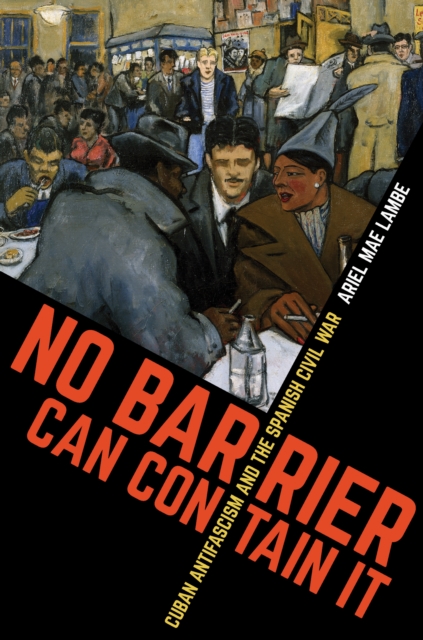
Vividly recasting Cubas politics in the 1930s as transnational, Ariel Mae Lambe has produced an unprecendented reimagining of Cuban activism during an era previously regarded as a lengthy, defeated lull.
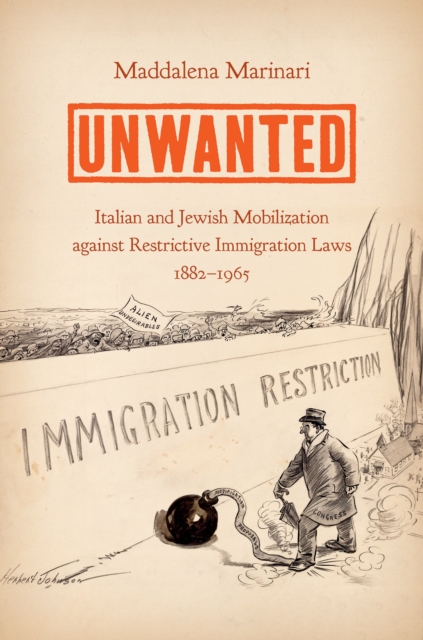
In the late nineteenth century, Italians and Eastern European Jews joined millions of migrants around the globe who left their countries to take advantage of the demand for unskilled labor in rapidly industrializing nations, including the United States.
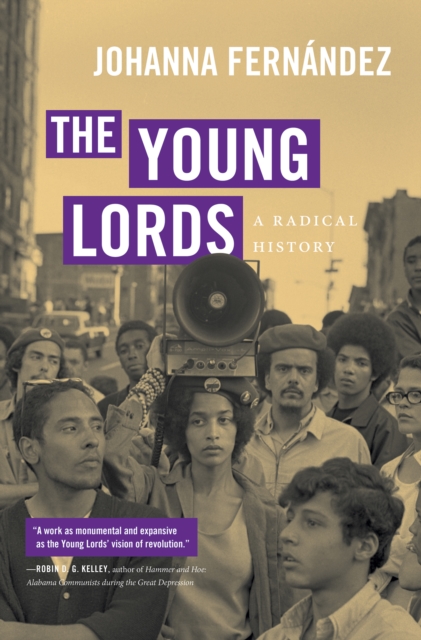
Against the backdrop of Americas escalating urban rebellions in the 1960s, an unexpected cohort of New York radicals unleashed a series of urban guerrilla actions against the citys racist policies and contempt for the poor.
From the days of steamship travel to Palestine to todays evangelical Christian tours of Jesuss birthplace, the relationship between the United States and the Holy Land has become one of the worlds most consequential international alliances.
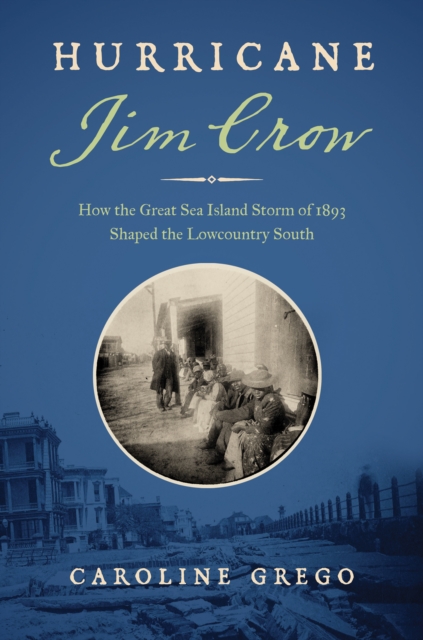
When hurricanes, earthquakes, wildfires, and other disasters strike, we count our losses, search for causes, commiserate with victims, and initiate relief efforts.
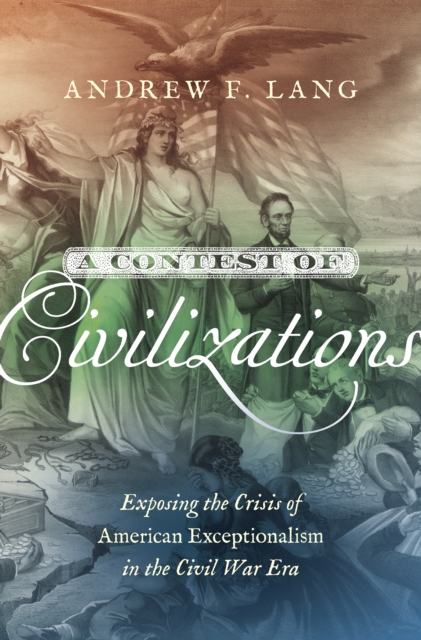
Most mid-nineteenth-century Americans regarded the United States as an exceptional democratic republic that stood apart from a world seemingly riddled with revolutionary turmoil and aristocratic consolidation.
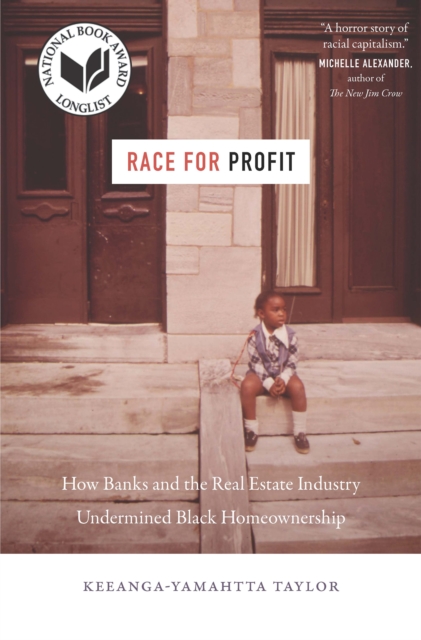
LONGLISTED FOR THE 2019 NATIONAL BOOK AWARDFINALIST, 2020 PULITZER PRIZE IN HISTORYBy the late 1960s and early 1970s, reeling from a wave of urban uprisings, politicians finally worked to end the practice of redlining.
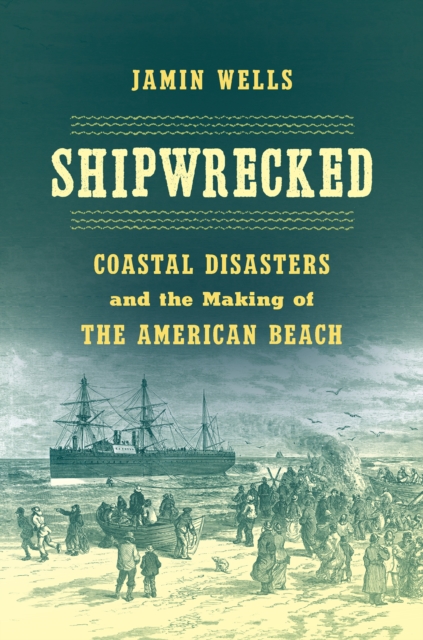
Reframing the American story from the vantage point of the nations watery edges, Jamin Wells shows that disasters have not only bedeviled the American beach they created it.