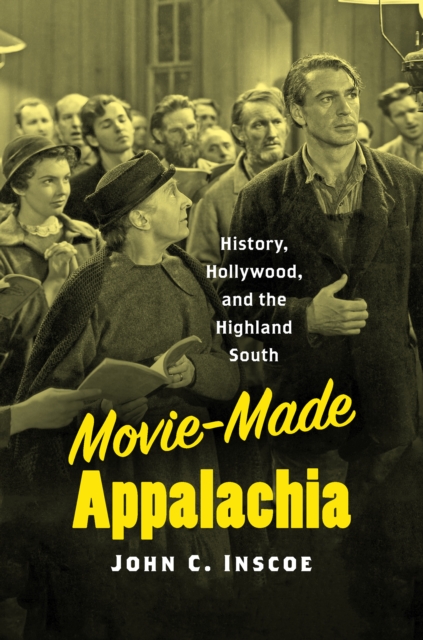
While Hollywood deserves its reputation for much-maligned portrayals of southern highlanders on screen, the film industry also deserves credit for a long-standing tradition of more serious and meaningful depictions of Appalachias people.
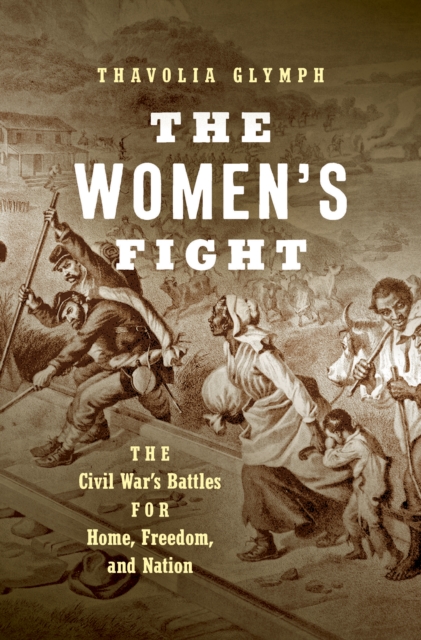
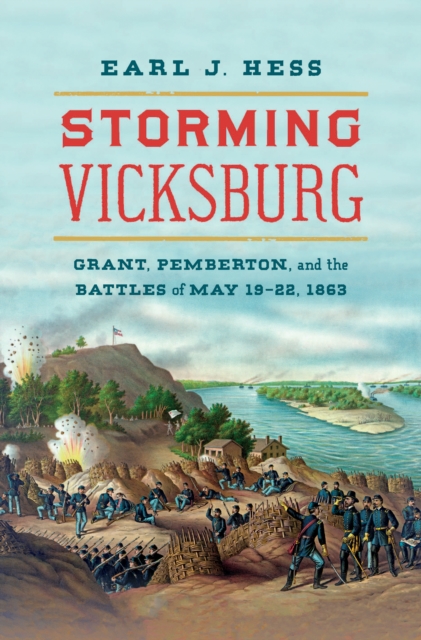
Historians of the Civil War often speak of wars within a warthe military fight, wartime struggles on the home front, and the political and moral battle to preserve the Union and end slavery.
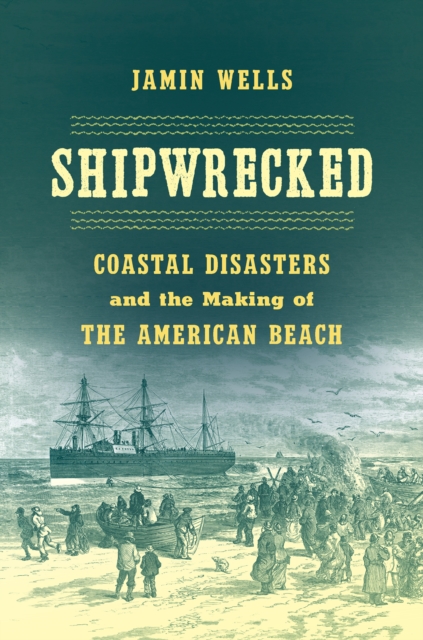
Reframing the American story from the vantage point of the nations watery edges, Jamin Wells shows that disasters have not only bedeviled the American beach they created it.
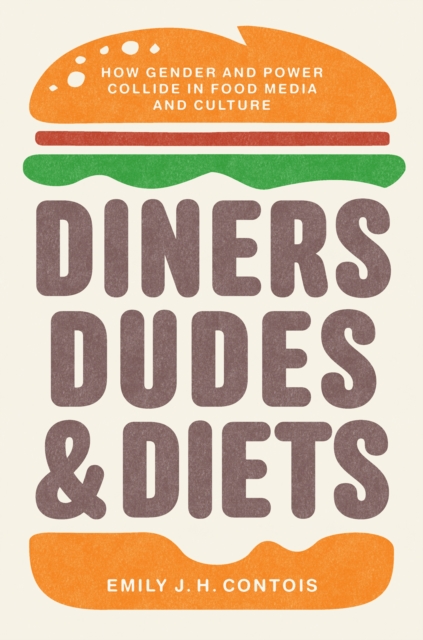
The phrase dude food likely brings to mind a range of images: burgers stacked impossibly high with an assortment of toppings that were themselves once considered a meal; crazed sports fans demolishing plates of radioactively hot wings; barbecued or bacon-wrapped .
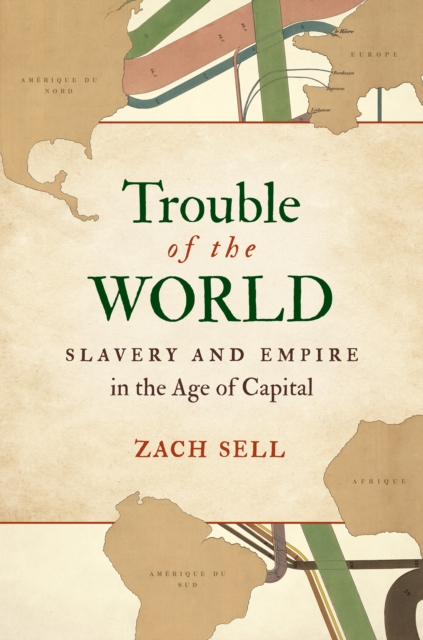
In this innovative new study, Zach Sell returns to the explosive era of capitalist crisis, upheaval, and warfare between emancipation in the British Empire and Black emancipation in the United States.
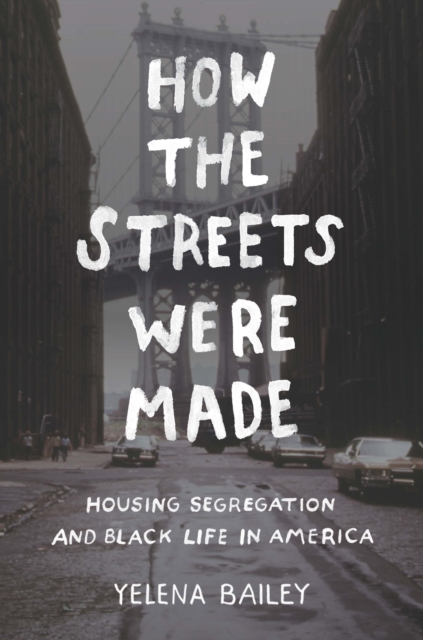
In this book, Yelena Bailey examines the creation of the streets not just as a physical, racialized space produced by segregationist policies but also as a sociocultural entity that has influenced our understanding of blackness in America for decades.
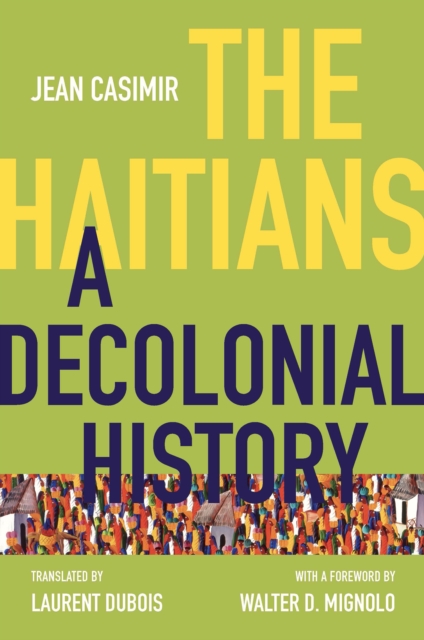
In this sweeping history, leading Haitian intellectual Jean Casimir argues that the story of Haiti should not begin with the usual image of Saint-Domingue as the richest colony of the eighteenth century.
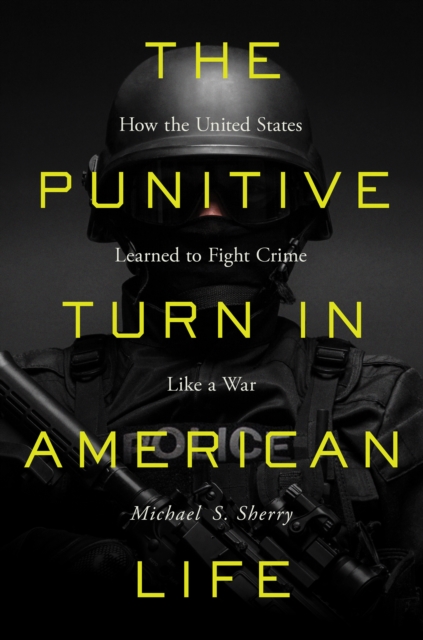
In 1965, President Lyndon Johnson insisted that the policeman is the frontline soldier in our war against crime, and police forces, arms makers, policy makers, and crime experts heeded this call to arms, bringing weapons and practices from the arena of war back home.
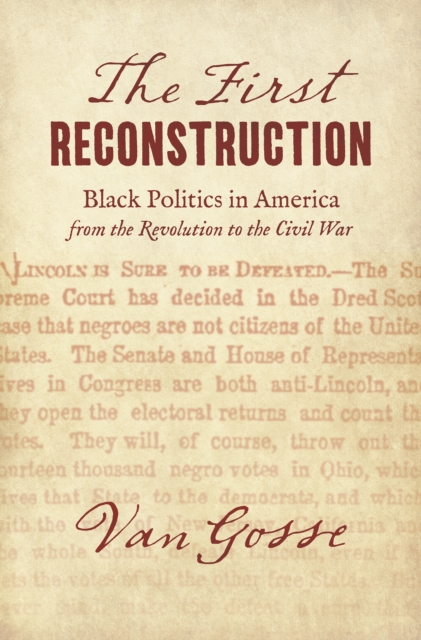
It may be difficult to imagine that a consequential black electoral politics evolved in the United States before the Civil War, for as of 1860, the overwhelming majority of African Americans remained in bondage.
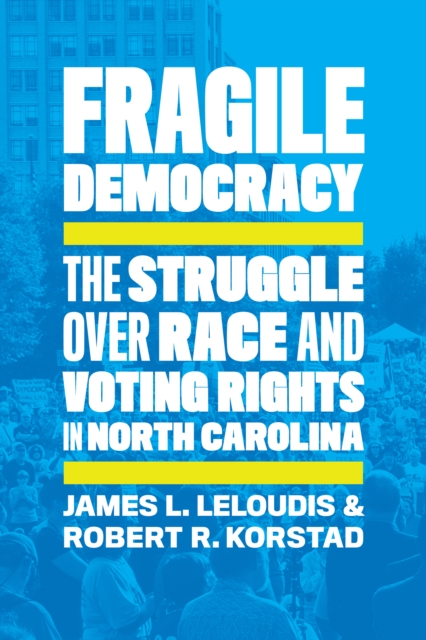
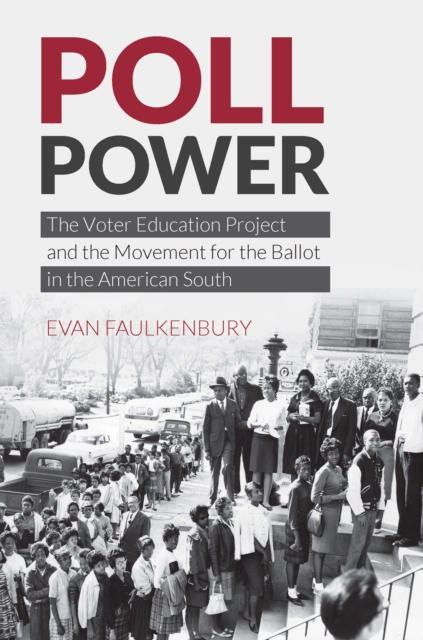
America is at war with itself over the right to vote, or, more precisely, over the question of who gets to exercise that right and under what circumstances.
From the untimely deaths of young athletes to chronic disease among retired players, roiling debates over tackle football have profound implications for more than one million American boyssome as young as five years oldwho play the sport every year.
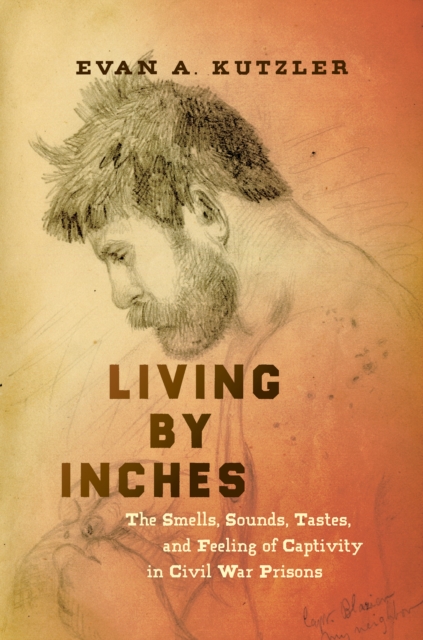
From battlefields, boxcars, and forgotten warehouses to notorious prison camps like Andersonville and Elmira, prisoners seemed to be everywhere during the American Civil War.
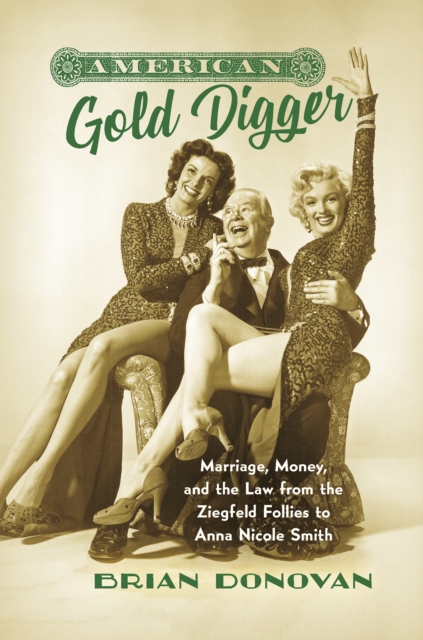
The stereotype of the gold digger has had a fascinating trajectory in twentieth-century America, from tales of greedy flapper-era chorus girls to tabloid coverage of Anna Nicole Smith and her octogenarian tycoon husband.
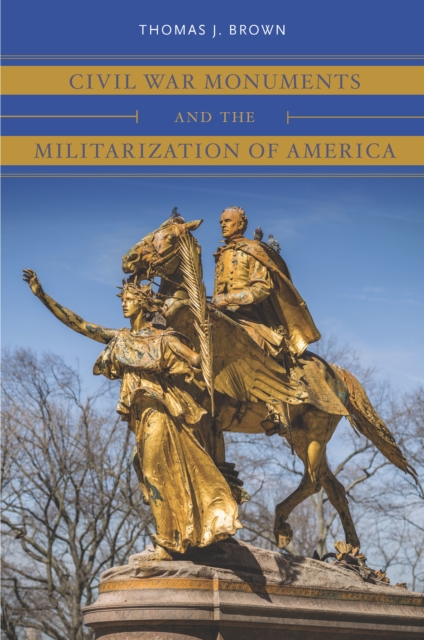
This sweeping new assessment of Civil War monuments unveiled in the United States between the 1860s and 1930s argues that they were pivotal to a national embrace of military values.
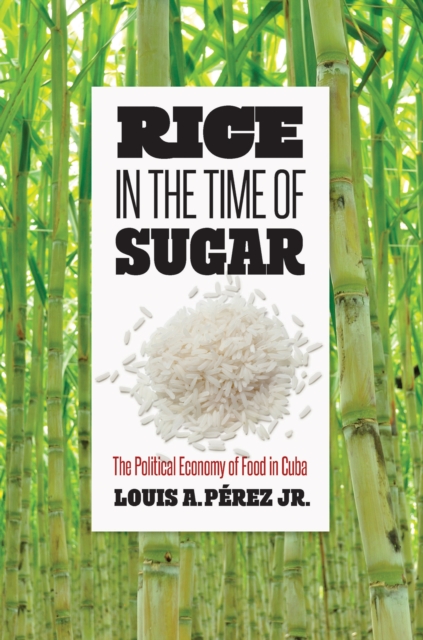
How did Cubas long-established sugar trade result in the development of an agriculture that benefited consumers abroad at the dire expense of Cubans at home?
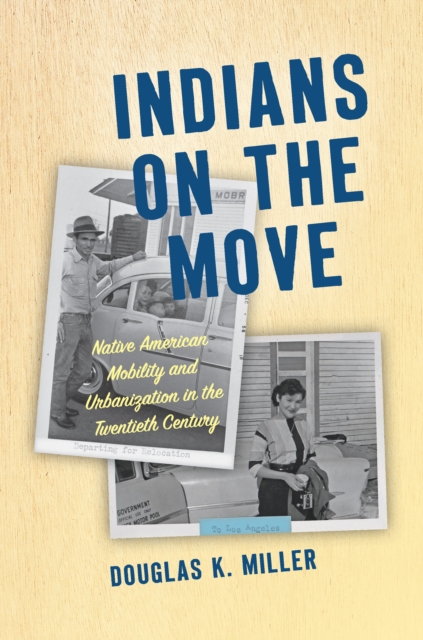
In 1972, the Bureau of Indian Affairs terminated its twenty-year-old Voluntary Relocation Program, which encouraged the mass migration of roughly 100,000 Native American people from rural to urban areas.
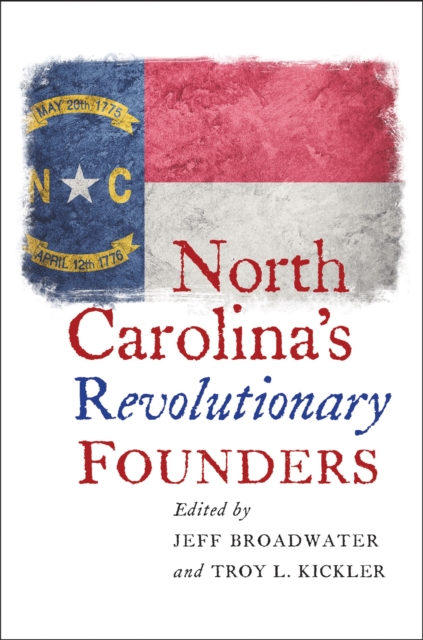
This collection of essays profiles a diverse array of North Carolinians, all of whom had a hand in the founding of the state and the United States of America.
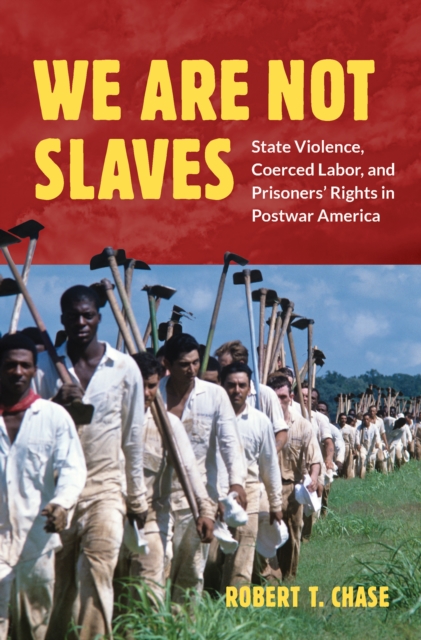
Hank Lacayo Best Labor Themed Book, International Latino Book AwardsBest Book Award, Division of Critical Criminology and Social Justice, American Society of CriminologyIn the early twentieth century, the brutality of southern prisons became a national scandal.
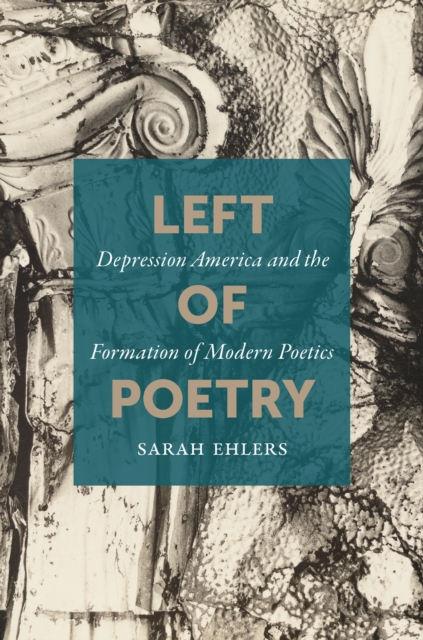
In this incisive study, Sarah Ehlers returns to the Depression-era United States in order to unsettle longstanding ideas about poetry and emerging approaches to poetics.
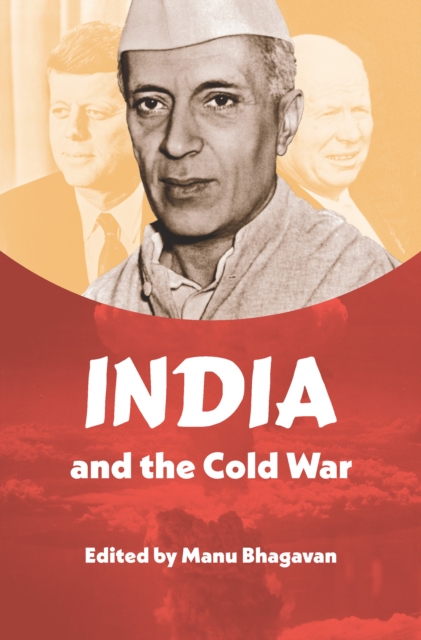
This collection of essays inverts the way we see the Cold War by looking at the conflict from the perspective of the so-called developing world, rather than of the superpowers, through the birth and first decades of Indias life as a postcolonial nation.
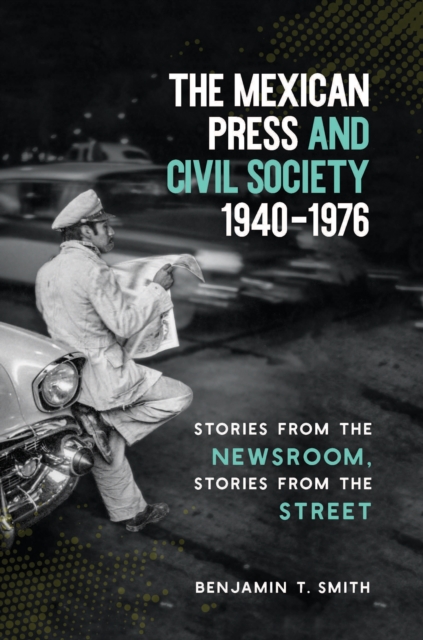
Mexico today is one of the most dangerous places in the world to report the news, and Mexicans have taken to the street to defend freedom of expression.
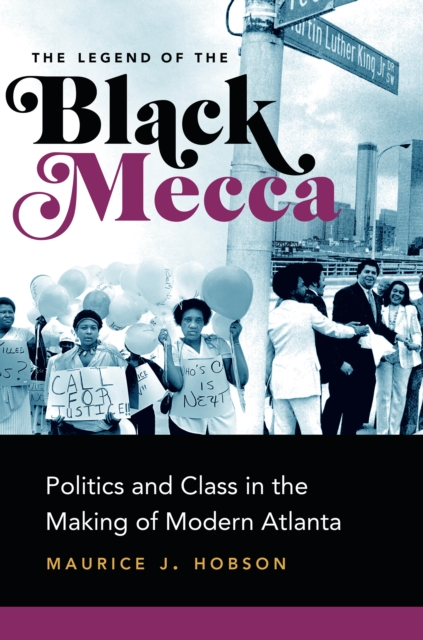
For more than a century, the city of Atlanta has been associated with black achievement in education, business, politics, media, and music, earning it the nickname the black Mecca.
In the nineteenth century, the colonial territories of California and Hawai'i underwent important cultural, economic, and ecological transformations influenced by an unlikely factor: cows.
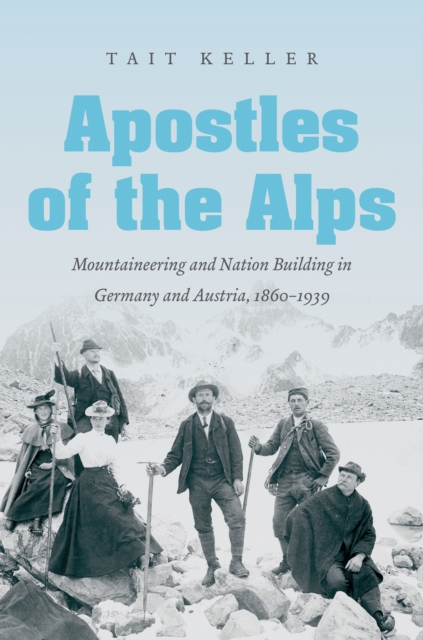
Though the Alps may appear to be a peaceful place, the famed mountains once provided the backdrop for a political, environmental, and cultural battle as Germany and Austria struggled to modernize.
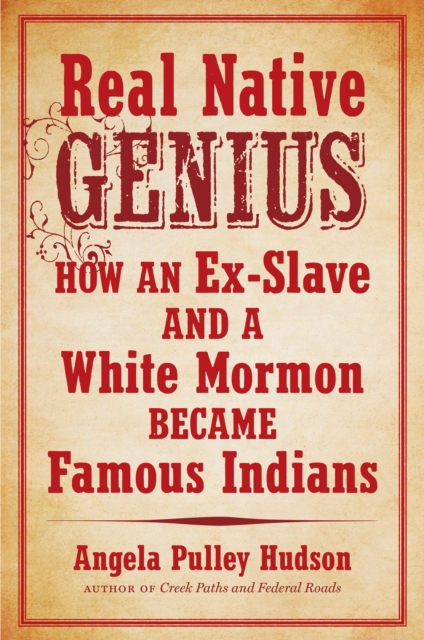
In the mid-1840s, Warner McCary, an ex-slave from Mississippi, claimed a new identity for himself, traveling around the nation as Choctaw performer Okah Tubbee.
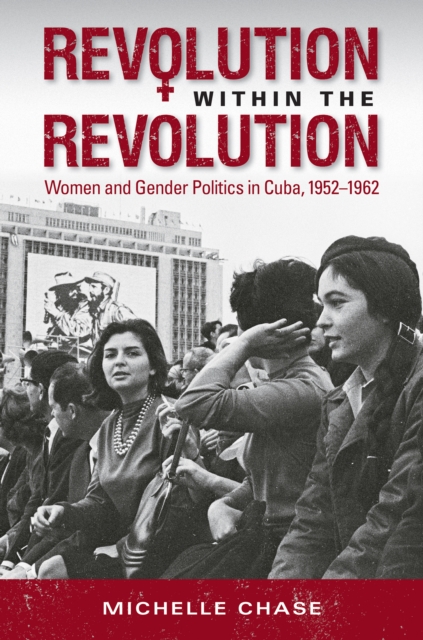
A handful of celebrated photographs show armed female Cuban insurgents alongside their compaeros in Cubas remote mountains during the revolutionary struggle.
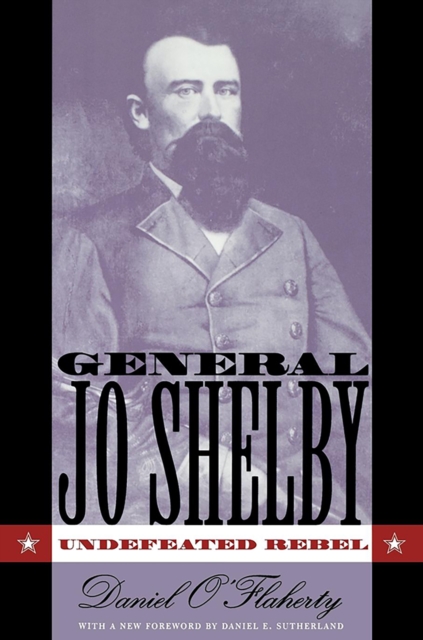
This vivid work, first published by UNC Press in 1954, reveals General Joseph Orville Shelby as one of the best Confederate cavalry leaders and certainly the most colorful.