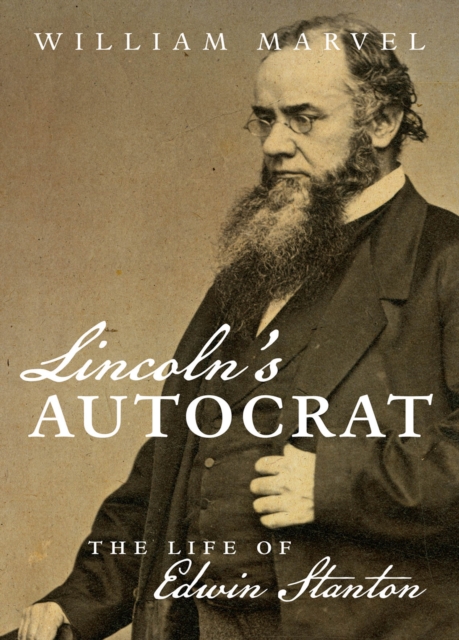
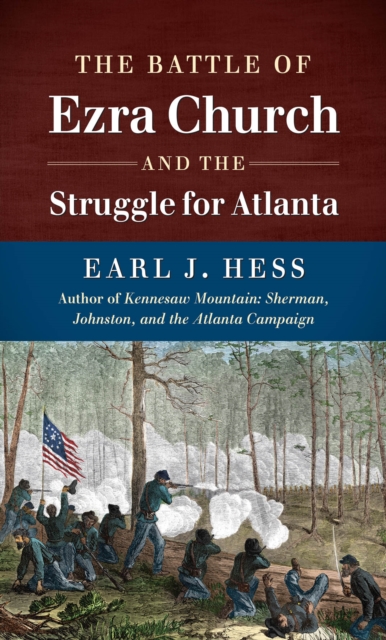
At the close of the Civil War, it was clear that the military conflict that began in South Carolina and was fought largely east of the Mississippi River had changed the politics, policy, and daily life of the entire nation.
Well before the Jamestown settlers first sighted the Chesapeake Bay or the Mayflower reached the coast of Massachusetts, the first English colony in America was established on Roanoke Island.
For twenty years in the eighteenth century, Georgia the last British colony in what became the United States enjoyed a brief period of free labor, where workers were not enslaved and were paid.
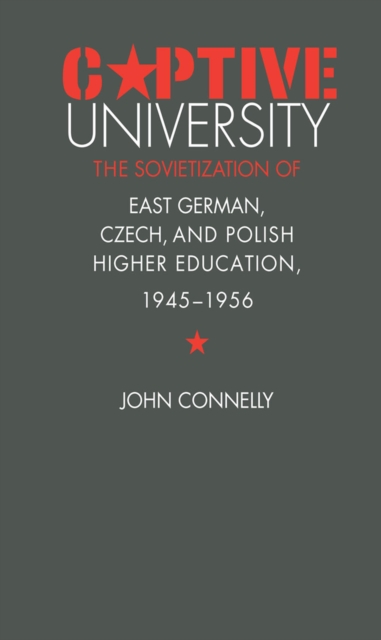
This comparative history of the higher education systems in Poland, East Germany, and the Czech lands reveals an unexpected diversity within East European stalinism.
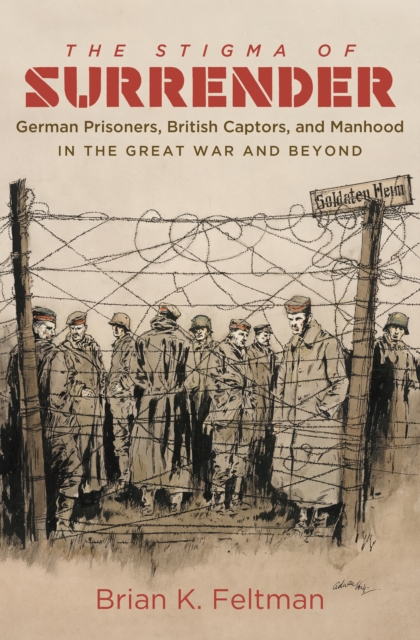
Approximately 9 million soldiers fell into enemy hands from 1914 to 1918, but historians have only recently begun to recognize the prisoner of wars significance to the history of the Great War.
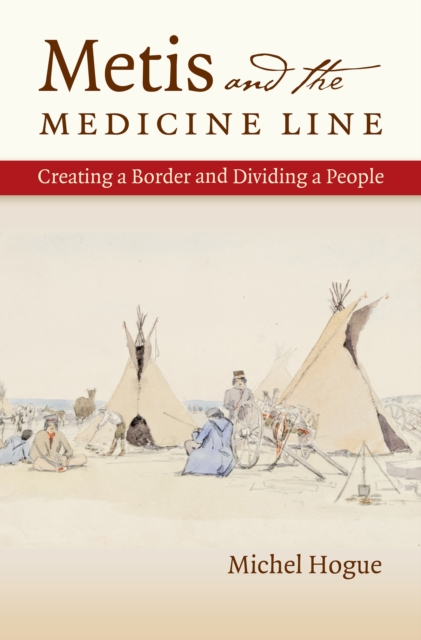
Born of encounters between Indigenous women and Euro-American men in the first decades of the nineteenth century, the Plains Metis people occupied contentious geographic and cultural spaces.
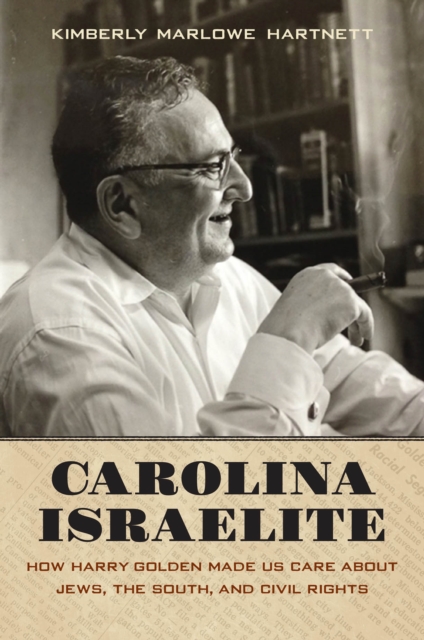
This first comprehensive biography of Jewish American writer and humorist Harry Golden (19031981) author of the 1958 national best-seller Only in America illuminates a remarkable life intertwined with the rise of the civil rights movement, Jewish popular culture, and the sometimes precarious position of Jews in the South and across America during the 1950s.
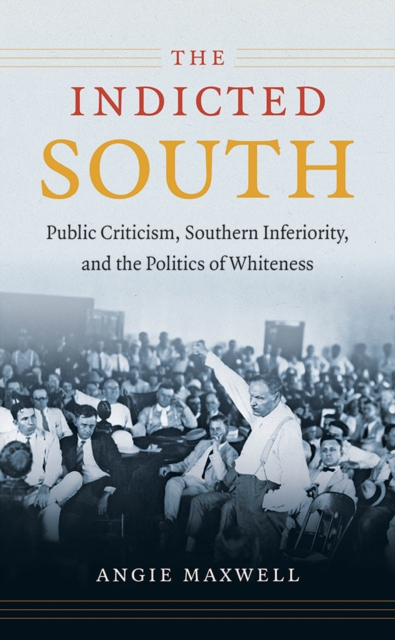
By the 1920s, the sectional reconciliation that had seemed achievable after Reconstruction was foundering, and the South was increasingly perceived and portrayed as impoverished, uneducated, and backward.
This compelling history of what Laura Micheletti Puaca terms technocratic feminism traces contemporary feminist interest in science to the World War II and early Cold War years.
From the earliest moments of European contact, Native Americans have played a pivotal role in the Atlantic experience, yet they often have been relegated to the margins of the regions historical record.
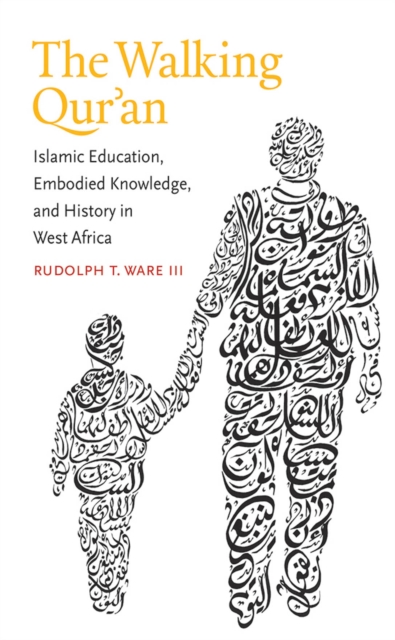
Spanning a thousand years of history and bringing the story to the present through ethnographic fieldwork in Senegal, Gambia, and Mauritania Rudolph Ware documents the profound significance of Qur'an schools for West African Muslim communities.
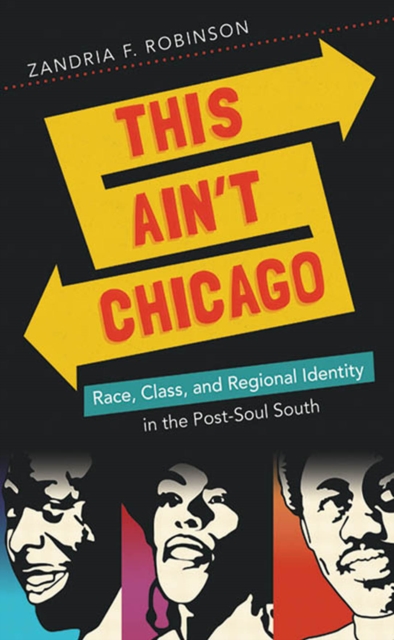
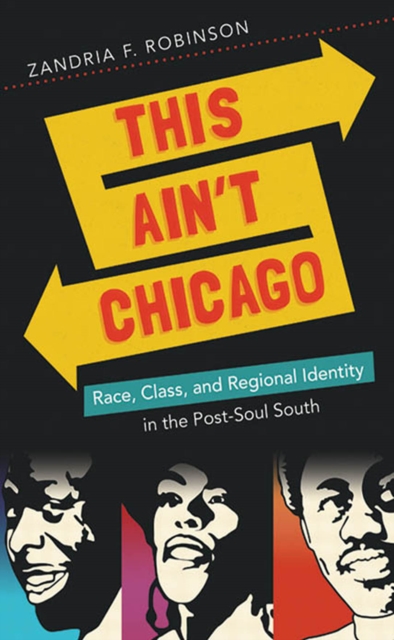
When Zandria Robinson returned home to interview African Americans in Memphis, she was often greeted with some version of the caution I hope you know this aint Chicago.
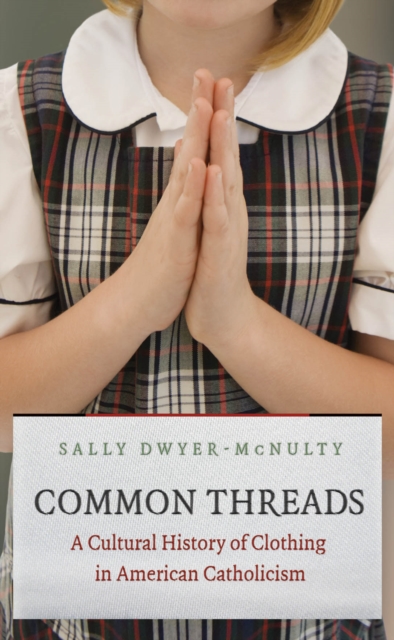
A well-illustrated cultural history of the apparel worn by American Catholics, Sally Dwyer-McNultys Common Threads reveals the transnational origins and homegrown significance of clothing in developing identity, unity, and a sense of respectability for a major religious group that had long struggled for its footing in a Protestant-dominated society often openly hostile to Catholics.
Spanning a thousand years of history and bringing the story to the present through ethnographic fieldwork in Senegal, Gambia, and Mauritania Rudolph Ware documents the profound significance of Qur'an schools for West African Muslim communities.
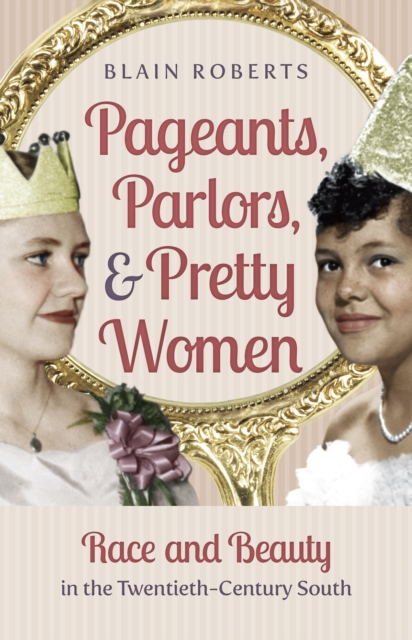
From the Souths pageant queens to the importance of beauty parlors to African American communities, it is easy to see the ways beauty is enmeshed in southern culture.
When Zandria Robinson returned home to interview African Americans in Memphis, she was often greeted with some version of the caution I hope you know this aint Chicago.
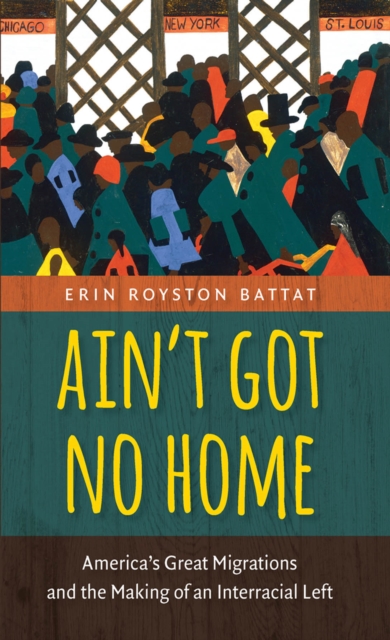
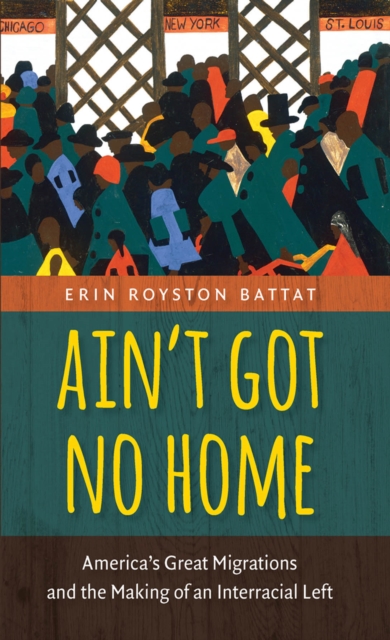
Most scholarship on the mass migrations of African Americans and southern whites during and after the Great Depression treats those migrations as separate phenomena, strictly divided along racial lines.
Most scholarship on the mass migrations of African Americans and southern whites during and after the Great Depression treats those migrations as separate phenomena, strictly divided along racial lines.
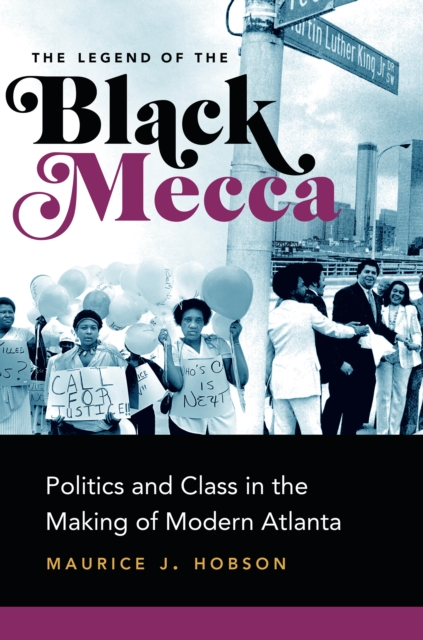
For more than a century, the city of Atlanta has been associated with black achievement in education, business, politics, media, and music, earning it the nickname the black Mecca.
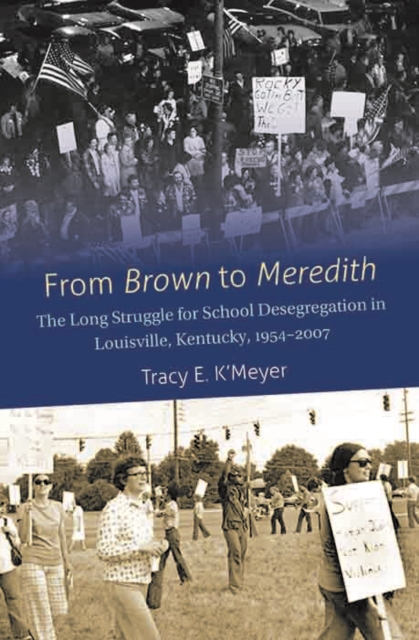
When the Supreme Court overturned Louisvilles local desegregation plan in 2007, the people of Jefferson County, Kentucky, faced the question of whether and how to maintain racial diversity in their schools.
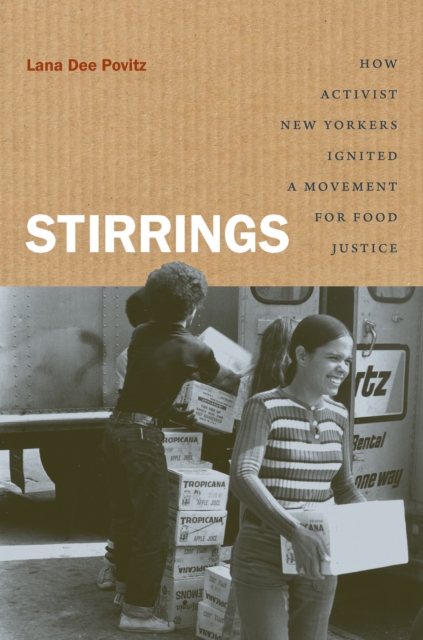
In the last three decades of the twentieth century, government cutbacks, stagnating wages, AIDS, and gentrification pushed ever more people into poverty, and hunger reached levels unseen since the Depression.
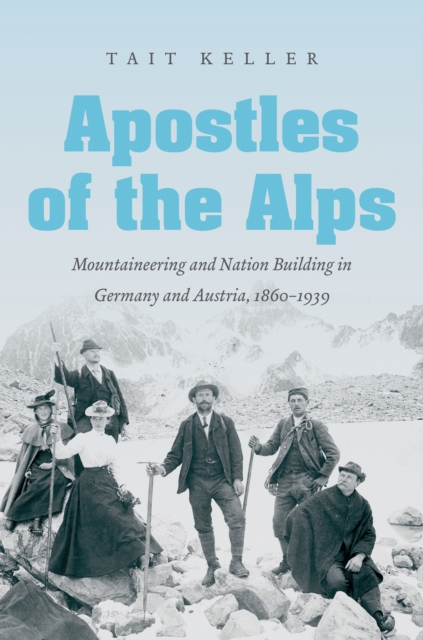
Though the Alps may appear to be a peaceful place, the famed mountains once provided the backdrop for a political, environmental, and cultural battle as Germany and Austria struggled to modernize.
This comparative history of the higher education systems in Poland, East Germany, and the Czech lands reveals an unexpected diversity within East European stalinism.
Examining the history of Soviet museums in the 1920s and 1930s, this book engages with the core problem of interwar museology: adequately representing the historical development of art to create a plausible and coherent version of its evolution.
This book responds to a critical geopolitical moment where decolonial thought, praxis, and pedagogy confront urgent questions of resistance in the face of Palestinian genocide and scholasticide, alongside other forms of state-sanctioned colonial violence against Black, Indigenous, immigrant, and displaced peoples worldwide.