From the caveman selecting the right stick to the Babylonian priest who predicted an eclipse and claimed credit for it, the weaponization of knowledge is as old as human civilization.
Reconstruction explores one of the most transformative and contested eras in American history: the years after the Civil War, when the United States attempted to rebuild the defeated South, define freedom after slavery, and decide whether democracy could truly include formerly enslaved people.
After a distinguished career as a jurist in Germany, Alfred Oppler came to the United States in 1939, and in 1946 was invited to Tokyo, where he was SCAP's authority on reform of the Japanese legal order to implement the principles of the new Constitution.
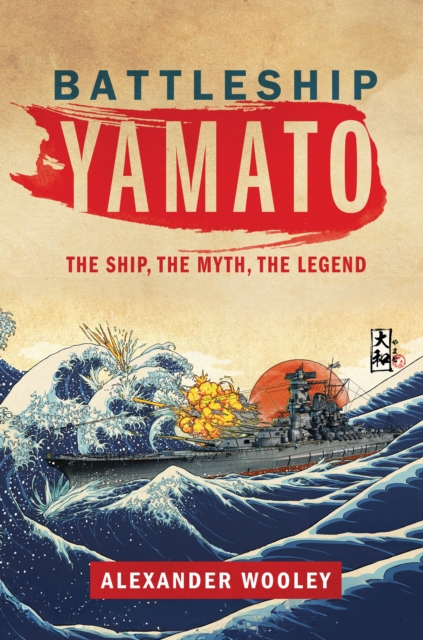
This book explores the enduring legacy of the battleship Yamato, weaving together history, myth, and cultural impact to reveal how a wartime icon became a symbol of Japan's identity and imagination across generations.
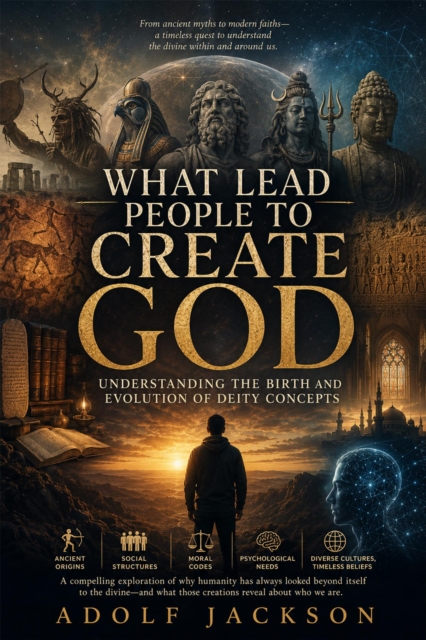
In What Lead People To Create God: Understanding the Birth and Evolution of Deity Concepts, embark on a profound journey through the intricate tapestry of human beliefs about the divine.
In May 1869, Major John Wesley Powell, geologist, enthnologist, and geographer set out from Green River, Wyoming, with nine men and four boats to explore the forbidding canyons of the Green and Colorado Rivers in Wyoming, Utah, and Arizona, which had blocked all central travel routes to the West Coast.
This study considers the subtle and frequently confused relationship of armed force and political control in the British Empire before the American Revolution.
The American West explores one of the most dramatic and contested periods in United States history: the transformation of the West during the nineteenth century.
The United States in World War II tells the dramatic story of America's transformation from a cautious, divided nation into a decisive global superpower.
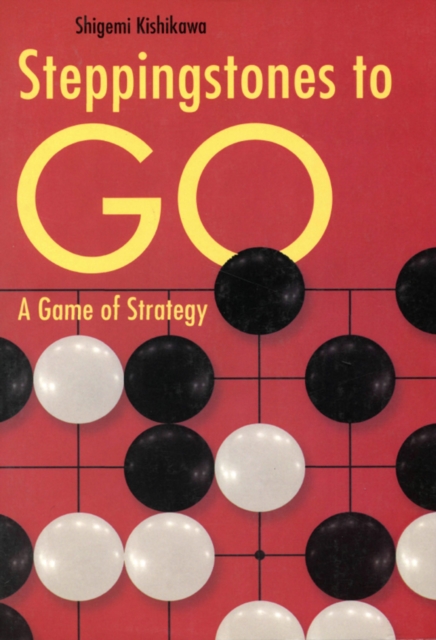
Of important historical notoriety, this Go guide is a must-have for enthusiasts of this ancient Asian strategy gameOscar Korschelt's treatise on the game of Go was the first published at the end of the nineteenth century, but fell into obscurity until the editors Samuel King and George Leckie rescued it, translated it from the German and added numerous illustrative diagrams.
The Greenback Era is not a financial history; rather, it is an attempt to locate the source of political power in the crucial Reconstruction years through a socio-economic study of American financial conflict during the years 1865 to 1879.
In this original and provocative book Russell Fraser has set himself no less a task than the description and interpretation of one of the signal "e;facts"e; of Western history-the breaking away of the present from the medieval past.
The struggle between Islam and the Crusaders comprised a dialogue of cultures on a broad geographic scale and a wide expanse of time, a perennial seesaw of conquest in the West as in the East.
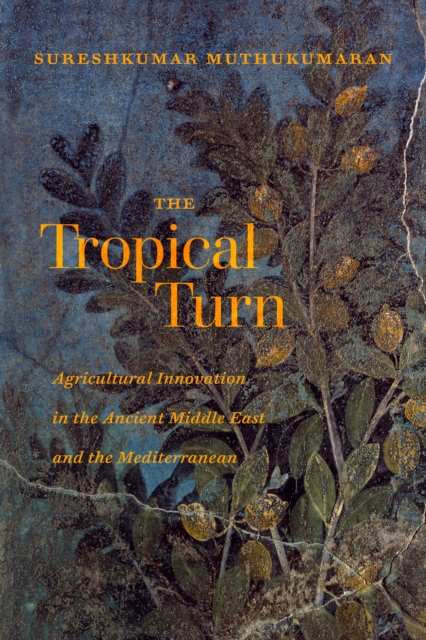
This book chronicles the earliest histories of familiar tropical Asian crops in the ancient Middle East and the Mediterranean, from rice and cotton to citruses and cucumbers.
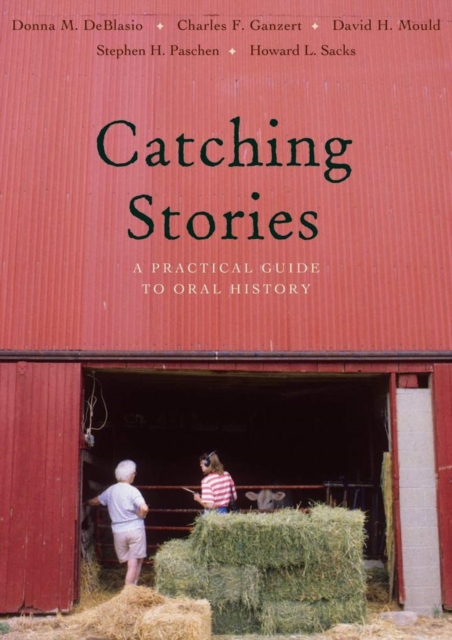
In neighborhoods, schools, community centers, and workplaces, people are using oral history to capture and collect the kinds of stories that the history books and the media tend to overlook: stories of personal struggle and hope, of war and peace, of family and friends, of beliefs, traditions, and values-the stories of our lives.
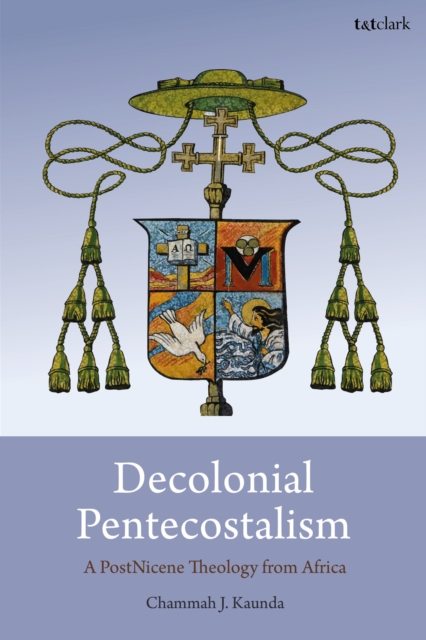
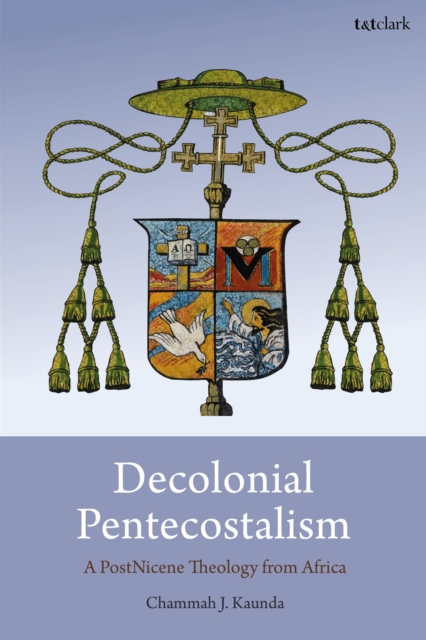
The book presents a bold and transformative exploration of how Pentecostal theology can be revitalized by critically engaging with the Nicene Creed through the lens of African spirituality and decolonial thought.
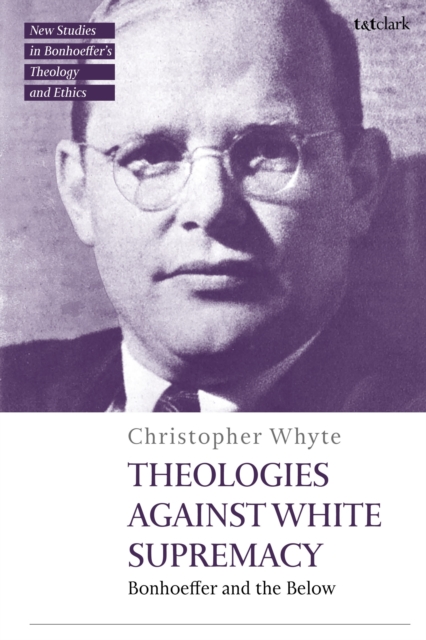
In this sensitive work, Whyte examines issues and ambiguities within Bonhoeffer's writing-as well as complexities in his biography-that imply gaps in his understanding of the full theological implications of Christ's solidarity with suffering.
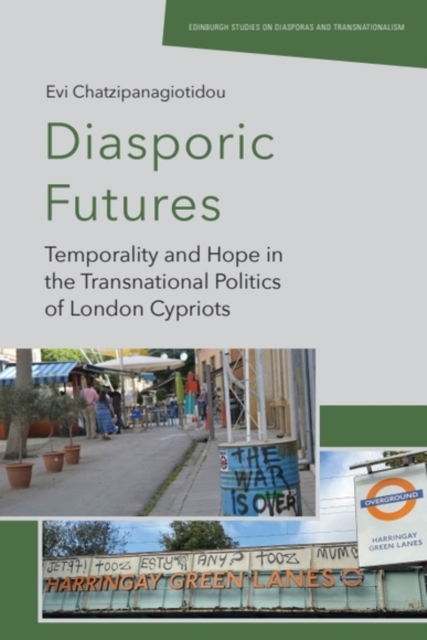
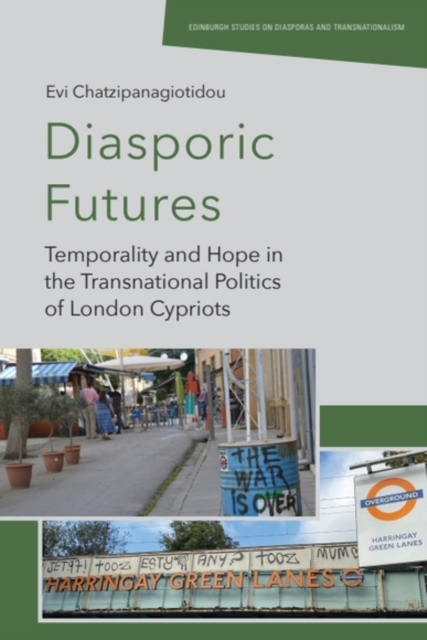
Connected to a divided island, British Cypriots have participated in the reproduction of conflict and partition but have also been active agents of peacebuilding and reconciliation.
This book offers a comprehensive study of the ways Wales and Welsh people have historically engaged with—and imagined—Jews, Judaism, and Israel-Palestine.
Connected to a divided island, British Cypriots have participated in the reproduction of conflict and partition but have also been active agents of peacebuilding and reconciliation.
The book presents a bold and transformative exploration of how Pentecostal theology can be revitalized by critically engaging with the Nicene Creed through the lens of African spirituality and decolonial thought.
In this reevaluation of the estate system, which has long been recognized as the central economic institution of medieval Japan, Thomas Keirstead argues that estates, or shoen, constituted more than a type of landownership.
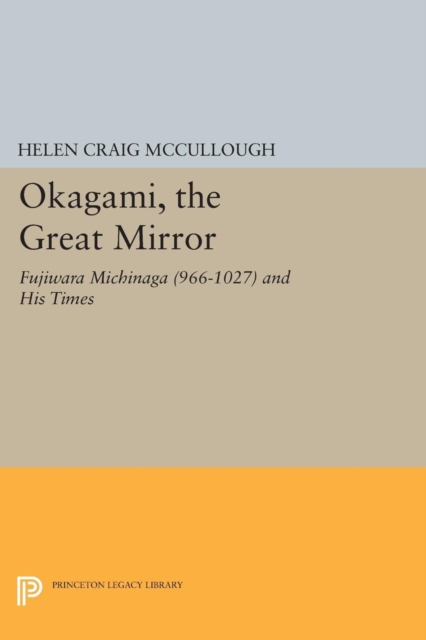
Presented here in a new and complete translation is the Japanese classic Okagami, an historical talc that mirrors a man's life and the times in which he lived.
Among the leading specialists on Japan, the authors-both Japanese and Western-represent a range of disciplines from economics, history, and political science, to sociology, anthropology, psychiatry, and literary criticism.