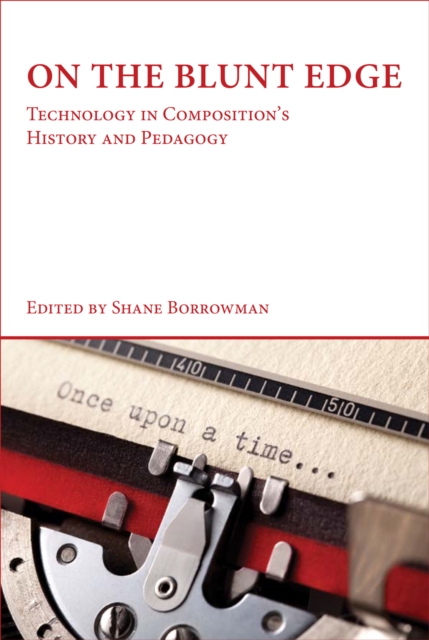
On the Blunt Edge: Technology in Composition's History and Pedagogy tells the stories of composition's techno-history, from the roads of the ancient world, which allowed students to travel to school, to the audio-visual aids that populate the classrooms of the modern world.
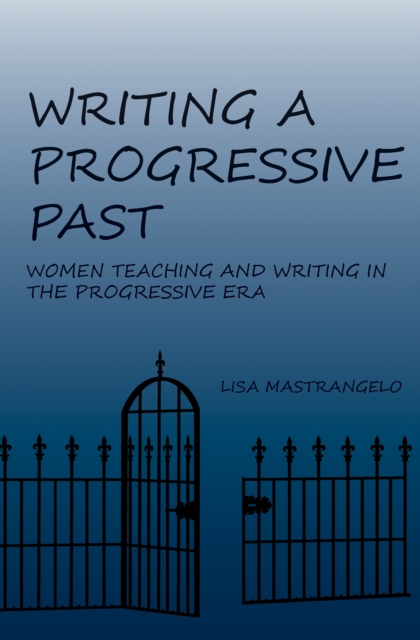
Writing a Progressive Past: Women Teaching and Writing in the Progressive Era traces the lineage of writing instruction during the Progressive Era, from the influences of John Dewey, to the graduate program designed and run by Fred Newton Scott.
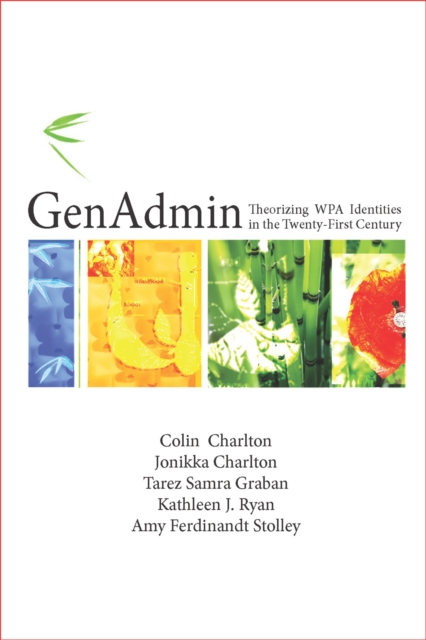
GenAdmin: Theorizing WPA Identities in the Twenty-First Century examines identity formation in a generation of rhetoric and composition professionals who have undergone explicit preparation in scholarly dimensions of writing program administration.
The editors of WRITING IN KNOWLEDGE SOCIETIES provide a thoughtful, carefully constructed collection that addresses the vital roles rhetoric and writing play as knowledge-making practices in diverse knowledge-intensive settings.
At one moment, while reading James Capozzi's manuscript, it occurred to me that he might actually be a Martian who learned to write by studying the incomplete works of John Donne, Raymond Queneau, and J.
Tracing the intertidal circuits of story and understory, of body and soul, of land and sea, Christopher Sindt's sensitive and intelligent poetry offers "e;a foundation for becoming.
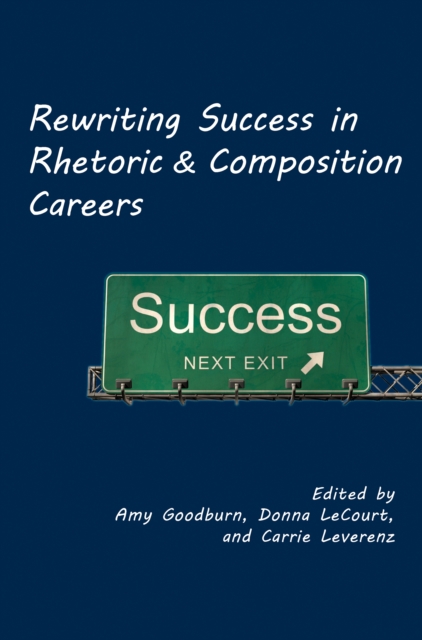
Rewriting Success in Rhetoric and Composition Careers presents alternative narratives of what constitutes success in the field of rhetoric and composition from those who occupy traditionally undervalued positions in the academy (tribal college, community colleges, postdoctoral tracks), those who have used their PhDs outside of the academy (a law firm, a textbook publisher, a community center), and those who have engaged in professionalization opportunities not typical in the field (research center, a nonprofit humanities organization).
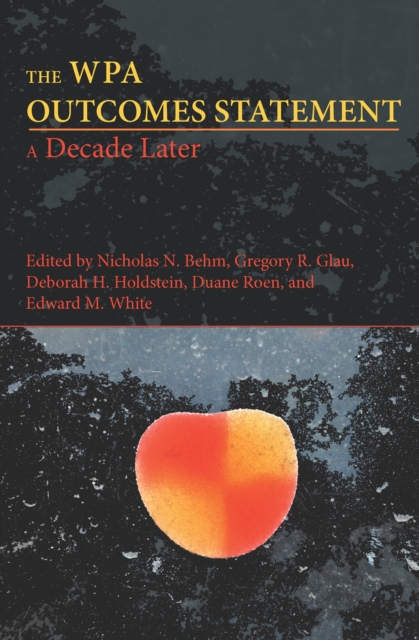
The WPA Outcomes Statement-A Decade Later examines the ways that the Council of Writing Program Administrators' Outcomes Statement for First-Year Composition has informed curricula, generated programmatic, institutional, and disciplinary change, and affected a disciplinary understanding of best practices in first-year composition.
Adopting an interdisciplinary perspective, BUILDING GENRE KNOWLEDGE provides a unique look into the processes of building genre knowledge while offering a dynamic theory of those processes that is inclusive of both monolingual and multilingual writers-a necessary move in today's linguistically diverse classrooms.
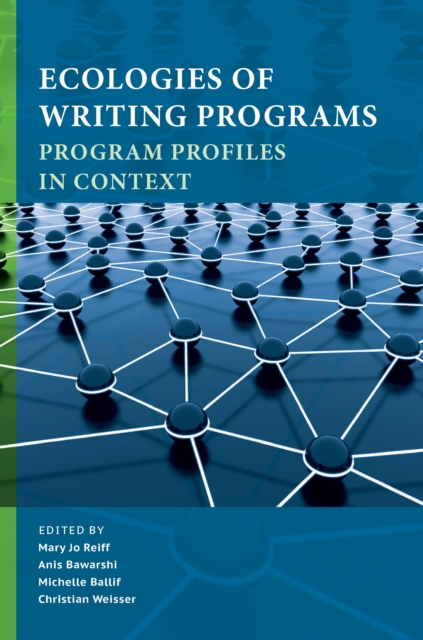
Ecologies of Writing Programs: Profiles of Writing Programs in Context features profiles of exemplary and innovative writing programs across varied institutions.
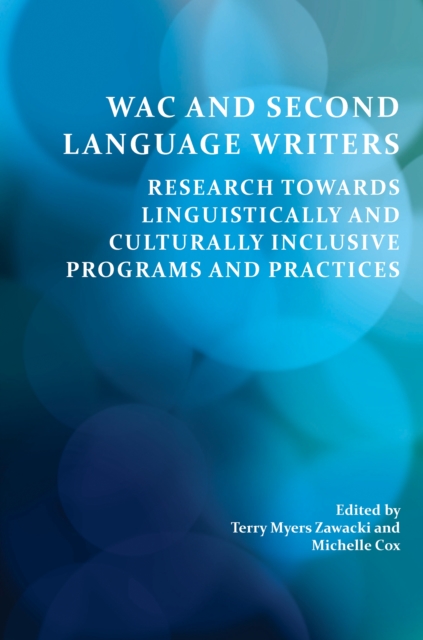
Editors and contributors pursue the ambitious goal of including within WAC theory, research, and practice the differing perspectives, educational experiences, and voices of second-language writers.
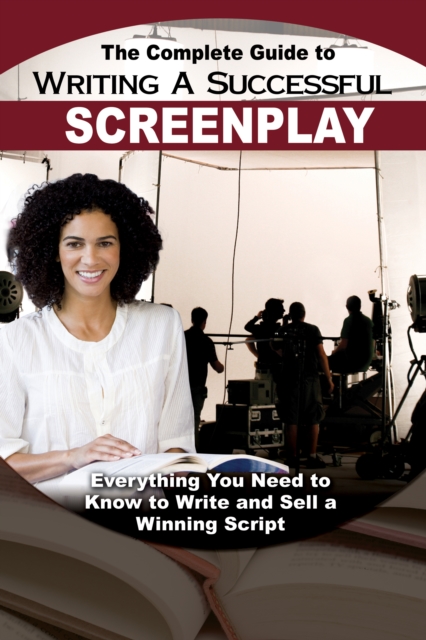
The Complete Guide to Writing A Successful Screenplay outlines timesaving tools to hone your writing, so you can at tract Hollywood agents and producers.
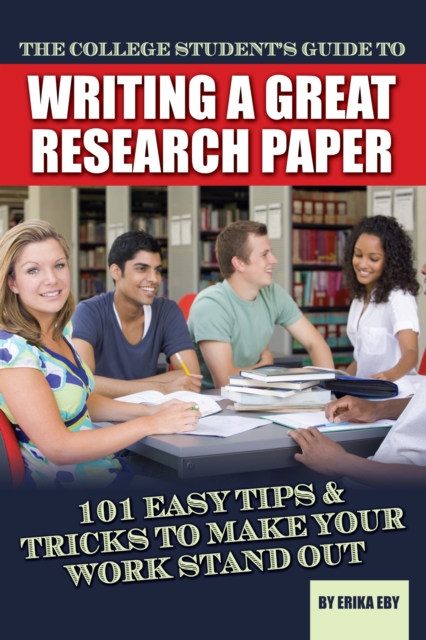
It's the evening before your research paper is due, and you're staring at a big, empty white word document waiting to be filled on your computer screen.
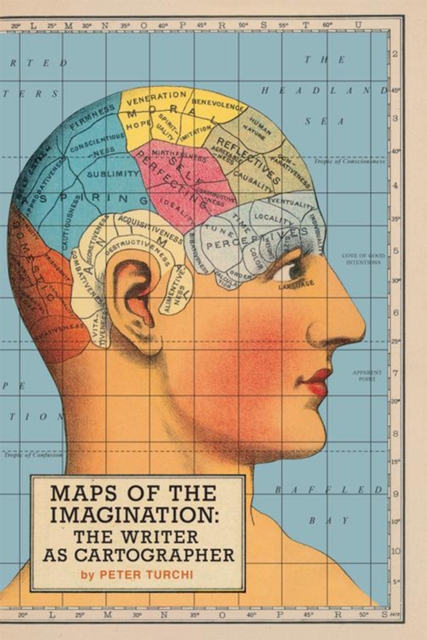
With his characteristic talent for finding the connections between writing and the stuff of our lives (most notably in his earlier hit Maps of the Imagination: The Writer as Cartographer), Peter Turchi ventures into new, and even more surprising, territory.
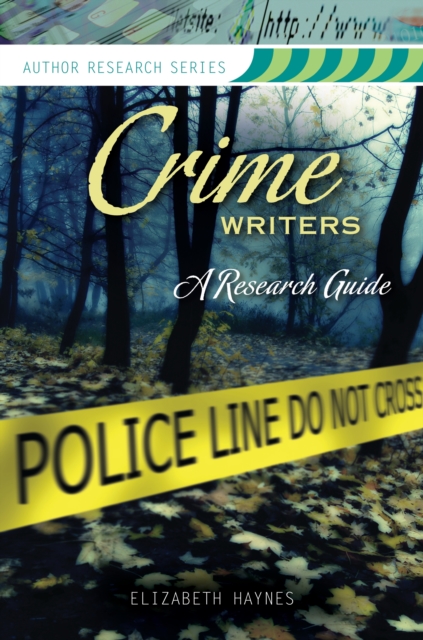
This invaluable resource provides information about and sources for researching 50 of the top crime genre writers, including websites and other online resources.
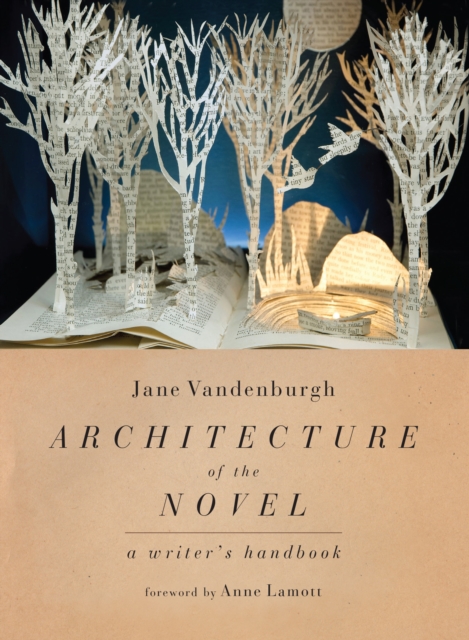
Jane Vandenburgh, the author of two highly acclaimed novels and a recent memoir, offers aspiring writers the tools to create powerful and unique novels filled not only with good writing but also dynamic storytelling.
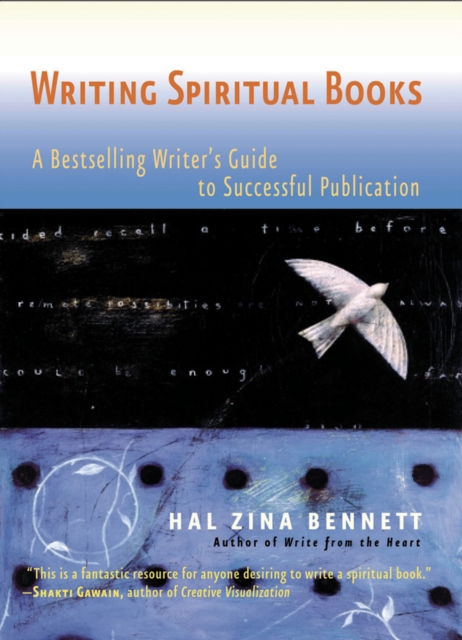
In Writing Spiritual Books, Hal Zina Bennett, who has coached such well-known writers as Shakti Gawain, Judith Orloff, and Jerry Jampolsky, shows readers how to focus on their spiritual experience in a way that will enlighten and captivate others.
In Collected Stories, playwright Donald Margulies explores the vexed emotional and legal question of a writer's right to create art from the biographical material of another person's life--particularly when that other person is also a writer.
Les 12 piliers essentiels de la construction de roman éliminent le mystère de la construction d'une histoire solide et vous montrent comment passer d'une idée à une œuvre complète en étapes simples et faciles à comprendre.
Award-winning screenwriters reveal their Hollywood secrets in crafting brilliant stories and methodology through interviews with world-renowned UCLA screenwriting professor Lew Hunter.
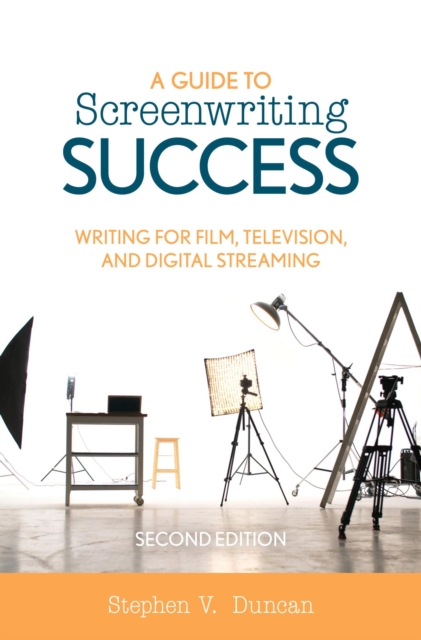
A Guide to Screenwriting Success, Second Edition provides a comprehensive overview of writing-and rewriting-a screenplay or teleplay and writing for digital content.
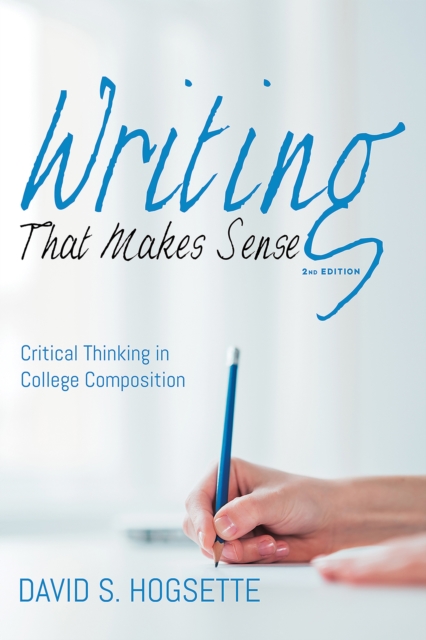
The second edition of Writing That Makes Sense takes students through the fundamentals of the writing process and explores the basic steps of critical thinking.
Where Drowned Things Live describes the struggles of an untenured professor, Kristin Ginelli, as she tries to counsel a young woman student at her university and get her to reveal who is abusing her.
An off-hand speculation by ex-pat and professor, David Moran, sends his celebrated historian colleague, Graham Guade, on an investigation that peels back American use of, and protection for, Japanese doctors who committed unspeakable medical experiments in WWII.
Set in and around the boomtown of Creede, Colorado, in 1892, Altars of Tomorrow is the final chapter of the Deacon Coburn narrative that began in Days of Purgatory.
Your Mentor's Complete Guide to 25+ Freelance Writing and Digital Video Businesses and Other Home-based Online Businessess in E-Publishing and the Digital Media.
801 Action Verbs is for communicators, career developers, educators, students, journalists, editors, job-seekers, travelers, resume-writers, novelists, and speakers.