GenAdmin: Theorizing WPA Identities in the Twenty-First Century examines identity formation in a generation of rhetoric and composition professionals who have undergone explicit preparation in scholarly dimensions of writing program administration.
The editors of WRITING IN KNOWLEDGE SOCIETIES provide a thoughtful, carefully constructed collection that addresses the vital roles rhetoric and writing play as knowledge-making practices in diverse knowledge-intensive settings.
The WPA Outcomes Statement-A Decade Later examines the ways that the Council of Writing Program Administrators' Outcomes Statement for First-Year Composition has informed curricula, generated programmatic, institutional, and disciplinary change, and affected a disciplinary understanding of best practices in first-year composition.
Ecologies of Writing Programs: Profiles of Writing Programs in Context features profiles of exemplary and innovative writing programs across varied institutions.
Editors and contributors pursue the ambitious goal of including within WAC theory, research, and practice the differing perspectives, educational experiences, and voices of second-language writers.
Whether you are an instructor preparing a course, a trainer of beginning translators, or a self-study student of Bible translation, this teacher's manual is an essential complement to the fourth edition of Bible Translation: An Introductory Course in Translation Principles.
The second edition of Writing That Makes Sense takes students through the fundamentals of the writing process and explores the basic steps of critical thinking.
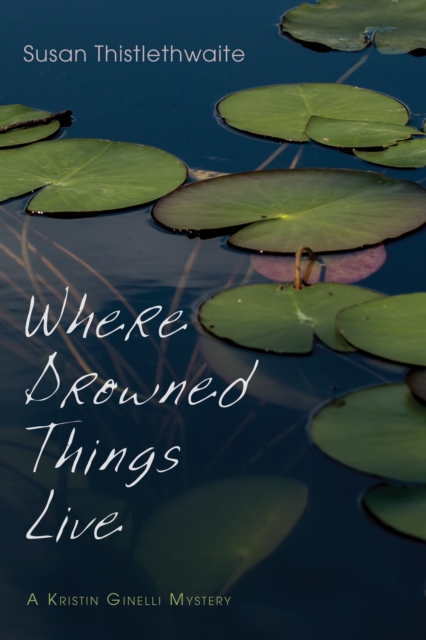
Where Drowned Things Live describes the struggles of an untenured professor, Kristin Ginelli, as she tries to counsel a young woman student at her university and get her to reveal who is abusing her.
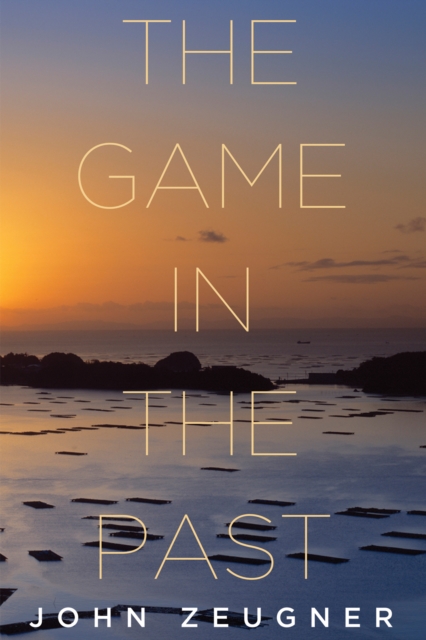
An off-hand speculation by ex-pat and professor, David Moran, sends his celebrated historian colleague, Graham Guade, on an investigation that peels back American use of, and protection for, Japanese doctors who committed unspeakable medical experiments in WWII.
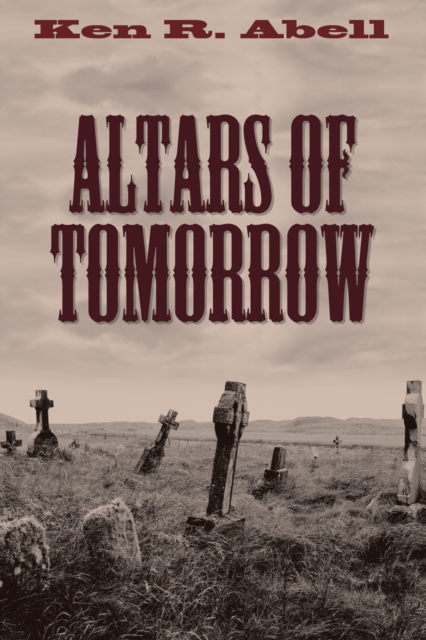
Set in and around the boomtown of Creede, Colorado, in 1892, Altars of Tomorrow is the final chapter of the Deacon Coburn narrative that began in Days of Purgatory.
Enjoy Esperanto introduces you to the more advanced points of Esperanto grammar and develops your vocabulary through a variety of engaging and contemporary themes, giving you the skills you need to respond to a wide range of authentic texts and conversations.
Enjoy Esperanto introduces you to the more advanced points of Esperanto grammar and develops your vocabulary through a variety of engaging and contemporary themes, giving you the skills you need to respond to a wide range of authentic texts and conversations.
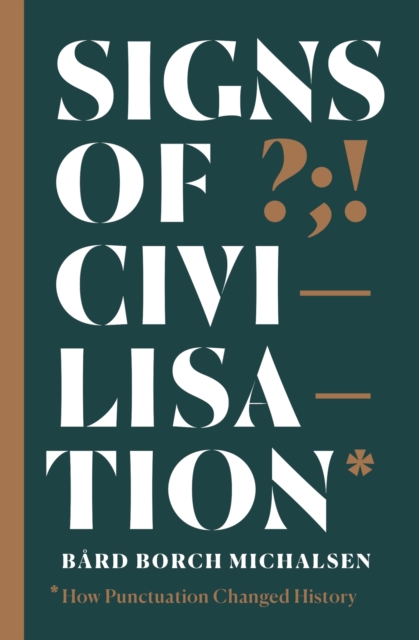
'Punctuation is not only an important part of our language code; an advanced system of punctuation has been a driving force in our entire Western Civilisation.
_________________________How to Write It: Tell Your StoryThis book is a masterclass in the craft of writing and poetry from one of Britain's most celebrated poets and educators, T.
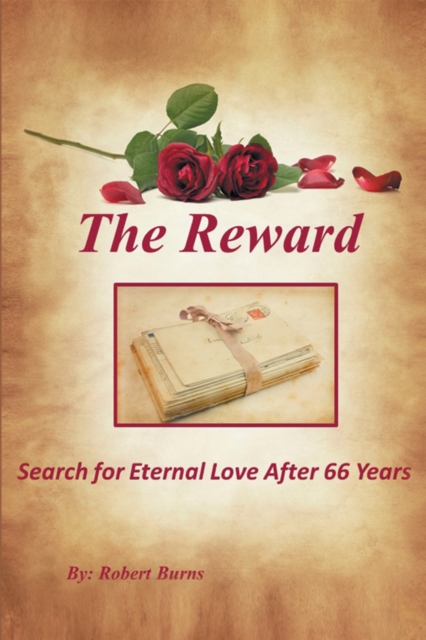
The Reward is a love story of two people brought together by the December 6, 1917, Halifax explosion, where over two thousand people were killed and more than six thousand people were severely injured.
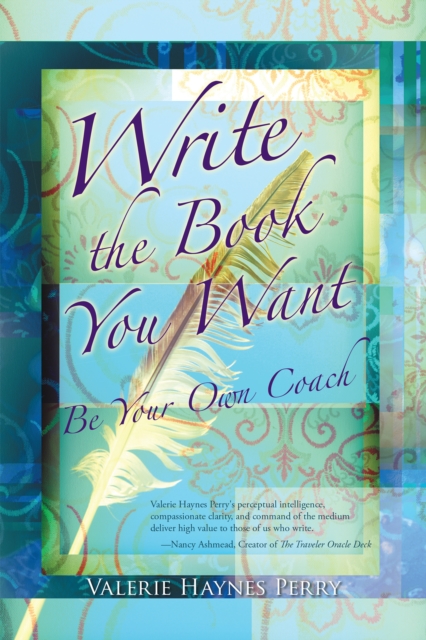
Award-winning author, Valerie Haynes Perry, has written this book to help you maintain the clarity, self-confidence, and motivation you need to bring your own book into being.
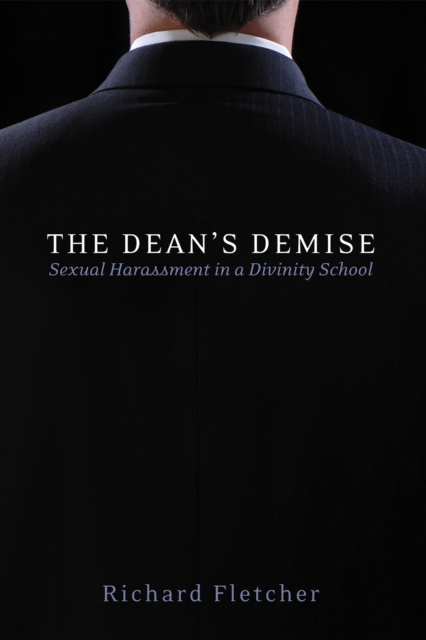
Not everyone is surprised at the rumor suggesting that Karl Wolfe, Dean of The University School, recently told Rebecca Swingle, new professor at the school, that a promotion could be more easily attained were she to sleep with him.
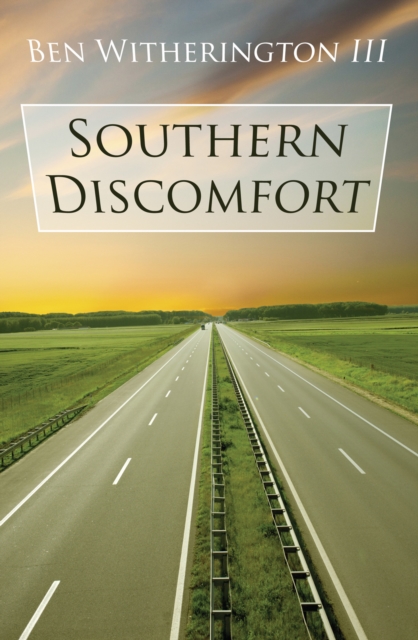
Southern Discomfort tells the story of Masey Bumgarner, recently widowed, who returns from her summer vacation to discover that her town, Pineville, North Carolina, has decided to pave a four-lane highway through her front yard .
From the beginning the bright and articulate English teacher and the tall, strong, and equally bright minister sense they are different, but they assume they can still enjoy a friendship.
Crippled in childhood, Mary Wesley, sister of John Wesley, founder of the Methodist Church, speaks of the Wesley household in first-person narrative built on the facts of her life.