In The Gestural Origin of Language, Sherman Wilcox and David Armstrong use evidence from and about sign languages to explore the origins of language as we know it today.
The Oxford Handbook of Cognitive Linguistics presents a comprehensive overview of the main theoretical concepts and descriptive/theoretical models of Cognitive Linguistics, and covers its various subfields, theoretical as well as applied.
How is language acquired when infants are exposed to multiple language input from birth and when adults are required to learn a second language after early childhood?
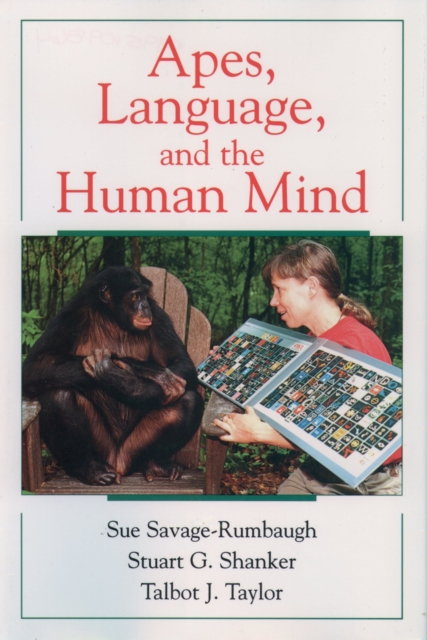
Current primate research has yielded stunning results that not only threaten our underlying assumptions about the cognitive and communicative abilities of nonhuman primates, but also bring into question what it means to be human.
As a field of inquiry, interlanguage pragmatics reflects the growing interest in recent years in understanding the social and pragmatic aspects of second language acquisition.
In this volume Professor Paivio updates his influential theory of cognition and provides a systematic treatise on the structure of cognitive representations and their dynamic functions in thought and behavior.
Over the last decade, an emerging form of computational modeling has steadily gained the respect of many researchers as a radically new and promising approach to cognitive science.
Long studied by anthropologists, historians, and linguists, oral traditions have provided a wealth of fascinating insights into unique cultural customs that span the history of humankind.
This book analyzes--in terms of branching--the pervasive reorganization of Latin syntactic and morphological structures: in the development from Latin to French, a shift can be observed from the archaic, left-branching structures (which Latin inherited from Proto-Indo-European) to modern right-branching equivalents.
The relationship of language to cognition, especially in development, is an issue that has occupied philosophers, psychologists, and linguists for centuries.
"e;Language ideologies"e; are cultural representations, whether explicit or implicit, of the intersection of language and human beings in a social world.
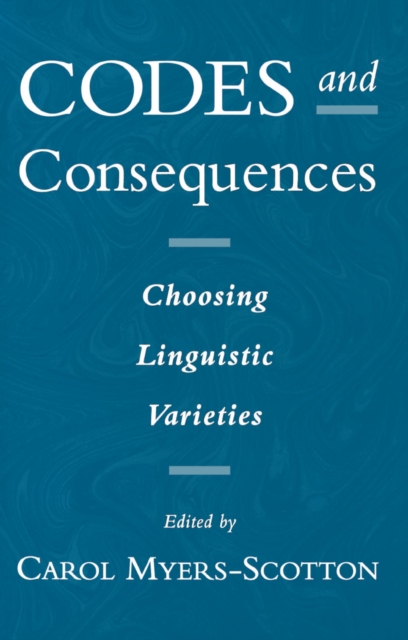
Carol Myers-Scotton has edited a collection of essays that covers the choice of one style of English over another in everything from Bible translations to "e;surprise in poetry"e; to supervisor-worker interactions on the automobile assembly line.
This fresh look at the philosophy of language focuses on the interface between a theory of literal meaning and pragmatics--a philosophical examination of the relationship between meaning and language use and its contexts.
Although there has been a surge in our understanding of children's vocabulary growth, theories of word learning lack a primary focus on verbs and adjectives.
From expert authors, this book guides educators to conduct assessments that inform daily instruction and identify the assets that emergent bilinguals bring to the classroom.
This book examines a challenging problem at the intersection of theoretical linguistics and the psychology of language: the interpretation of gradient judgments of sentence acceptability in relation to theories of grammatical knowledge.
This second edition of Ian Roberts's highly successful textbook on diachronic syntax has been fully revised and updated throughout to take account of the multiple developments in the field in the last decade.
This volume brings together the latest research from leading scholars on the mental lexicon - the representation of language in the mind/brain at the level of individual words and meaningful sub-word units.
This volume brings together the latest research from leading scholars on the mental lexicon - the representation of language in the mind/brain at the level of individual words and meaningful sub-word units.
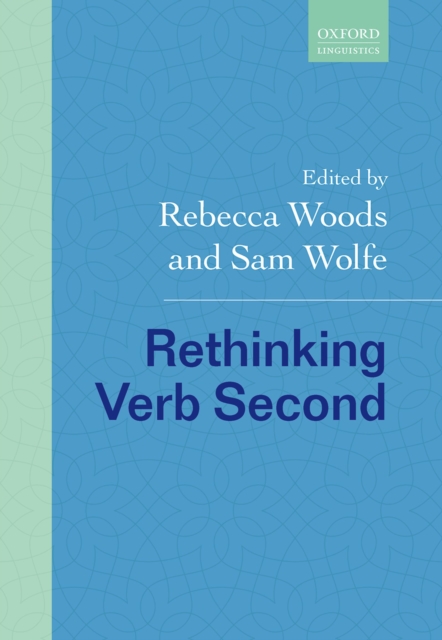
This volume provides the most exhaustive and comprehensive treatment available of the Verb Second property, which has been a central topic in formal syntax for decades.
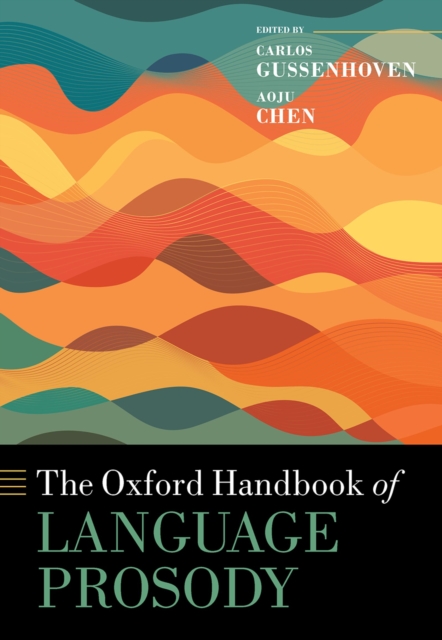
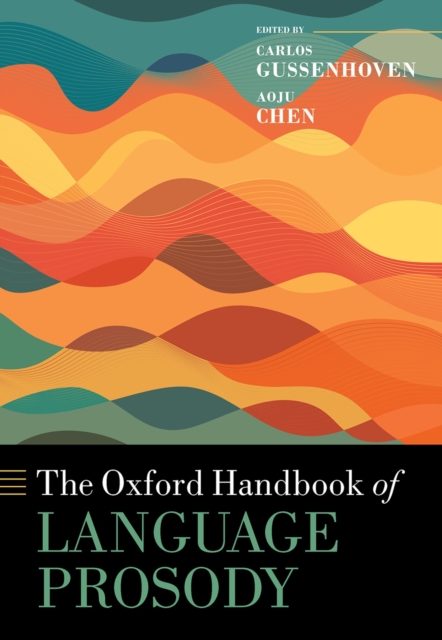
This handbook presents detailed accounts of current research in all aspects of language prosody, written by leading experts from different disciplines.
This handbook presents detailed accounts of current research in all aspects of language prosody, written by leading experts from different disciplines.