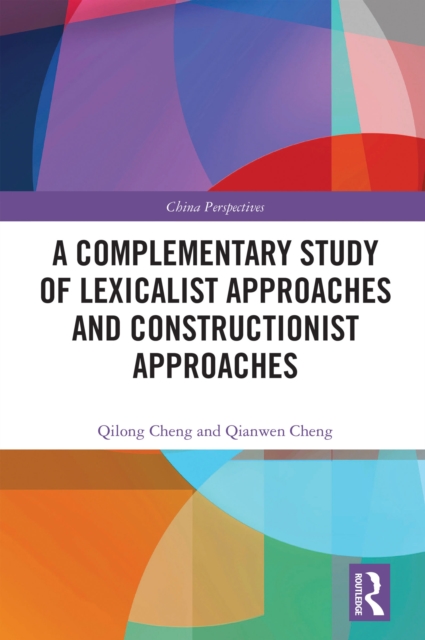
This edited volume presents the latest scholarly endeavors to synergize Chinese linguistics with Chinese language education and L2 Chinese acquisition, a direction of inquiry that has emerged as a rapidly developing area and attracted both teaching practitioners and linguists' interests in recent years.
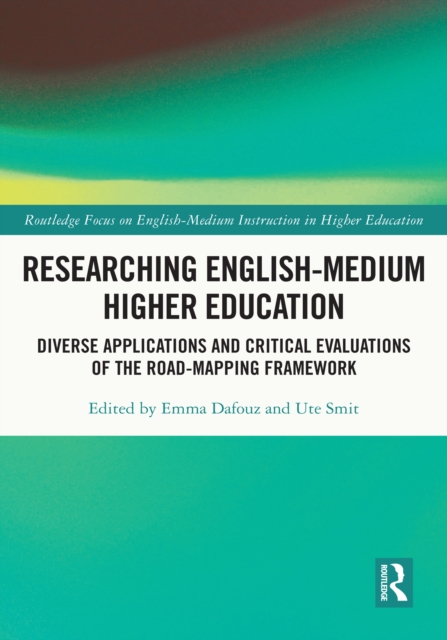
Set against the increasing use of English-medium higher education across the world, this book brings together researchers and practitioners who, despite coming from very different geopolitical areas and pursuing distinct research objectives, coincide in their use of the ROAD-MAPPING conceptual framework.
Set against the increasing use of English-medium higher education across the world, this book brings together researchers and practitioners who, despite coming from very different geopolitical areas and pursuing distinct research objectives, coincide in their use of the ROAD-MAPPING conceptual framework.
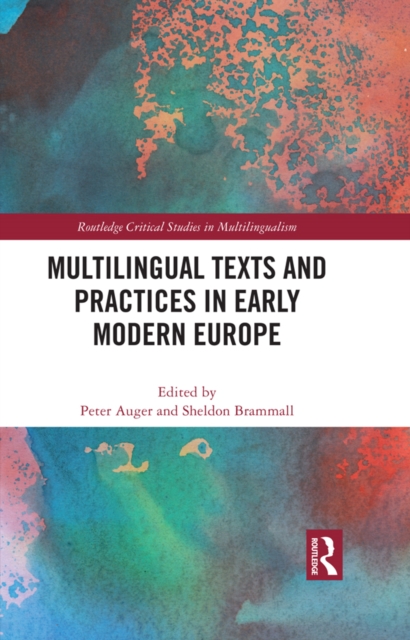
This collection offers a cross-disciplinary exploration of the ways in which multilingual practices were embedded in early modern European literary culture, opening up a dynamic dialogue between contemporary multilingual practices and scholarly work on early modern history and literature.
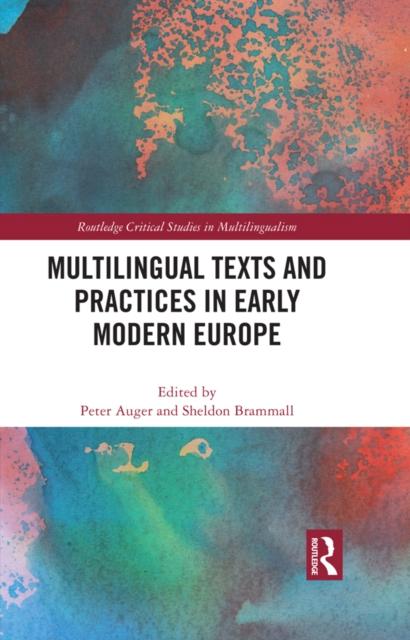
This collection offers a cross-disciplinary exploration of the ways in which multilingual practices were embedded in early modern European literary culture, opening up a dynamic dialogue between contemporary multilingual practices and scholarly work on early modern history and literature.
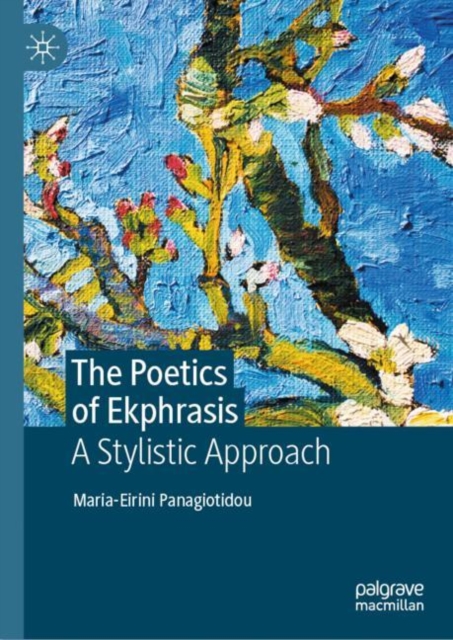
This book provides a stylistic and cognitive poetic account of ekphrastic poetry (poetry whose subject matter is predominantly artworks and images), examining the linguistic processes through which works of art can become literary objects.
This accessible textbook hinges on the central assumptions of Cognitive Linguistics and Cognitive Grammar, introducing students to the analytical tools they need to approach Stylistics, an essential area in language analysis.
Approaches to Language, Culture and Cognition aims to bring cognitive linguistics and linguistic anthropology closer together, calling for further investigations of language and culture from cognitively-informed perspectives against the backdrop of the current trend of linguistic anthropology.
This handbook draws together international perspectives on technology and its application to language teaching and learning, written and edited by leading scholars in the field.
Drawing on and integrating unorthodox thought from a broad range of disciplines including clinical psychology, linguistics, philosophy, natural science and psychoanalysis, this book offers a provocative, original analysis of the global threats to our survival, and proposes a remedy.
This book is an advanced debate on the nature of scalar implicatures, one of the most popular topics in philosophical linguistics in the last 20 years.
Despite the key role played by second language acquisition (SLA) courses in linguistics, teacher education and language teaching degrees, participants often struggle to bridge the gap between SLA theories and their many applications in the classroom.
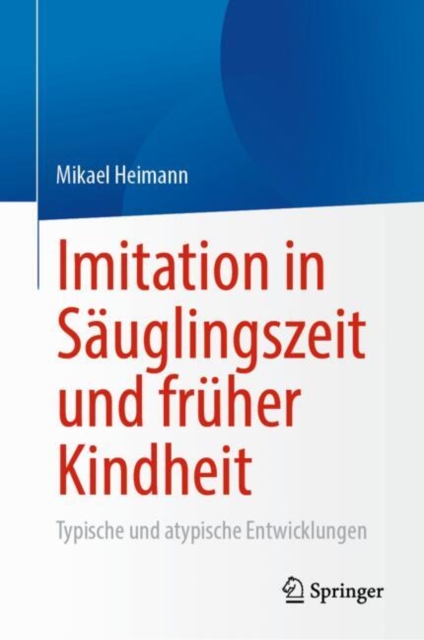
Dieses Buch fasst mehr als vier Jahrzehnte Forschung zur Imitation in der Säuglingszeit und deren Zusammenhang mit frühem Lernen und soziokognitiver Entwicklung bei typischen und atypischen Kindern zusammen.
The enactive approach replaces the classical computer metaphor of mind with emphasis on embodiment and social interaction as the sources of our goals and concerns.
This book explores how and in what ways the relationship between language, mind and computation can be conceived of, given that a number of foundational assumptions about this relationship remain unacknowledged in mainstream linguistic theory, yet continue to be the basis of theoretical developments and empirical advances.
A practical and comprehensive resource, Supporting Multilingual Learners' Academic Language Development: A Language-Based Approach to Content Instruction introduces an accessible language-based approach to teaching academic language to multilingual learners across the content areas.
A practical and comprehensive resource, Supporting Multilingual Learners' Academic Language Development: A Language-Based Approach to Content Instruction introduces an accessible language-based approach to teaching academic language to multilingual learners across the content areas.
This book shines a light on novel and less familiar domains of early English language education for children aged 3 to 12, in mainstream and out-of-school settings.
This book offers a self-reflective, critical approach to the study of what is popularly known as polyglossia, charting the gradual but marked process of its commoditization over the last 20 years and offering a counterpoint to mainstream positivist treatment of serial language learning.
This accessible textbook hinges on the central assumptions of Cognitive Linguistics and Cognitive Grammar, introducing students to the analytical tools they need to approach Stylistics, an essential area in language analysis.
In their book, the authors describe the usage of and attitudes towards English in Asia since the 19th century, as well as the creative and dynamic ways in which Asians of the 21st century continually reinvent the lexicon of English, and the lexicons of their native tongues.
In their book, the authors describe the usage of and attitudes towards English in Asia since the 19th century, as well as the creative and dynamic ways in which Asians of the 21st century continually reinvent the lexicon of English, and the lexicons of their native tongues.
This edited book investigates the input provided by lecturers in English-Medium Instruction (EMI) to reveal the characteristics of both written and oral inputs in EMI settings and their pedagogical implications.
This edited book investigates the input provided by lecturers in English-Medium Instruction (EMI) to reveal the characteristics of both written and oral inputs in EMI settings and their pedagogical implications.
Linguistic Morphology is a unique collection of cutting-edge research in the psycholinguistics of morphology, offering a comprehensive overview of this interdisciplinary field.
Linguistic Morphology is a unique collection of cutting-edge research in the psycholinguistics of morphology, offering a comprehensive overview of this interdisciplinary field.