In this ground breaking work of synthesis, Monika Fludernik combines insights from literary theory and linguistics to provide a challenging new theory of narrative.
In this ground breaking work of synthesis, Monika Fludernik combines insights from literary theory and linguistics to provide a challenging new theory of narrative.
This volume represents the culmination of an extensive research project that studied the development of linguistic form/function relations in narrative discourse.
This volume represents the culmination of an extensive research project that studied the development of linguistic form/function relations in narrative discourse.
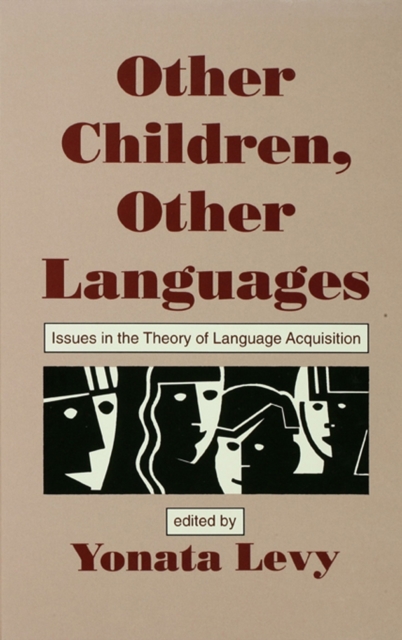
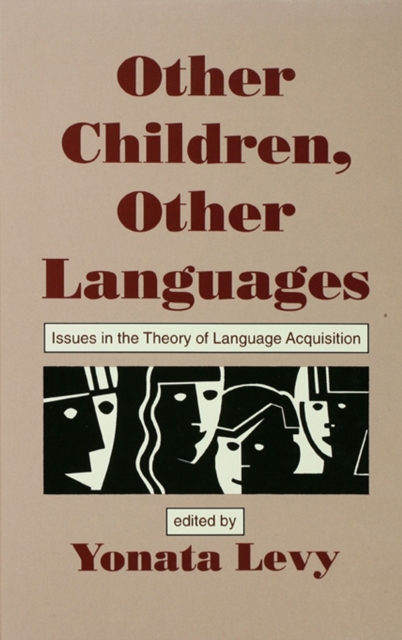
This volume investigates the implications of the study of populations other than educated, middle-class, normal children and languages other than English on a universal theory of language acquisition.
This volume investigates the implications of the study of populations other than educated, middle-class, normal children and languages other than English on a universal theory of language acquisition.
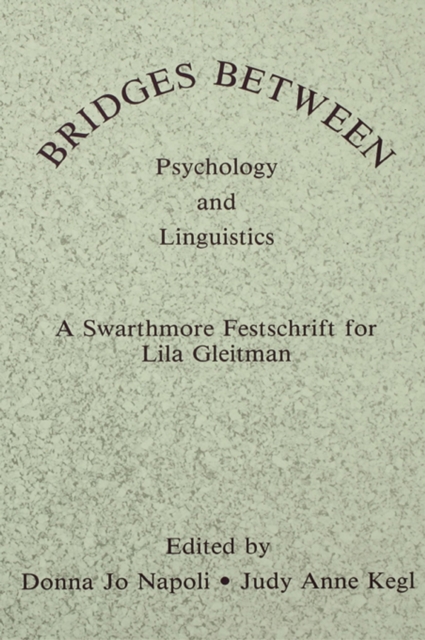
Written as a tribute to Lila Gleitman, an influential pioneer in first language acquisition and reading studies, this significant book clearly establishes the relationships between psychology and linguistics.
Written as a tribute to Lila Gleitman, an influential pioneer in first language acquisition and reading studies, this significant book clearly establishes the relationships between psychology and linguistics.
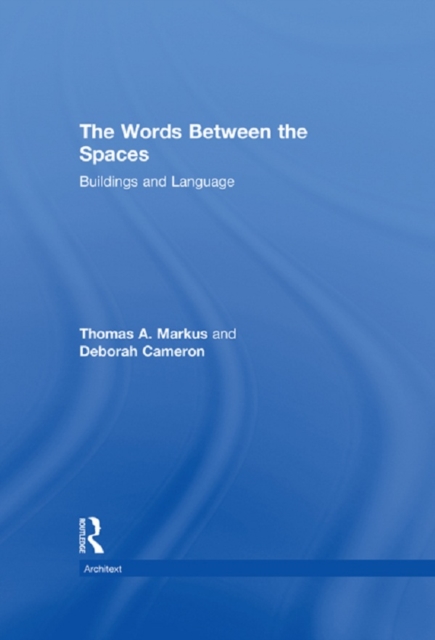
This book provides an extended exploration of the multimodal analysis of spatial (three-dimensional) texts of the built environment, culminating in a holistic approach termed Spatial Discourse Analysis (SpDA).
This book provides an extended exploration of the multimodal analysis of spatial (three-dimensional) texts of the built environment, culminating in a holistic approach termed Spatial Discourse Analysis (SpDA).
This book defends in part a particular elaboration of the stylistic rule component of the grammatical model first presented in Chomsky and Lasnik (1977).
This book defends in part a particular elaboration of the stylistic rule component of the grammatical model first presented in Chomsky and Lasnik (1977).
Dr Keith Allan presents a coherent, consistent and comprehensive account of linguistic meaning, centred around an informally presented theory of meaning.
Dr Keith Allan presents a coherent, consistent and comprehensive account of linguistic meaning, centred around an informally presented theory of meaning.
The study of opacity falls under the general programme of showing how the meaning of any complex sentence is composed from the meanings of its constituent clauses, phrases and words.
The study of opacity falls under the general programme of showing how the meaning of any complex sentence is composed from the meanings of its constituent clauses, phrases and words.
This study presents a semantic framework for analysing all aspectual constructions in terms of the event state distinction, and describes the grammatical expression of aspectual meaning in terms of a theory of grammatical constructions.
This study presents a semantic framework for analysing all aspectual constructions in terms of the event state distinction, and describes the grammatical expression of aspectual meaning in terms of a theory of grammatical constructions.
Reading Science looks at the distinctive language of science and technology and the role it plays in building up scientific understandings of the world.
Reading Science looks at the distinctive language of science and technology and the role it plays in building up scientific understandings of the world.