This book explores circumlocutions by analyzing a corpus of newspaper texts from Wantok Niuspepa, revealing how they function, evolve, and reflect the Melanesian worldview.
This book critically examines gender and professional communication in the IT industry, demonstrating the value of an applied linguistics perspective in better understanding the discourses and gendering of work in the field and more broadly.
This book critically examines gender and professional communication in the IT industry, demonstrating the value of an applied linguistics perspective in better understanding the discourses and gendering of work in the field and more broadly.
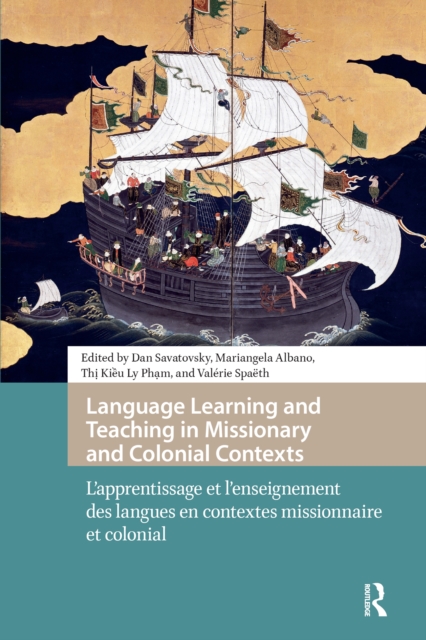
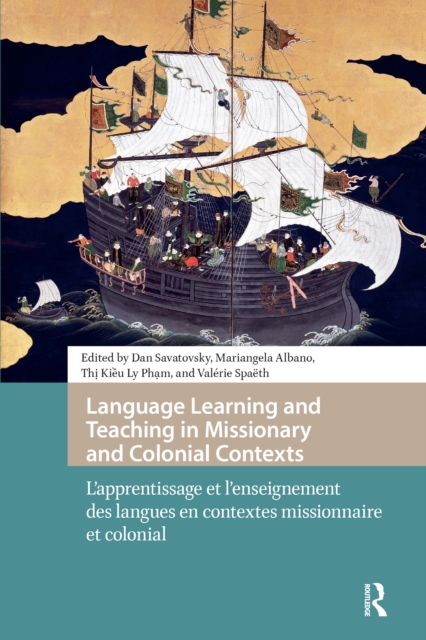
This volume assembles texts dedicated to the linguistic and educational aspects of missionary and colonial enterprises, taking into account all continents and with an extended diachronic perspective (15th-20th centuries).
This book offers a comprehensive analysis of the evolution of legal language, tracing its development from historical formulations to contemporary adaptations, including the emerging role of artificial intelligence in legal translation and communication.
This volume assembles texts dedicated to the linguistic and educational aspects of missionary and colonial enterprises, taking into account all continents and with an extended diachronic perspective (15th-20th centuries).
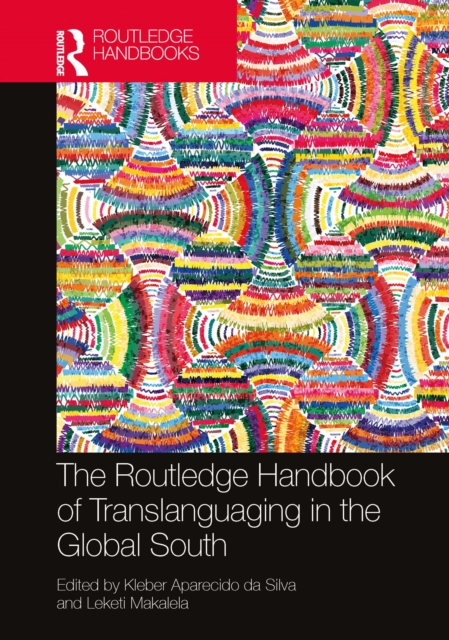
The Routledge Handbook of Translanguaging in the Global South is a groundbreaking exploration of translanguaging as a decolonial, contextually rooted, and transformative language practice.
The policies relating to language pursued by European monarchies and states have been widely studied, but far less attention has been given to their linguistic and cultural policies in territories outside their own borders.
For centuries, French was the language of international commercial and diplomatic relations, a near-dominant language in literature and poetry, and was widely used in teaching.
In exploring the birth of a Dutch identity between 1780 and 1830, this book integrates nationalism studies with literary and linguistic history by highlighting scholarly study of the Dutch language as a factor in the creation of the national identity.
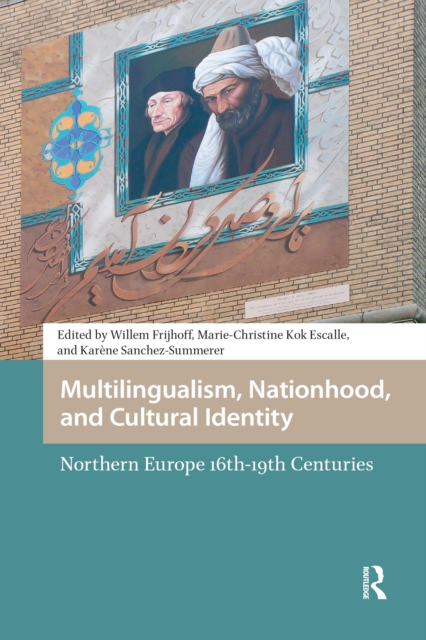
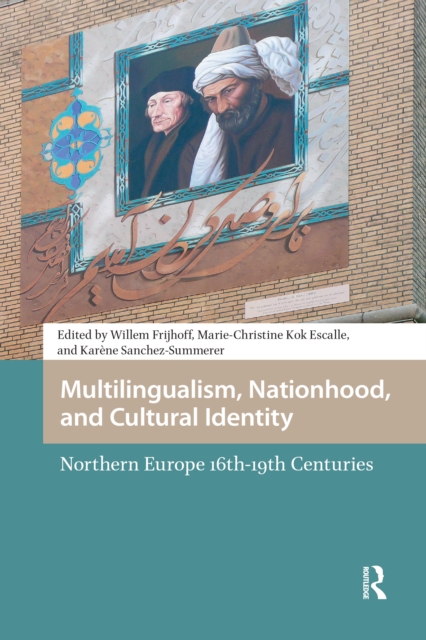
Before the modern nation-state became a stable, widespread phenomenon throughout northern Europe, multilingualism-the use of multiple languages in one geographical area-was common throughout the region.
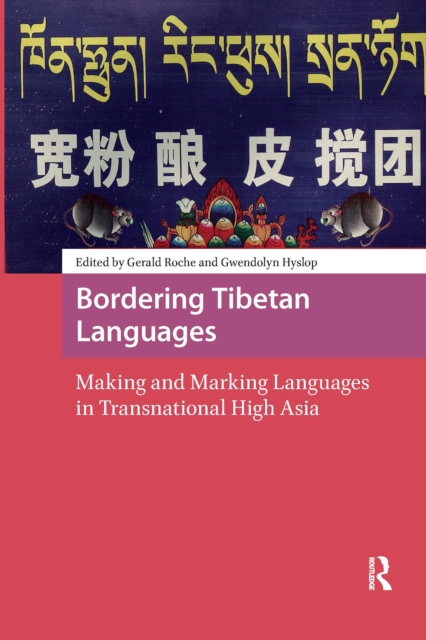
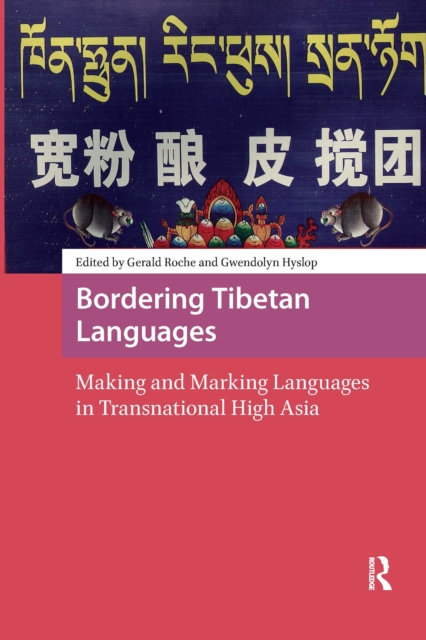
Bordering Tibetan Languages: Making and Marking Languages in Transnational High Asia examines the complex interactions between state, ethnic, and linguistic borders in the Himalayas.
Bordering Tibetan Languages: Making and Marking Languages in Transnational High Asia examines the complex interactions between state, ethnic, and linguistic borders in the Himalayas.
For centuries, French was the language of international commercial and diplomatic relations, a near-dominant language in literature and poetry, and was widely used in teaching.
Before the modern nation-state became a stable, widespread phenomenon throughout northern Europe, multilingualism-the use of multiple languages in one geographical area-was common throughout the region.
In exploring the birth of a Dutch identity between 1780 and 1830, this book integrates nationalism studies with literary and linguistic history by highlighting scholarly study of the Dutch language as a factor in the creation of the national identity.
The policies relating to language pursued by European monarchies and states have been widely studied, but far less attention has been given to their linguistic and cultural policies in territories outside their own borders.
A memoir of how the Amazigh people successfully fought for their recognition in Morocco
For decades after Moroccan independence in 1956, the struggle of the Amazigh people for their indigenous rights and cultural preservation took center stage.
Taking aim at the conventional narrative that standard, national languages transform 'peasants' into citizens, Gina Anne Tam centers the history of the Chinese nation and national identity on fangyan - languages like Shanghainese, Cantonese, and dozens of others that are categorically different from the Chinese national language, Mandarin.
This book offers a comprehensive analysis of the evolution of legal language, tracing its development from historical formulations to contemporary adaptations, including the emerging role of artificial intelligence in legal translation and communication.
A memoir of how the Amazigh people successfully fought for their recognition in Morocco
For decades after Moroccan independence in 1956, the struggle of the Amazigh people for their indigenous rights and cultural preservation took center stage.