Dieser Band enthält eine umfassende Analyse der tierischen Personenschimpfwörter unter Berücksichtigung der Häufigkeit, der Wortbildung und der Semantik der untersuchten Einheiten.
This book seeks to build further links between (im)politeness research and autism by countering prevailing notions in pragmatics around autism and media portrayals of autistic characters through the lens of neurodiversity.
This book seeks to build further links between (im)politeness research and autism by countering prevailing notions in pragmatics around autism and media portrayals of autistic characters through the lens of neurodiversity.
Critical Linguistics, inaugurated in 1979 with the publication of Language as Ideology, has been widely influential and successful in documenting the connection of linguistic and social practices.
Critical Linguistics, inaugurated in 1979 with the publication of Language as Ideology, has been widely influential and successful in documenting the connection of linguistic and social practices.
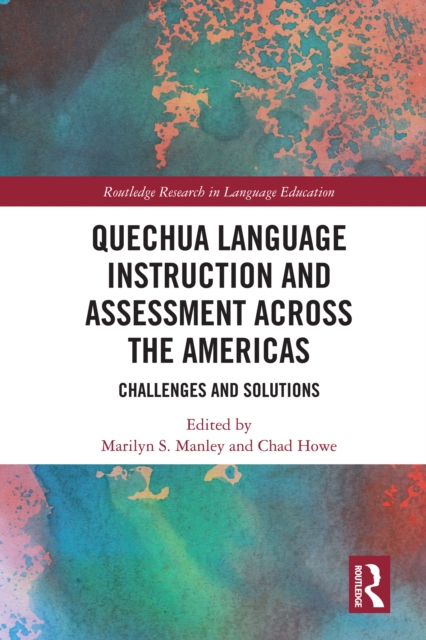
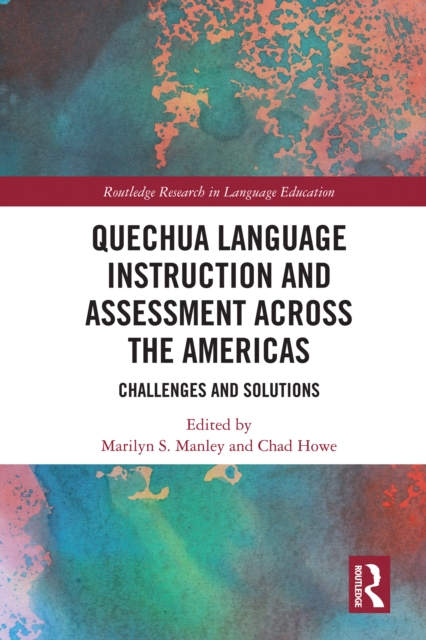
Quechua, with nearly ten million speakers living primarily across the Andes, stands as the most widely spoken Indigenous language of the Americas today.
This collection explores the global impact of English through fact-based and contrastive analyses of different types of Anglicisms across a wide range of languages.
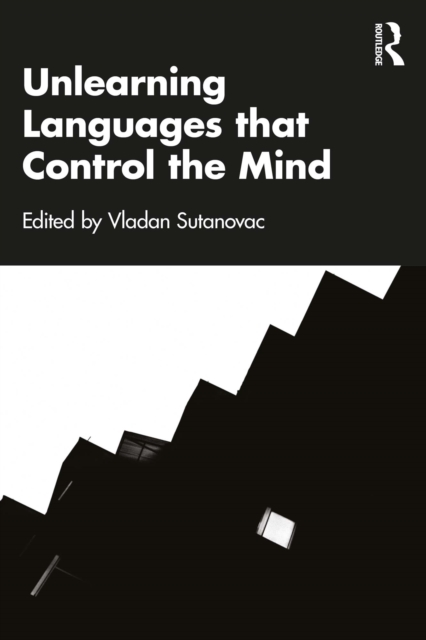
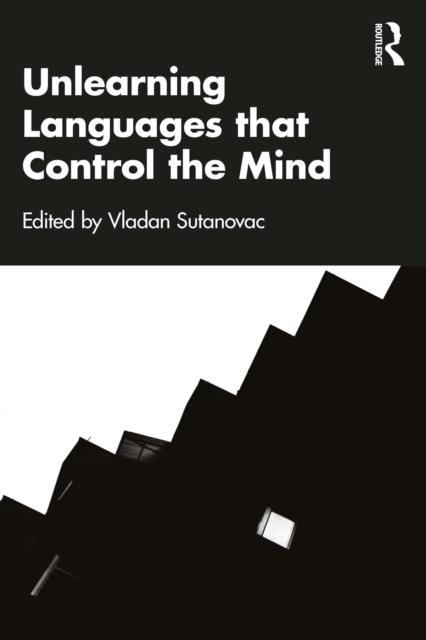
The edited collection Unlearning Languages That Control the Mind (ULCM) is to be read as a continuous multi voiced work on what takes place when we forget that unlearning is a part of our existence as much as learning.
The edited collection Unlearning Languages That Control the Mind (ULCM) is to be read as a continuous multi voiced work on what takes place when we forget that unlearning is a part of our existence as much as learning.
This collection explores the global impact of English through fact-based and contrastive analyses of different types of Anglicisms across a wide range of languages.
Quechua, with nearly ten million speakers living primarily across the Andes, stands as the most widely spoken Indigenous language of the Americas today.
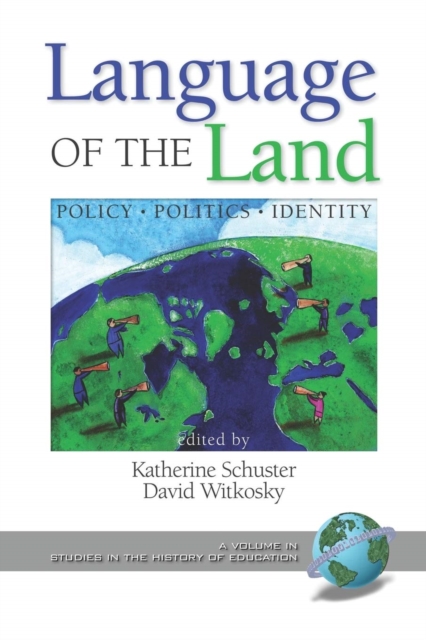
The idea for this volume arose out of a need for a treatment of the interplay between language and ethnonationalism within both formal and nonformal educational settings.
In this Hebrew language learning setting, students' backgrounds and histories are diverse: some were born and raised in Canada, the United States, or South Africa and studied Hebrew at Jewish day schools; others were born in the former USSR, immigrated to Israel as children, and moved to Canada with their families as teenagers; others were children of Israeli emigrants who learned Hebrew at home.
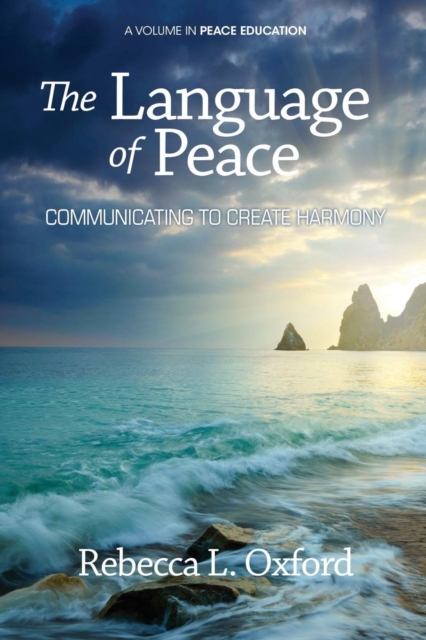
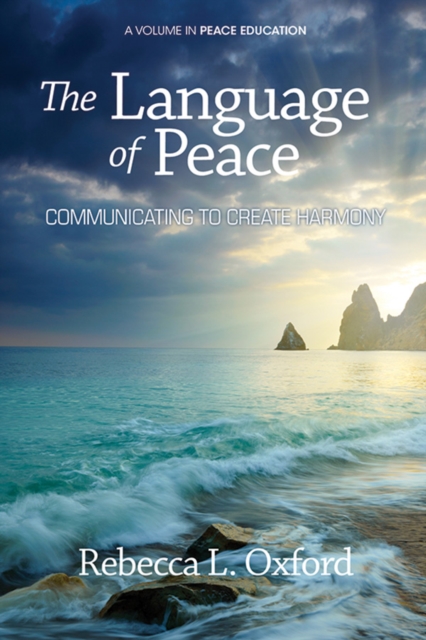
The Language of Peace: Communicating to Create Harmony offers practical insights for educators, students, researchers, peace activists, and all others interested in communication for peace.
In this Hebrew language learning setting, students' backgrounds and histories are diverse: some were born and raised in Canada, the United States, or South Africa and studied Hebrew at Jewish day schools; others were born in the former USSR, immigrated to Israel as children, and moved to Canada with their families as teenagers; others were children of Israeli emigrants who learned Hebrew at home.
The purpose of this book is to help secondary school principals and college faculty fulfill their key role for continuous improvement planning of educational practices and safety at their institution.
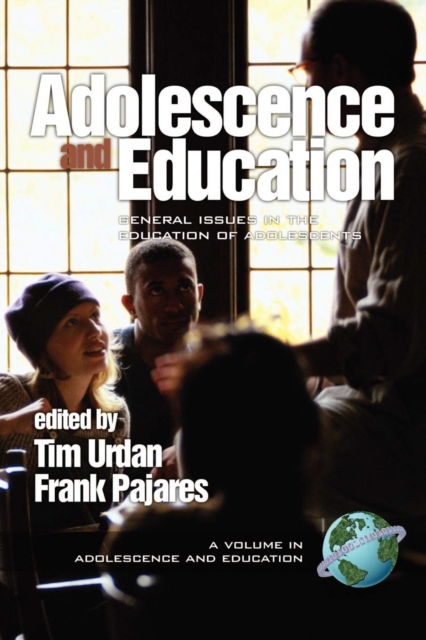
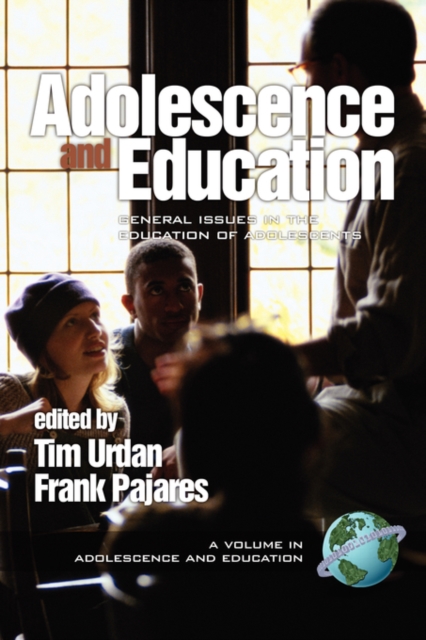
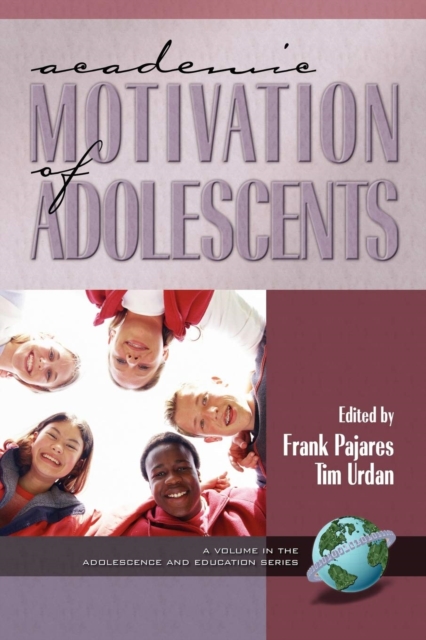
This volume of Adolescence and Education is devoted to an exploration of the challenges facing adolescents and their teachers as well as some of the strategies that have been adopted to address these challenges.
The idea for this volume arose out of a need for a treatment of the interplay between language and ethnonationalism within both formal and nonformal educational settings.
The Language of Peace: Communicating to Create Harmony offers practical insights for educators, students, researchers, peace activists, and all others interested in communication for peace.
In this Hebrew language learning setting, students' backgrounds and histories are diverse: some were born and raised in Canada, the United States, or South Africa and studied Hebrew at Jewish day schools; others were born in the former USSR, immigrated to Israel as children, and moved to Canada with their families as teenagers; others were children of Israeli emigrants who learned Hebrew at home.
The idea for this volume arose out of a need for a treatment of the interplay between language and ethnonationalism within both formal and nonformal educational settings.
This volume of Adolescence and Education is devoted to an exploration of the challenges facing adolescents and their teachers as well as some of the strategies that have been adopted to address these challenges.
The Language of Peace: Communicating to Create Harmony offers practical insights for educators, students, researchers, peace activists, and all others interested in communication for peace.
Few academic issues are of greater concern to teachers, parents, and school administrators than the academic motivation of the adolescents in their care.
This book examines translation policies (TP) for foreign languages in Shanghai, China and aims to propose effective TP for communication between authorities and foreigners.
This book examines translation policies (TP) for foreign languages in Shanghai, China and aims to propose effective TP for communication between authorities and foreigners.
This book examines the feasibility of realising the plurilingual vision of the Barcelona Summit Agreement (mother tongue plus two additional languages) through the second-level education system by employing three strategies: 1) harmonising postprimary modern foreign language (MFL) classes in line with the Common European Framework of Reference for Languages (CEFR) through cross-age teaching; 2) replacing the current state second-level MFL exams with CEFR international exams; and 3) implementing Content and Language Integrated Learning (CLIL).
This book examines the feasibility of realising the plurilingual vision of the Barcelona Summit Agreement (mother tongue plus two additional languages) through the second-level education system by employing three strategies: 1) harmonising postprimary modern foreign language (MFL) classes in line with the Common European Framework of Reference for Languages (CEFR) through cross-age teaching; 2) replacing the current state second-level MFL exams with CEFR international exams; and 3) implementing Content and Language Integrated Learning (CLIL).