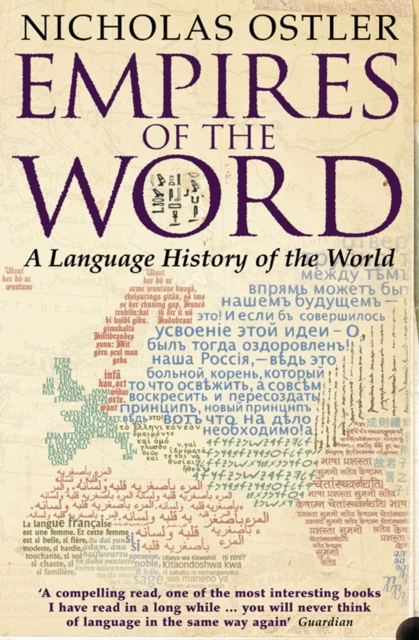
An unusual and authoritative 'natural history of languages' that narrates the ways in which one language has superseded or outlasted another at different times in history.
In Live Love Now, New York Times bestselling author Rachel Macy Stafford tackles the biggest challenges facing kids today and equips adults to engage them with humanness and heart, compassion and honesty to discover the deep, life-giving connection everyone is longing for.
Guadeloupe gehort zu den franzosischen "e;Altkolonien"e;, die nicht in die Unabhangigkeit entlassen wurden, sondern seit 1946 als "e;Departements d'outre-mer"e; ein Teil des Mutterlandes geworden sind.
In this book we will explore in more detail some aspects of the Arab-Jewish divide, which raise fundamental questions regarding the place of the Arabs and Arab language education in the Jewish State.
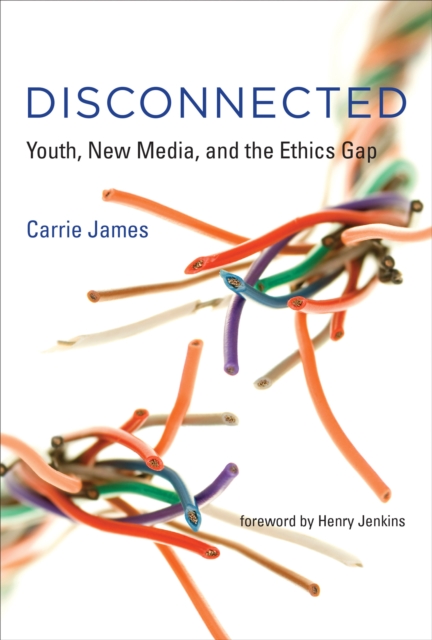
How young people think about the moral and ethical dilemmas they encounter when they share and use online content and participate in online communities.
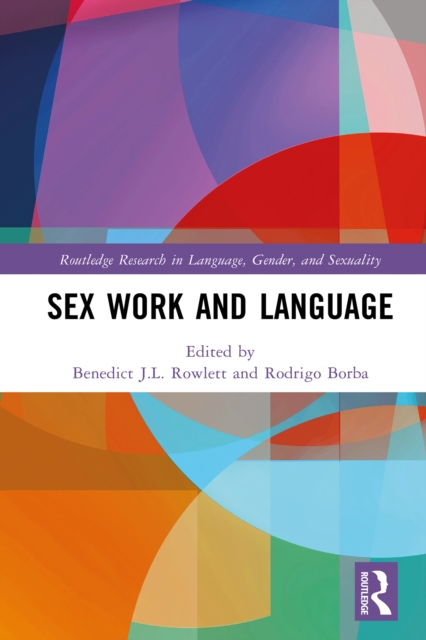
This collection brings together established and exciting new voices to shed light on the language of and about sex work, offering an empirically nuanced understanding of commercial sex through language.
Widely recognized as an authoritative resource, this book has been revised and updated with the latest research and techniques, including new material on telehealth services.
Presenting new and exciting data from lesbian and gay conversations, narratives, representations of lesbians in film and erotic fiction, and representations of prominent gay men in newspapers, this book looks at some of the ways lesbians and gay men construct identity from among the symbolic resources available within lesbian and gay communities.
In this first-hand study of the relationship of gender, ethnicity and the participation of children within an English-language teaching classroom, Jule re-assesses Lacan's approach to belonging with other theoretical approaches to gender and language, making use of case-study methods.
This is the fully revised and expanded second edition of English - One Tongue, Many Voices, a book by three internationally distinguished English language scholars who tell the fascinating, improbable saga of English in time and space.
Arguing against a common sense view of bilingualism as the co-existence of two linguistic systems, this volume develops a critical perspective which approaches bilingualism as a wide variety of sets of sociolinguistic practices connected to the construction of social difference and of social inequality under specific historical conditions.
In this coherent historical development of the passive voice in English, the main argument deals not only with the passive per se, but also with its related constructions, which can play vital parts in identifying both functional and structural motivations for creating the passive.
The contributors present a coherent collection of work on the functioning of metaphor in public discourse and related discourse areas from a broadly cognitive-linguistic background, providing a state-of-the-art overview of research on the discursive grounding of metaphor from a cognitive-linguistic perspective.
The Language of Sexual Crime explores the role of language in the construction of identity of both perpetrators and victims of sexual violence, the ways in which language is used in the detection of sexually-motivated crime, and the articulation/manipulation of language in police interviews, the courtroom and the media.
This volume brings together specialists from a range of disciplines to discuss the discursive construction of ethnic, national and regional identities and analyse how specific identity discourses condition and constrain knowledge and action with regard to various socio-political issues in Europe.
Employing a discourse analytical approach this book focuses on the under-researched strategy of humour to illustrate how discursive performances of leadership are influenced by gender and workplace culture.
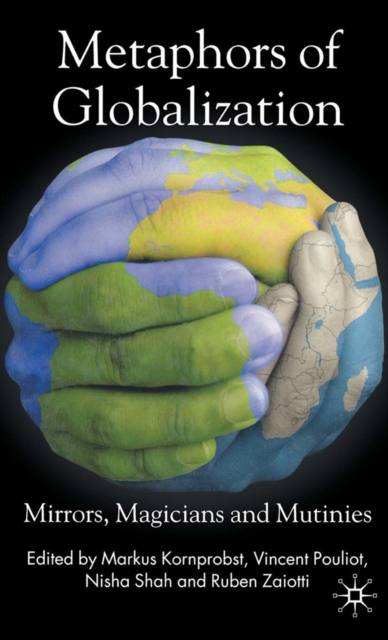
By revisiting globalization using an analysis of metaphors, such as 'global village' and 'network society', this volume sheds new light on overlooked dimensions of global politics, redresses outdated conceptualizations, and provides a critical analysis of existing approaches to the study of globalization.
Leading researchers in the field of spoken discourse and language teaching offer an empirically informed, issues-based discussion of the present state of research into spoken language.