Michael Whitenton offers a fresh perspective on the characterization of Nicodemus, focusing on the benefit of Hellenistic rhetoric and the cognitive sciences for understanding audience construals of characters in ancient narratives.
Marlene Cr semann examines the Thessalonian letters in the context of Jewish-Christian social history; building upon her analysis of 1 Thessalonians, Cr semann comes to the conclusion that it is post-apostolic epistolary communication, and questions whether it is a letter of Paul and indeed whether it is an early letter.
Marlene Cr semann examines the Thessalonian letters in the context of Jewish-Christian social history; building upon her analysis of 1 Thessalonians, Cr semann comes to the conclusion that it is post-apostolic epistolary communication, and questions whether it is a letter of Paul and indeed whether it is an early letter.
The Book of Revelation is the last book in the canon of the New Testament, and its only apocalyptic document, though there are short apocalyptic passages in various places in the gospels and the epistles.
The Book of Revelation is the last book in the canon of the New Testament, and its only apocalyptic document, though there are short apocalyptic passages in various places in the gospels and the epistles.
In this new analysis of the Gospel of John, Kari Syreeni argues that the gospel is a heavily reworked edition of an earlier Johannine work, and that the original did not include Jesus' passion.
In this new analysis of the Gospel of John, Kari Syreeni argues that the gospel is a heavily reworked edition of an earlier Johannine work, and that the original did not include Jesus' passion.
Pikor anaylzes the land of Israel in the book of Ezekiel showing how its preoccupation with the Babylonian exile and the loss of the Promised Land that this entails is directly linked to the danger this poses to Israel's covenant with God.
Since the early 4th century, Christian pilgrims and visitors to Judea and Galilee have worshipped at and been inspired by monumental churches erected at sites traditionally connected with the life and ministry of Jesus of Nazareth.
This volume on Luke-Acts as with all titles in the Texts@Contexts Series highlights readings that make explicit the diverse contemporary contexts of biblical interpreters.
This volume on Luke-Acts as with all titles in the Texts@Contexts Series highlights readings that make explicit the diverse contemporary contexts of biblical interpreters.
Like all skilful authors, the composer of the biblical books of Luke and Acts understood that a good story requires more than a gripping plot - a persuasive narrative also needs well-portrayed, plot-enhancing characters.
This guide explores and summarizes scholarship on Philemon, acquainting beginning students with what has been said about Philemon, and equipping them to understand the larger debates and conversations that surround it.
The divisions in the Corinthian church are catalogued by Paul in 1 Corinthians 1:12: "e;Each of you says, 'I follow Paul,' or 'I follow Apollos,' or 'I follow Cephas,' or 'I follow Christ.
Like all skilful authors, the composer of the biblical books of Luke and Acts understood that a good story requires more than a gripping plot - a persuasive narrative also needs well-portrayed, plot-enhancing characters.
1 Thessalonians provides a fascinating glimpse into the origins and social life of the Christ group in the ancient Roman city of Thessalonike, while 2 Thessalonians reveals how the community developed at a somewhat later time.
1 Thessalonians provides a fascinating glimpse into the origins and social life of the Christ group in the ancient Roman city of Thessalonike, while 2 Thessalonians reveals how the community developed at a somewhat later time.
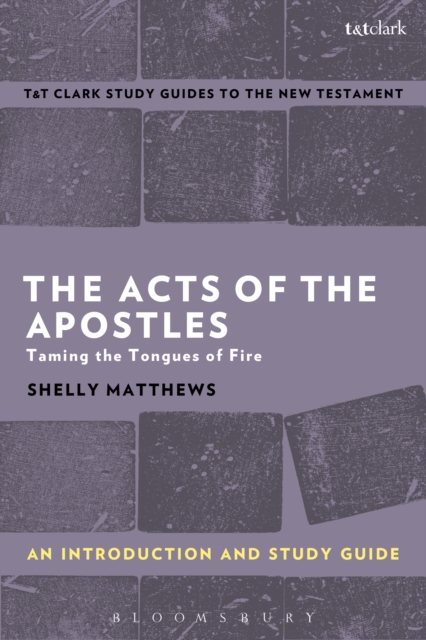
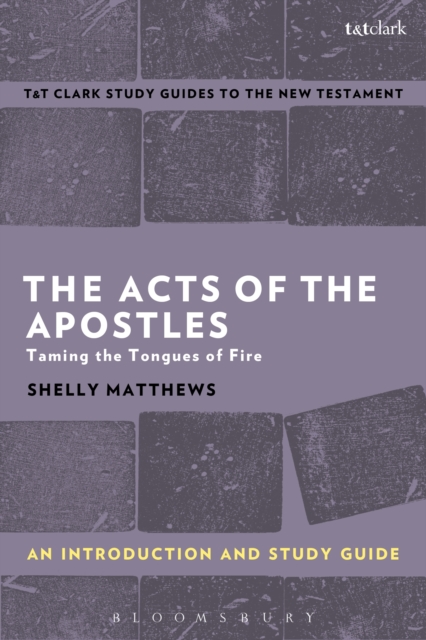
The book of Acts opens with the dramatic story of tongues of flame descending upon believers at Pentecost and the prophecy of an egalitarian dispensation of the Spirit being fulfilled.
The book of Acts opens with the dramatic story of tongues of flame descending upon believers at Pentecost and the prophecy of an egalitarian dispensation of the Spirit being fulfilled.
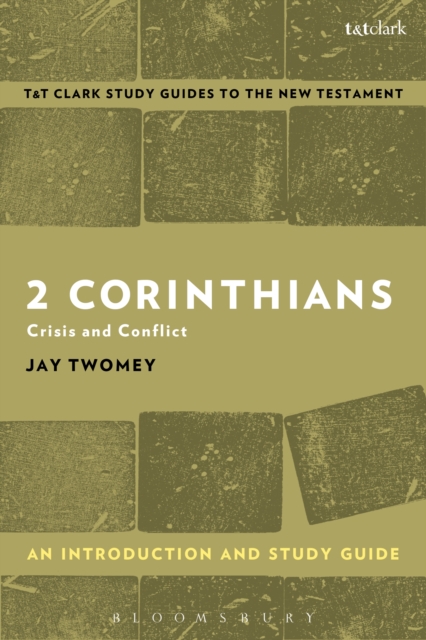
This guide considers the historical contexts, the literary forms, the social and rhetorical backgrounds, the politics, the theologies, and the reception of 2 Corinthians.